Shang Yunfei, Hao Shuwei, Yang Chunhui, Chen Guanying
School of Chemical Engineering and Technology, Harbin Institute of Technology, Harbin 150001, China.
Harbin Huigong Technology Co., Ltd., Harbin 150001, China.
Nanomaterials (Basel). 2015 Oct 27;5(4):1782-1809. doi: 10.3390/nano5041782.
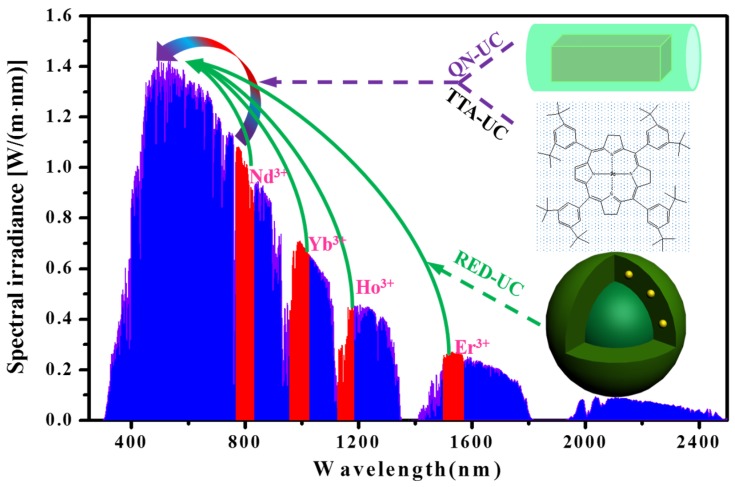
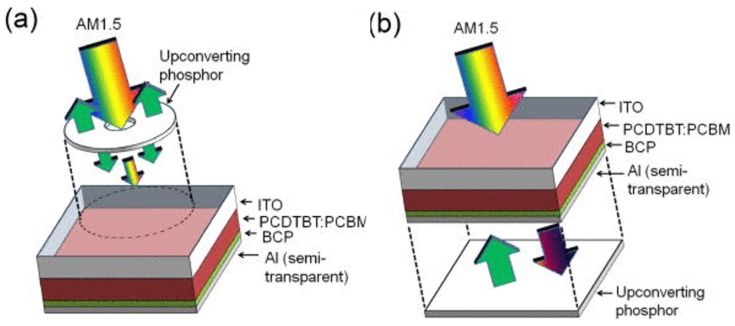
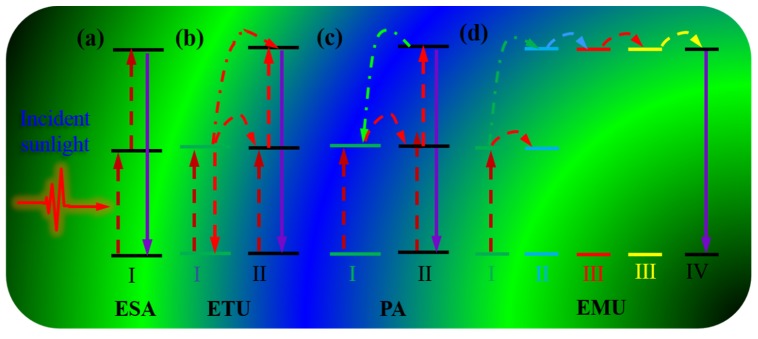
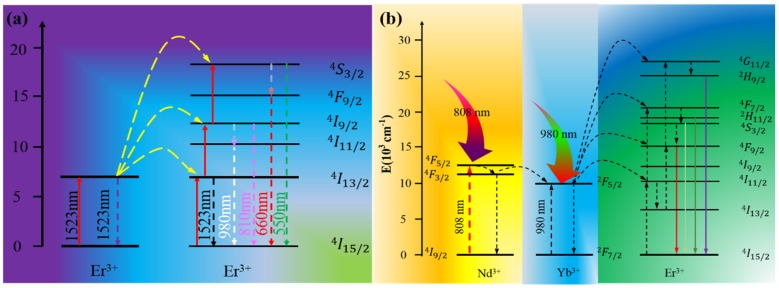
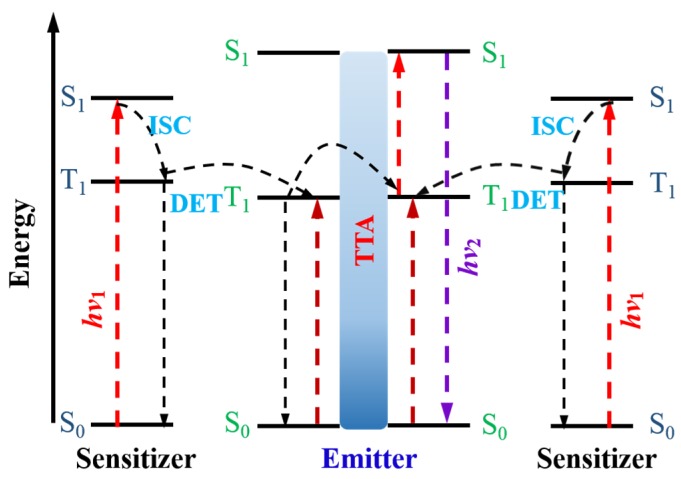
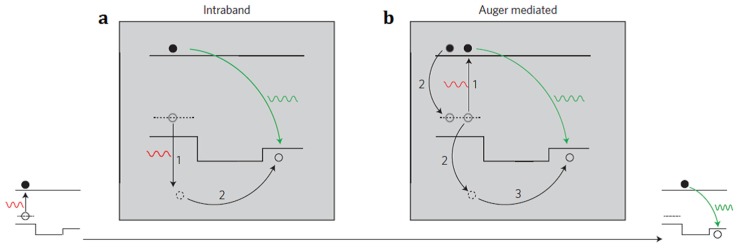
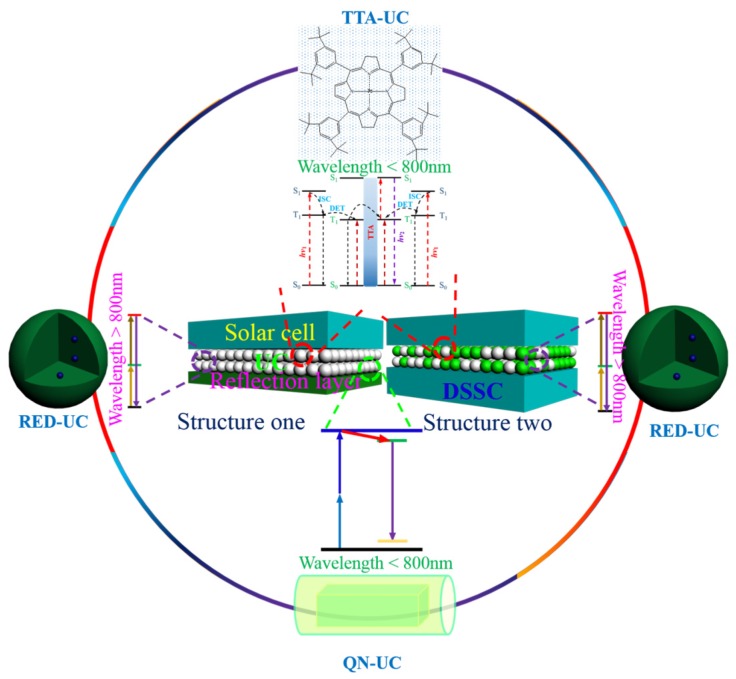
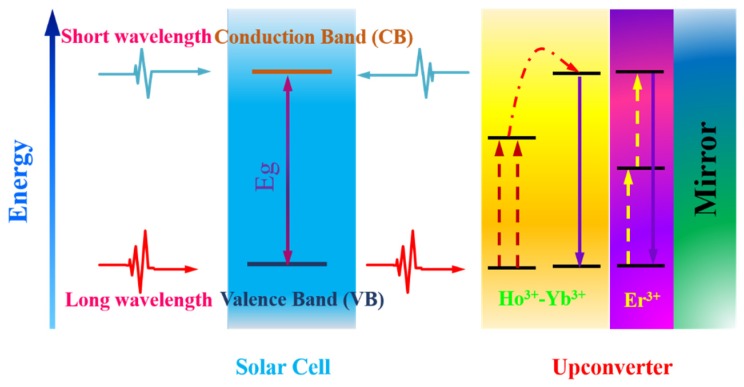
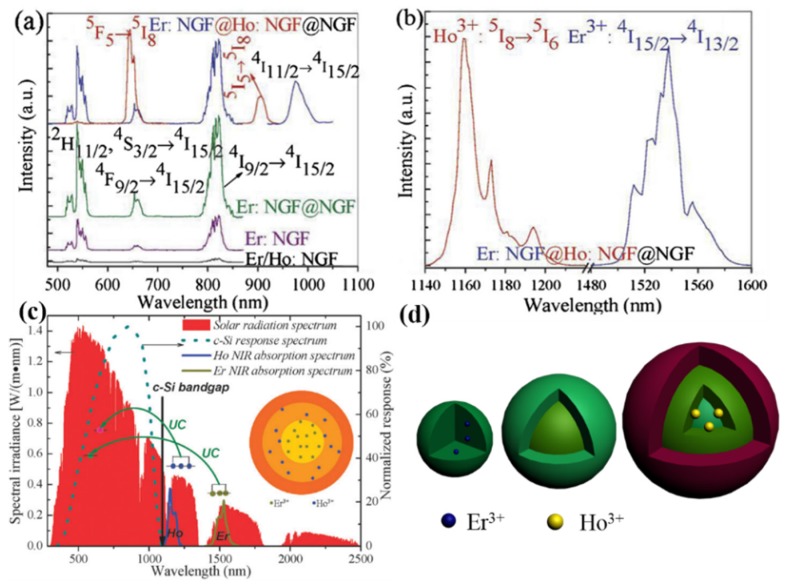
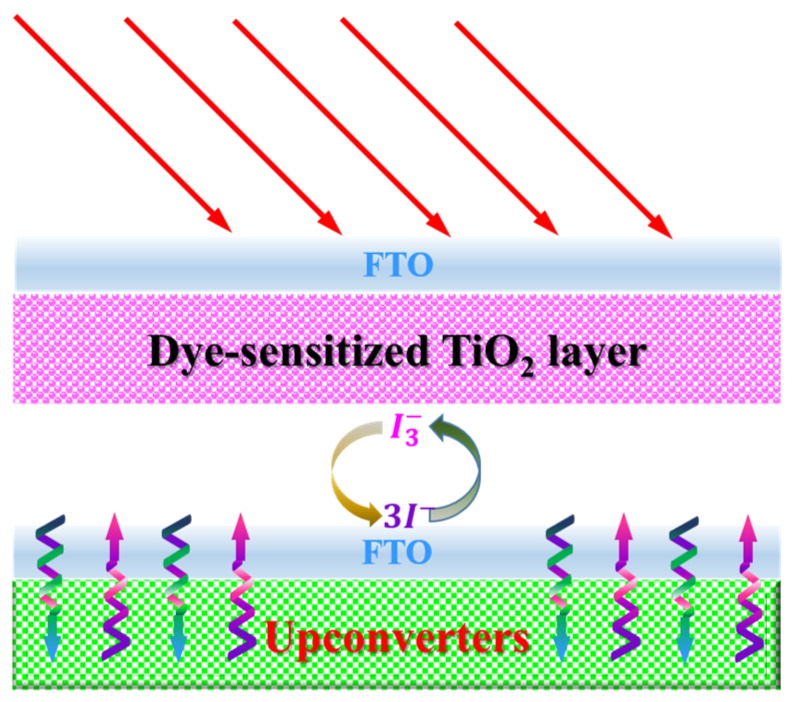
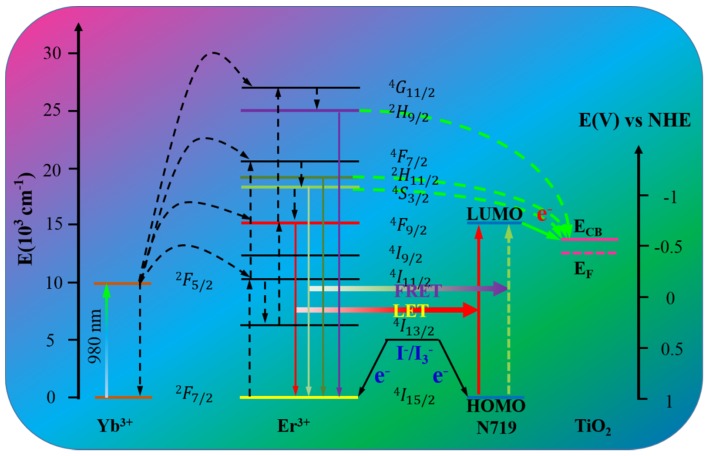
Photovoltaic cells are able to convert sunlight into electricity, providing enough of the most abundant and cleanest energy to cover our energy needs. However, the efficiency of current photovoltaics is significantly impeded by the transmission loss of sub-band-gap photons. Photon upconversion is a promising route to circumvent this problem by converting these transmitted sub-band-gap photons into above-band-gap light, where solar cells typically have high quantum efficiency. Here, we summarize recent progress on varying types of efficient upconversion materials as well as their outstanding uses in a series of solar cells, including silicon solar cells (crystalline and amorphous), gallium arsenide (GaAs) solar cells, dye-sensitized solar cells, and other types of solar cells. The challenge and prospect of upconversion materials for photovoltaic applications are also discussed.
光伏电池能够将阳光转化为电能,提供足够丰富且最清洁的能源来满足我们的能源需求。然而,当前光伏技术的效率受到子带隙光子传输损耗的显著阻碍。光子上转换是一种很有前景的途径,通过将这些透射的子带隙光子转换为带隙以上的光来规避这一问题,而太阳能电池在带隙以上通常具有较高的量子效率。在此,我们总结了不同类型高效上转换材料的最新进展,以及它们在一系列太阳能电池中的出色应用,包括硅太阳能电池(晶体和非晶体)、砷化镓(GaAs)太阳能电池、染料敏化太阳能电池以及其他类型的太阳能电池。还讨论了上转换材料在光伏应用中的挑战与前景。