Cherabuddi Kartikeya, Iovine Nicole M, Shah Kairav, White Sarah K, Paisie Taylor, Salemi Marco, Morris J Glenn, Lednicky John A
Division of Infectious Diseases and Global Health, Department of Medicine, College of Medicine, University of Florida , Gainesville, FL , USA.
Division of Infectious Diseases and Global Health, Department of Medicine, College of Medicine, University of Florida, Gainesville, FL, USA; Emerging Pathogens Institute, University of Florida, Gainesville, FL, USA.
JMM Case Rep. 2016 Dec 19;3(6):e005072. doi: 10.1099/jmmcr.0.005072. eCollection 2016 Dec.
(ZIKV) and (CHIKV) can share the same mosquito vector, and co-infections by these viruses can occur in humans. While infections with these viruses share commonalities, CHIKV is unique in causing arthritis and arthralgias that may persist for a year or more. These infections are commonly diagnosed by RT-PCR-based methods during the acute phase of infection. Even with the high specificity and sensitivity characteristic of PCR, false negatives can occur, highlighting the need for additional diagnostic methods for confirmation.
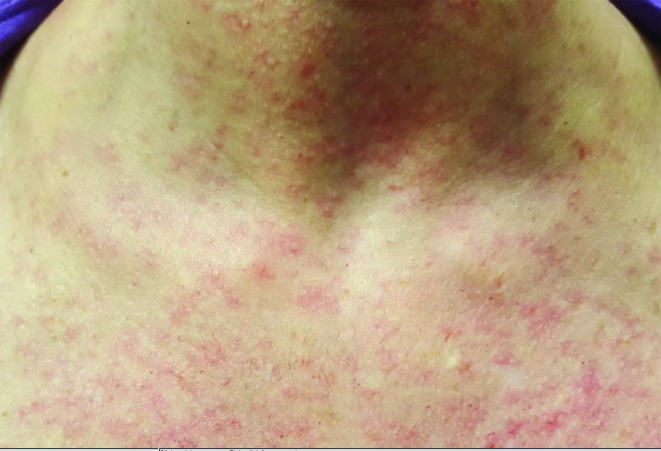
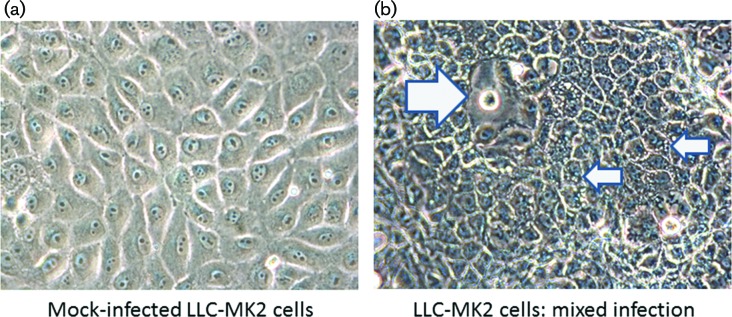
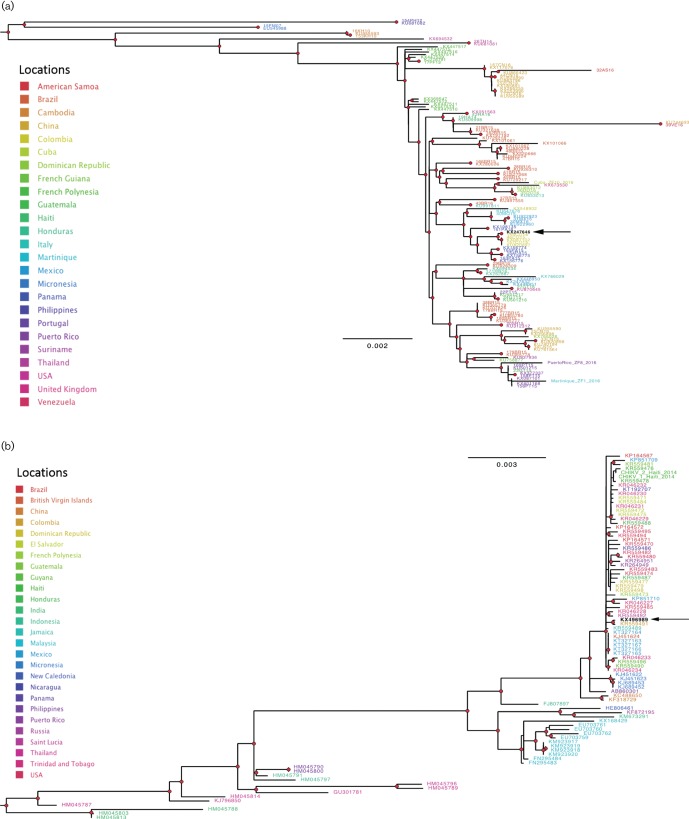
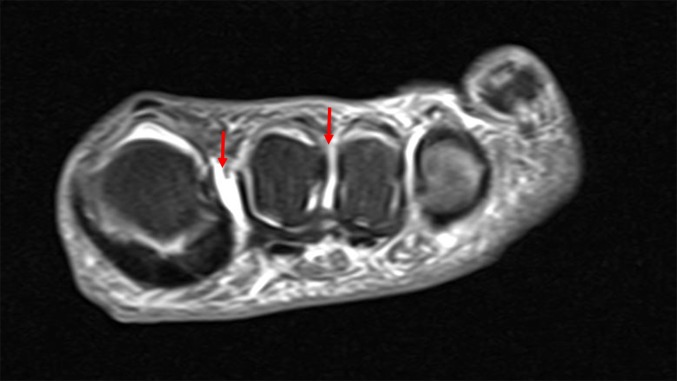
On her return to the USA, a traveller to Colombia, South America developed an illness consistent with Zika, Chikungunya and/or Dengue. RT-PCR of her samples was positive only for ZIKV. However, arthralgias persisted for months, raising concerns about co-infection with CHIKV or viruses. Cell cultures inoculated with her original clinical samples demonstrated two types of cytopathic effects, and both ZIKV and CHIKV were identified in the supernatants. On phylogenetic analyses, both viruses were found to be related to strains found in Colombia.
These findings highlight the need to consider CHIKV co-infection in patients with prolonged rheumatological symptoms after diagnosis with ZIKV, and the usefulness of cell culture as an amplification step for low-viremia blood and other samples.
寨卡病毒(ZIKV)和基孔肯雅病毒(CHIKV)可共享同一蚊虫媒介,人类可能会发生这两种病毒的共同感染。虽然感染这两种病毒有一些共同之处,但基孔肯雅病毒在引发可能持续一年或更长时间的关节炎和关节痛方面具有独特性。在感染急性期,这些感染通常通过基于逆转录聚合酶链反应(RT-PCR)的方法进行诊断。即便PCR具有高特异性和敏感性,但仍可能出现假阴性结果,这凸显了需要额外的诊断方法来进行确认。
一名前往南美洲哥伦比亚的旅行者返回美国后,出现了与寨卡、基孔肯雅和/或登革热相符的病症。对其样本进行的RT-PCR检测仅显示寨卡病毒呈阳性。然而,关节痛持续了数月,这引发了对其合并感染基孔肯雅病毒或其他病毒的担忧。用其原始临床样本接种的细胞培养显示出两种细胞病变效应,并且在上清液中鉴定出了寨卡病毒和基孔肯雅病毒。在系统发育分析中,发现这两种病毒均与在哥伦比亚发现的毒株有关。
这些发现凸显了对于诊断为寨卡病毒感染后出现长期风湿症状的患者,需要考虑合并感染基孔肯雅病毒,以及细胞培养作为低病毒血症血液和其他样本扩增步骤的有用性。