Varasteh-Kojourian Maryam, Abrishamchi Parvaneh, Matin Maryam M, Asili Javad, Ejtehadi Hamid, Khosravitabar Fatemeh
Department of Biology, Faculty of Sciences, Ferdowsi University of Mashhad, Mashhad, Iran.
Department of Biology, Faculty of Sciences, Ferdowsi University of Mashhad, Mashhad, Iran; Cell and Molecular Biotechnology Research Group, Institute of Biotechnology, Ferdowsi University of Mashhad, Mashhad, Iran.
Avicenna J Phytomed. 2017 Mar-Apr;7(2):157-168.
is a traditional medicinal herb which contains different phenol and flavonoid compounds that are responsible for pharmacological effects. We aimed to determine phenol and flavonoid contents, besides antioxidant activities of different extracts from () DC. and () Afan. (endemic species in Iran) and to investigate their effects on human cells.
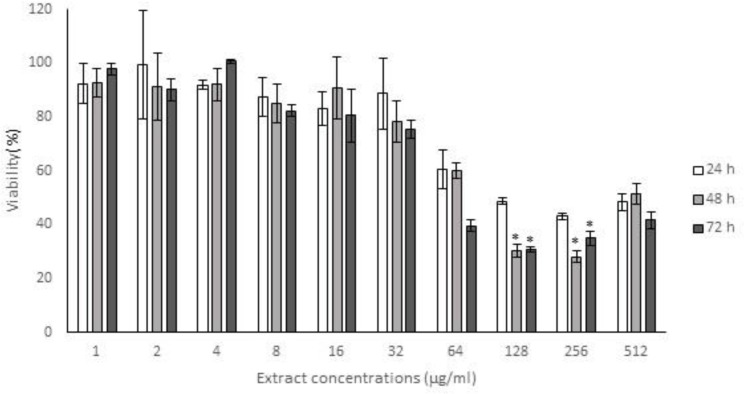
extracts, were prepared by maceration and shaking methods, from different parts (aerial parts, stem, leaves and inflorescence) of two species using methanol and ethanol as solvents. Total phenol and flavonoid contents were measured by spectrophotometry, and antioxidant activities of the extracts were determined by DPPH radical scavenging, BCB and TBARS assays. Cytotoxicity and antioxidant activities of the extracts were investigated in Human Foreskin Fibroblast (HFF3) cells using MTT, comet and HO assays.
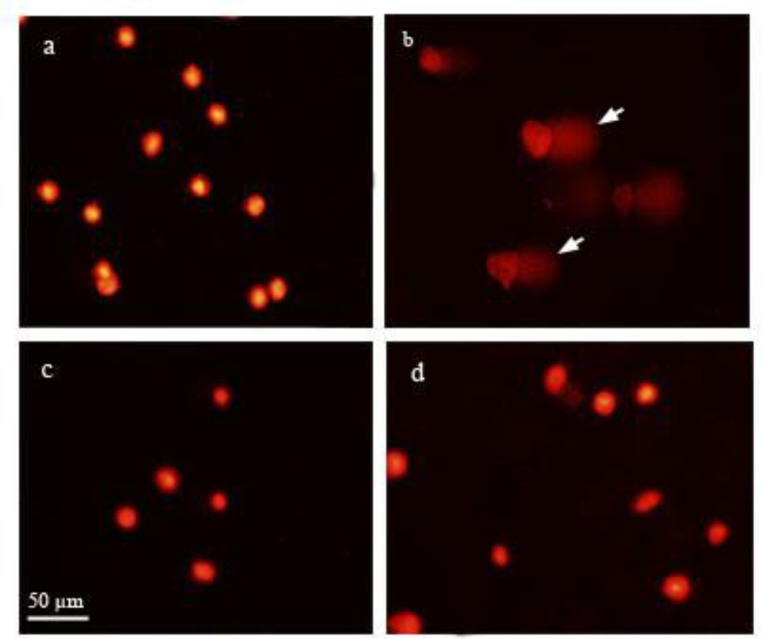
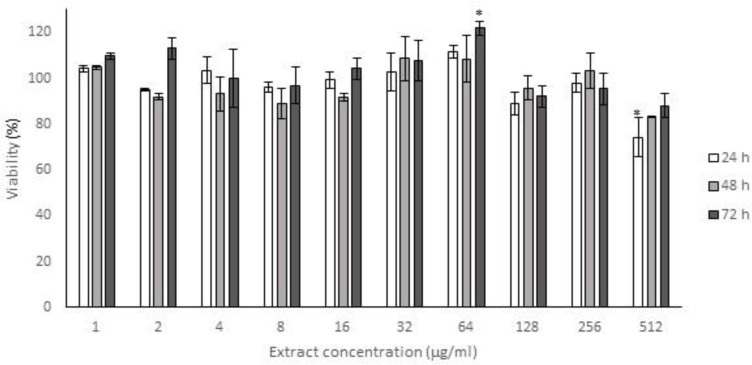
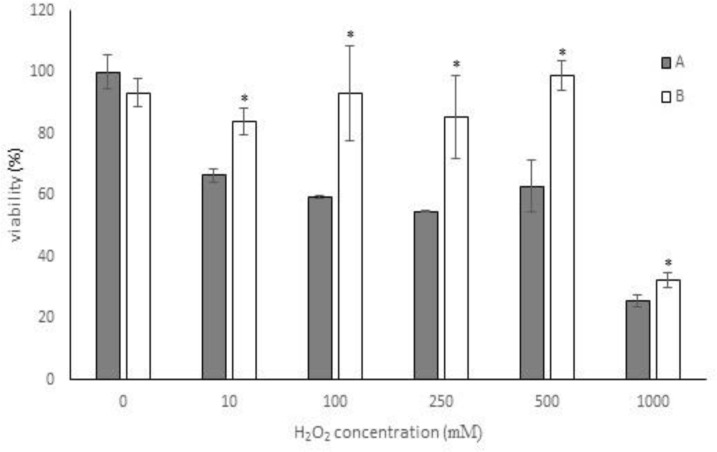
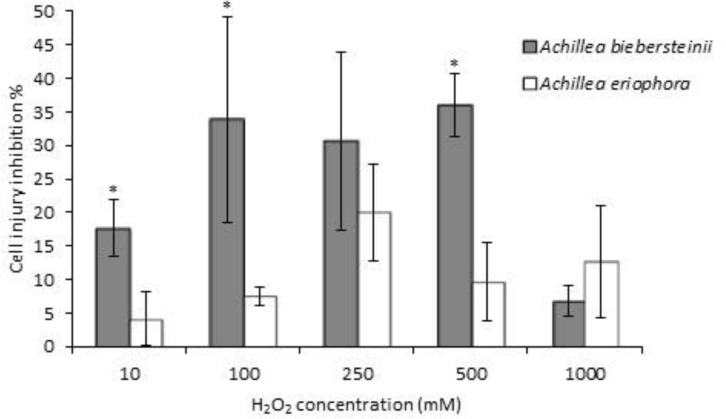
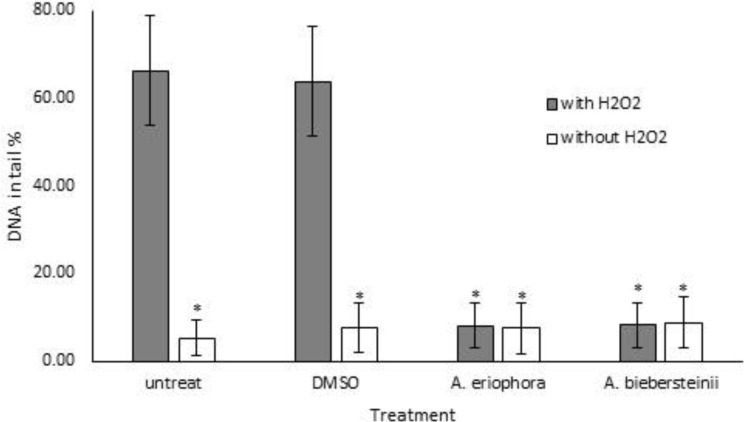
Methanol extracts of prepared from leaves and inflorescence by maceration method exhibited maximum phenol (1657.58 ± 36.45 mg GAE/100 g DW) and flavonoid (264.00 ± 62.16 mg QUE/100 g DW) contents. Leaf methanol extract showed significantly higher antioxidant activity (0.0276 ± 0.003, 0.16 ± 0.016 and 13.96 ± 0.26 mg/ml for DPPH, BCB and TBARS IC50s, respectively) than those of the other extracts. Leaf extract of was not cytotoxic even at the highest examined dose (512 µg/ml) and inhibited cell toxicity induced by HO (98% viability for the cells pretreated with plant extract in the presence of HO). Comet assay also confirmed high DNA protective activity of leaf extracts.
extracts possess remarkable antioxidant activity, and could be good natural alternatives to synthetic antioxidants in pharmaceutical and food industries.
[植物名称]是一种传统草药,含有多种酚类和黄酮类化合物,这些化合物具有药理作用。我们旨在测定[两种植物名称](伊朗特有物种)不同提取物中的酚类和黄酮类含量及其抗氧化活性,并研究它们对人体细胞的影响。
以甲醇和乙醇为溶剂,通过浸渍法和振荡法从两种植物的不同部位(地上部分、茎、叶和花序)制备提取物。采用分光光度法测定总酚和黄酮含量,通过DPPH自由基清除法、BCB法和TBARS法测定提取物的抗氧化活性。使用MTT法、彗星试验和HO法在人包皮成纤维细胞(HFF3)中研究提取物的细胞毒性和抗氧化活性。
通过浸渍法从叶和花序制备的[植物名称]甲醇提取物表现出最高的酚类(1657.58±36.45 mg GAE/100 g DW)和黄酮类(264.00±62.16 mg QUE/100 g DW)含量。叶甲醇提取物的抗氧化活性显著高于其他提取物(DPPH、BCB和TBARS的IC50分别为0.0276±0.003、0.16±0.016和13.96±0.26 mg/ml)。[植物名称]的叶提取物即使在最高检测剂量(512 µg/ml)下也没有细胞毒性,并抑制了由HO诱导的细胞毒性(在HO存在下,用植物提取物预处理的细胞存活率为98%)。彗星试验也证实了叶提取物具有高DNA保护活性。
[植物名称]提取物具有显著的抗氧化活性,在制药和食品工业中可能是合成抗氧化剂的良好天然替代品。