Shin Nina, Kwag Taewoo, Park Sangwook, Kim Yon Hui
Graduate School of Business, Seoul National University 1 Gwankak-ro, Gwanak-gu, 08826, Seoul, Republic of Korea.
Executive Director, Healthcare R&D, G-Doc Partners 78, Donggwang-ro 27-gil, Seocho-gu, 06582, Seoul, Republic of Korea.
J Theor Biol. 2017 May 21;421:39-50. doi: 10.1016/j.jtbi.2017.03.020. Epub 2017 Mar 27.
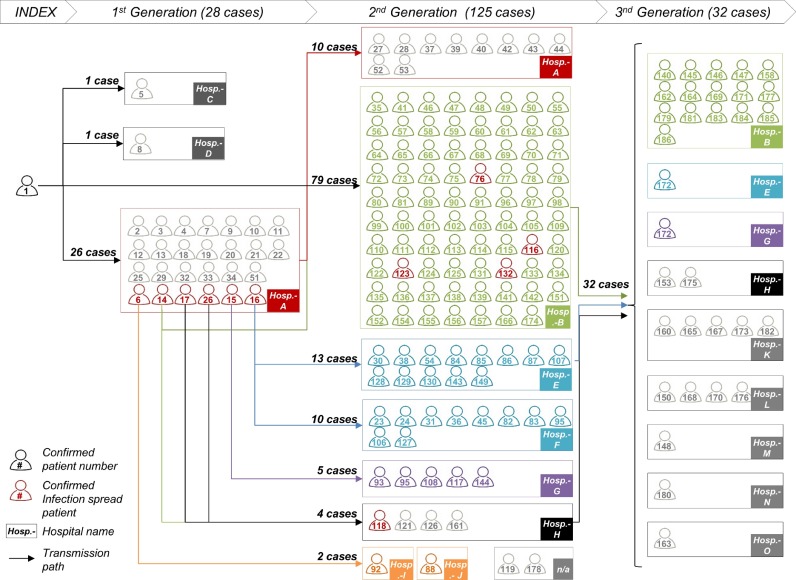
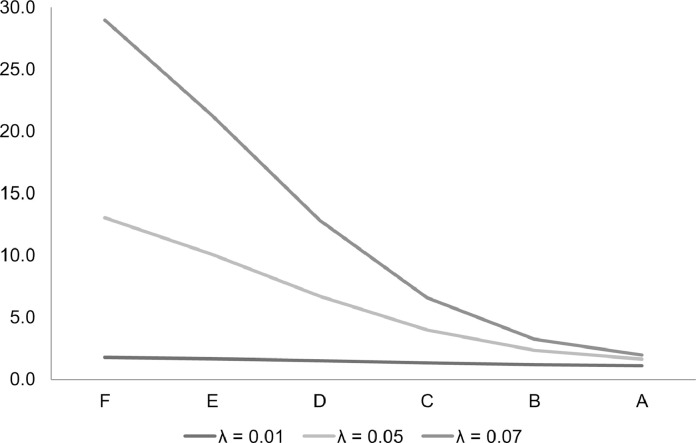
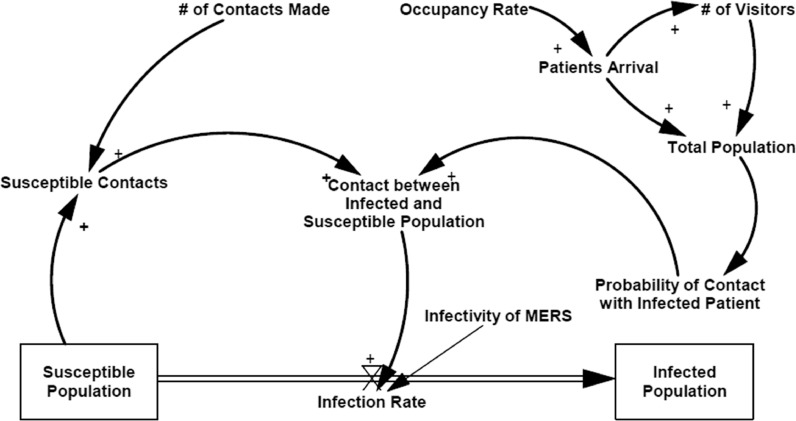
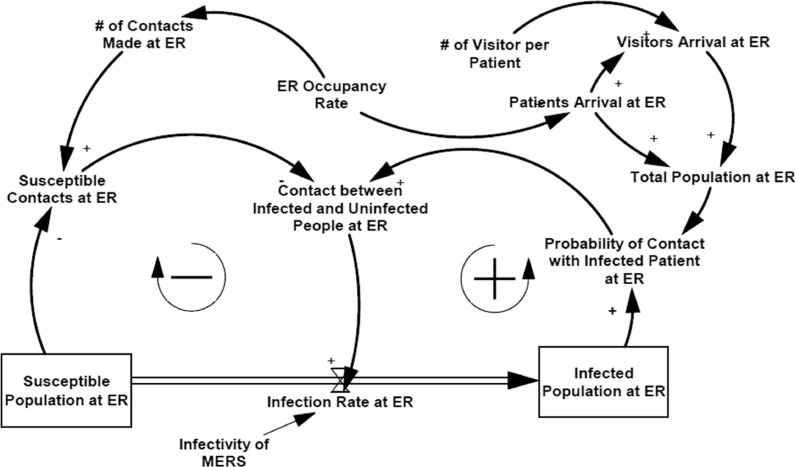
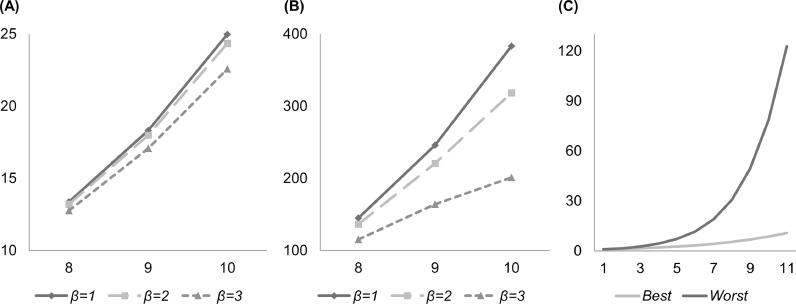
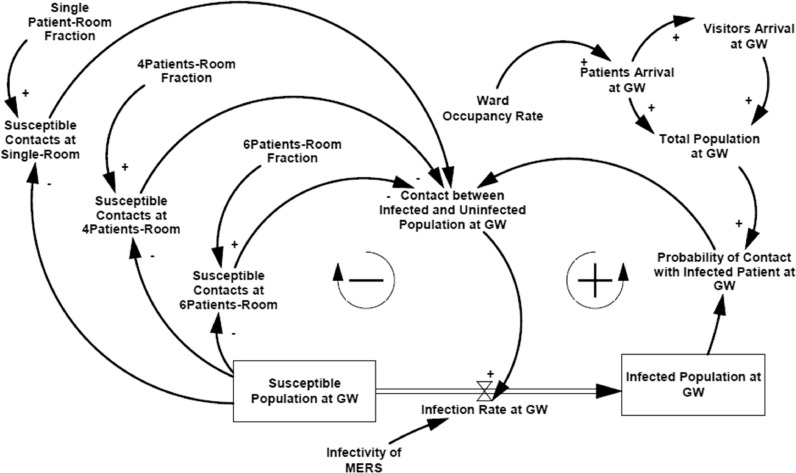
We evaluated the nosocomial outbreak of Middle East Respiratory Syndrome (MERS) Coronavirus (CoV) in the Republic of Korea, 2015, from a healthcare operations management perspective. Establishment of healthcare policy in South Korea provides patients' freedom to select and visit multiple hospitals. Current policy enforces hospitals preference for multi-patient rooms to single-patient rooms, to lower financial burden. Existing healthcare systems tragically contributed to 186 MERS outbreak cases, starting from single "index patient" into three generations of secondary infections. By developing a macro-level health system dynamics model, we provide empirical knowledge to examining the case from both operational and financial perspectives. In our simulation, under base infectivity scenario, high emergency room occupancy circumstance contributed to an estimated average of 101 (917%) more infected patients, compared to when in low occupancy circumstance. Economic patient room design showed an estimated 702% increase in the number of infected patients, despite the overall 98% savings in total expected costs compared to optimal room design. This study provides first time, system dynamics model, performance measurements from an operational perspective. Importantly, the intent of this study was to provide evidence to motivate public, private, and government healthcare administrators' recognition of current shortcomings, to optimize performance as a whole system, rather than mere individual aspects.
我们从医疗运营管理的角度评估了2015年韩国中东呼吸综合征(MERS)冠状病毒(CoV)的医院内暴发情况。韩国医疗政策的制定赋予了患者选择并就诊于多家医院的自由。当前政策要求医院优先选择多人间而非单人间,以减轻经济负担。现有的医疗系统不幸地导致了186例MERS暴发病例,从单一的“索引患者”开始,引发了三代继发感染。通过建立一个宏观层面的卫生系统动力学模型,我们从运营和财务两个角度为审视该病例提供了实证知识。在我们的模拟中,在基本感染性情景下,与低占用情况相比,急诊室高占用情况导致估计平均多出现101例(917%)感染患者。经济型病房设计显示,尽管与最优病房设计相比总预期成本节省了98%,但感染患者数量估计增加了702%。本研究首次从运营角度提供了系统动力学模型和绩效衡量。重要的是,本研究的目的是提供证据,促使公共、私立和政府医疗管理人员认识到当前的不足,以优化整个系统的绩效,而不仅仅是个别方面。