van de Hoef Tim P, Echavarría-Pinto Mauro, Escaned Javier, Piek Jan J
AMC Heart Center, Academic Medical Center - University of Amsterdam, Room B2-250, Meibergdreef 9, 1105 AZ, Amsterdam, The Netherlands.
Department of Cardiology, ISSSTE General Hospital, Querétaro, Mexico.
Int J Cardiovasc Imaging. 2017 Jul;33(7):1033-1039. doi: 10.1007/s10554-017-1125-z. Epub 2017 Mar 28.
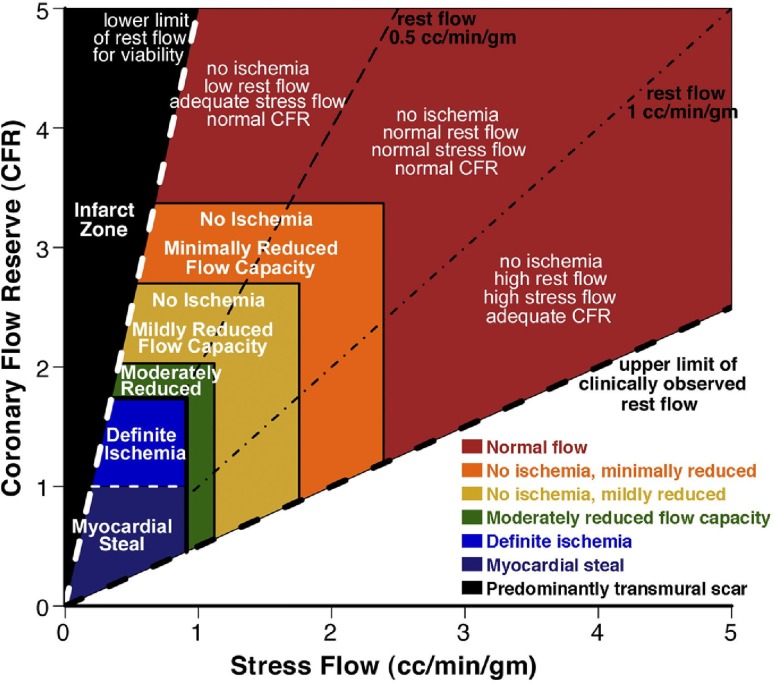
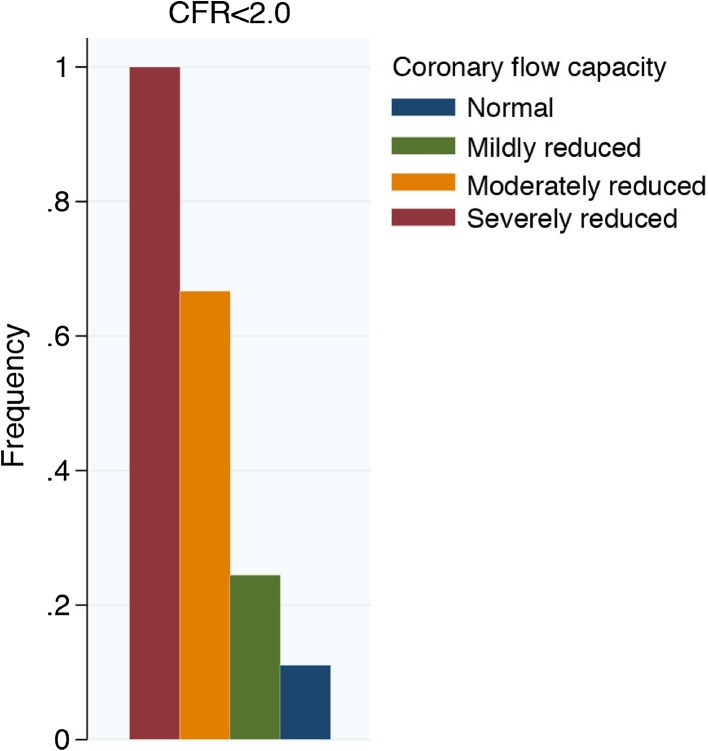
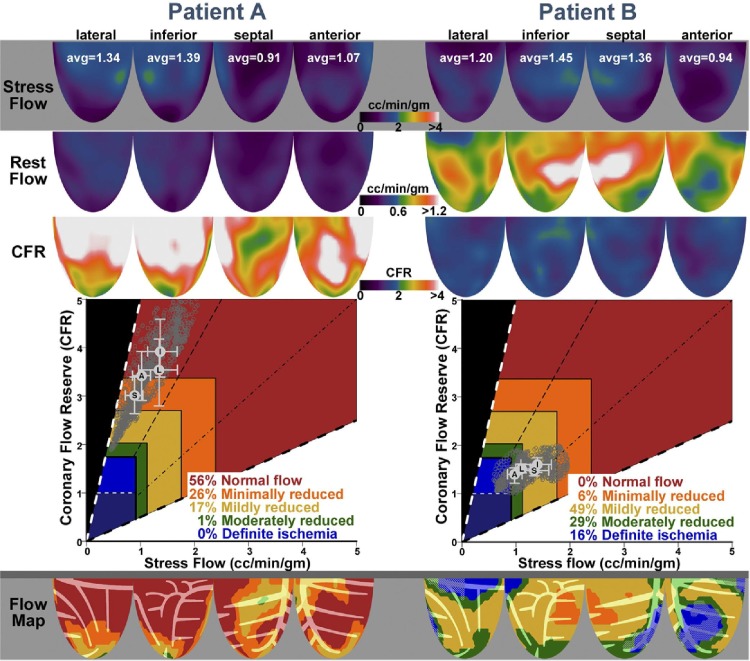
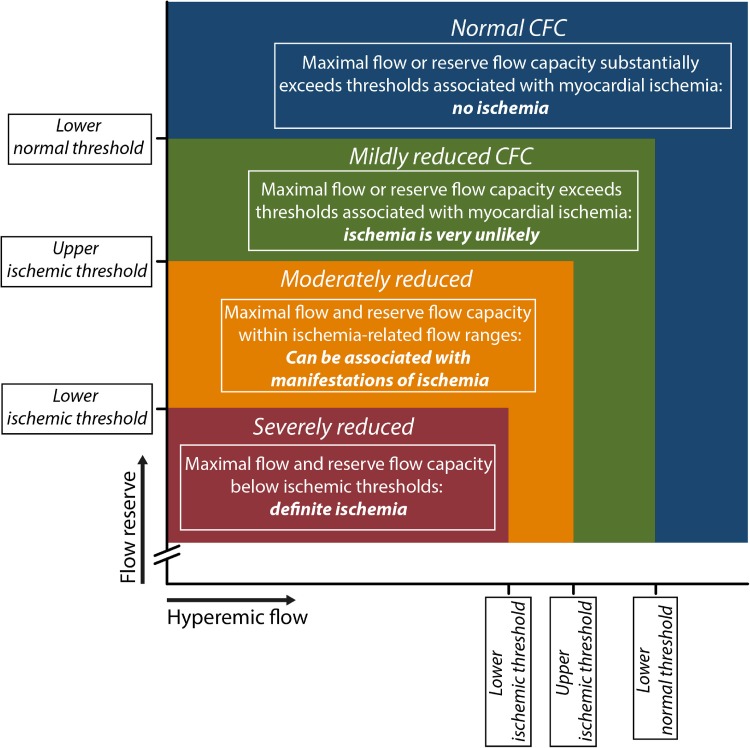
The vasodilator capacity of the coronary circulation is an important diagnostic and prognostic characteristic, and its accurate assessment is therefore an important frontier. The coronary flow capacity (CFC) concept was introduced to overcome the limitations associated with the use of coronary flow reserve (CFR) for this purpose, which are related to the sensitivity of CFR to physiological alterations in systemic and coronary hemodynamics. CFC was developed from positron emission tomography, and was subsequently extrapolated to invasive coronary physiology. These studies suggest that CFC is a robust framework for the identification of clinically relevant coronary flow abnormalities, and improves identification of patients at risk for adverse events over the use of CFR alone. This Review will discuss the concept of CFC, its promises in the setting of ischaemic heart disease, and its challenges both in theoretical and practical terms.
冠状动脉循环的血管舒张能力是一项重要的诊断和预后特征,因此其准确评估是一个重要的前沿领域。为此引入了冠状动脉血流容量(CFC)概念,以克服使用冠状动脉血流储备(CFR)的相关局限性,这些局限性与CFR对全身和冠状动脉血流动力学生理变化的敏感性有关。CFC由正电子发射断层扫描发展而来,随后被外推至有创冠状动脉生理学。这些研究表明,CFC是识别临床相关冠状动脉血流异常的有力框架,与单独使用CFR相比,能更好地识别有不良事件风险的患者。本综述将讨论CFC的概念、其在缺血性心脏病中的前景以及在理论和实践方面面临的挑战。