Meyer Stephanie K, Probert Philip M E, Lakey Anne F, Axon Andrew R, Leitch Alistair C, Williams Faith M, Jowsey Paul A, Blain Peter G, Kass George E N, Wright Matthew C
Institute Cellular Medicine, Newcastle University, Newcastle Upon Tyne, United Kingdom.
European Food Safety Authority, Via Carlo Magno 1A, 43126 Parma, Italy.
Toxicol Lett. 2017 May 5;273:55-68. doi: 10.1016/j.toxlet.2017.03.024. Epub 2017 Mar 27.
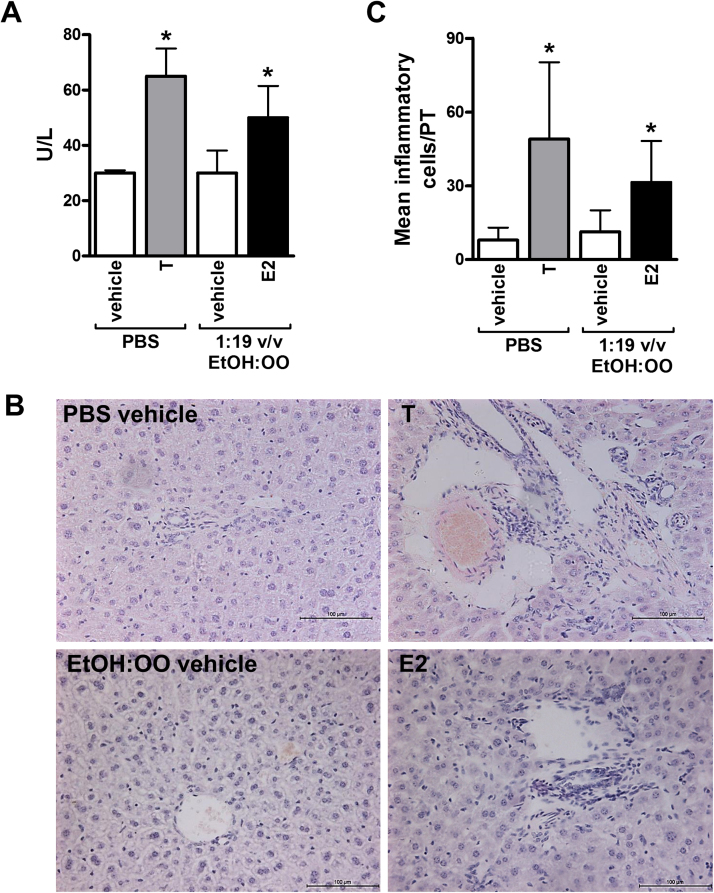
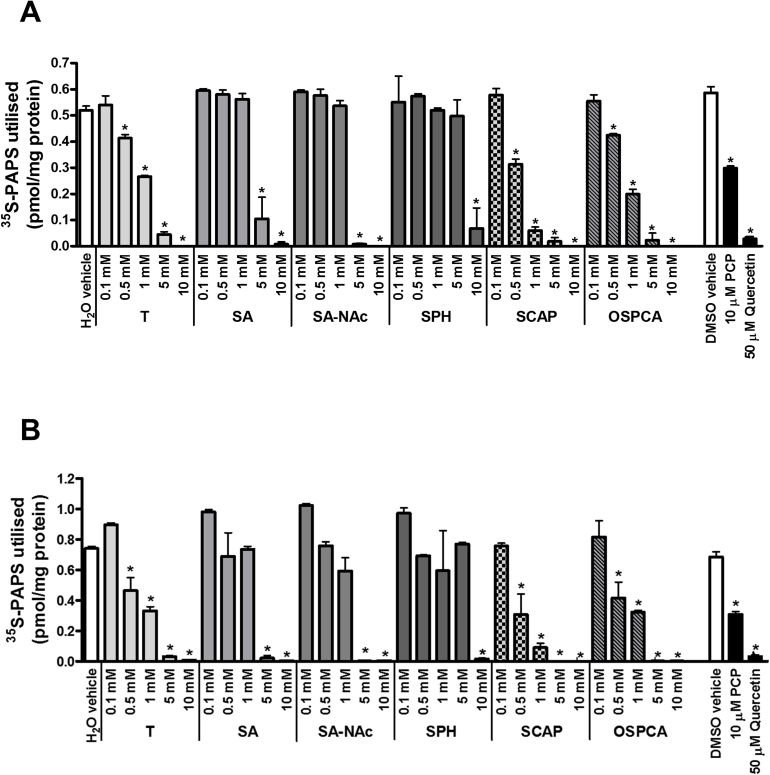
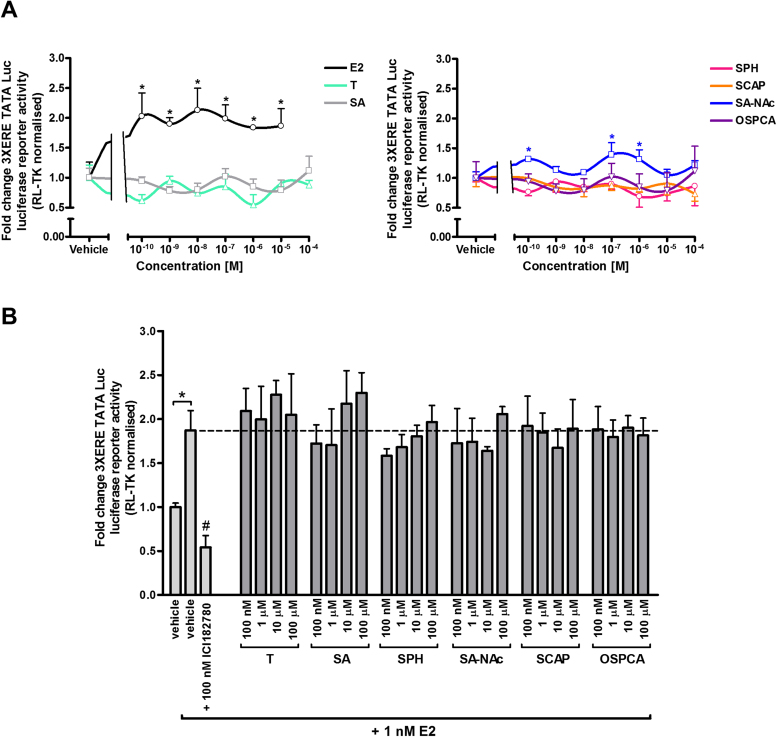
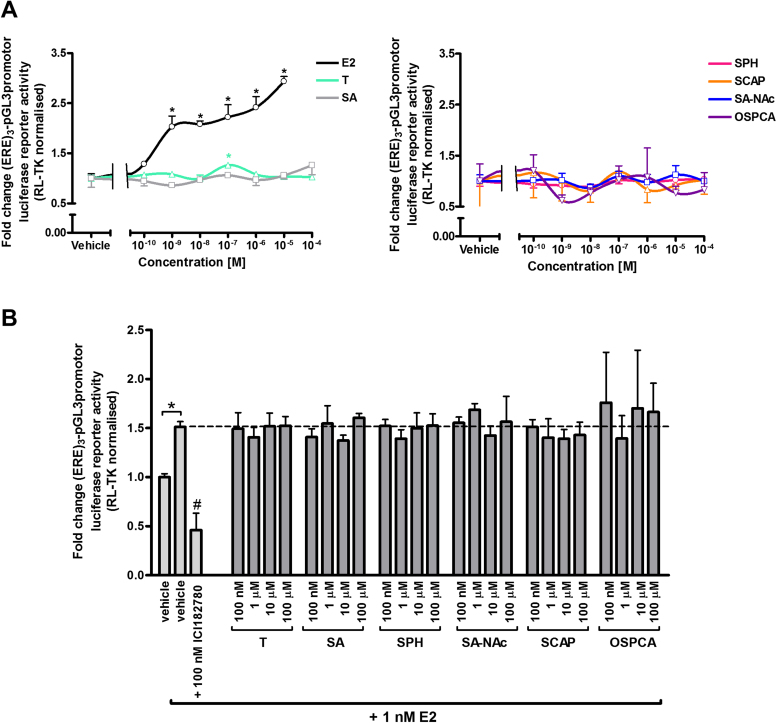
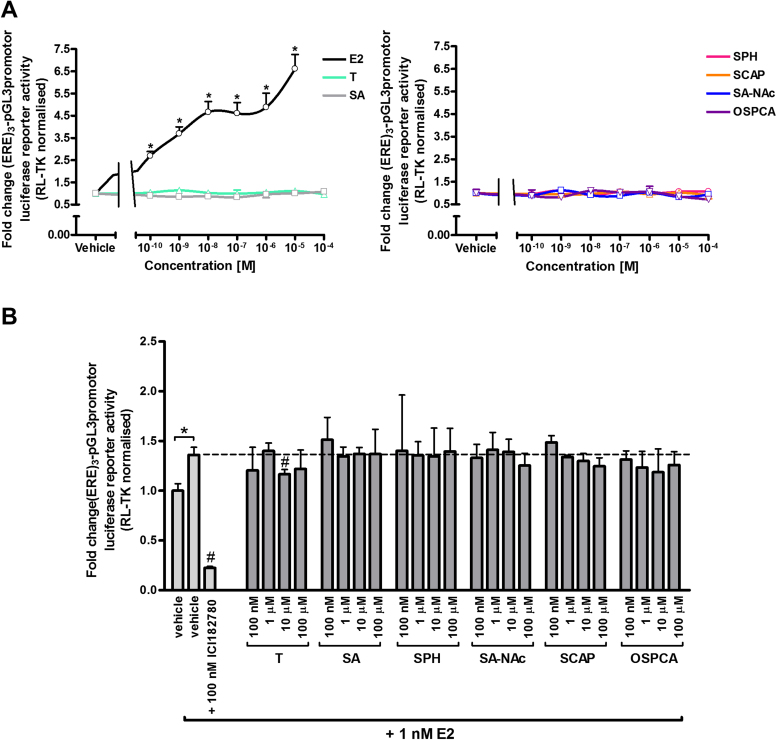
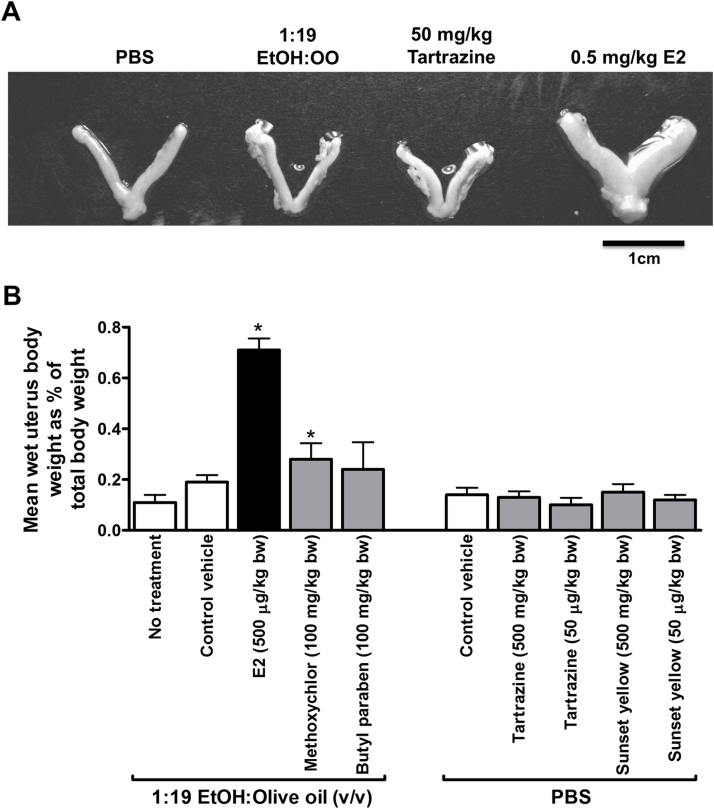
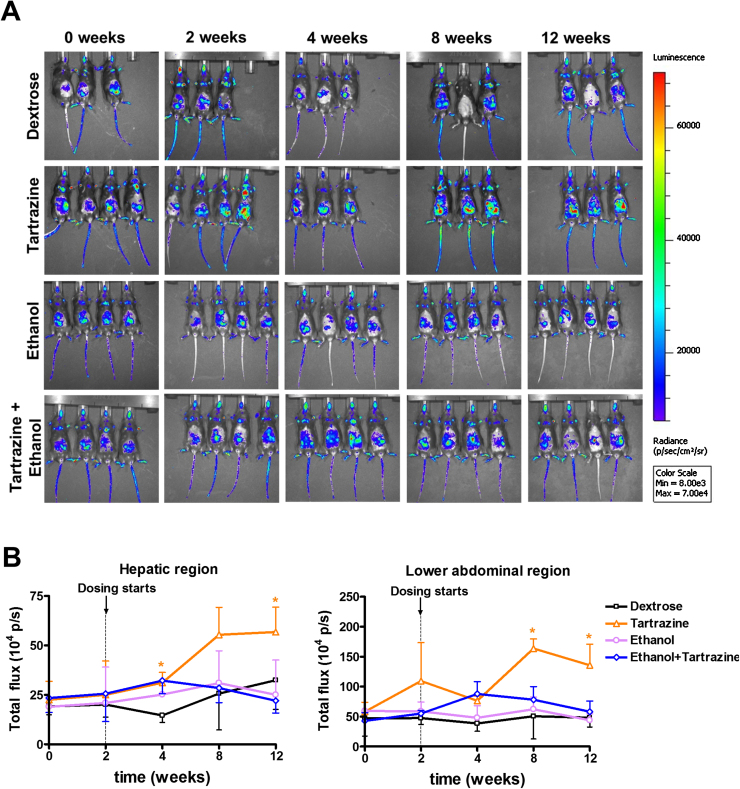
Tartrazine is a food colour that activates the transcriptional function of the human oestrogen receptor alpha in an in vitro cell model. Since oestrogens are cholestatic, we hypothesised tartrazine will cause periportal injury to the liver in vivo. To test this hypothesis, tartrazine was initially administered systemically to mice resulting in a periportal recruitment of inflammatory cells, increased serum alkaline phosphatase activity and mild periportal fibrosis. To determine whether an oestrogenic effect may be a key event in this response, tartrazine, sulphonated metabolites and a food additive contaminant were screened for their ability to interact with murine oestrogen receptors. In all cases, there were no interactions as agonists or antagonists and further, no oestrogenicity was observed with tartrazine in an in vivo uterine growth assay. To examine the relevance of the hepatic effects of tartrazine to its use as a food additive, tartrazine was orally administered to transgenic NF-κB-Luc mice. Pre- and concurrent oral treatment with alcohol was incorporated given its potential to promote gut permeability and hepatic inflammation. Tartrazine alone induced NF- κB activities in the colon and liver but there was no periportal recruitment of inflammatory cells or fibrosis. Tartrazine, its sulphonated metabolites and the contaminant inhibited sulphotransferase activities in murine hepatic S9 extracts. Given the role of sulfotransferases in bile acid excretion, the initiating event giving rise to periportal inflammation and subsequent hepatic pathology through systemic tartrazine exposure is therefore potentially associated an inhibition of bile acid sulphation and excretion and not on oestrogen receptor-mediated transcriptional function. However, these effects were restricted to systemic exposures to tartrazine and did not occur to any significant effect after oral exposure.
柠檬黄是一种食用色素,在体外细胞模型中可激活人雌激素受体α的转录功能。由于雌激素具有致胆汁淤积作用,我们推测柠檬黄在体内会导致肝脏门周损伤。为验证这一假设,首先对小鼠进行柠檬黄全身给药,结果导致门周炎症细胞募集、血清碱性磷酸酶活性增加以及轻度门周纤维化。为确定雌激素效应是否可能是这一反应的关键事件,对柠檬黄、其磺化代谢产物和一种食品添加剂污染物与小鼠雌激素受体相互作用的能力进行了筛选。在所有情况下,它们均未表现出作为激动剂或拮抗剂的相互作用,此外,在体内子宫生长试验中未观察到柠檬黄具有雌激素活性。为研究柠檬黄对肝脏的影响与其作为食品添加剂用途的相关性,对转基因NF-κB-荧光素酶小鼠口服给予柠檬黄。鉴于酒精有促进肠道通透性和肝脏炎症的潜在作用,因此同时给予酒精进行口服预处理。单独使用柠檬黄可诱导结肠和肝脏中的NF-κB活性,但未出现门周炎症细胞募集或纤维化。柠檬黄及其磺化代谢产物和污染物可抑制小鼠肝脏S9提取物中的磺基转移酶活性。鉴于磺基转移酶在胆汁酸排泄中的作用,因此通过全身暴露于柠檬黄引发门周炎症和随后肝脏病理改变的起始事件可能与胆汁酸硫酸化和排泄的抑制有关,而非雌激素受体介导的转录功能。然而,这些效应仅限于全身暴露于柠檬黄的情况,口服暴露后未出现任何显著影响。