Institute Cellular Medicine, Newcastle University, Newcastle Upon Tyne, United Kingdom.
Division of Toxicology, Wageningen University, Tuinlaan 5, 6703HE Wageningen, The Netherlands.
Toxicol Lett. 2016 Jan 22;243:98-110. doi: 10.1016/j.toxlet.2015.12.010. Epub 2015 Dec 29.
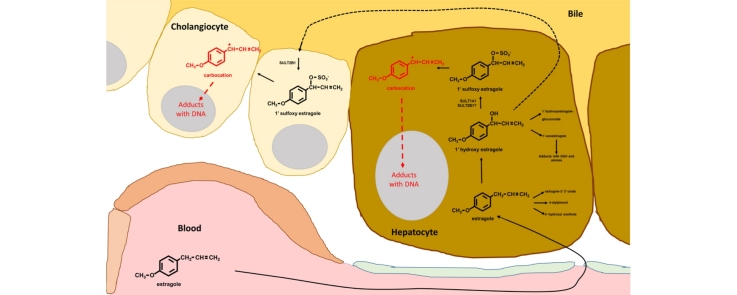
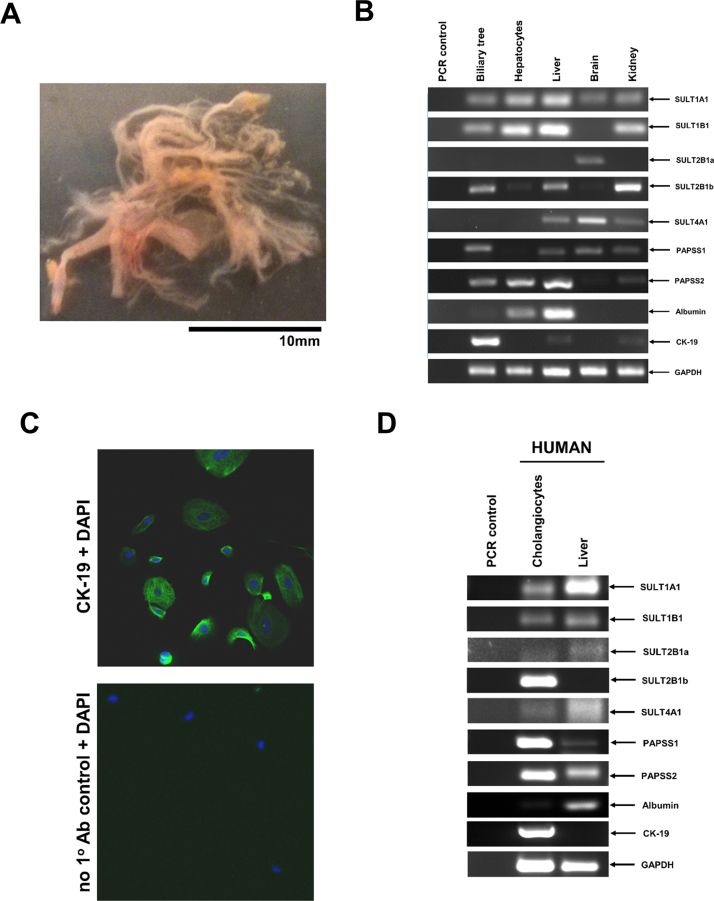
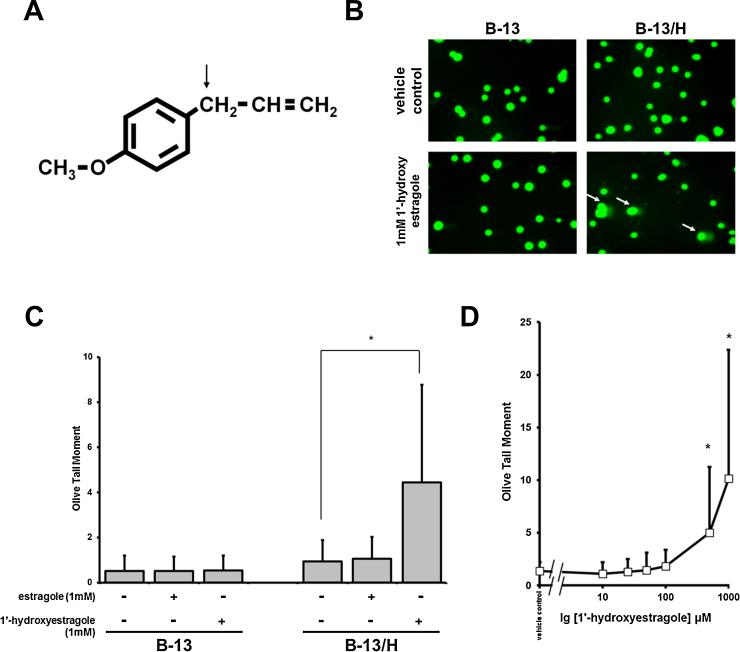
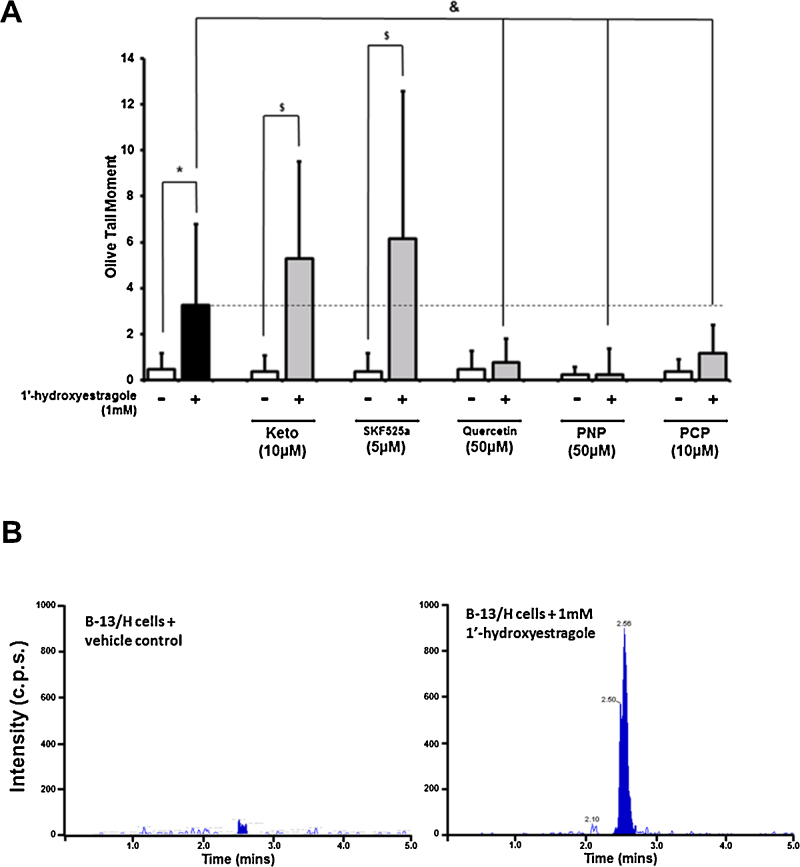
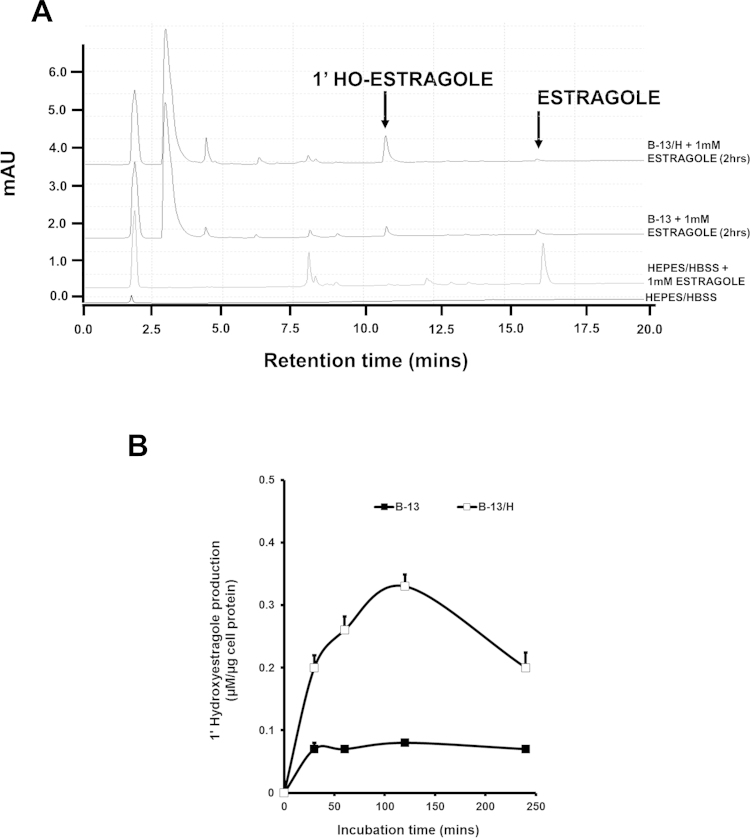
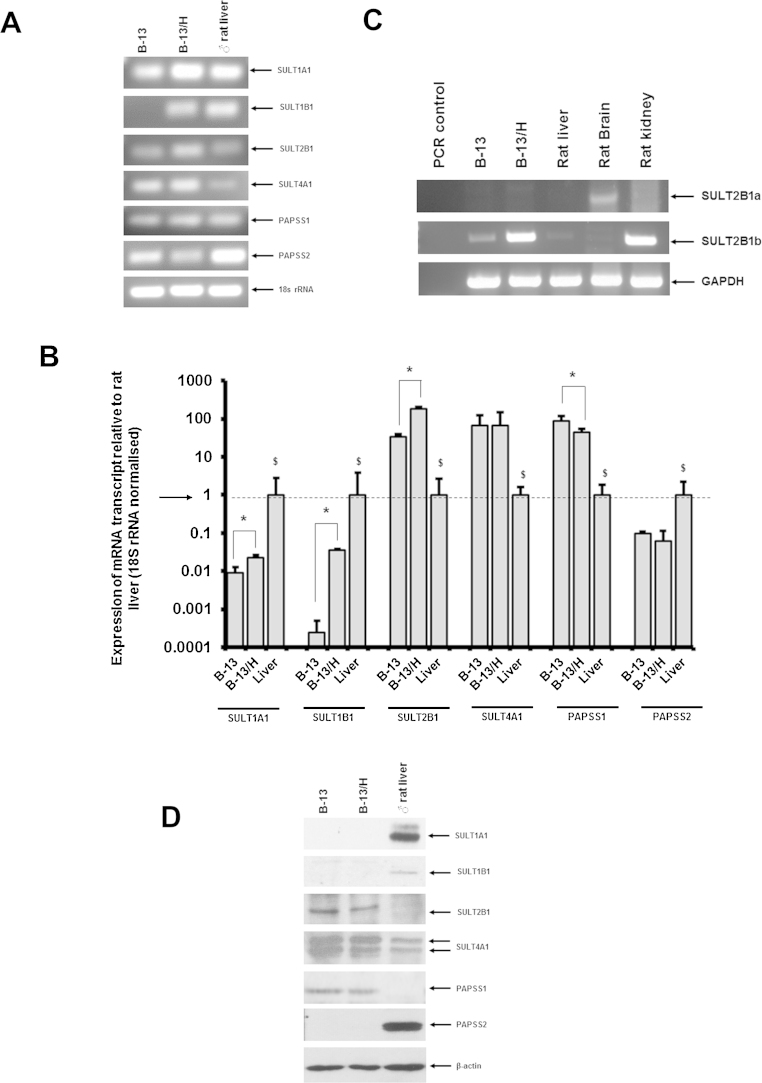
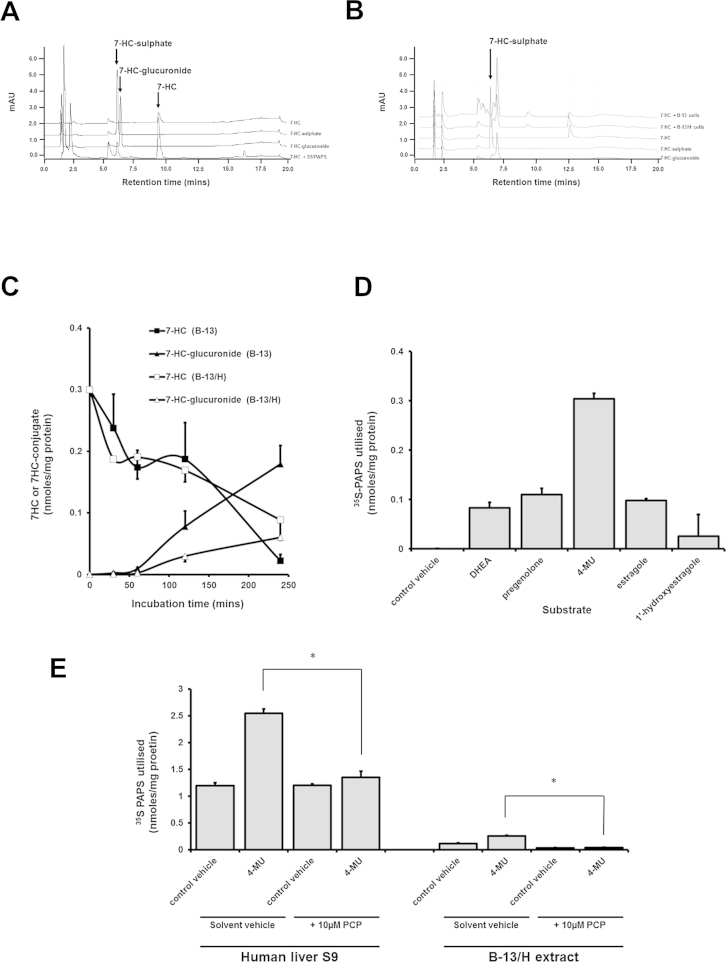
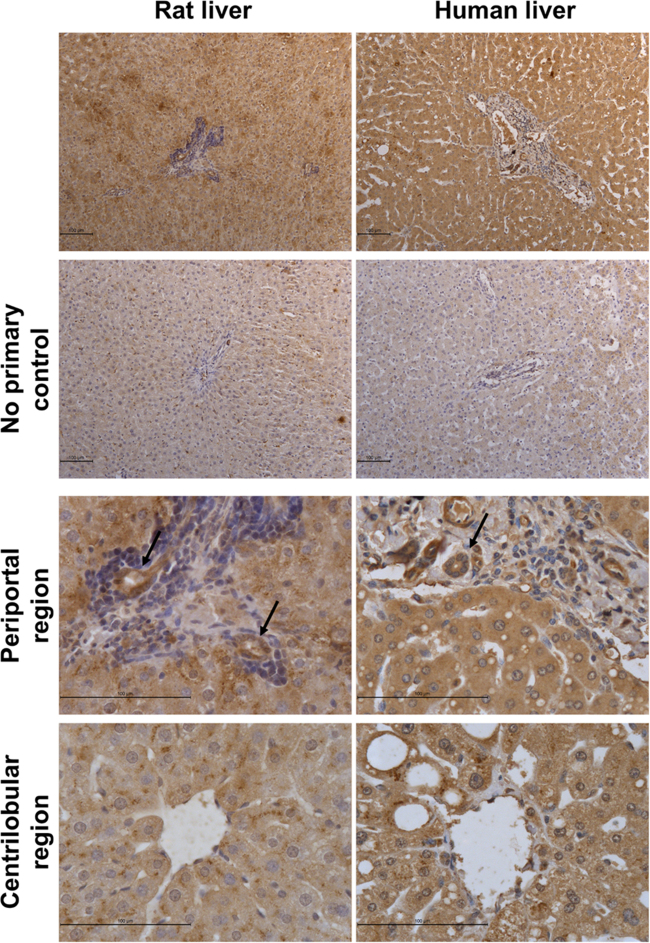
Rat B-13 progenitor cells are readily converted into functional hepatocyte-like B-13/H cells capable of phase I cytochrome P450-dependent activation of pro-carcinogens and induction of DNA damage. The aim of the present study was to investigate whether the cells are also capable of Phase II sulphotransferase (SULT)-dependent activation of a pro-carcinogen to an ultimate carcinogen. To this end we therefore examined the bioactivation of the model hepatic (hepato- and cholangio-) carcinogen estragole and its proximate SULT1A1-activated genotoxic metabolite 1'-hydroxyestragole. Exposing B-13 or B-13/H cells to estragole (at concentrations up to 1mM) resulted in the production of low levels of 1'-hydroxyestragole, but did not result in detectable DNA damage. Exposing B-13/H cells - but not B-13 cells - to 1'-hydroxyestragole resulted in a dose-dependent increase in DNA damage in comet assays, confirmed by detection of N(2)-(trans-isoestragol-3'-yl)-2'-deoxyguanosine adducts. Genotoxicity was inhibited by general SULT inhibitors, supporting a role for SULTS in the activation of 1-hydroxyestragole in B-13/H cells. However, B-13 and B-13/H cells did not express biologically significant levels of SULT1A1 as determined by qRT-PCR, Western blotting and its associated 7-hydroxycoumarin sulphation activity. B-13 and B-13/H cells expressed - relative to intact rat liver - high levels of SULT2B1 (primarily the b isoform) and SULT4A1 mRNAs and proteins. B-13 and B-13/H cells also expressed the 3'-phosphoadenosine 5'-phosphosulphate synthase 1 required for the generation of activated sulphate cofactor 3'-phosphoadenosine 5'-phosphosulphate. However, only B-13/H cells expressed functional SULT activities towards SULT2B1 substrates DHEA, pregnenolone and 4 methylumbelliferone. Since liver progenitor cells are bi-potential and also form cholangiocytes, we therefore hypothesised that B-13 cells express a cholangiocyte-like SULT profile. To test this hypothesis, the expression of SULTs was examined in liver by RT-PCR and immunohistochemistry. SULT2B1 - but not SULT1A1 - was determined to be expressed in both rat and human cholangiocytes. Since 1'-hydroxyestragole exposure readily produced DNA injury in B-13/H cells, these data suggest that cholangiocarcinomas generated in rats fed estragole may be dependent, in part, on SULT2B1 activation of the 1'-hydroxyestragole metabolite.
大鼠 B-13 祖细胞很容易被转化为功能性肝细胞样 B-13/H 细胞,这些细胞能够对 I 相细胞色素 P450 依赖性激活前致癌物和诱导 DNA 损伤。本研究的目的是研究这些细胞是否也能够通过 II 相磺基转移酶 (SULT) 依赖性激活前致癌物生成最终致癌物。为此,我们研究了模型肝(肝细胞和胆管细胞)致癌物茴香脑及其近侧 SULT1A1 激活的遗传毒性代谢物 1'-羟基茴香脑的生物活化作用。将 B-13 或 B-13/H 细胞暴露于茴香脑(高达 1mM)会导致 1'-羟基茴香脑的低水平产生,但不会导致可检测到的 DNA 损伤。将 B-13/H 细胞(而非 B-13 细胞)暴露于 1'-羟基茴香脑会导致彗星试验中 DNA 损伤呈剂量依赖性增加,这一结果通过检测 N(2)-(反式-异茴香脑-3'-基)-2'-脱氧鸟苷加合物得到了证实。通用 SULT 抑制剂抑制了遗传毒性,支持 SULT 在 B-13/H 细胞中激活 1-羟基茴香脑的作用。然而,通过 qRT-PCR、Western 印迹及其相关的 7-羟基香豆素磺化活性测定,B-13 和 B-13/H 细胞并未表达具有生物学意义的 SULT1A1 水平。B-13 和 B-13/H 细胞表达的 SULT2B1(主要是 b 同工型)和 SULT4A1 mRNA 和蛋白水平相对完整的大鼠肝脏表达水平较高。B-13 和 B-13/H 细胞还表达了 3'-磷酸腺苷 5'-磷酸硫酸酯合酶 1,该酶是生成激活硫酸酯辅因子 3'-磷酸腺苷 5'-磷酸硫酸酯所必需的。然而,只有 B-13/H 细胞对 SULT2B1 底物 DHEA、孕烯醇酮和 4-甲基伞形酮表现出功能性 SULT 活性。由于肝祖细胞具有双潜能,并且还形成胆管细胞,因此我们假设 B-13 细胞表达胆管细胞样 SULT 谱。为了验证这一假设,我们通过 RT-PCR 和免疫组织化学法检测了肝脏中的 SULT 表达。SULT2B1-而非 SULT1A1-被确定在大鼠和人胆管细胞中均有表达。由于 1'-羟基茴香脑暴露很容易在 B-13/H 细胞中产生 DNA 损伤,这些数据表明,喂食茴香脑的大鼠中生成的胆管癌可能部分依赖于 SULT2B1 对 1'-羟基茴香脑代谢物的激活。