Gonçalves Mota Maria Paula, Santos Zirlene, Soares Jorge, Pereira Ana, Fonseca Sandra, Peixoto Francisco, Gaivão Isabel, Oliveira Maria
Research Centre in Sports, Health and Human Development, Vila Real, Portugal; University of Trás-os-Montes e Alto Douro, Vila Real, Portugal.
Research Centre in Sports, Health and Human Development, Vila Real, Portugal; Faculty Metodista Granbery, Juiz de Fora, Brazil.
Front Endocrinol (Lausanne). 2017 Mar 16;8:48. doi: 10.3389/fendo.2017.00048. eCollection 2017.
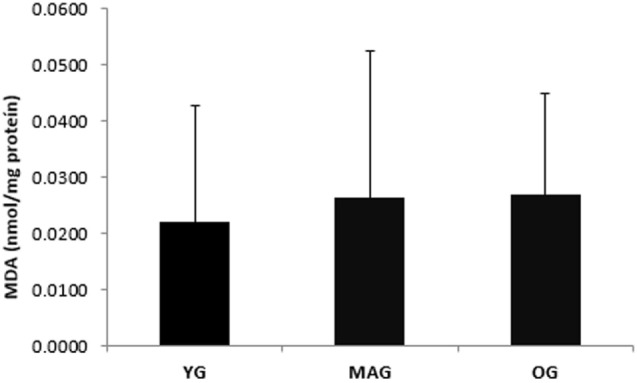
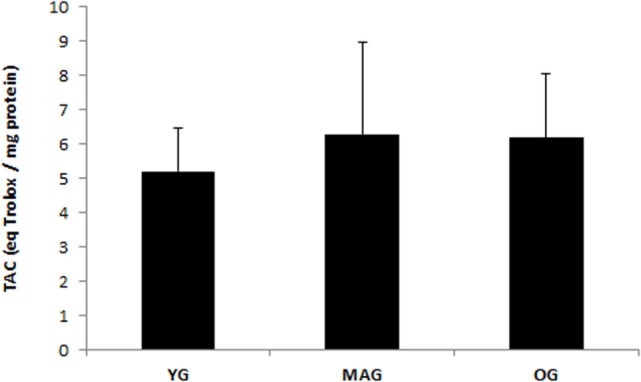
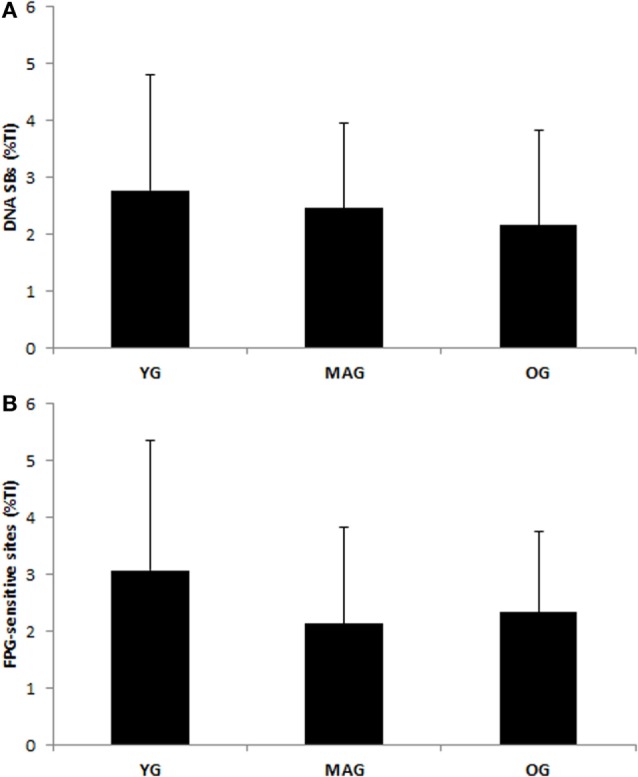
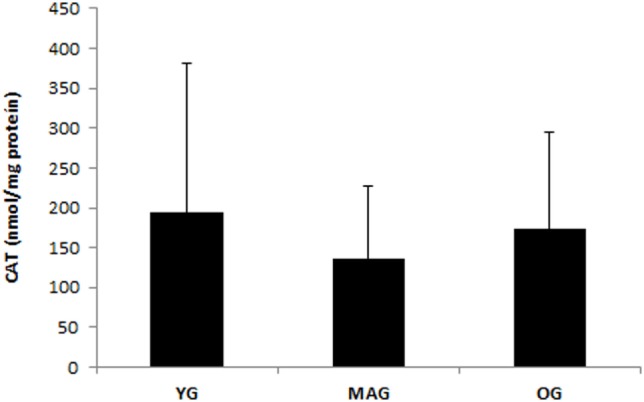
Aging is dependent on biological processes that determine the aging of the organism at the cellular level. The Oxidative Stress Theory of Aging might explain some of the age-related changes in cell macromolecules. Moreover, exposome and lifestyle may also induce changes in cell damage induced by oxidative stress. The aim of the present study was to analyze the related redox changes in lymphocyte function of healthy women over 40 years old. Three groups: younger (YG: 40-49 years), middle aged (MAG: 50-59 years), and older (OG: ≥60 years) were evaluated on anthropometric variables, blood pressure, cardiovascular fitness, lifestyle habits, perceived stress, DNA damage, malondialdehyde, catalase activity, and total antioxidant capacity. Physical activity and cardiovascular fitness were significantly higher in YG and MAG as compared to the OG. Systolic blood pressure increased significantly with group age. Frequency and total amount of alcohol intake were lower in the OG and higher in the MAG. No significant differences were observed between the three groups in oxidative stress parameters. Only alcohol consumption was associated with the higher DNA FPG-sensitive sites, and only in the YG ( < 0.05). Healthy lifestyle is critical to avoiding major ailments associated with aging. This may be inferred from the lack of significant differences in the various oxidative stress parameters measured in the healthy women over the age of 40 who took part in the study. Conscious lifestyle behaviors (decrease in alcohol and smoking habits) could have impaired the expected age-related oxidative stress increase.
衰老取决于在细胞水平上决定生物体衰老的生物学过程。衰老的氧化应激理论或许可以解释细胞大分子中一些与年龄相关的变化。此外,暴露组和生活方式也可能诱导氧化应激所致细胞损伤的变化。本研究的目的是分析40岁以上健康女性淋巴细胞功能中的相关氧化还原变化。对三组人群进行了评估,分别为年轻组(YG:40 - 49岁)、中年组(MAG:50 - 59岁)和老年组(OG:≥60岁),评估内容包括人体测量变量、血压、心血管健康状况、生活习惯、感知压力、DNA损伤、丙二醛、过氧化氢酶活性和总抗氧化能力。与老年组相比,年轻组和中年组的身体活动和心血管健康状况显著更高。收缩压随年龄组增加而显著升高。老年组的酒精摄入量频率和总量较低,中年组较高。三组在氧化应激参数方面未观察到显著差异。仅酒精消费与较高的DNA FPG敏感位点相关,且仅在年轻组中如此(P < 0.05)。健康的生活方式对于避免与衰老相关的重大疾病至关重要。这可以从参与研究的40岁以上健康女性所测各种氧化应激参数缺乏显著差异推断出来。有意识的生活方式行为(减少饮酒和吸烟习惯)可能削弱了预期的与年龄相关的氧化应激增加。