Saeed Usman, Compagnone Jordana, Aviv Richard I, Strafella Antonio P, Black Sandra E, Lang Anthony E, Masellis Mario
Institute of Medical Science, Faculty of Medicine, University of Toronto, Toronto, Canada.
LC Campbell Cognitive Neurology Research Unit, Sunnybrook Research Institute, Toronto, Canada.
Transl Neurodegener. 2017 Mar 28;6:8. doi: 10.1186/s40035-017-0076-6. eCollection 2017.
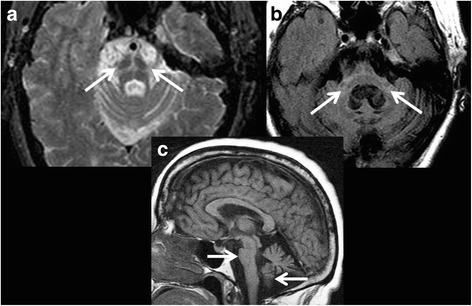
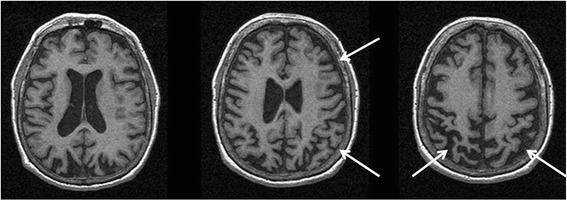
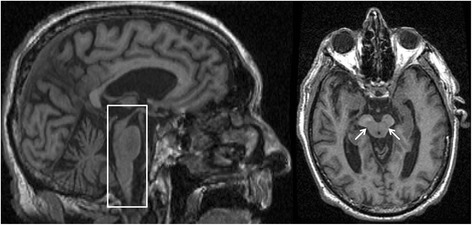
Two centuries ago in 1817, James Parkinson provided the first medical description of Parkinson's disease, later refined by Jean-Martin Charcot in the mid-to-late 19th century to include the atypical parkinsonian variants (also termed, Parkinson-plus syndromes). Today, Parkinson's disease represents the second most common neurodegenerative disorder with an estimated global prevalence of over 10 million. Conversely, atypical parkinsonian syndromes encompass a group of relatively heterogeneous disorders that may share some clinical features with Parkinson's disease, but are uncommon distinct clinicopathological diseases. Decades of scientific advancements have vastly improved our understanding of these disorders, including improvements in imaging for biomarker identification. Multimodal imaging for the visualization of structural and functional brain changes is especially important, as it allows a 'window' into the underlying pathophysiological abnormalities. In this article, we first present an overview of the cardinal clinical and neuropathological features of, 1) synucleinopathies: Parkinson's disease and other Lewy body spectrum disorders, as well as multiple system atrophy, and 2) tauopathies: progressive supranuclear palsy, and corticobasal degeneration. A comprehensive presentation of well-established and emerging imaging biomarkers for each disorder are then discussed. Biomarkers for the following imaging modalities are reviewed: 1) structural magnetic resonance imaging (MRI) using T1, T2, and susceptibility-weighted sequences for volumetric and voxel-based morphometric analyses, as well as MRI derived visual signatures, 2) diffusion tensor MRI for the assessment of white matter tract injury and microstructural integrity, 3) proton magnetic resonance spectroscopy for quantifying proton-containing brain metabolites, 4) single photon emission computed tomography for the evaluation of nigrostriatal integrity (as assessed by presynaptic dopamine transporters and postsynaptic dopamine D2 receptors), and cerebral perfusion, 5) positron emission tomography for gauging nigrostriatal functions, glucose metabolism, amyloid and tau molecular imaging, as well as neuroinflammation, 6) myocardial scintigraphy for dysautonomia, and 7) transcranial sonography for measuring substantia nigra and lentiform nucleus echogenicity. Imaging biomarkers, using the 'multimodal approach', may aid in making early, accurate and objective diagnostic decisions, highlight neuroanatomical and pathophysiological mechanisms, as well as assist in evaluating disease progression and therapeutic responses to drugs in clinical trials.
两个世纪前的1817年,詹姆斯·帕金森首次对帕金森病进行了医学描述,19世纪中后期让-马丁·夏科对其进行了完善,将非典型帕金森综合征(也称为帕金森叠加综合征)纳入其中。如今,帕金森病是全球第二常见的神经退行性疾病,全球患病率估计超过1000万。相反,非典型帕金森综合征是一组相对异质性的疾病,它们可能与帕金森病有一些共同的临床特征,但却是不同的临床病理疾病。数十年的科学进步极大地增进了我们对这些疾病的了解,包括在用于生物标志物识别的成像方面取得的进展。用于可视化大脑结构和功能变化的多模态成像尤为重要,因为它为深入了解潜在的病理生理异常提供了一个“窗口”。在本文中,我们首先概述以下两类疾病的主要临床和神经病理学特征:1)突触核蛋白病:帕金森病和其他路易体谱疾病,以及多系统萎缩;2)tau蛋白病:进行性核上性麻痹和皮质基底节变性。然后讨论针对每种疾病的成熟和新兴成像生物标志物的全面介绍。我们将对以下成像方式的生物标志物进行综述:1)使用T1、T2和磁敏感加权序列进行基于体积和体素的形态计量分析的结构磁共振成像(MRI),以及MRI衍生的视觉特征;2)用于评估白质纤维束损伤和微观结构完整性的扩散张量MRI;3)用于量化含质子脑代谢物的质子磁共振波谱;4)用于评估黑质纹状体完整性(通过突触前多巴胺转运体和突触后多巴胺D2受体评估)和脑灌注的单光子发射计算机断层扫描;5)用于测量黑质纹状体功能、葡萄糖代谢、淀粉样蛋白和tau分子成像以及神经炎症的正电子发射断层扫描;6)用于诊断自主神经功能障碍的心肌闪烁显像;7)用于测量黑质和豆状核回声性的经颅超声检查。使用“多模态方法”的成像生物标志物可能有助于做出早期、准确和客观的诊断决策,突出神经解剖和病理生理机制,以及协助评估疾病进展和临床试验中药物的治疗反应。