Regauer Markus, Lange Mirjam, Soldan Kevin, Peyerl Steffen, Baumbach Sebastian, Böcker Wolfgang, Polzer Hans
Markus Regauer, Mirjam Lange, Sebastian Baumbach, Wolfgang Böcker, Hans Polzer, Klinik für Allgemeine, Unfall und Wiederherstellungschirurgie, Klinikum der Ludwig-Maximilians-Universität München, 81377 Munich, Germany.
World J Orthop. 2017 Mar 18;8(3):221-228. doi: 10.5312/wjo.v8.i3.221.
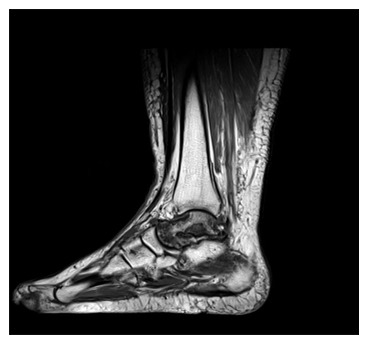
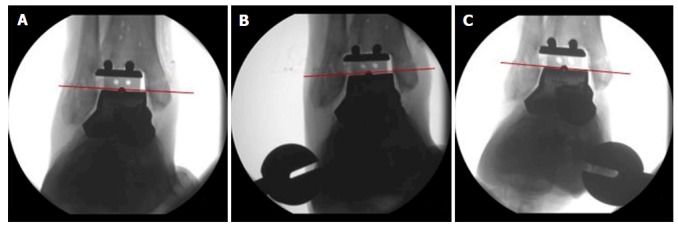
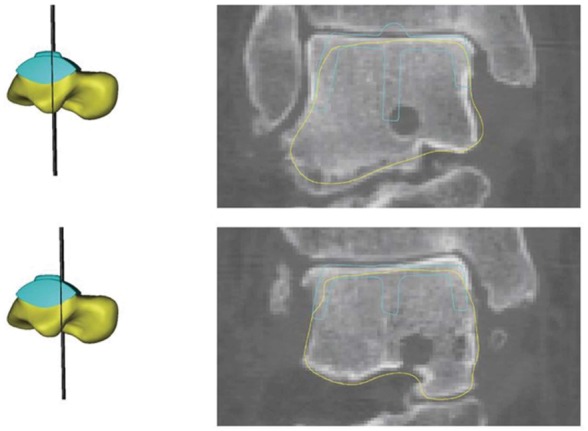
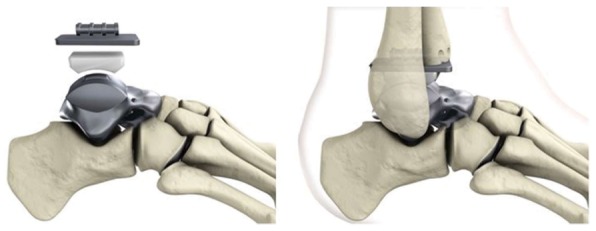
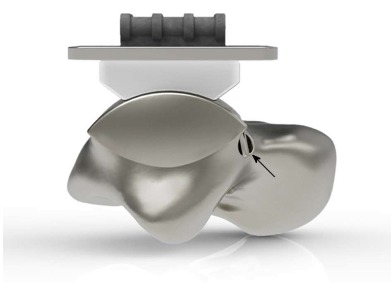
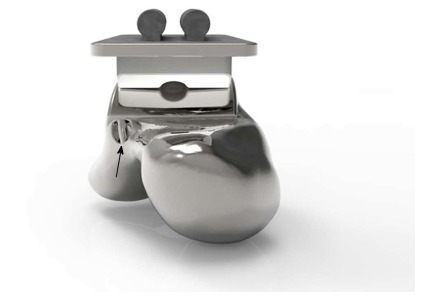
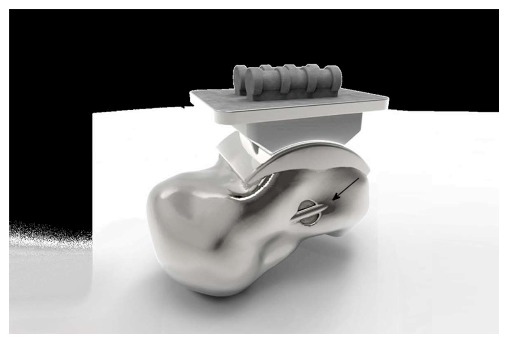
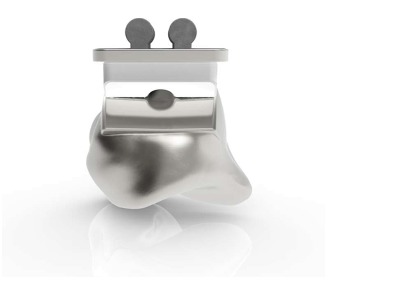
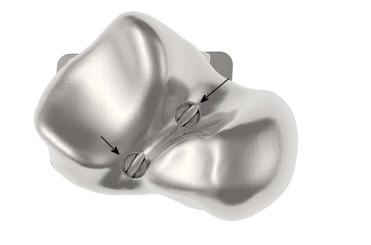
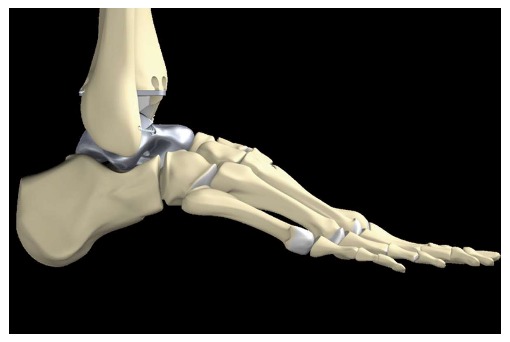
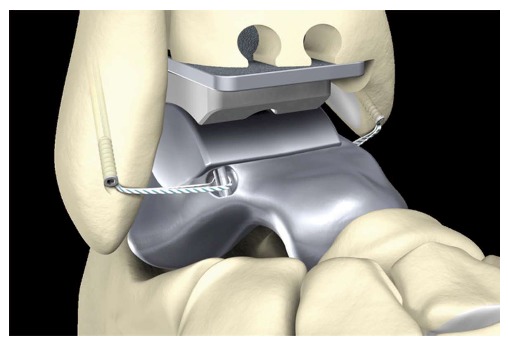
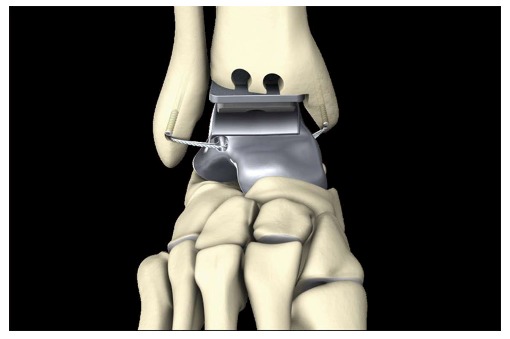
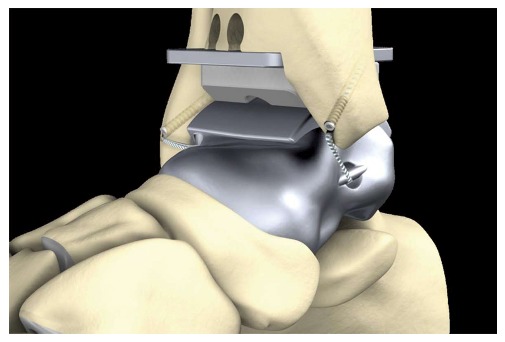
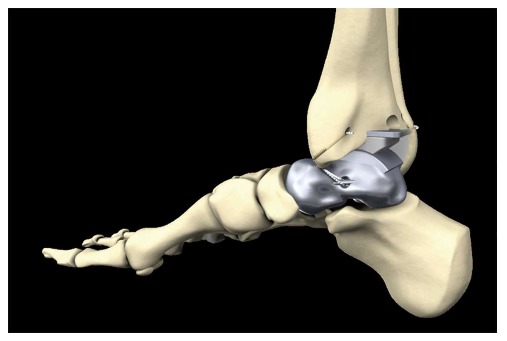
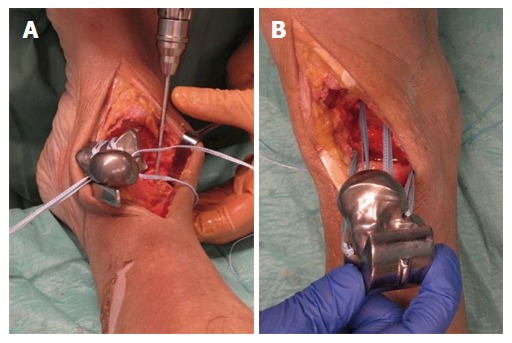
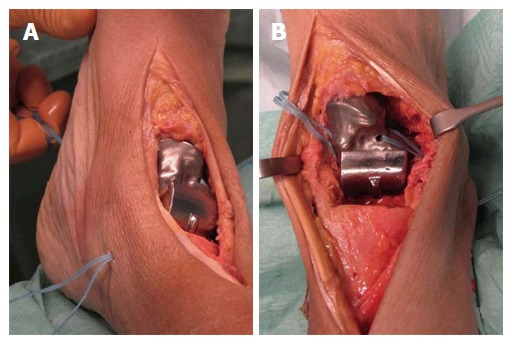
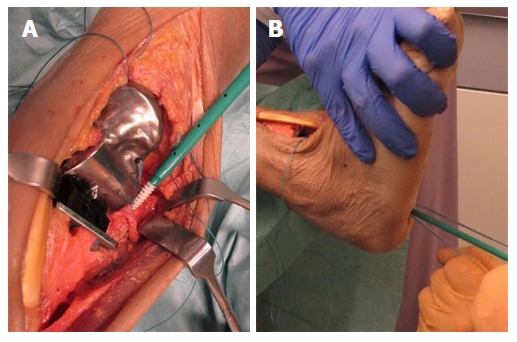
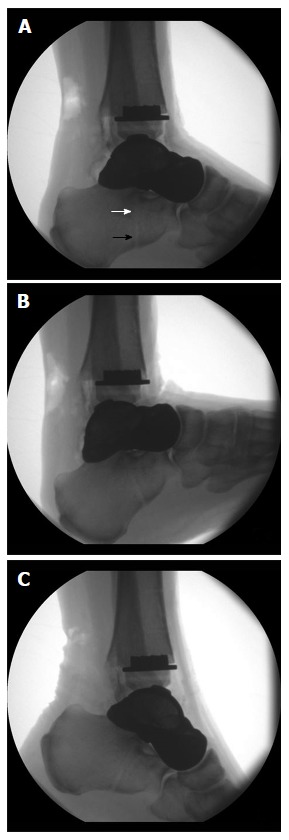
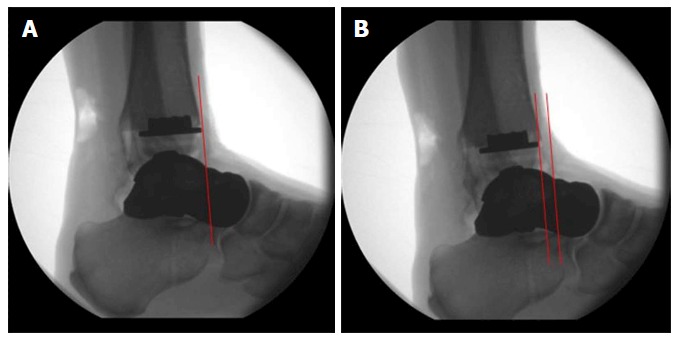
Total loss of talus due to trauma or avascular necrosis, for example, still remains to be a major challenge in foot and ankle surgery with severely limited treatment options. Implantation of a custom made total talar prosthesis has shown promising results so far. Most important factors for long time success are degree of congruence of articular surfaces and ligamentous stability of the ankle. Therefore, our aim was to develop an optimized custom made prosthesis for total talus replacement providing a high level of primary stability. A custom made hemiprosthesis was developed using computed tomography and magnetic resonance imaging data of the affected and contralateral talus considering the principles and technology for the development of the S.T.A.R. prosthesis (Stryker). Additionally, four eyelets for fixation of artificial ligaments were added at the correspondent footprints of the most important ligaments. Two modifications can be provided according to the clinical requirements: A tri-articular hemiprosthesis or a bi-articular hemiprosthesis combined with the tibial component of the S.T.A.R. total ankle replacement system. A feasibility study was performed using a fresh frozen human cadaver. Maximum range of motion of the ankle was measured and ligamentous stability was evaluated by use of standard X-rays after application of varus, valgus or sagittal stress with 150 N. Correct implantation of the prosthesis was technically possible an anterior approach to the ankle and using standard instruments. Malleolar osteotomies were not required. Maximum ankle dorsiflexion and plantarflexion were measured as 22-0-28 degrees. Maximum anterior displacement of the talus was 6 mm, maximum varus tilt 3 degrees and maximum valgus tilt 2 degrees. Application of an internally braced prosthesis for total talus replacement in humans is technically feasible and might be a reasonable procedure in carefully selected cases with no better alternatives left.
例如,由于创伤或缺血性坏死导致的距骨完全缺失,在足踝外科手术中仍然是一个重大挑战,治疗选择极为有限。迄今为止,定制全距骨假体的植入已显示出有前景的结果。长期成功的最重要因素是关节面的匹配程度和踝关节的韧带稳定性。因此,我们的目标是开发一种优化的定制全距骨置换假体,以提供高水平的初始稳定性。利用患侧和对侧距骨的计算机断层扫描和磁共振成像数据,结合S.T.A.R.假体(史赛克公司)的开发原理和技术,开发了一种定制半关节假体。此外,在最重要韧带的相应附着点处增加了四个用于固定人工韧带的小孔。根据临床需求可提供两种改进方案:一种是三关节半关节假体,另一种是双关节半关节假体与S.T.A.R.全踝关节置换系统的胫骨部件相结合。使用新鲜冷冻人体尸体进行了可行性研究。测量了踝关节的最大活动范围,并在施加150 N的内翻、外翻或矢状应力后,通过标准X射线评估韧带稳定性。通过踝关节前方入路并使用标准器械,在技术上可以正确植入假体,无需进行踝关节截骨术。测得踝关节最大背屈和跖屈分别为22-0-28度。距骨最大前移为6 mm,最大内翻倾斜为3度,最大外翻倾斜为2度。在人体中应用内支撑全距骨置换假体在技术上是可行的,对于没有更好替代方案的精心挑选的病例,这可能是一种合理的手术方法。