Department of orthopaedic surgery, the second affiliated hospital, School of Medicine, Zhejiang University, Hangzhou, China.
Institute of orthopaedic research, Zhejiang University, Hangzhou, China.
Sci Rep. 2017 Apr 5;7:45779. doi: 10.1038/srep45779.
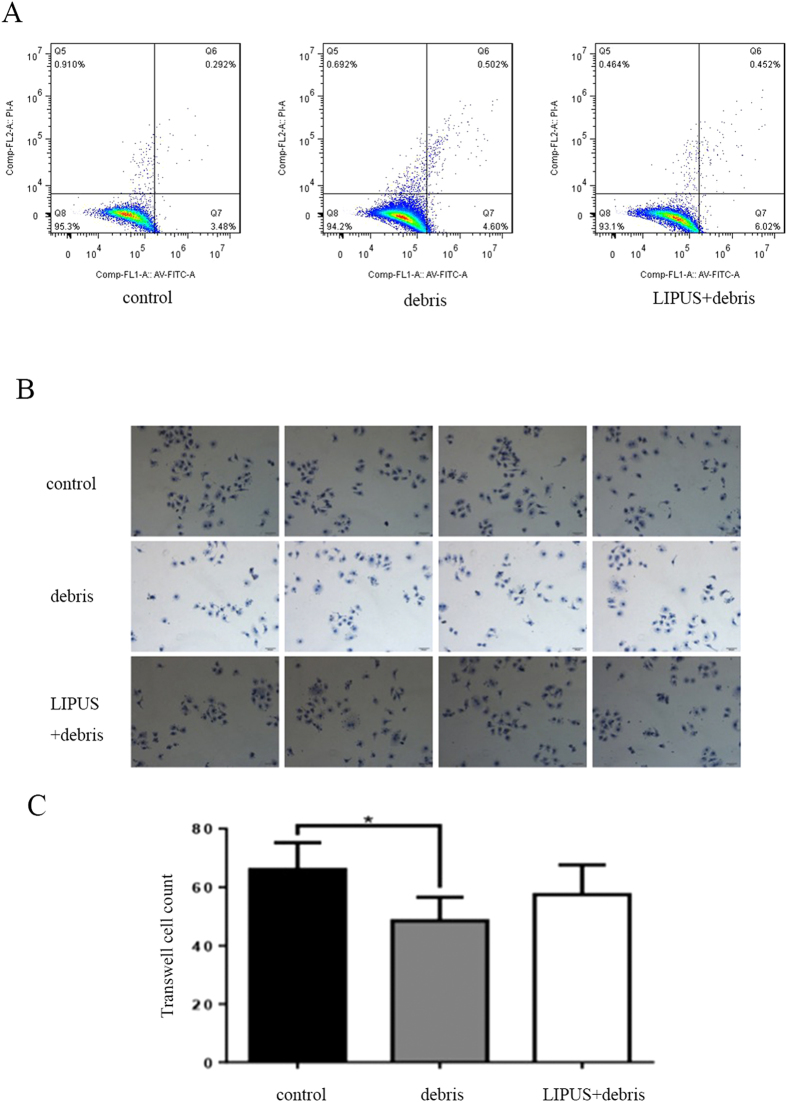
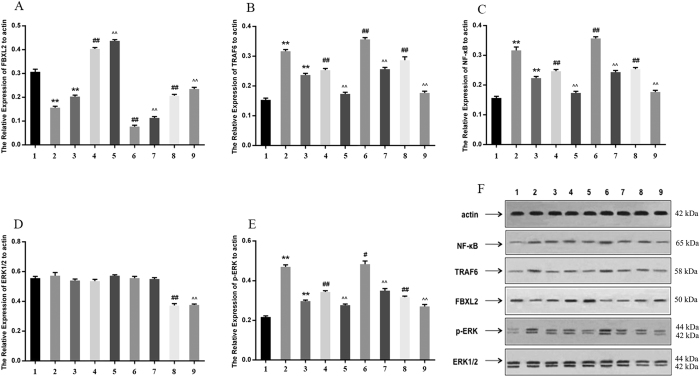
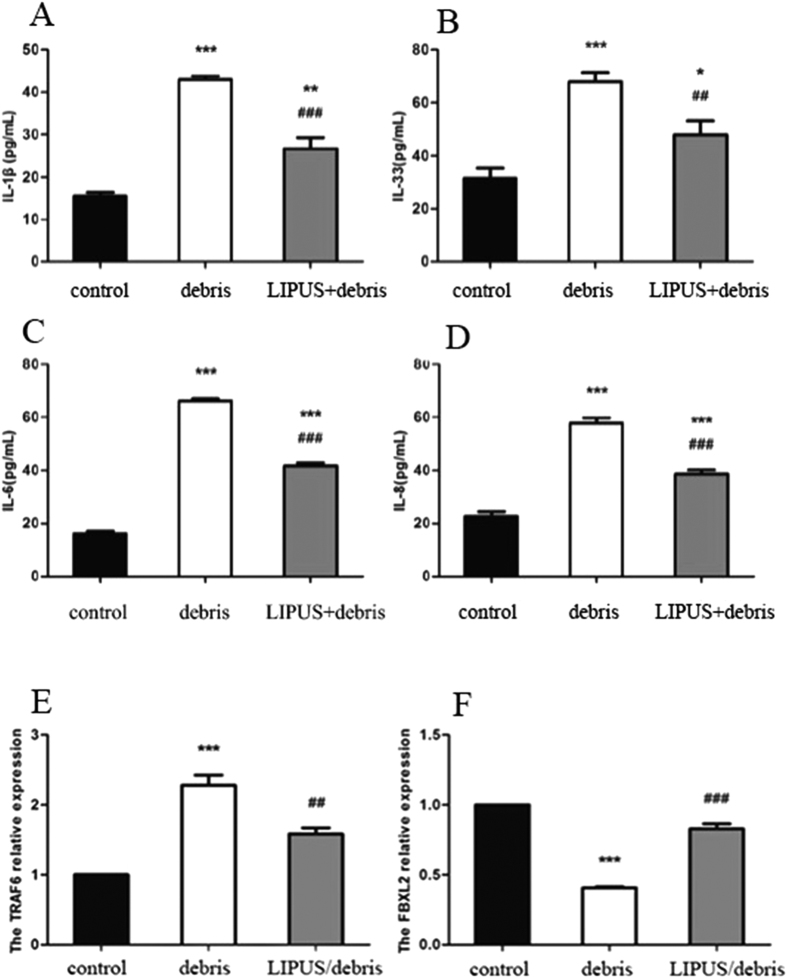
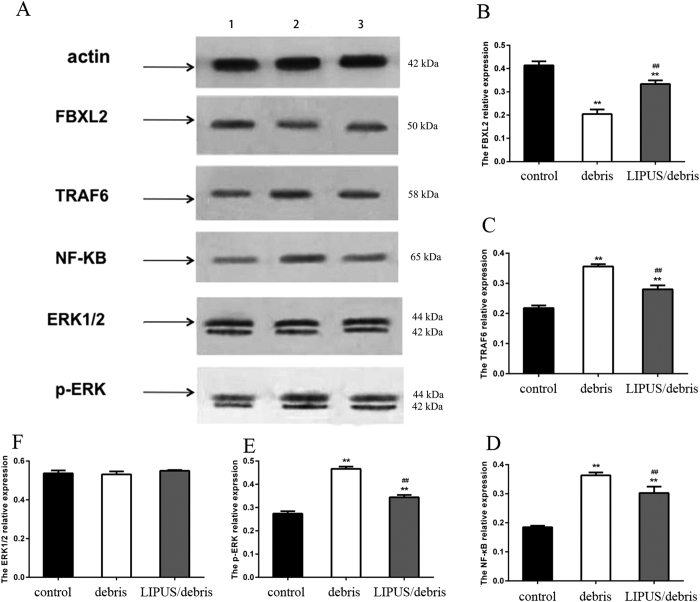
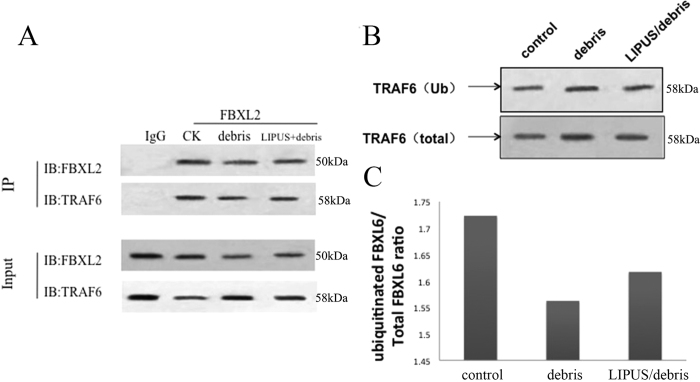
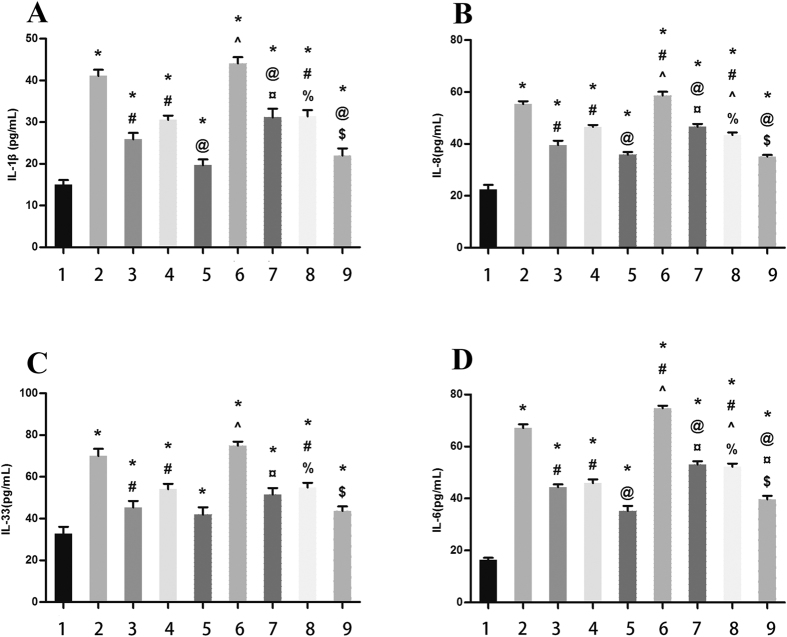
Previous studies have shown that Low intensity pulsed ultrasound(LIPUS) prevents polyethylene-debris-induced periprosthetic loosening in vivo, but the details of the mechanism by which it does so remain unclear. In this article, we used polyethylene debris induced RAW 264.7 cells as the in vitro model, and tested the effect of LIPUS on this model. Changes in the level of inflammatory cytokines, cell proliferation, and apoptosis were assessed. Gene overexpression and siRNA technique were applied, and the levels of expression of FBXL2, TRAF6, ERK, and related inflammatory cytokines were also measured. Results indicated that FBXL2-mediated TRAF6 ubiquitination and degradation also plays an important role in aseptic periprosthetic loosening process, and LIPUS prevents such loosening by strengthening this pathway.
先前的研究表明,低强度脉冲超声(LIPUS)可防止聚乙烯颗粒诱导的假体周围松动,但其具体机制仍不清楚。在本文中,我们使用聚乙烯颗粒诱导的 RAW 264.7 细胞作为体外模型,检测 LIPUS 对该模型的影响。评估了炎症细胞因子水平、细胞增殖和凋亡的变化。应用基因过表达和 siRNA 技术,还测量了 FBXL2、TRAF6、ERK 及相关炎症细胞因子的表达水平。结果表明,FBXL2 介导的 TRAF6 泛素化和降解在无菌性假体周围松动过程中也起着重要作用,LIPUS 通过增强该途径来防止这种松动。