Institute of Bast Fiber Crops, Chinese Academy of Agricultural Sciences, 348 West Xianjiahu Road, Changsha, Hunan, China.
Sci Rep. 2017 Apr 6;7:46043. doi: 10.1038/srep46043.
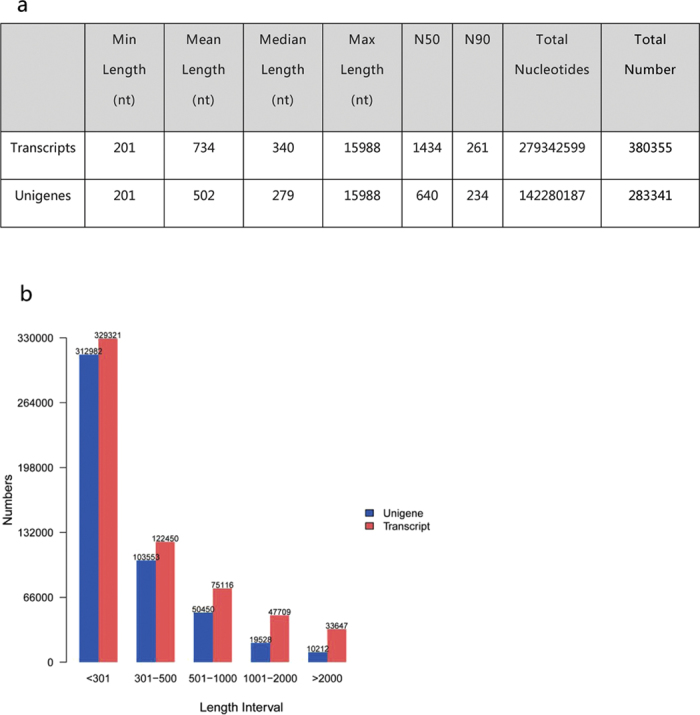
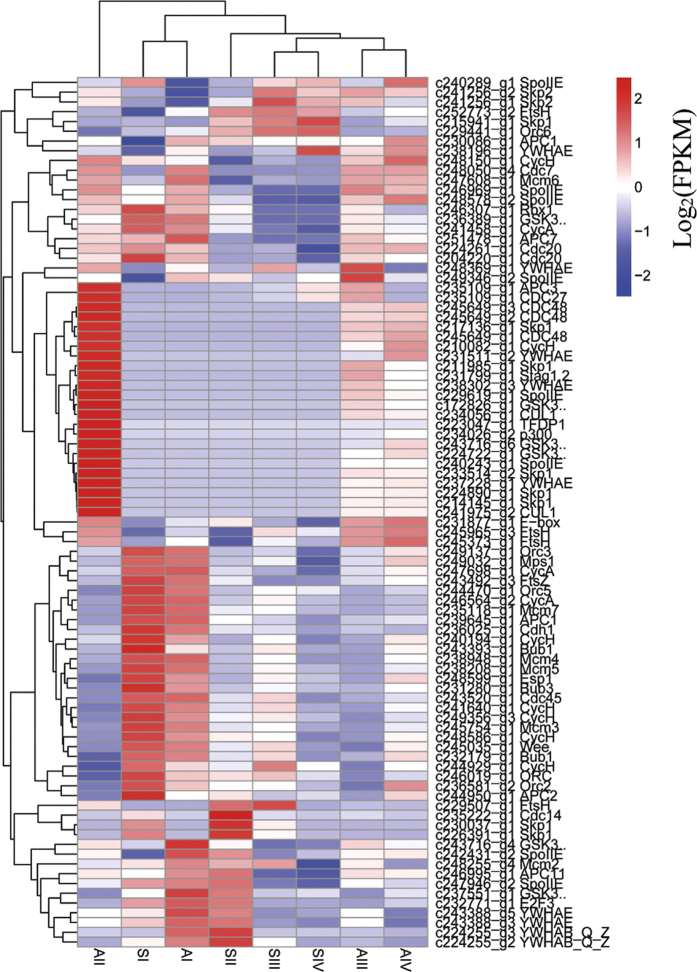
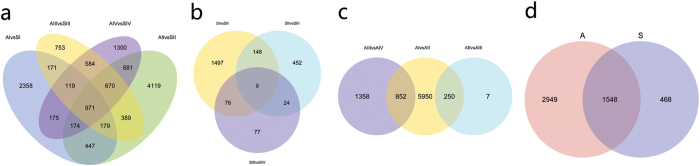
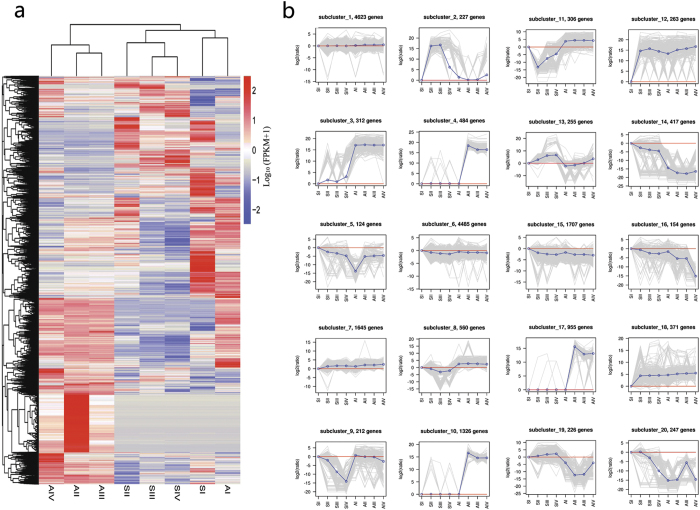
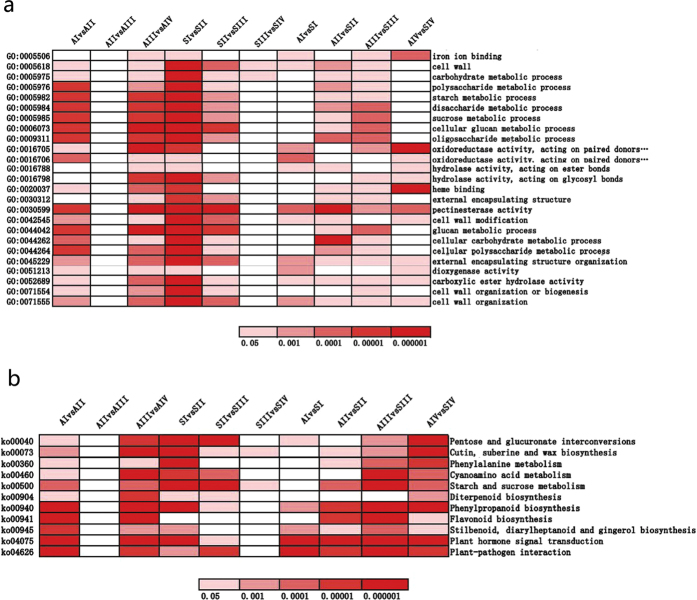
Boehmeria tricuspis includes sexually reproducing diploid and apomictic triploid individuals. Previously, we established that triploid B. tricuspis reproduces through obligate diplospory. To understand the molecular basis of apomictic development in B. tricuspis, we sequenced and compared transcriptomic profiles of the flowers of sexual and apomictic plants at four key developmental stages. A total of 283,341 unique transcripts were obtained from 1,463 million high-quality paired-end reads. In total, 18,899 unigenes were differentially expressed between the reproductive types at the four stages. By classifying the transcripts into gene ontology categories of differentially expressed genes, we showed that differential plant hormone signal transduction, cell cycle regulation, and transcription factor regulation are possibly involved in apomictic development and/or a polyploidization response in B. tricuspis. Furthermore, we suggest that specific gene families are possibly related to apomixis and might have important effects on diplosporous floral development. These results make a notable contribution to our understanding of the molecular basis of diplosporous development in B. tricuspis.
三叶鬼针草包含有性繁殖的二倍体和无融合生殖的三倍体个体。此前,我们已经证实,三倍体三叶鬼针草通过严格的二孢子生殖进行繁殖。为了了解三叶鬼针草无融合生殖发育的分子基础,我们对有性和无融合生殖植物在四个关键发育阶段的花进行了测序和转录组比较分析。从 1.463 亿个高质量的配对末端读数中总共获得了 283,341 个独特的转录本。在这四个阶段,总共在 18,899 个基因中发现了生殖类型之间的差异表达。通过将转录本分类为差异表达基因的基因本体类别,我们表明,植物激素信号转导、细胞周期调控和转录因子调控的差异可能参与了三叶鬼针草的无融合生殖发育和/或多倍化反应。此外,我们认为特定的基因家族可能与无融合生殖有关,并可能对二孢子有性花发育有重要影响。这些结果为我们理解三叶鬼针草二孢子发育的分子基础做出了重要贡献。