Dar Qurratul-Ain, Schott Eric M, Catheline Sarah E, Maynard Robert D, Liu Zhaoyang, Kamal Fadia, Farnsworth Christopher W, Ketz John P, Mooney Robert A, Hilton Matthew J, Jonason Jennifer H, Prawitt Janne, Zuscik Michael J
Center for Musculoskeletal Research, University of Rochester Medical Center, Rochester, New York, United States of America.
Department of Biology, University of Rochester, Rochester, New York, United States of America.
PLoS One. 2017 Apr 6;12(4):e0174705. doi: 10.1371/journal.pone.0174705. eCollection 2017.
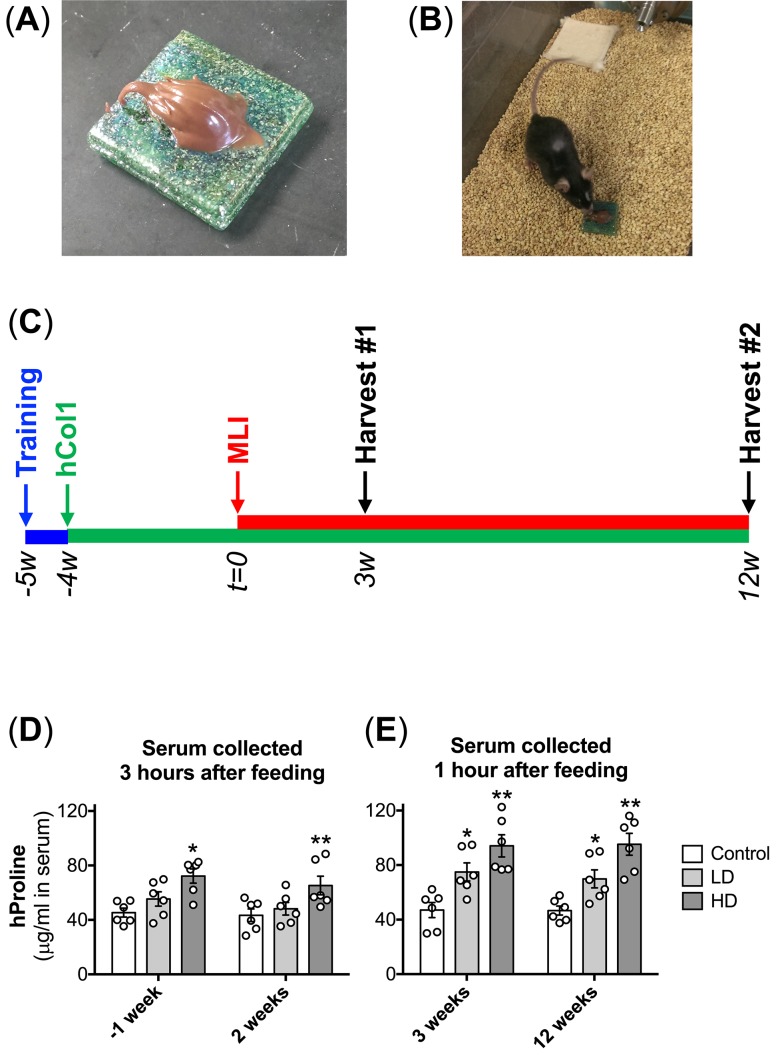
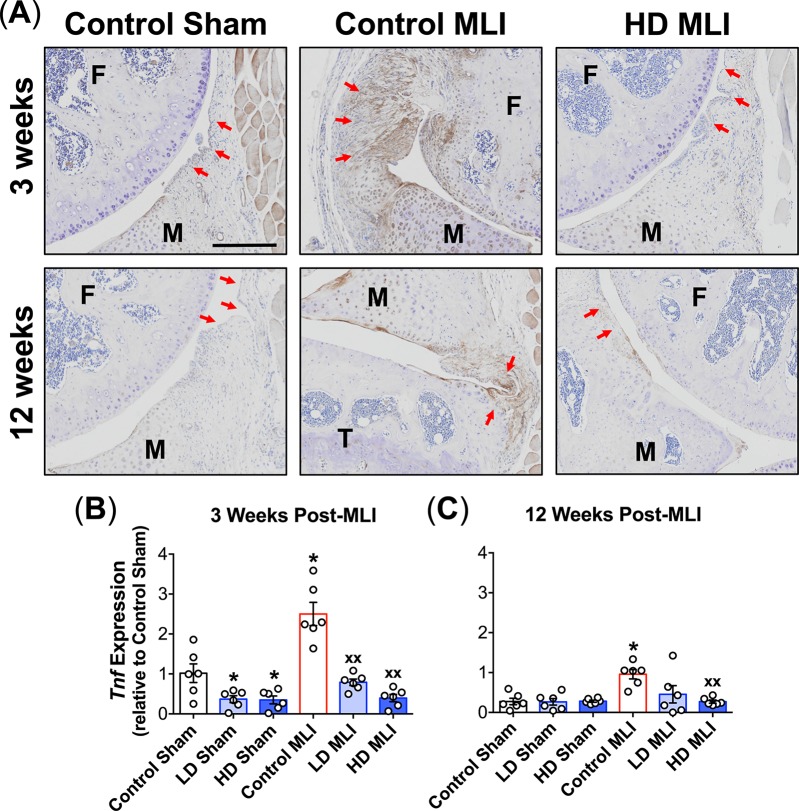
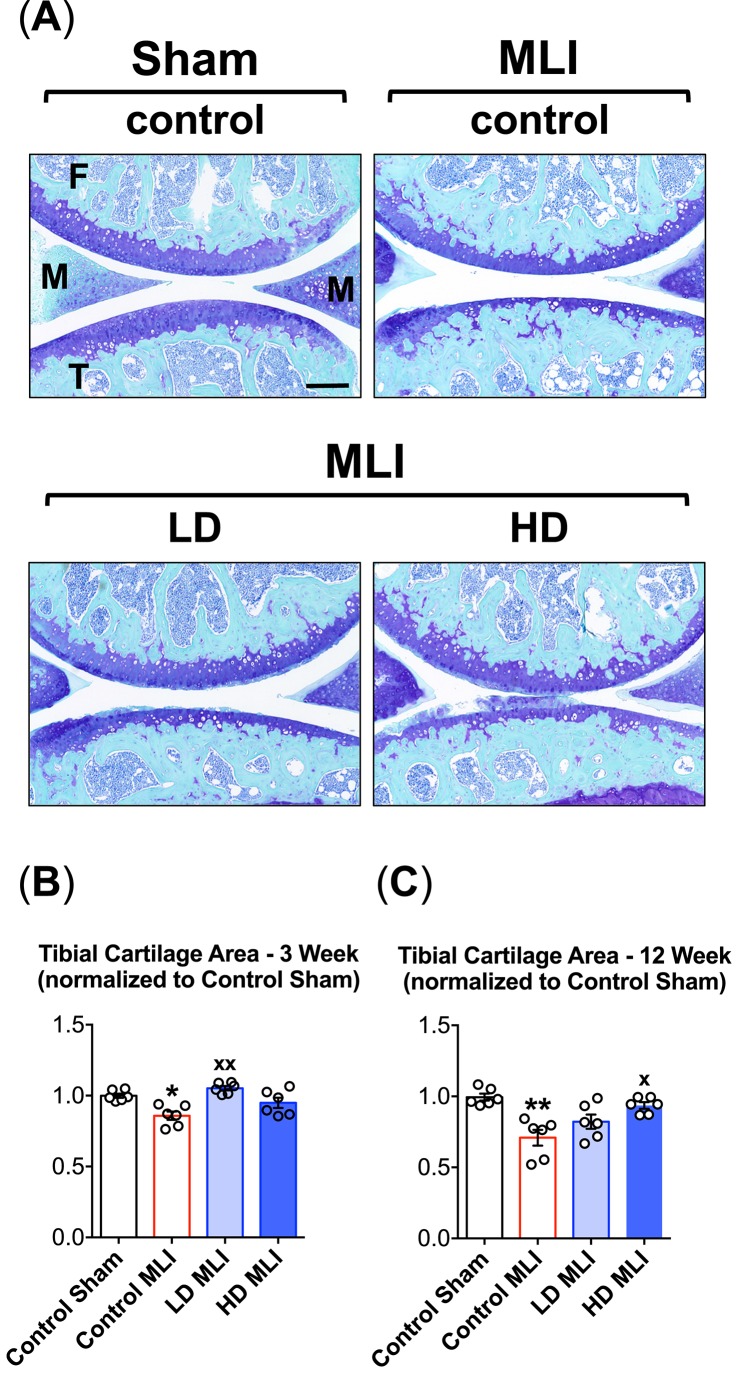
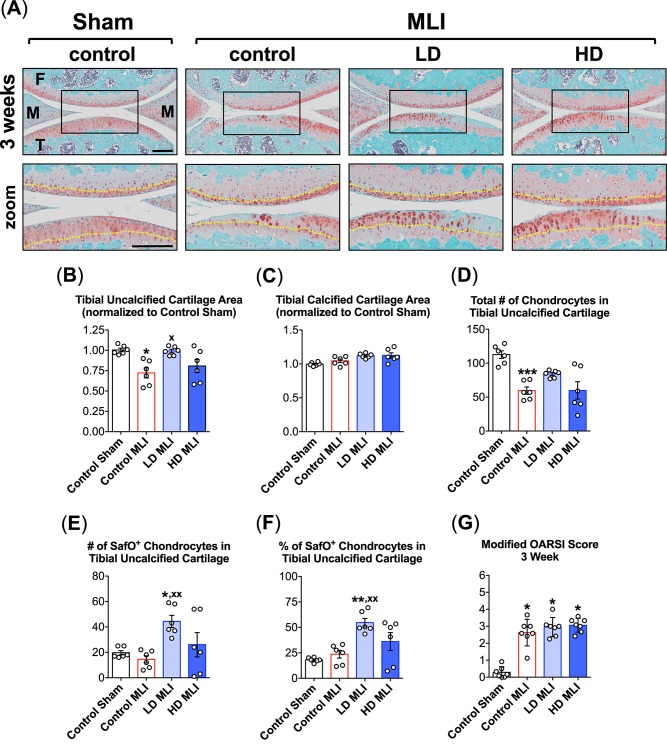
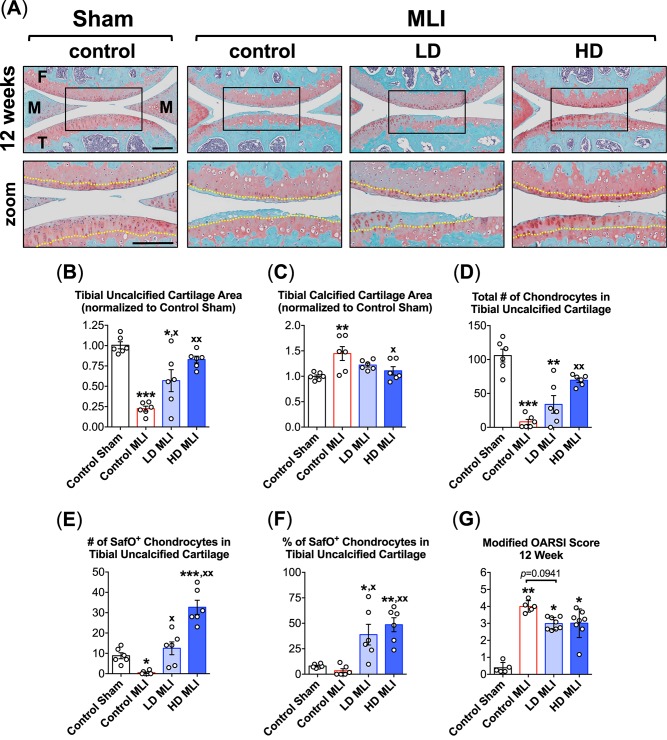
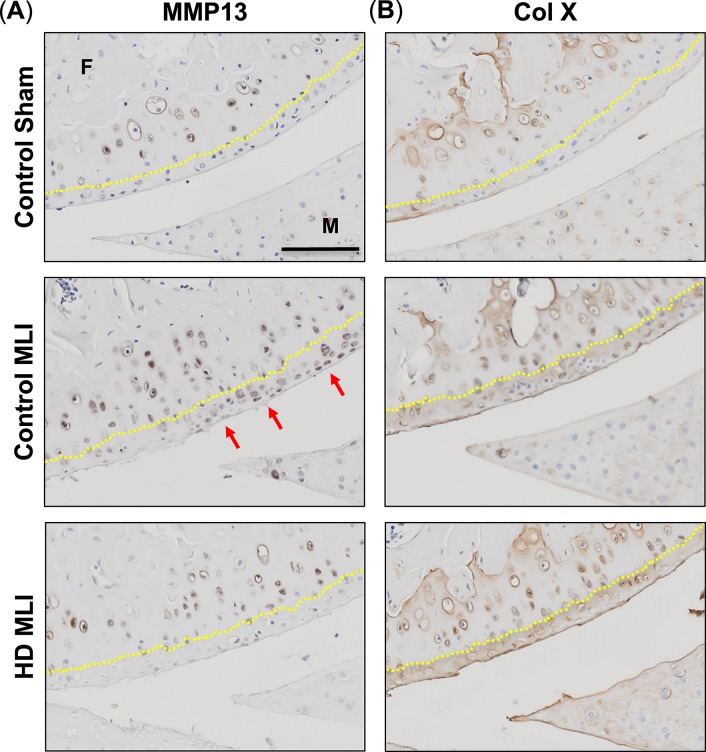
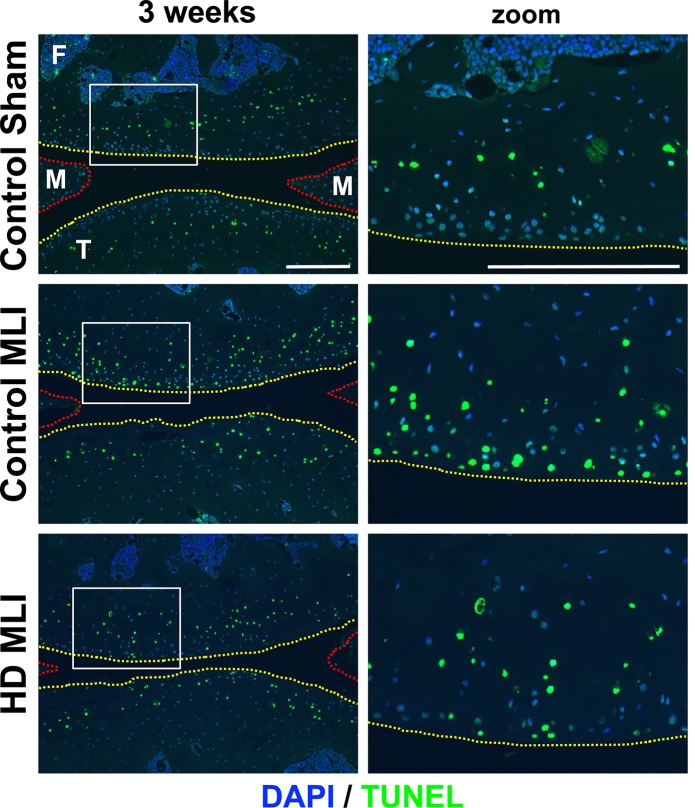
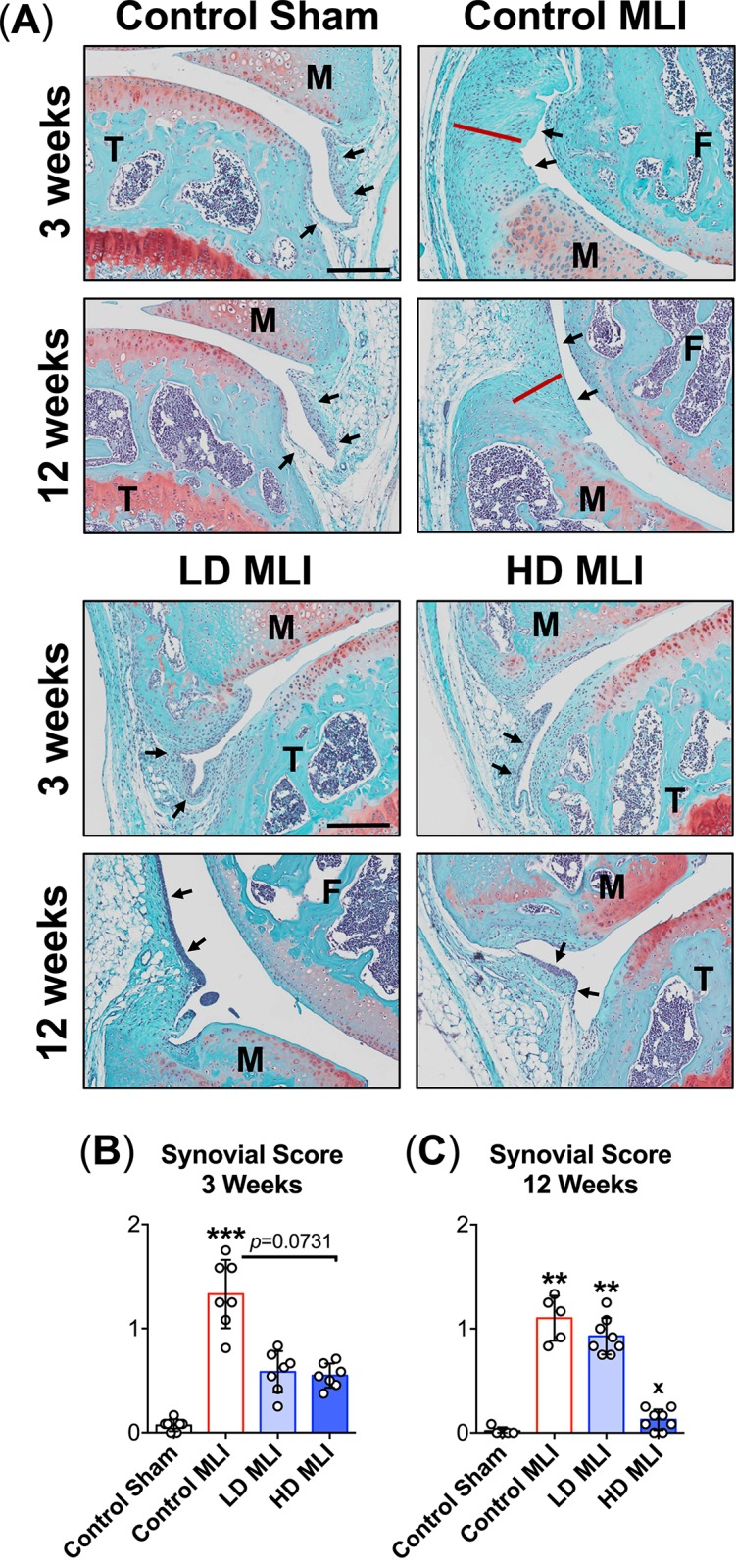
Osteoarthritis (OA) is a degenerative joint disease for which there are no disease modifying therapies. Thus, strategies that offer chondroprotective or regenerative capability represent a critical unmet need. Recently, oral consumption of a hydrolyzed type 1 collagen (hCol1) preparation has been reported to reduce pain in human OA and support a positive influence on chondrocyte function. To evaluate the tissue and cellular basis for these effects, we examined the impact of orally administered hCol1 in a model of posttraumatic OA (PTOA). In addition to standard chow, male C57BL/6J mice were provided a daily oral dietary supplement of hCol1 and a meniscal-ligamentous injury was induced on the right knee. At various time points post-injury, hydroxyproline (hProline) assays were performed on blood samples to confirm hCol1 delivery, and joints were harvested for tissue and molecular analyses were performed, including histomorphometry, OARSI and synovial scoring, immunohistochemistry and mRNA expression studies. Confirming ingestion of the supplements, serum hProline levels were elevated in experimental mice administered hCol1. In the hCol1 supplemented mice, chondroprotective effects were observed in injured knee joints, with dose-dependent increases in cartilage area, chondrocyte number and proteoglycan matrix at 3 and 12 weeks post-injury. Preservation of cartilage and increased chondrocyte numbers correlated with reductions in MMP13 protein levels and apoptosis, respectively. Supplemented mice also displayed reduced synovial hyperplasia that paralleled a reduction in Tnf mRNA, suggesting an anti-inflammatory effect. These findings establish that in the context of murine knee PTOA, daily oral consumption of hCol1 is chondroprotective, anti-apoptotic in articular chondrocytes, and anti-inflammatory. While the underlying mechanism driving these effects is yet to be determined, these findings provide the first tissue and cellular level information explaining the already published evidence of symptom relief supported by hCol1 in human knee OA. These results suggest that oral consumption of hCol1 is disease modifying in the context of PTOA.
骨关节炎(OA)是一种退行性关节疾病,目前尚无改善病情的治疗方法。因此,具有软骨保护或再生能力的策略代表了一个关键的未满足需求。最近,有报道称口服一种水解I型胶原蛋白(hCol1)制剂可减轻人类OA患者的疼痛,并对软骨细胞功能产生积极影响。为了评估这些作用的组织和细胞基础,我们在创伤后骨关节炎(PTOA)模型中研究了口服hCol1的影响。除了标准饲料外,雄性C57BL/6J小鼠每天口服hCol1膳食补充剂,并在右膝诱导半月板韧带损伤。在损伤后的不同时间点,对血液样本进行羟脯氨酸(hProline)检测以确认hCol1的递送,并采集关节进行组织和分子分析,包括组织形态计量学、OARSI和滑膜评分、免疫组织化学和mRNA表达研究。在给予hCol1的实验小鼠中,血清hProline水平升高,证实了补充剂的摄入。在补充hCol1的小鼠中,在受伤的膝关节中观察到软骨保护作用,在损伤后3周和12周,软骨面积、软骨细胞数量和蛋白聚糖基质呈剂量依赖性增加。软骨的保留和软骨细胞数量的增加分别与MMP13蛋白水平的降低和细胞凋亡的减少相关。补充hCol1的小鼠还表现出滑膜增生减少,这与Tnf mRNA的减少平行,表明具有抗炎作用。这些发现表明,在小鼠膝关节PTOA的背景下,每天口服hCol1具有软骨保护作用,对关节软骨细胞具有抗凋亡作用,并且具有抗炎作用。虽然驱动这些作用的潜在机制尚未确定,但这些发现提供了首个组织和细胞水平的信息,解释了hCol1在人类膝关节OA中已发表的症状缓解证据。这些结果表明,在PTOA的背景下,口服hCol1可改善病情。