Ogoma Sheila B, Mmando Arnold S, Swai Johnson K, Horstmann Sebastian, Malone David, Killeen Gerry F
Ifakara Health Institute, Environmental Health and Ecological Sciences Thematic Group, Coordination Office, Dar es Salaam, United Republic of Tanzania.
US National Research Council, National Academies of Sciences, Engineering and Medicine, Washington, D.C., United States of America.
PLoS Negl Trop Dis. 2017 Apr 7;11(4):e0005455. doi: 10.1371/journal.pntd.0005455. eCollection 2017 Apr.
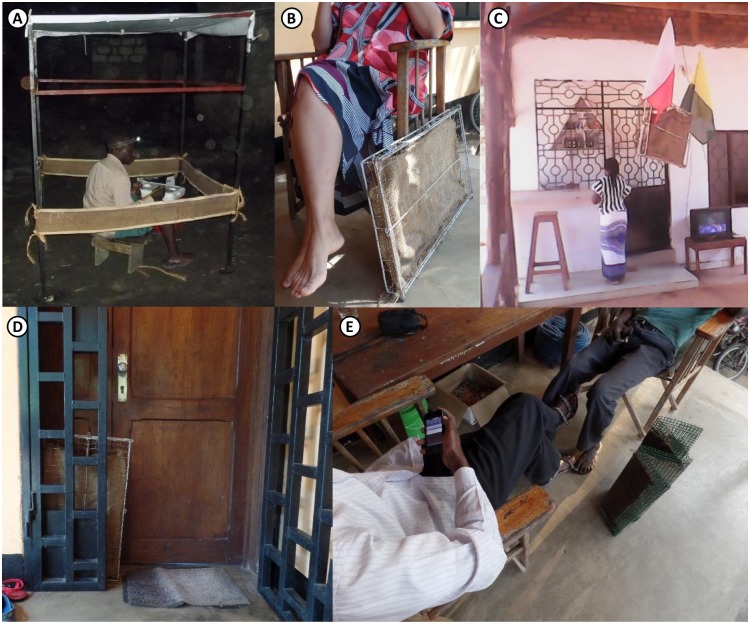
The vapor phase of the volatile pyrethroid transfluthrin incapacitates mosquitoes and prevents them from feeding. Although existing emanator products for delivering volatile pyrethroids protect against outdoor mosquito bites, they are too short-lived to be practical or affordable for routine use in low-income settings. New transfluthrin emanators, comprised simply of treated hessian fabric strips, have recently proven highly protective against outdoor-biting vectors of lymphatic filariasis, arboviruses and malaria, but their full protective lifespan, minimum dose requirements, and range of protection have not previously been assessed.
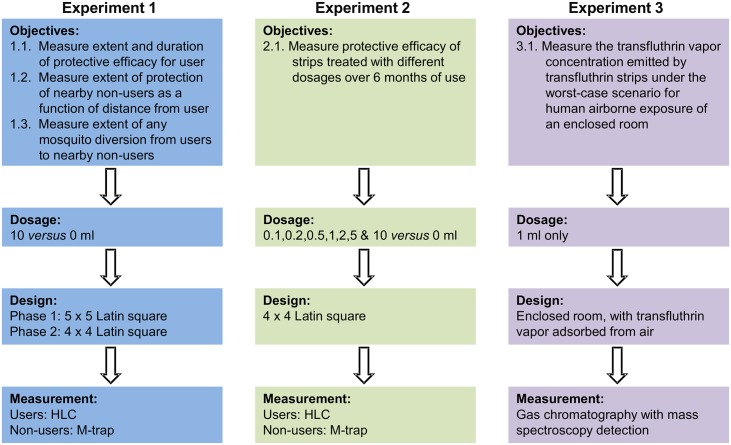
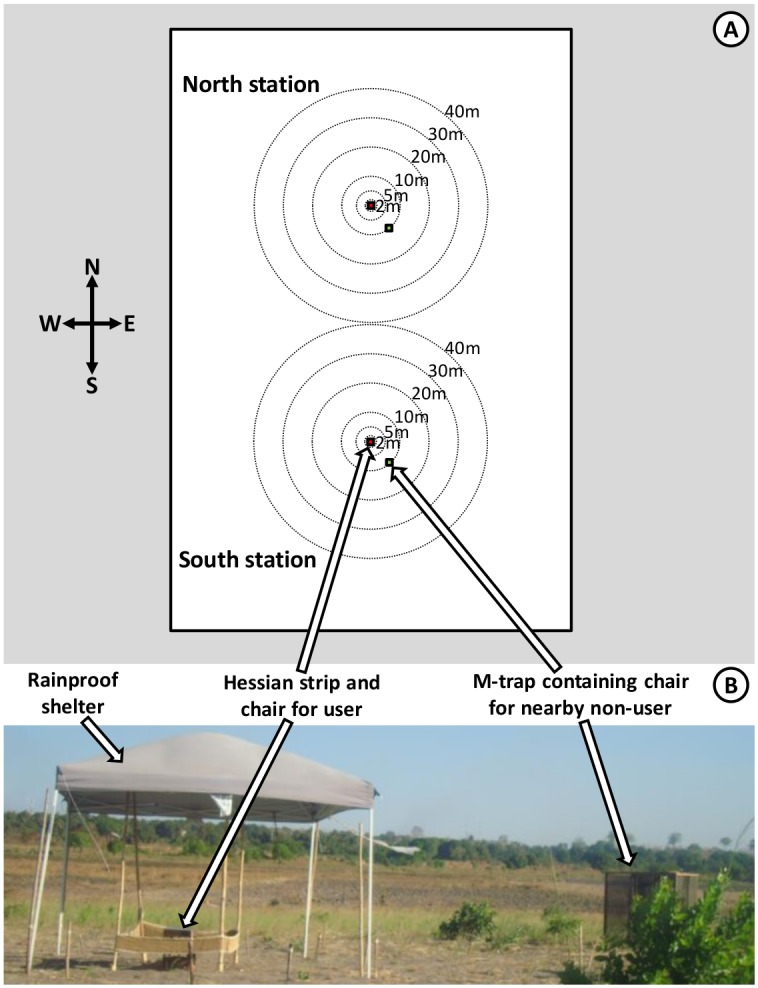
The effects of transfluthrin-treated hessian strips upon mosquito biting exposure of users and nearby non-users, as well as dependence of protection upon treatment dose, were measured outdoors in rural Tanzania using human landing catches (HLC).
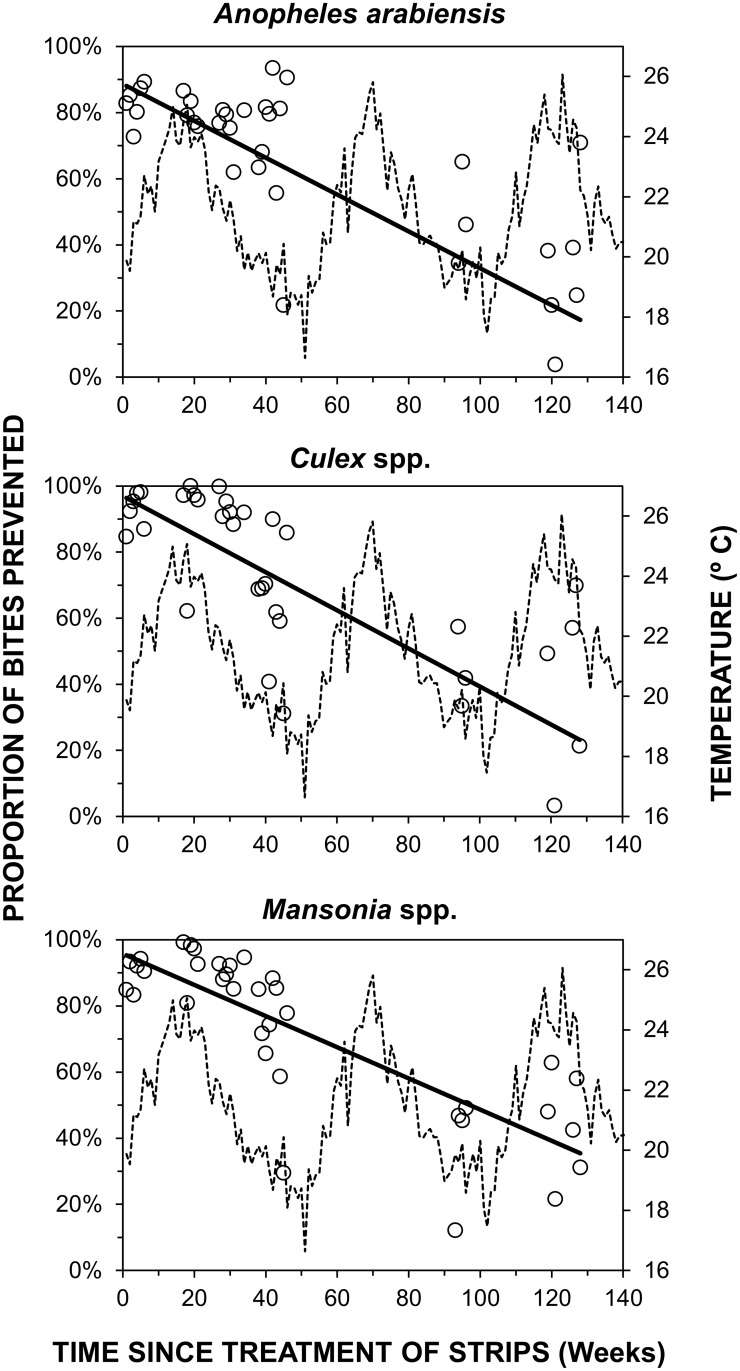
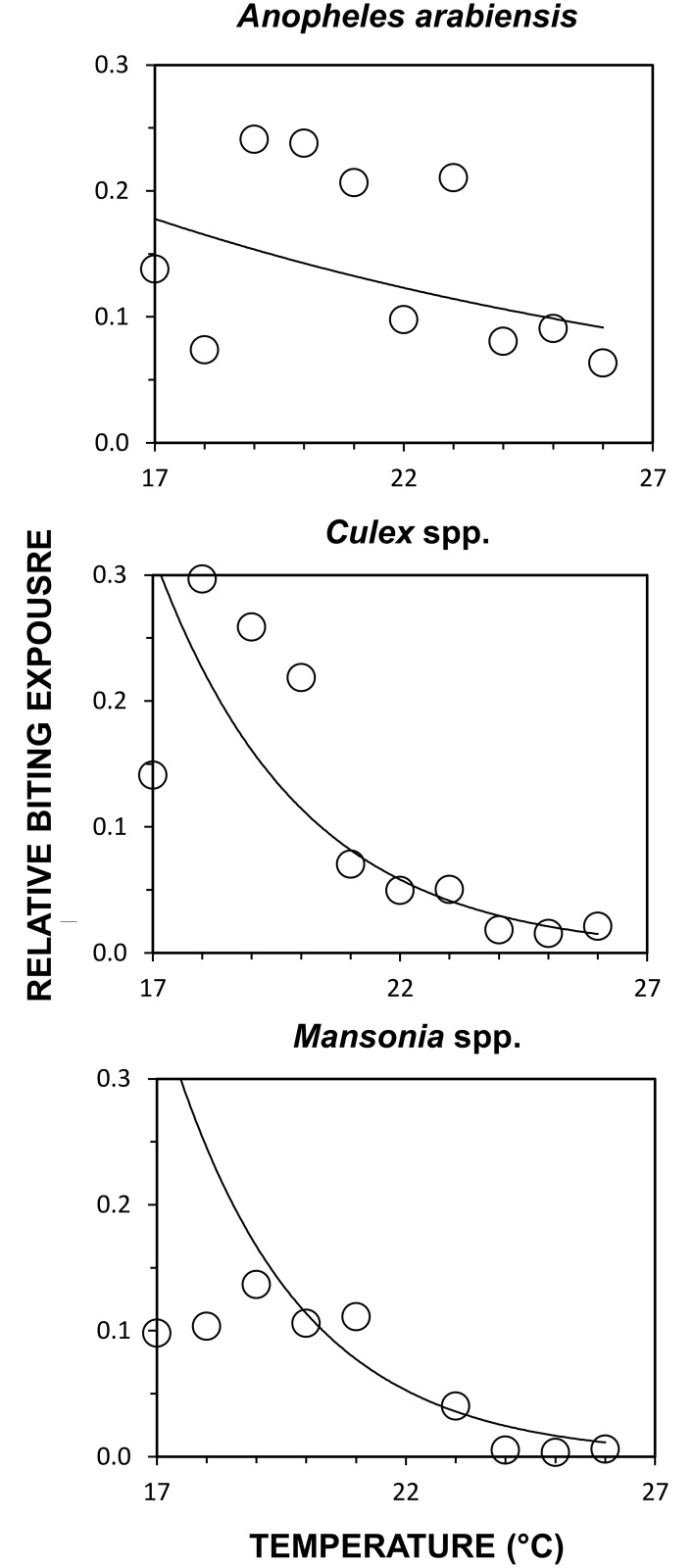
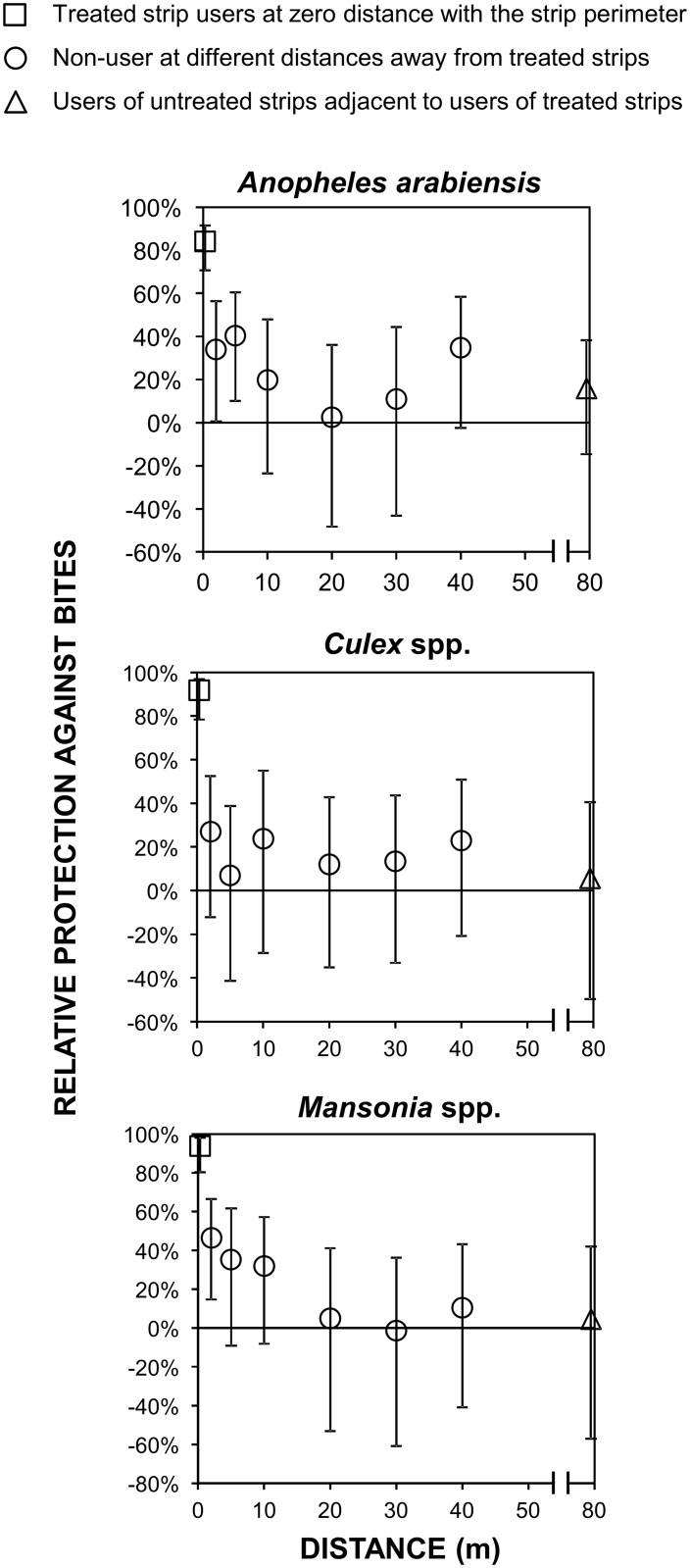
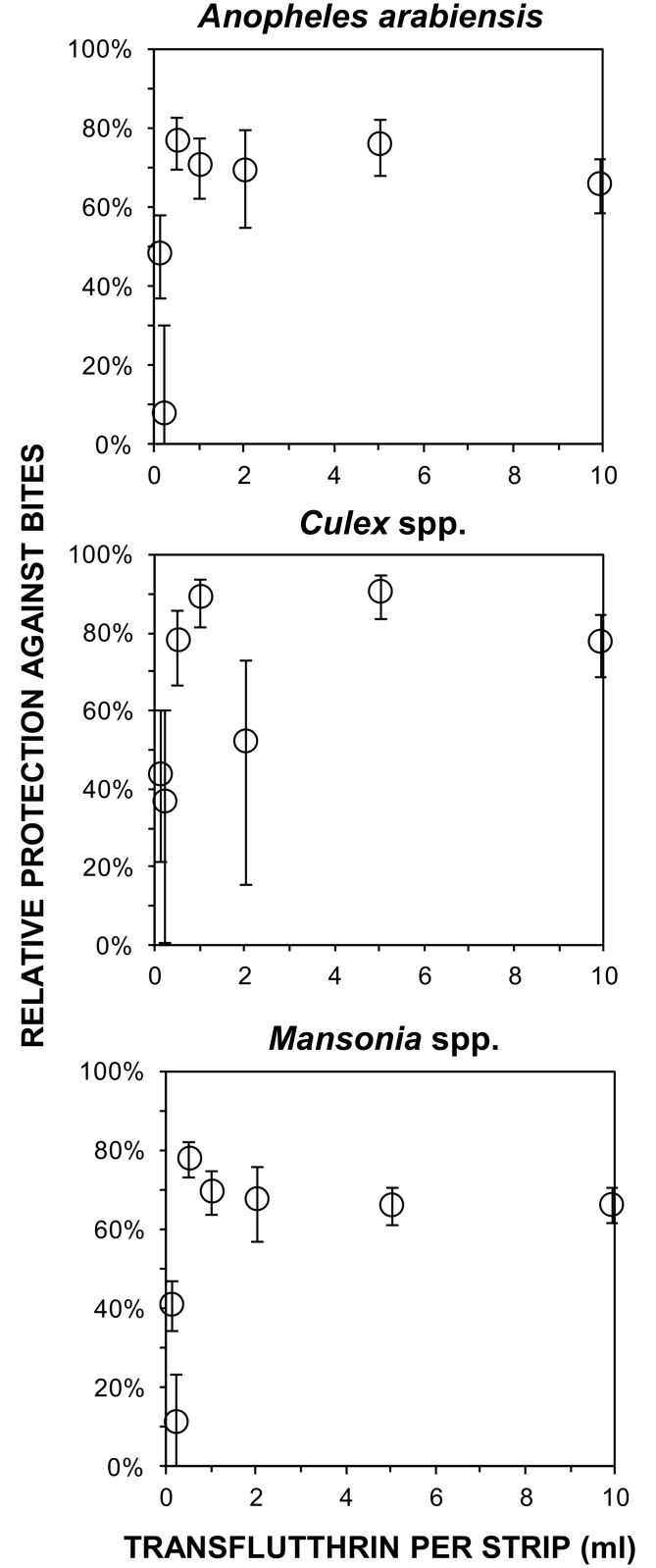
Strips treated with 10ml of transfluthrin prevented at least three quarters (p < 0.001) of outdoor bites by Anopheles arabiensis, Culex spp. and Mansonia spp. mosquitoes, and >90% protection against bites on warmer nights with higher evaporation rates, for at least one year. Strips treated with this high dose also reduced biting exposure of non-users at a distance of up to 5m from the strips for An. arabiensis (p < 0.001) and up to 2m for Mansonia spp. (p = 0.008), but provided no protection to non-users against Culex spp. No evidence of increased risk for non-users, caused by diversion of mosquitoes to unprotected individuals, was found at any distance within an 80m radius. A dose of only 1ml provided equivalent protection to the 10ml dose against An. arabiensis, Culex spp. and Mansonia spp. mosquitoes over 6 months (p < 0.001).
CONCLUSIONS/SIGNIFICANCE: Transfluthrin-treated hessian emanators provide safe, affordable, long-term protection against several different pathogen-transmitting mosquito taxa that attack humans outdoors, where they are usually active and cannot be protected by bed nets or residual sprays with conventional, solid-phase insecticides.
挥发性拟除虫菊酯甲氧苄氟菊酯的气相可使蚊子丧失能力并阻止它们叮咬。尽管现有的用于释放挥发性拟除虫菊酯的散发器产品可防止户外蚊虫叮咬,但它们的使用寿命太短,对于低收入环境中的常规使用而言不实用或成本过高。新型甲氧苄氟菊酯散发器仅由经过处理的粗麻布带组成,最近已证明对淋巴丝虫病、虫媒病毒和疟疾的户外叮咬媒介具有高度防护作用,但此前尚未评估其完整的防护寿命、最低剂量要求和防护范围。
在坦桑尼亚农村地区户外,使用人诱捕法(HLC)测量了经甲氧苄氟菊酯处理的粗麻布条对使用者和附近非使用者蚊虫叮咬暴露的影响,以及防护作用对处理剂量的依赖性。
用10毫升甲氧苄氟菊酯处理的布条可防止至少四分之三(p < 0.001)的阿拉伯按蚊、库蚊属和曼蚊属蚊子的户外叮咬,并且在蒸发率较高的温暖夜晚,可提供超过90%的防叮咬保护,持续至少一年。用此高剂量处理的布条还可降低距离布条达5米处的阿拉伯按蚊非使用者(p < 0.001)以及距离布条达2米处的曼蚊属非使用者(p = 0.008)的叮咬暴露,但对库蚊属非使用者没有防护作用。在半径80米范围内的任何距离,均未发现因蚊子转向未受保护个体而导致非使用者风险增加的证据。仅1毫升的剂量在6个月内对阿拉伯按蚊、库蚊属和曼蚊属蚊子提供了与10毫升剂量同等的防护(p < 0.001)。
结论/意义:经甲氧苄氟菊酯处理的粗麻布散发器可提供安全、经济实惠的长期防护,抵御几种不同的在户外攻击人类的传播病原体的蚊虫类别,而在户外这些蚊虫通常活跃,无法通过蚊帐或使用传统固相杀虫剂进行残留喷洒来防护。