Mbuthia Karori S, Mireji Paul O, Ngure Raphael M, Stomeo Francesca, Kyallo Martina, Muoki Chalo, Wachira Francis N
Department of Biochemistry and Molecular Biology, Egerton University, P.O Box 536 20115, Egerton, Kenya.
Department of Epidemiology of Microbial Diseases, Yale School of Public Health, 607 Laboratory of Epidemiology and Public Health, 60 College St, New Haven, CT, 06510, USA.
BMC Complement Altern Med. 2017 Apr 7;17(1):202. doi: 10.1186/s12906-017-1683-6.
Tea (Camellia sinensis) infusions are widely consumed beverages with numerous health benefits. However, physiological and molecular responses mediating these activities are poorly understood.
Three replicates of 4TI cancer cell suspension (2.0 × 10 cells/ml) were challenged in vitro with various concentrations of green, black and purple tea infusions to asseses their cytoxicity and associated differentially expressed genes in the cells. Inhibitory activity was tested by using serial dilutions of respective tea infusions in a 96 well ELISA plate.
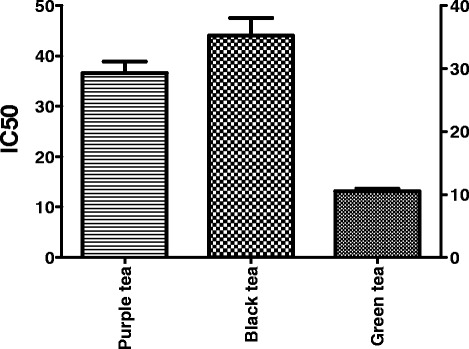
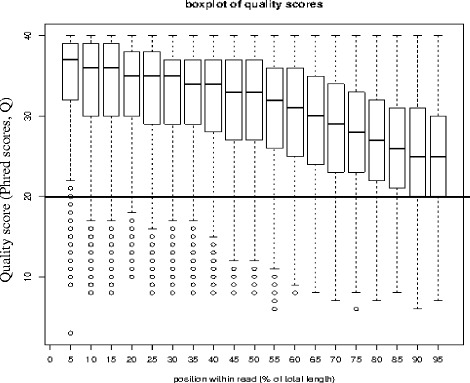
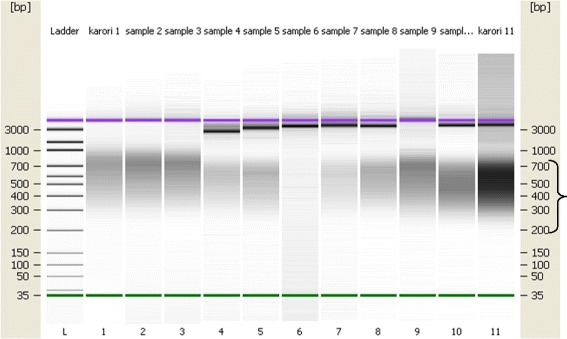
Green tea had the highest inhibition on 4TI cells proliferation at a concentration of IC = 13.12 μg/ml. Further analysis of the 4TI cancer cell line treated with tea using 454 pyrosequencing generated 425,696 reads with an input mean length of 286.54. Trimmed sequences were imported on a CLC genomic workbench v7.03 and annotated on a reference mouse genome (Mus musculus strain C57BL/6 J). Results revealed a differential expression of apoptosis related genes in the transcriptome. Casp8, Casp9, Casp3, Casp6, Casp8AP2, Aifm1, Aifm2 and Apopt1 genes were significantly upregulated indicating the process of apoptosis was initiated and executed.
These findings on caspases offer valuable information on the mechanism of tea as an anticancer agent and will contribute to further research in future novel treatments.
茶(茶树)冲泡饮品是广泛消费的饮料,具有诸多健康益处。然而,介导这些活性的生理和分子反应却鲜为人知。
将4TI癌细胞悬液(2.0×10个细胞/毫升)的三个复制品在体外与不同浓度的绿茶、红茶和黑茶冲泡液进行挑战,以评估它们对细胞的细胞毒性及相关差异表达基因。通过在96孔酶联免疫吸附测定板中对各茶冲泡液进行系列稀释来测试抑制活性。
绿茶在浓度为IC = 13.12微克/毫升时对4TI细胞增殖的抑制作用最强。使用454焦磷酸测序对用茶处理的4TI癌细胞系进行进一步分析,产生了425,696条读数,输入平均长度为286.54。修剪后的序列被导入CLC基因组工作台v7.03,并在参考小鼠基因组(小家鼠品系C57BL/6J)上进行注释。结果显示转录组中凋亡相关基因存在差异表达。Casp8、Casp9、Casp3、Casp6、Casp8AP2、Aifm1、Aifm2和Apopt1基因显著上调,表明凋亡过程已启动并执行。
这些关于半胱天冬酶的发现为茶作为抗癌剂的作用机制提供了有价值的信息,并将有助于未来新型治疗方法的进一步研究。