Slobounov Semyon M, Walter Alexa, Breiter Hans C, Zhu David C, Bai Xiaoxiao, Bream Tim, Seidenberg Peter, Mao Xianglun, Johnson Brian, Talavage Thomas M
Concussion Neuroimaging Consortium, Department of Kinesiology, The Pennsylvania State University, University Park, PA 16802, United States.
Department of Kinesiology, The Pennsylvania State University, University Park, PA 16802, United States.
Neuroimage Clin. 2017 Mar 21;14:708-718. doi: 10.1016/j.nicl.2017.03.006. eCollection 2017.
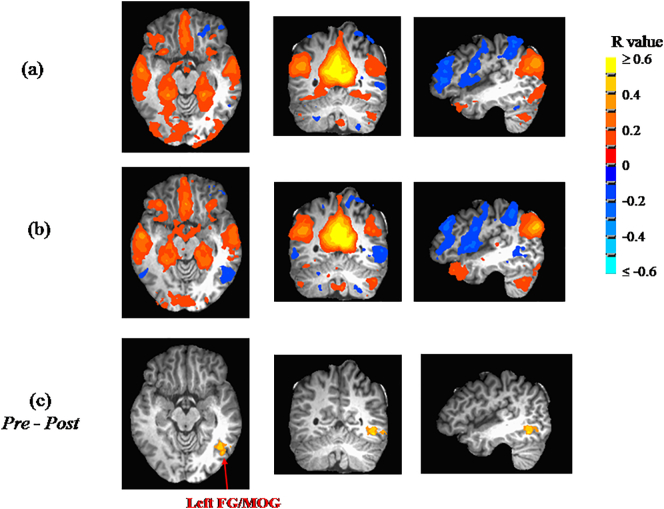
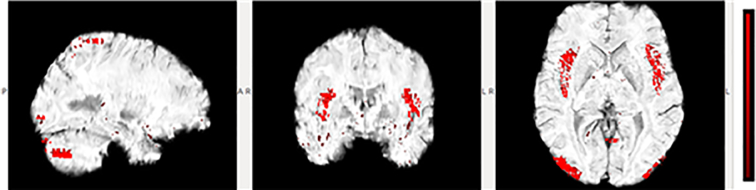
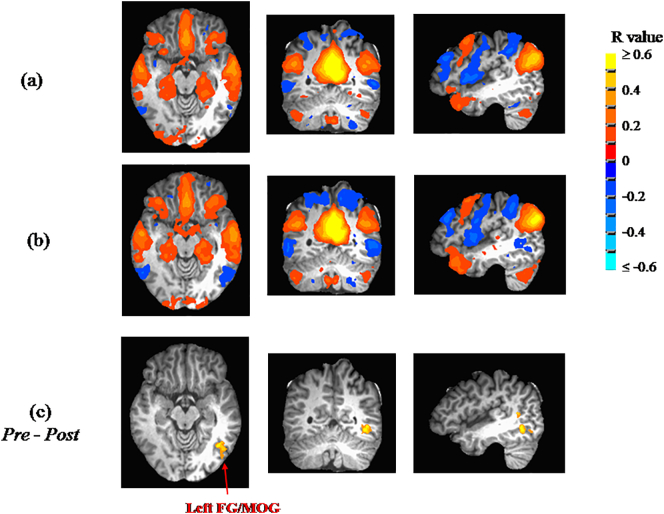
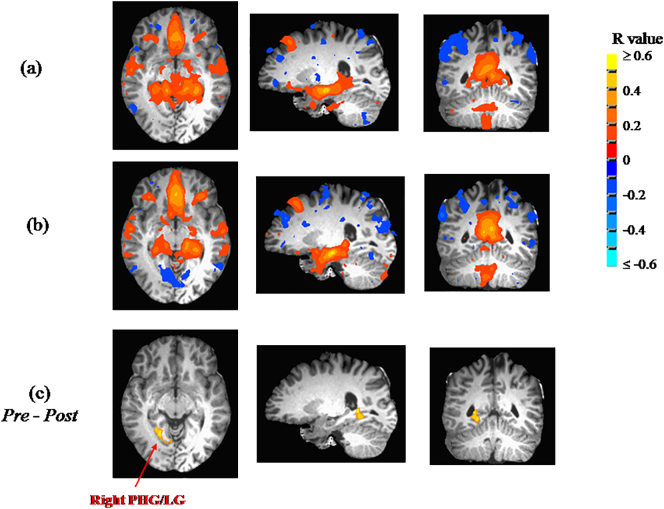
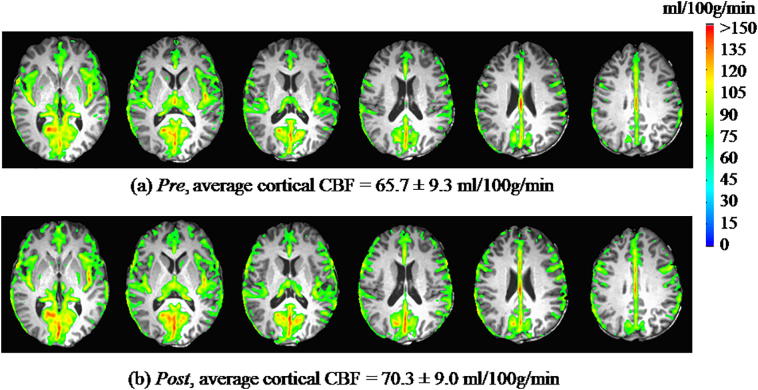
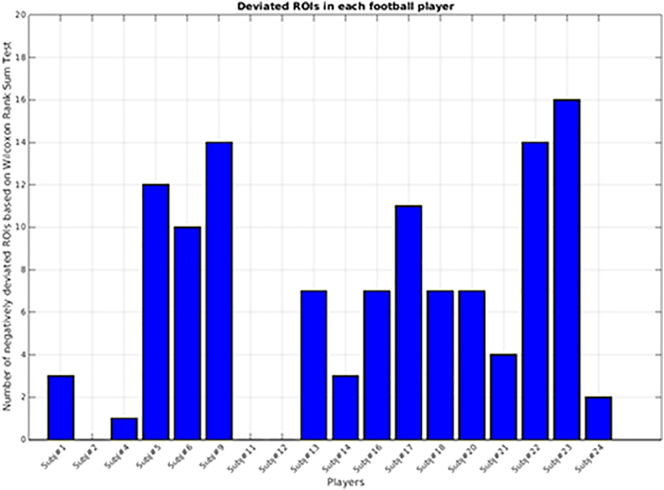
The cumulative effect of repetitive subconcussive collisions on the structural and functional integrity of the brain remains largely unknown. Athletes in collision sports, like football, experience a large number of impacts across a single season of play. The majority of these impacts, however, are generally overlooked, and their long-term consequences remain poorly understood. This study sought to examine the effects of repetitive collisions across a single competitive season in NCAA Football Bowl Subdivision athletes using advanced neuroimaging approaches. Players were evaluated before and after the season using multiple MRI sequences, including T-weighted imaging, diffusion tensor imaging (DTI), arterial spin labeling (ASL), resting-state functional MRI (rs-fMRI), and susceptibility weighted imaging (SWI). While no significant differences were found between pre- and post-season for DTI metrics or cortical volumes, seed-based analysis of rs-fMRI revealed significant ( < 0.05) changes in functional connections to right isthmus of the cingulate cortex (ICC), left ICC, and left hippocampus. ASL data revealed significant ( < 0.05) increases in global cerebral blood flow (CBF), with a specific regional increase in right postcentral gyrus. SWI data revealed that 44% of the players exhibited outlier rates ( < 0.05) of regional decreases in SWI signal. Of key interest, athletes in whom changes in rs-fMRI, CBF and SWI were observed were more likely to have experienced high G impacts on a daily basis. These findings are indicative of potential pathophysiological changes in brain integrity arising from only a single season of participation in the NCAA Football Bowl Subdivision, even in the absence of clinical symptoms or a diagnosis of concussion. Whether these changes reflect compensatory adaptation to cumulative head impacts or more lasting alteration of brain integrity remains to be further explored.
重复性轻度脑震荡碰撞对大脑结构和功能完整性的累积影响在很大程度上仍然未知。从事碰撞性运动的运动员,如橄榄球运动员,在一个赛季的比赛中会经历大量撞击。然而,这些撞击中的大多数通常被忽视,其长期后果仍知之甚少。本研究旨在使用先进的神经成像方法,研究美国国家大学体育协会(NCAA)橄榄球碗赛分区运动员在一个竞争赛季中重复性碰撞的影响。在赛季前后对球员进行评估,使用多种磁共振成像(MRI)序列,包括T加权成像、扩散张量成像(DTI)、动脉自旋标记(ASL)、静息态功能MRI(rs-fMRI)和磁敏感加权成像(SWI)。虽然在赛季前后DTI指标或皮质体积方面未发现显著差异,但基于种子点的rs-fMRI分析显示,与右侧扣带回峡部(ICC)、左侧ICC和左侧海马体的功能连接有显著(P<0.05)变化。ASL数据显示全脑血流量(CBF)有显著(P<0.05)增加,右侧中央后回有特定区域增加。SWI数据显示,44%的球员表现出SWI信号区域降低的异常率(P<0.05)。关键的是,观察到rs-fMRI、CBF和SWI有变化的运动员更有可能每天都经历高G值撞击。这些发现表明,即使在没有临床症状或脑震荡诊断的情况下,仅参加一个赛季的NCAA橄榄球碗赛分区比赛就可能导致大脑完整性出现潜在的病理生理变化。这些变化是反映对累积头部撞击的代偿性适应还是大脑完整性更持久的改变,仍有待进一步探索。