Jin Young-Hee, Choi Jang-Gi, Cho Won-Kyung, Ma Jin Yeul
Korean Medicine Application Center, Korea Institute of Oriental Medicine Daegu, South Korea.
Front Microbiol. 2017 Mar 28;8:476. doi: 10.3389/fmicb.2017.00476. eCollection 2017.
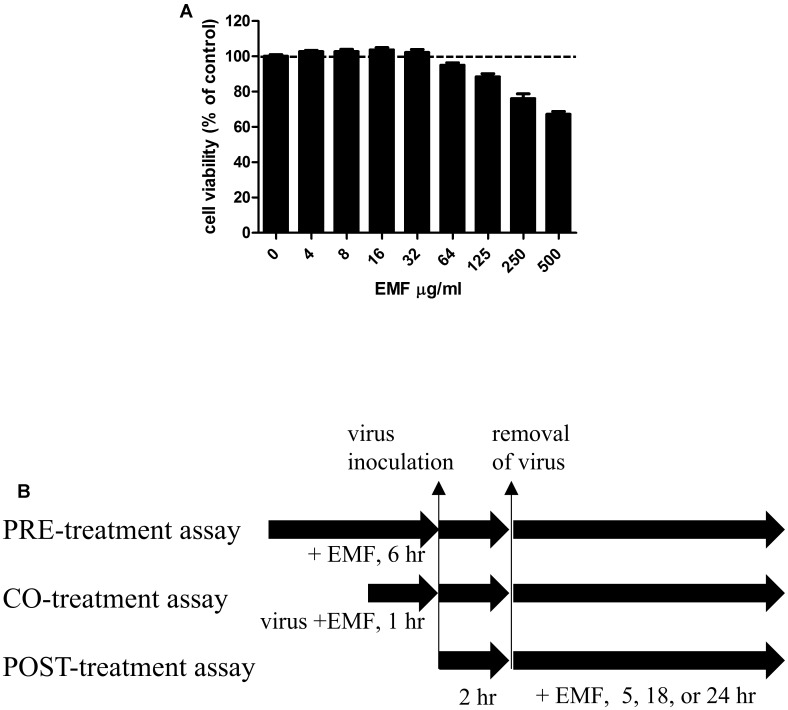
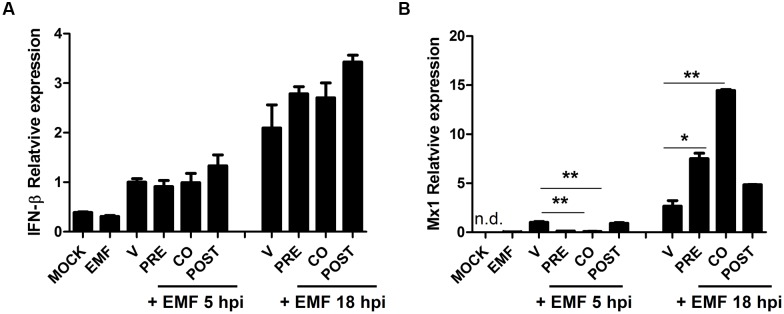
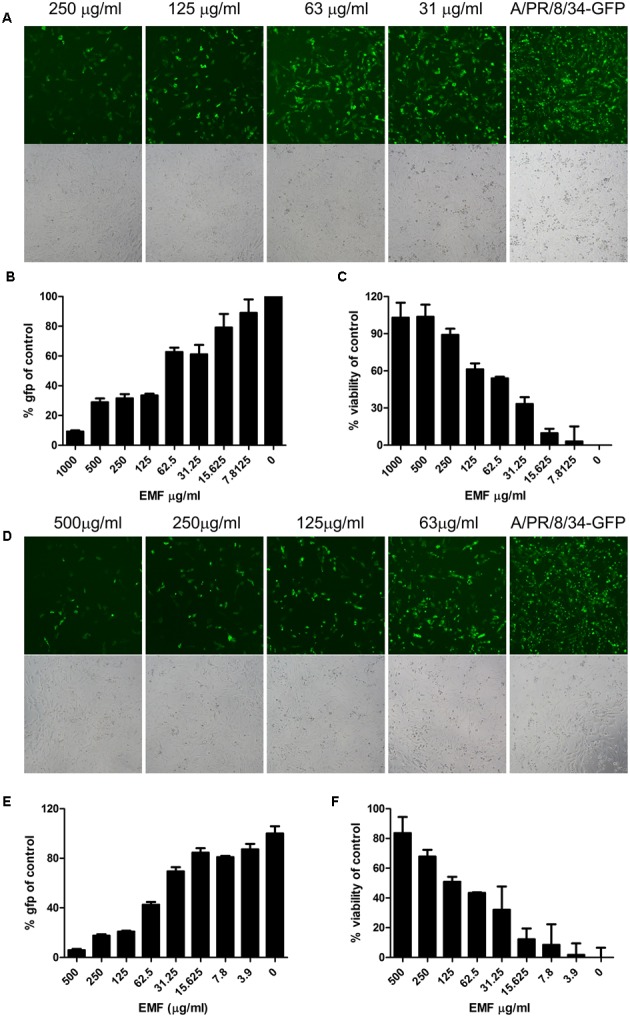
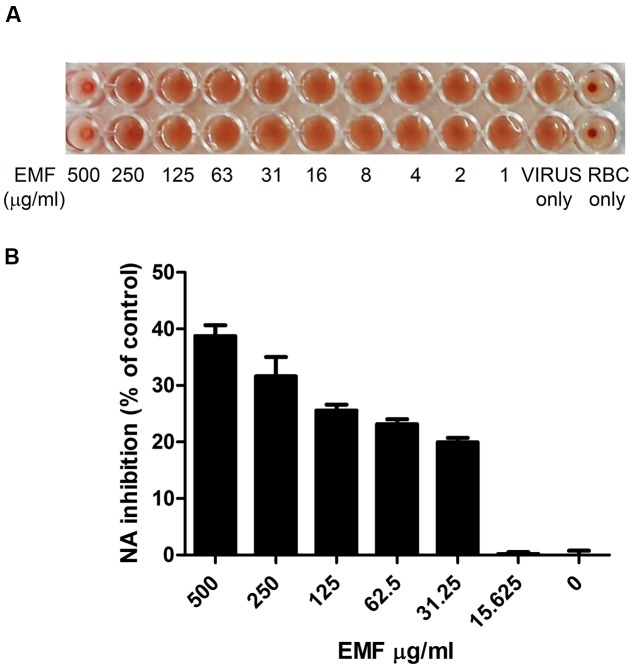
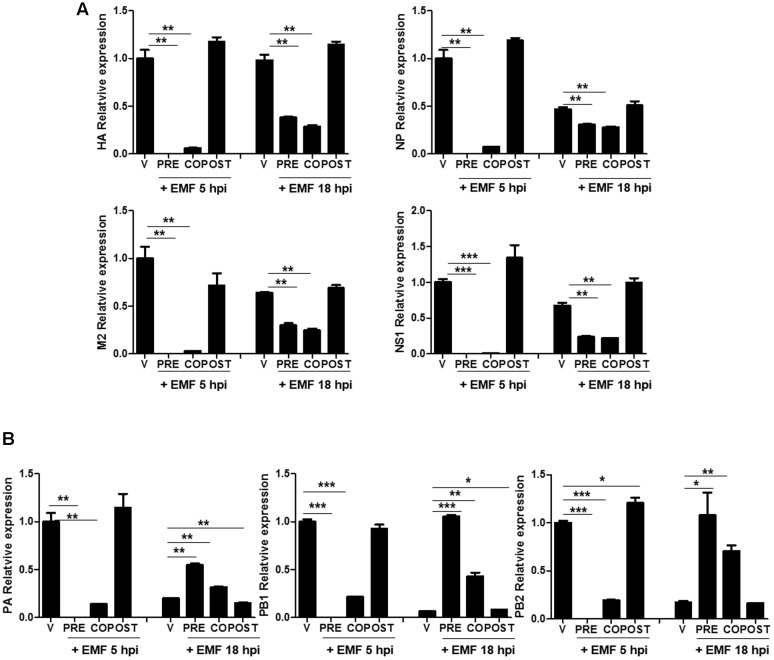
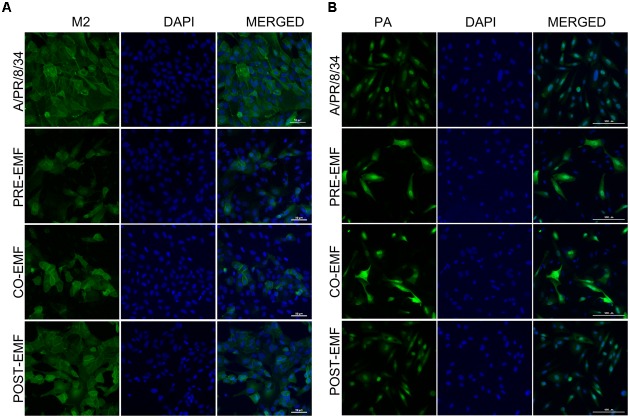
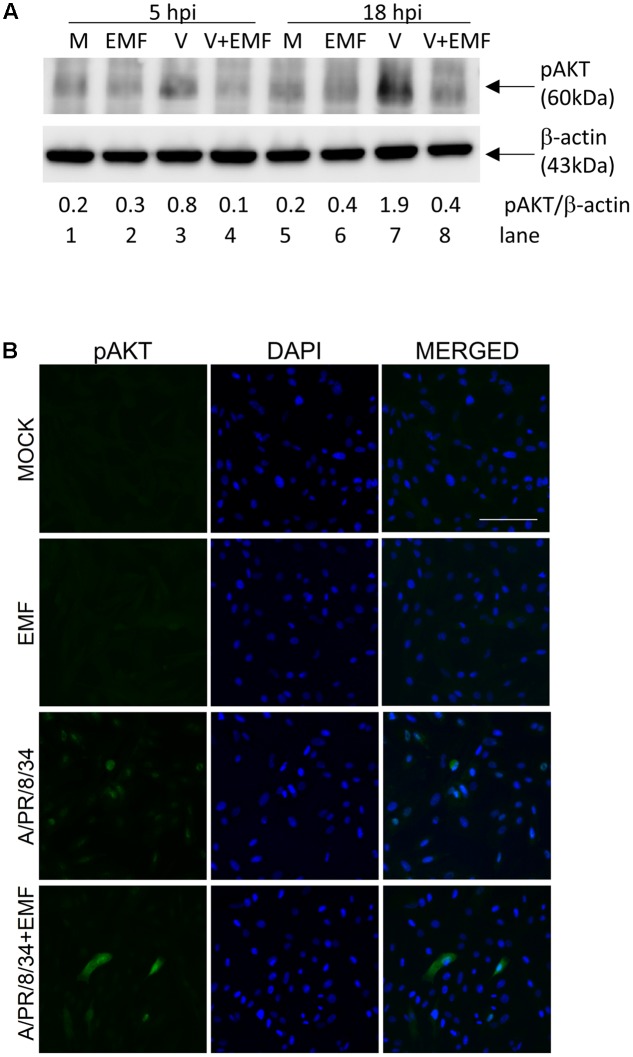
Meliae Fructus (MF) is the dried ripe fruit of Siebold et Zuccarini, Meliaceae family. MF is widely used in traditional medicine to treat inflammation and helminthic infection and has anti-bacterial, anti-oxidant, anti-cancer, anti-inflammatory, and analgesic activities. However, potential anti-influenza properties of MF have yet to be investigated. We determined whether an ethanolic extract of MF (EMF) has anti-viral activity via an EMF pre-, co-, and post-treatment assay, using the Influenza A/PR/8/34 and H3N2 virus on Madin-Darby canine kidney (MDCK) cells. The EMF had anti-influenza virus activity in pre- and co-treated cells in a dose-dependent manner, but not in post-treated cell. EMF inhibited the activity of hemagglutinin (HA) and neuraminidase (NA) of influenza virus. EMF inhibited viral HA, nucleoprotein (NP), matrix protein 2 (M2), non-structural protein 1 (NS1), polymerase acidic protein (PA), polymerase basic protein 1 (PB1), and polymerase basic protein 2 (PB2) mRNA synthesis at 5 h post infection (hpi), however, the levels of PA, PB1, and PB2 mRNA were increased in pre- and co-EMF treated cells compared with control virus-infected and EMF post-treated cells at 18 hpi. The level of M2 protein expression was also decreased upon pre- and co-treatment with EMF. The PA protein was accumulated and localized in not only the nucleus but also the cytoplasm of virus-infected MDCK cells at 18 hpi. Pre-EMF treatment inhibited the expression of pAKT, which is induced by influenza virus infection, at the stage of virus entry. We also found that treatment of EMF up-regulated the antiviral protein Mx1, which may play a partial role in inhibiting influenza virus infection in pre- and co-EMF treated MDCK cells. In summary, these results strongly suggested that an ethanolic extract of Meliae Fructus inhibited influenza A virus infection by affecting viral entry, PA proteins of the RNA polymerase complex, and Mx1 induction and may be a potential and novel anti-influenza agent.
苦楝子(MF)为楝科植物川楝(Melia toosendan Siebold et Zuccarini)的干燥成熟果实。苦楝子在传统医学中广泛用于治疗炎症和蠕虫感染,具有抗菌、抗氧化、抗癌、抗炎和镇痛活性。然而,苦楝子潜在的抗流感特性尚未得到研究。我们通过在Madin-Darby犬肾(MDCK)细胞上使用甲型流感病毒A/PR/8/34和H3N2病毒进行苦楝子乙醇提取物(EMF)的预处理、共处理和后处理试验,来确定EMF是否具有抗病毒活性。EMF在预处理和共处理的细胞中具有剂量依赖性的抗流感病毒活性,但在后处理的细胞中则没有。EMF抑制流感病毒的血凝素(HA)和神经氨酸酶(NA)活性。EMF在感染后5小时(hpi)抑制病毒HA、核蛋白(NP)、基质蛋白2(M2)、非结构蛋白1(NS1)、聚合酶酸性蛋白(PA)、聚合酶基本蛋白1(PB1)和聚合酶基本蛋白2(PB2)的mRNA合成,然而,在18 hpi时,与对照病毒感染和EMF后处理的细胞相比,预处理和共处理EMF的细胞中PA、PB1和PB2的mRNA水平有所增加。在预处理和共处理EMF后,M2蛋白表达水平也降低。在18 hpi时,PA蛋白不仅在病毒感染的MDCK细胞的细胞核中积累,还在细胞质中定位。EMF预处理在病毒进入阶段抑制了由流感病毒感染诱导的pAKT表达。我们还发现,EMF处理上调了抗病毒蛋白Mx1,这可能在预处理和共处理EMF的MDCK细胞中抑制流感病毒感染中发挥部分作用。总之,这些结果强烈表明,苦楝子乙醇提取物通过影响病毒进入、RNA聚合酶复合物的PA蛋白和Mx1诱导来抑制甲型流感病毒感染,可能是一种潜在的新型抗流感药物。