Ho Tsung-Jung, Lee Chiang-Wen, Lu Zi-Yun, Lane Hsien-Yuan, Tsai Ming-Horng, Ho Ing-Kang, Huang Chieh-Liang, Chiang Yao-Chang
Center for Drug Abuse and Addiction, China Medical University Hospital, China Medical University, Taichung, Taiwan; School of Chinese Medicine, China Medical University, Taichung, Taiwan; Division of Chinese Medicine, China Medical University Beigang Hospital, Yunlin County, Taiwan; Division of Chinese Medicine, An Nan Hospital, China Medical University, Tainan, Taiwan.
Division of Basic Medical Sciences, Department of Nursing, Chang Gung Institute of Technology and Chronic Diseases and Health Promotion Research Center, Chiayi, Taiwan; Research Center for Industry of Human Ecology, Chang Gung University of Science and Technology, Kweishan, Taoyuan, Taiwan.
Evid Based Complement Alternat Med. 2017;2017:5642708. doi: 10.1155/2017/5642708. Epub 2017 Mar 16.
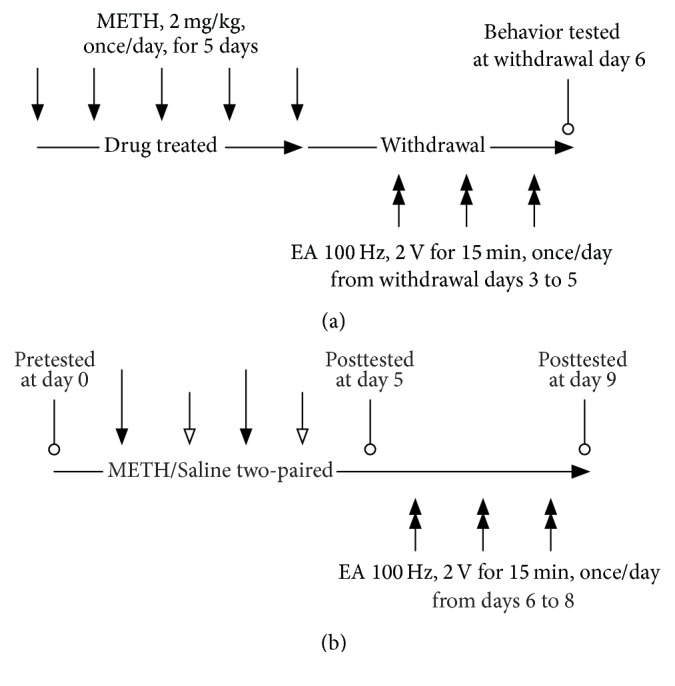
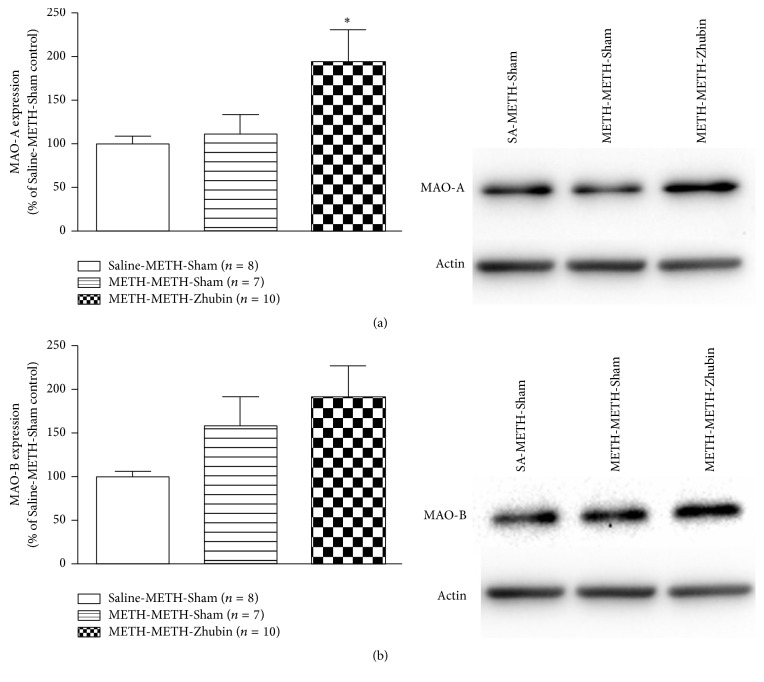
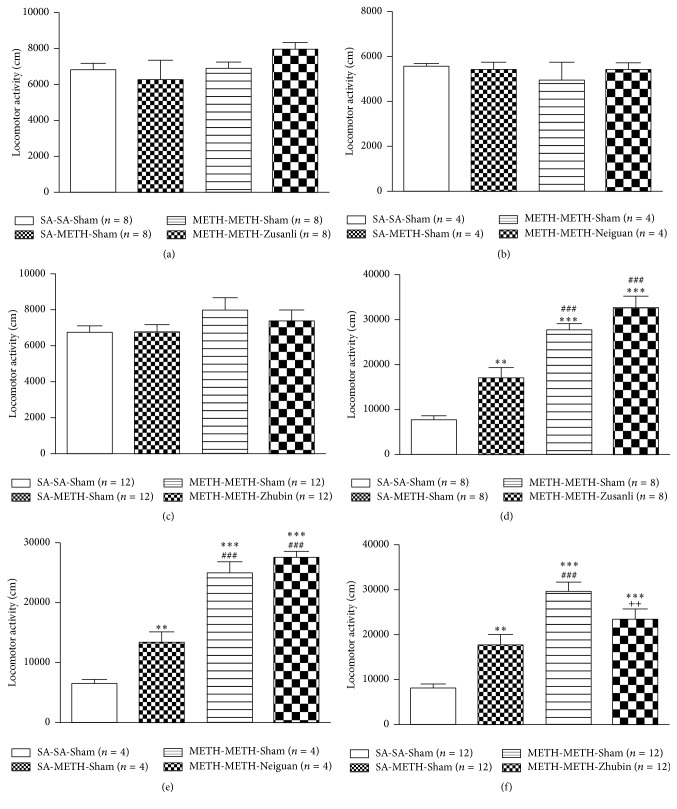
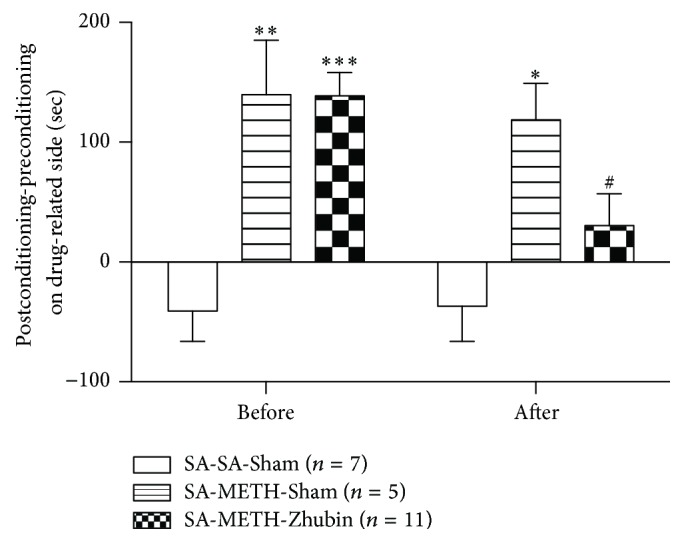
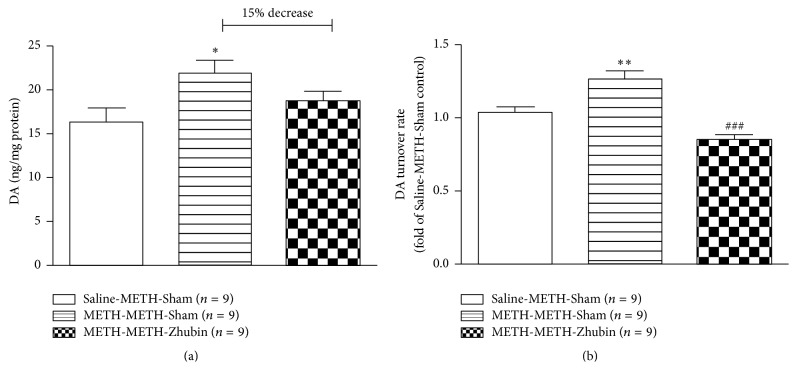
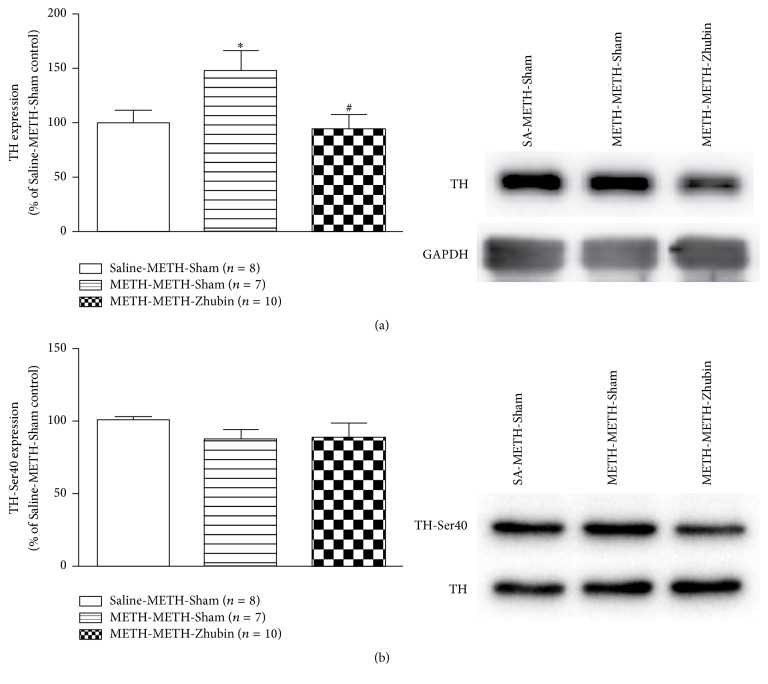
Methamphetamine (METH) is a major drug of abuse worldwide, and no efficient therapeutic strategies for treating METH addiction are currently available. Continuous METH use can cause behavioral upregulation or psychosis. The dopaminergic pathways, particularly the neural circuitry from the ventral tegmental area to the nucleus accumbens (NAc), have a critical role in this behavioral stage. Acupuncture has been used for treating diseases in China for more than 2000 years. According to a World Health Organization report, acupuncture can be used to treat several functional disorders, including substance abuse. In addition, acupuncture is effective against opioids addiction. In this study, we used electroacupuncture (EA) for treating METH-induced behavioral changes and investigated the possible therapeutic mechanism. Results showed that EA at the unilateral (KI9)- (LR3) significantly reduced METH-induced behavioral sensitization and conditioned place preference. In addition, both dopamine and tyrosine hydroxylase (TH) levels decreased but monoamine oxidase A (MAO-A) levels increased in the NAc of the METH-treated mice receiving EA compared with those not receiving EA. EA may be a useful nonpharmacological approach for treating METH-induced behavioral changes, probably because it reduces the METH-induced TH expression and dopamine levels and raises MAO-A expression in the NAc.
甲基苯丙胺(METH)是全球主要的滥用药物,目前尚无有效的治疗METH成瘾的策略。持续使用METH会导致行为上调或精神病。多巴胺能通路,特别是从腹侧被盖区到伏隔核(NAc)的神经回路,在这个行为阶段起着关键作用。针灸在中国用于治疗疾病已有2000多年的历史。根据世界卫生组织的一份报告,针灸可用于治疗多种功能障碍,包括药物滥用。此外,针灸对阿片类药物成瘾有效。在本研究中,我们使用电针(EA)治疗METH诱导的行为变化,并研究其可能的治疗机制。结果表明,单侧(KI9)-(LR3)电针显著降低了METH诱导的行为敏化和条件性位置偏爱。此外,与未接受电针的METH处理小鼠相比,接受电针的METH处理小鼠NAc中的多巴胺和酪氨酸羟化酶(TH)水平降低,但单胺氧化酶A(MAO-A)水平升高。电针可能是治疗METH诱导的行为变化的一种有用的非药物方法,可能是因为它降低了METH诱导的TH表达和多巴胺水平,并提高了NAc中MAO-A的表达。