Brzozowska Anna, Powrózek Tomasz, Homa-Mlak Iwona, Mlak Radosław, Ciesielka Marzanna, Gołębiowski Paweł, Małecka-Massalska Teresa
Department of Oncology, Medical University of Lublin, Jaczewskiego 7, 20-090, Lublin, Poland.
Department of Human Physiology, Medical University of Lublin, Radziwiłłowska 11, 20-080, Lublin, Poland.
Pathol Oncol Res. 2018 Jan;24(1):135-143. doi: 10.1007/s12253-017-0227-1. Epub 2017 Apr 11.
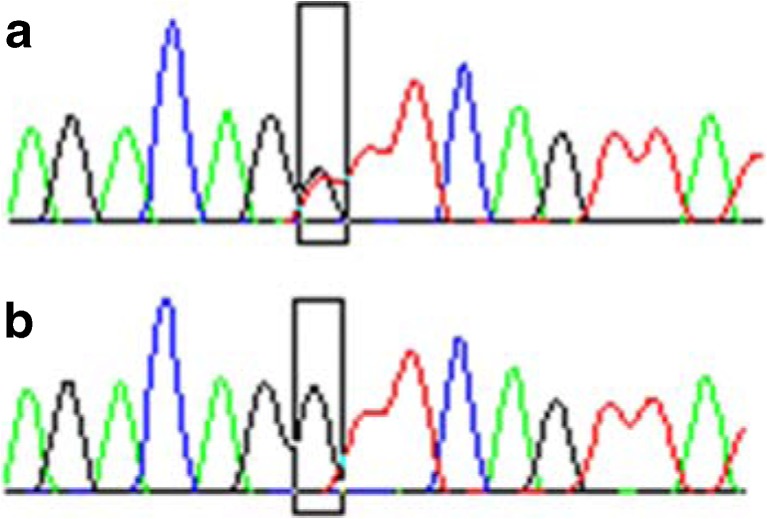
Every year, about 650 thousand new cases of Head and Neck Cancer (HNC) are diagnosed globally. Apart from surgery, radiotherapy (RTH), chemotherapy (CHT) or its combination is used in the treatment of HNC. One of the most frequent complications and, at the same time, limitations of RTH is oral mucositis (OM). Proinflammatory cytokines (including TNF-α) play a key role in the development of OM. Genetic alterations, i.e. single nucleotide polymorphisms (SNPs) within genes encoding for receptors for TNF (ie. TNFRSF1A) may change their function. The aim of this study was to investigate relationship between a polymorphism of TNFRSF1A and occurrence and severity of acute reaction after RTH for HNC patients. Data from 58 HNC patients (stages I-IV) were analyzed. All of them were irradiated using IMRT technique with doses 50-70Gy. Oral mucositis (OM) was evaluated according to RTOG/EORTC guidelines. DNA from HNC patients were isolated from whole blood and genotypes were determined by sequencing method. Patients with TT or GT genotype demonstrated higher risk of manifestation of grade 3 OM in 5th week of RTH (p=0.041; OR=9.240; 95% CI: 1.101-77.581) compared to GG carriers. Similarly, high risk of grade 3 OM in patients with T allele presence was noted in 6th week (p=0.030; OR=10.50; 95%CI:1.257-87.690) and in 7th week (p=0.008; OR=5.625; 95% CI: 1.584-19.975) of treatment compared to patients with GG homozygote. Our results indicate an association between SNP of TNFRSF1A (rs4149570) gene and risk of more severe OM related to radiation therapy for HNC patients.
全球每年约有65万例头颈部癌(HNC)新发病例被诊断出来。除手术外,放射治疗(RTH)、化疗(CHT)或其联合治疗被用于HNC的治疗。RTH最常见的并发症之一,同时也是其局限性之一,是口腔黏膜炎(OM)。促炎细胞因子(包括TNF-α)在OM的发生发展中起关键作用。基因改变,即编码TNF受体(如TNFRSF1A)的基因内的单核苷酸多态性(SNP)可能会改变其功能。本研究的目的是调查HNC患者中TNFRSF1A基因多态性与RTH后急性反应的发生及严重程度之间的关系。分析了58例HNC患者(I-IV期)的数据。所有患者均采用调强放疗(IMRT)技术,剂量为50-70Gy。根据美国放射肿瘤学协作组(RTOG)/欧洲癌症研究与治疗组织(EORTC)指南评估口腔黏膜炎(OM)。从HNC患者的全血中分离DNA,并通过测序方法确定基因型。与携带GG基因型的患者相比,携带TT或GT基因型的患者在RTH第5周出现3级OM的风险更高(p=0.041;OR=9.240;95%CI:1.101-77.581)。同样,与GG纯合子患者相比,在治疗的第6周(p=0.030;OR=10.50;95%CI:1.257-87.690)和第7周(p=0.008;OR=5.625;95%CI:1.584-19.975),存在T等位基因的患者出现3级OM的风险较高。我们的结果表明,TNFRSF1A(rs4149570)基因的SNP与HNC患者放疗相关的更严重OM风险之间存在关联。