Lund Jenny, Rustan Arild C, Løvsletten Nils G, Mudry Jonathan M, Langleite Torgrim M, Feng Yuan Z, Stensrud Camilla, Brubak Mari G, Drevon Christian A, Birkeland Kåre I, Kolnes Kristoffer J, Johansen Egil I, Tangen Daniel S, Stadheim Hans K, Gulseth Hanne L, Krook Anna, Kase Eili T, Jensen Jørgen, Thoresen G Hege
Department of Pharmaceutical Biosciences, School of Pharmacy, University of Oslo, Oslo, Norway.
Integrative Physiology, Department of Physiology and Pharmacology, Karolinska Institutet, Stockholm, Sweden.
PLoS One. 2017 Apr 12;12(4):e0175441. doi: 10.1371/journal.pone.0175441. eCollection 2017.
Physical activity has preventive as well as therapeutic benefits for overweight subjects. In this study we aimed to examine effects of in vivo exercise on in vitro metabolic adaptations by studying energy metabolism in cultured myotubes isolated from biopsies taken before and after 12 weeks of extensive endurance and strength training, from healthy sedentary normal weight and overweight men.
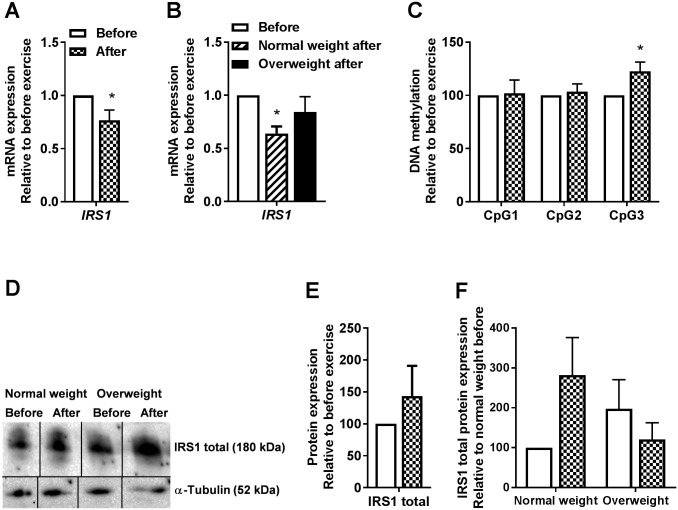
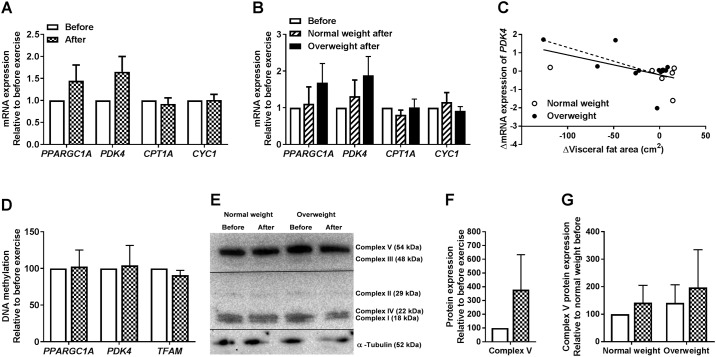
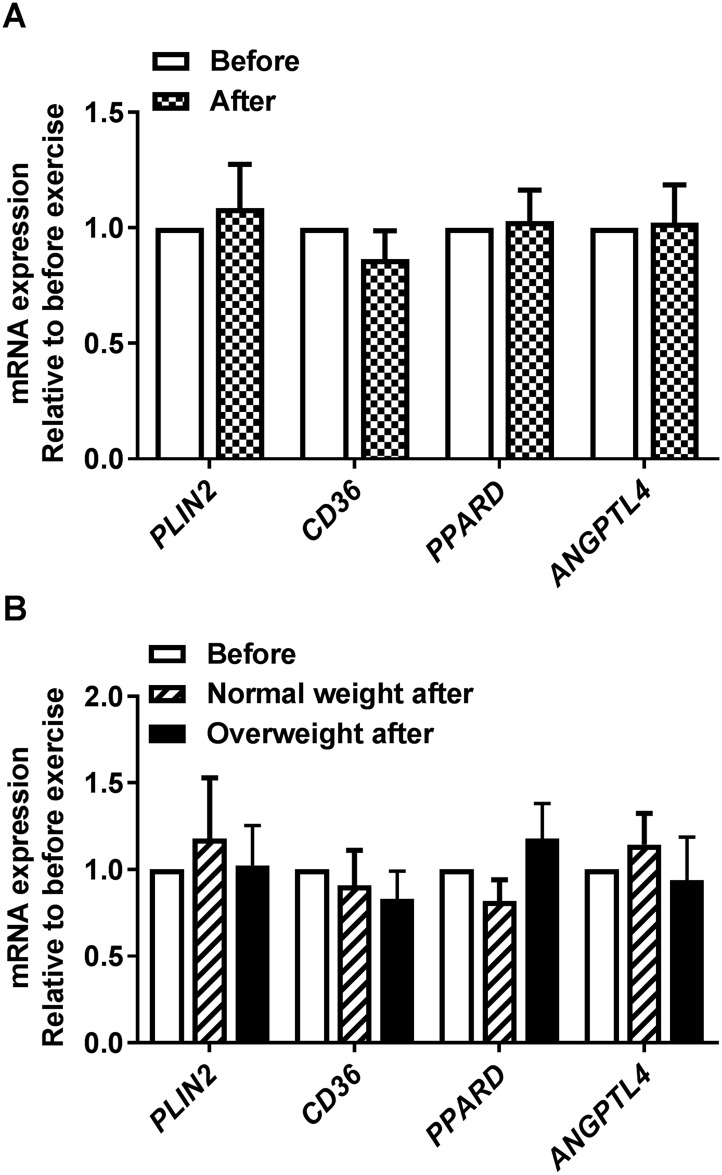
Healthy sedentary men, aged 40-62 years, with normal weight (body mass index (BMI) < 25 kg/m2) or overweight (BMI ≥ 25 kg/m2) were included. Fatty acid and glucose metabolism were studied in myotubes using [14C]oleic acid and [14C]glucose, respectively. Gene and protein expressions, as well as DNA methylation were measured for selected genes.
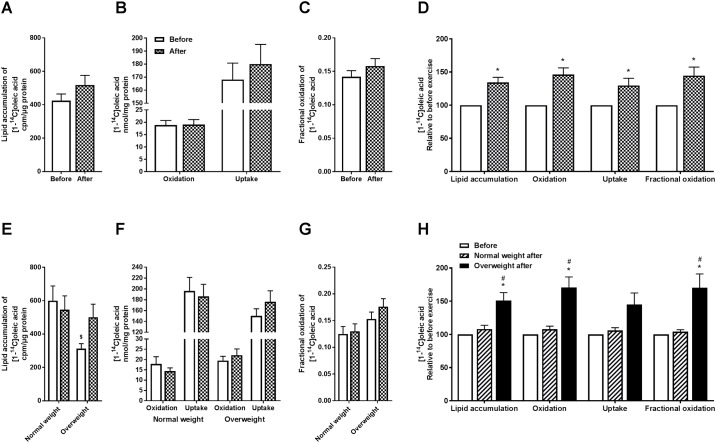
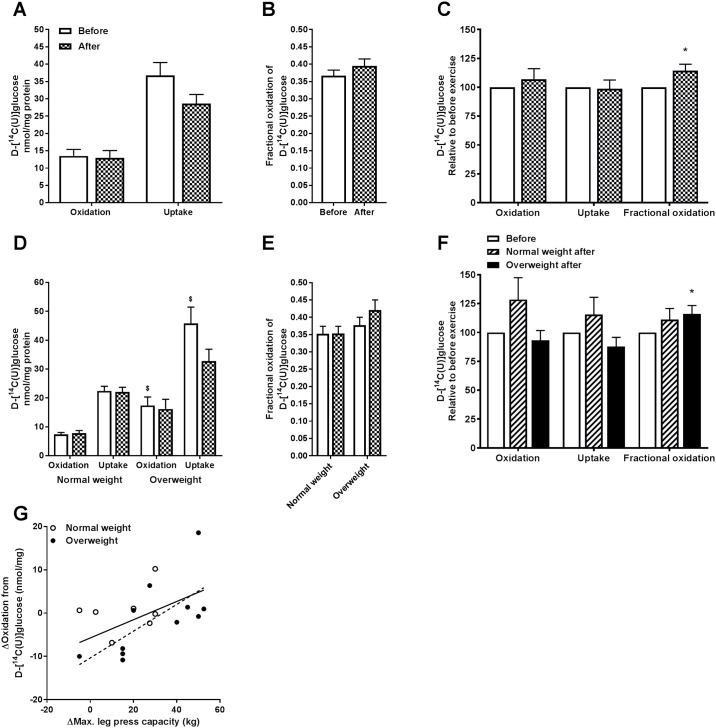
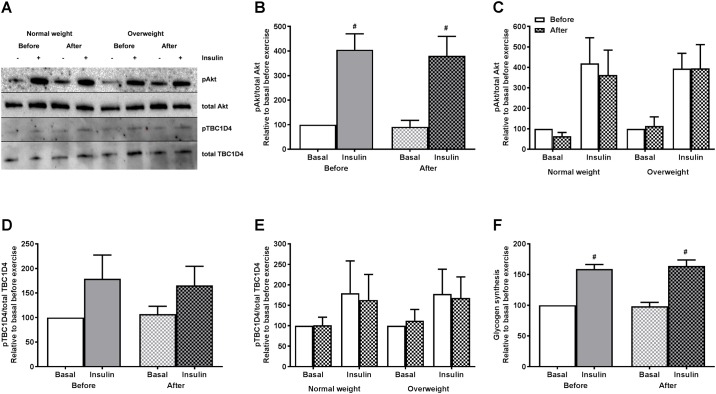
The 12-week training intervention improved endurance, strength and insulin sensitivity in vivo, and reduced the participants' body weight. Biopsy-derived cultured human myotubes after exercise showed increased total cellular oleic acid uptake (30%), oxidation (46%) and lipid accumulation (34%), as well as increased fractional glucose oxidation (14%) compared to cultures established prior to exercise. Most of these exercise-induced increases were significant in the overweight group, whereas the normal weight group showed no change in oleic acid or glucose metabolism.
12 weeks of combined endurance and strength training promoted increased lipid and glucose metabolism in biopsy-derived cultured human myotubes, showing that training in vivo are able to induce changes in human myotubes that are discernible in vitro.
体育活动对超重人群具有预防和治疗作用。在本研究中,我们旨在通过研究从健康久坐的正常体重和超重男性进行12周的广泛耐力和力量训练前后所取活检组织中分离出的培养肌管的能量代谢,来检验体内运动对体外代谢适应性的影响。
纳入年龄在40 - 62岁之间、体重正常(体重指数(BMI)< 25 kg/m²)或超重(BMI≥25 kg/m²)的健康久坐男性。分别使用[¹⁴C]油酸和[¹⁴C]葡萄糖研究肌管中的脂肪酸和葡萄糖代谢。对选定基因的基因和蛋白质表达以及DNA甲基化进行测量。
为期12周的训练干预改善了体内的耐力、力量和胰岛素敏感性,并降低了参与者的体重。与运动前建立的培养物相比,运动后活检获得的培养人肌管显示总细胞油酸摄取增加(30%)、氧化增加(46%)和脂质积累增加(34%),以及葡萄糖氧化分数增加(14%)。这些运动诱导的增加在超重组中大多具有显著性,而正常体重组的油酸或葡萄糖代谢没有变化。
12周的耐力和力量训练相结合促进了活检获得的培养人肌管中脂质和葡萄糖代谢的增加,表明体内训练能够诱导人肌管发生在体外可辨别的变化。