Department of Biology, Howard Hughes Medical Institute, Stanford University, 385 Serra Mall, California 94305, USA.
Department of Electrical Engineering, Stanford University, 350 Serra Mall, California 94305, USA.
Nat Commun. 2017 Apr 13;8:15063. doi: 10.1038/ncomms15063.
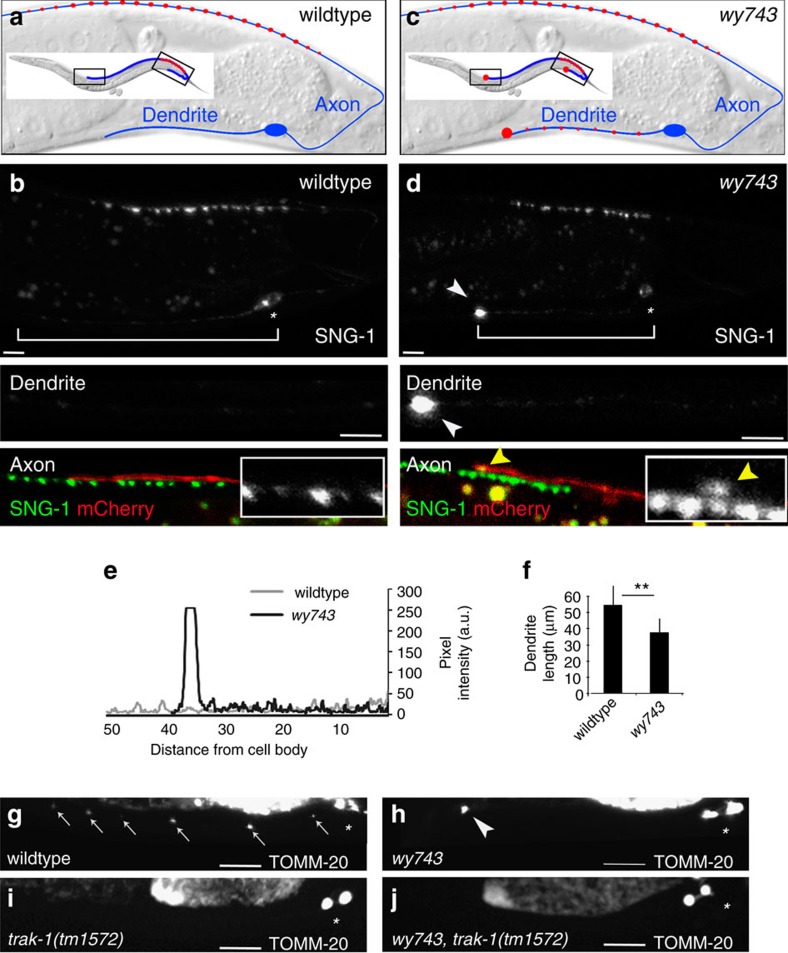
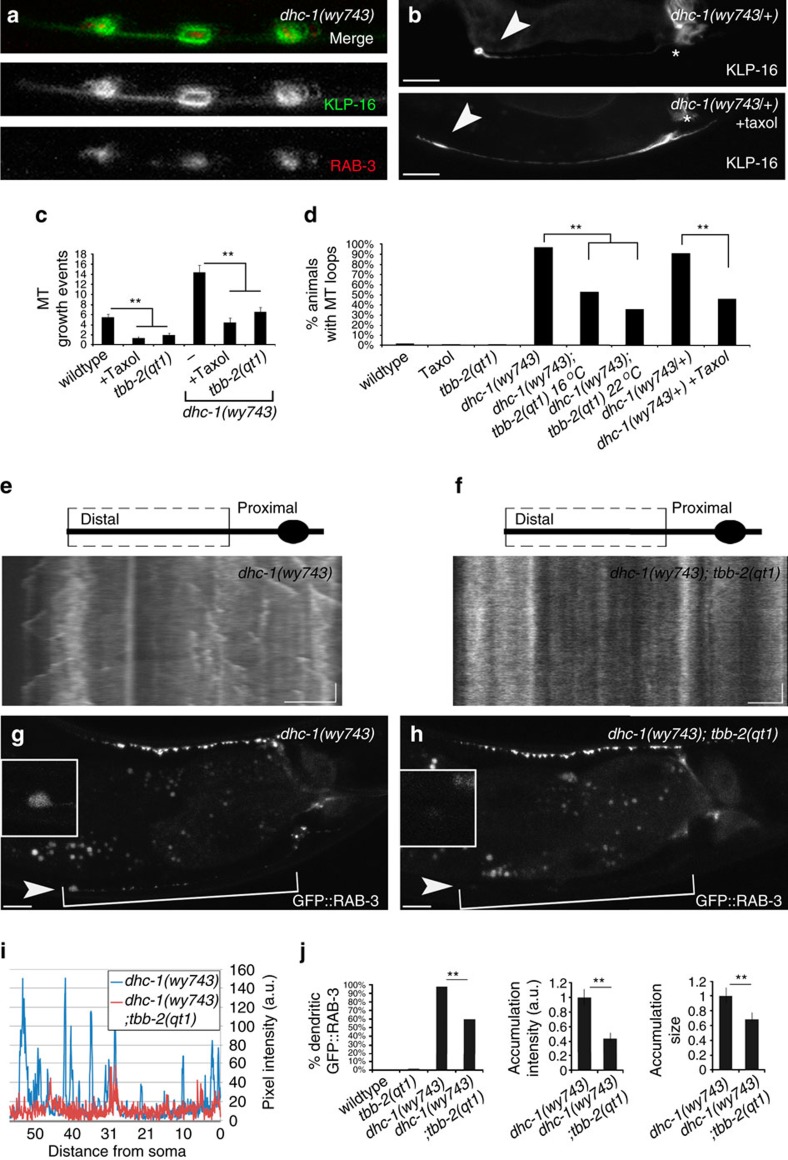
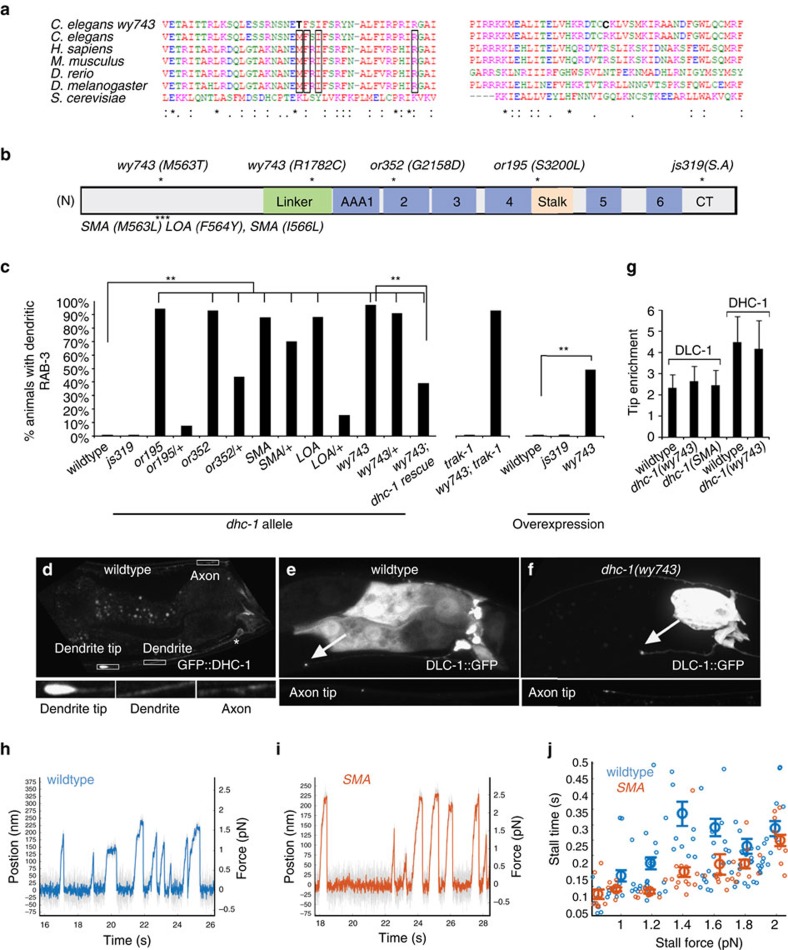
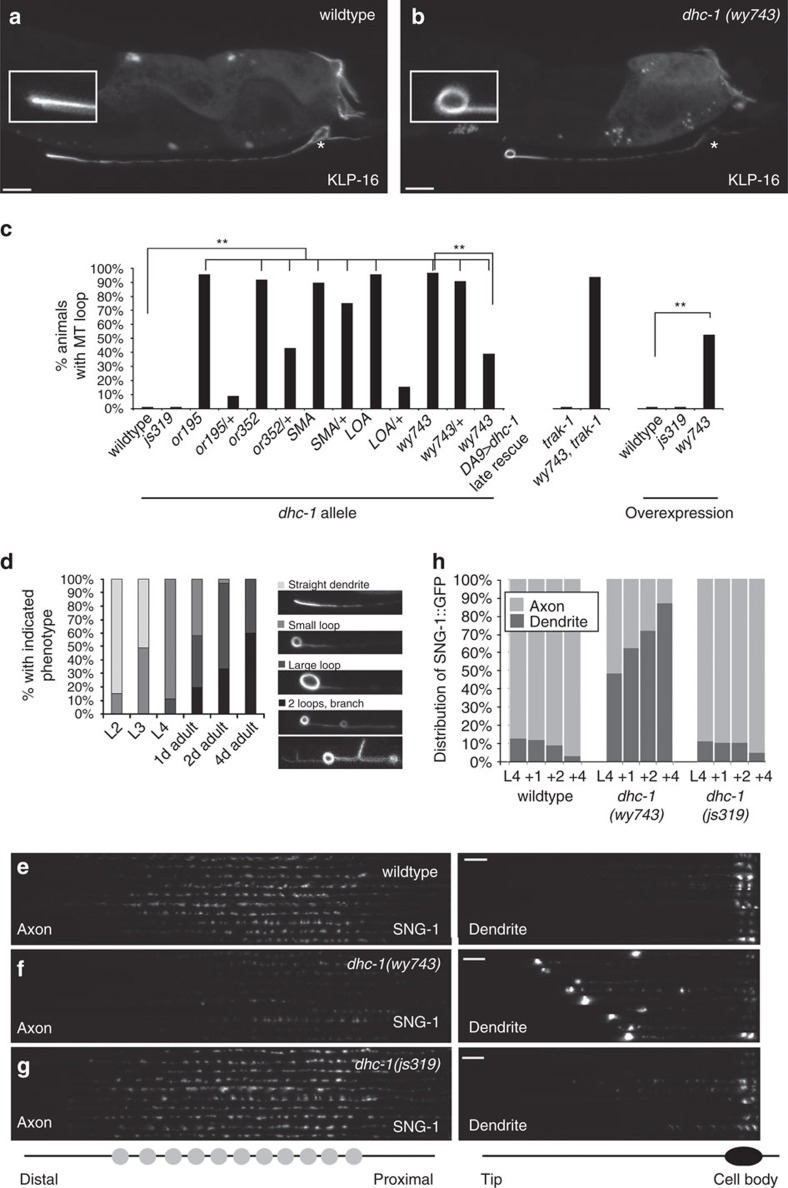
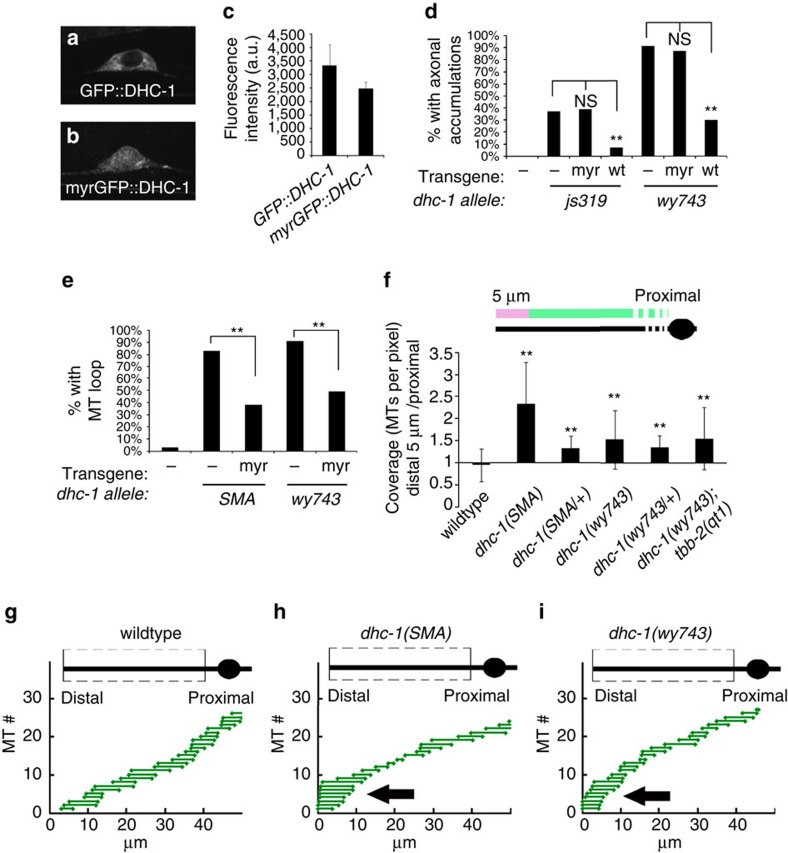
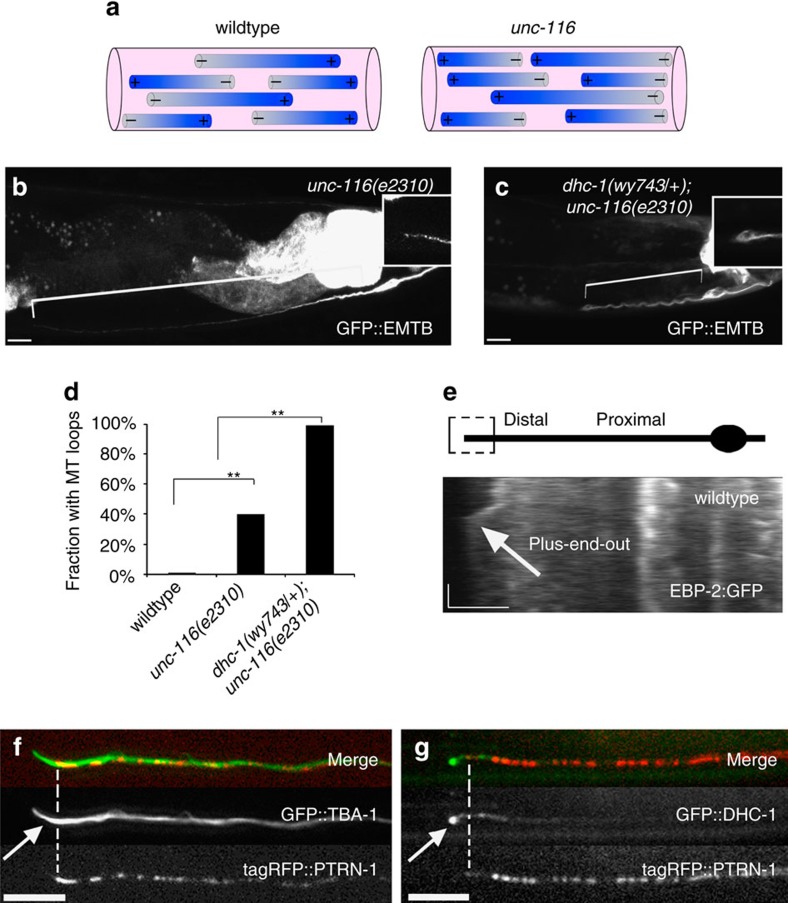
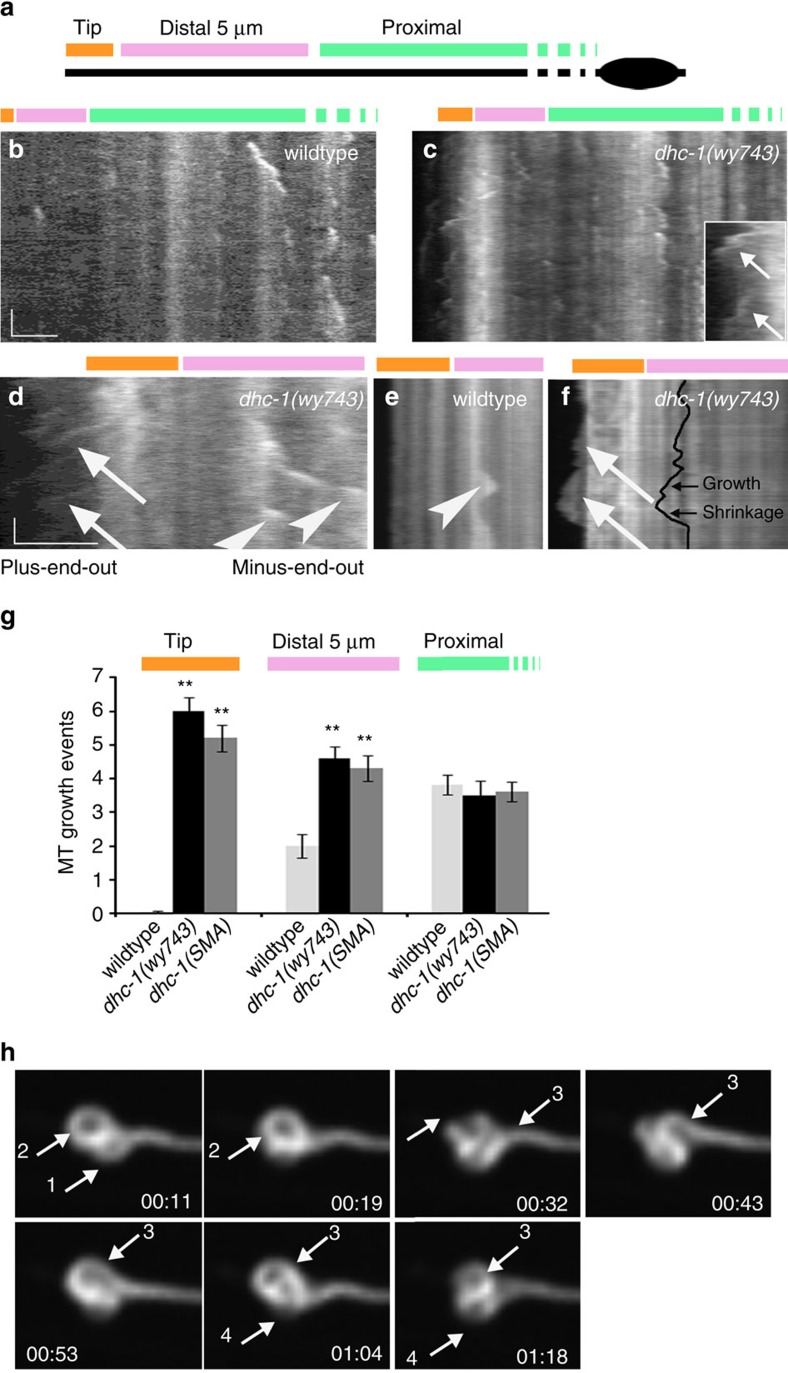
Abnormal axonal transport is associated with neuronal disease. We identified a role for DHC-1, the C. elegans dynein heavy chain, in maintaining neuronal cargo distribution. Surprisingly, this does not involve dynein's role as a retrograde motor in cargo transport, hinging instead on its ability to inhibit microtubule (MT) dynamics. Neuronal MTs are highly static, yet the mechanisms and functional significance of this property are not well understood. In disease-mimicking dhc-1 alleles, excessive MT growth and collapse occur at the dendrite tip, resulting in the formation of aberrant MT loops. These unstable MTs act as cargo traps, leading to ectopic accumulations of cargo and reduced availability of cargo at normal locations. Our data suggest that an anchored dynein pool interacts with plus-end-out MTs to stabilize MTs and allow efficient retrograde transport. These results identify functional significance for neuronal MT stability and suggest a mechanism for cellular dysfunction in dynein-linked disease.
异常的轴突运输与神经元疾病有关。我们发现,线虫的动力蛋白重链 DHC-1 在维持神经元货物分布中起着重要作用。令人惊讶的是,这并不涉及动力蛋白作为货物运输的逆行马达的作用,而是取决于它抑制微管 (MT) 动力学的能力。神经元 MT 高度稳定,但这种特性的机制和功能意义还不是很清楚。在模拟疾病的 dhc-1 等位基因中,过量的 MT 生长和崩溃发生在树突尖端,导致异常 MT 环的形成。这些不稳定的 MT 作为货物陷阱,导致货物的异位积累,并减少正常位置的货物可用性。我们的数据表明,一个固定的动力蛋白池与正极向外的 MT 相互作用,以稳定 MT 并允许有效的逆行运输。这些结果确定了神经元 MT 稳定性的功能意义,并提出了动力蛋白相关疾病中细胞功能障碍的机制。