Department of Psychological and Brain Sciences, Indiana University, Bloomington, IN, USA.
Program in Neuroscience, Indiana University, Bloomington, IN, USA.
Sci Rep. 2017 Apr 20;7(1):944. doi: 10.1038/s41598-017-01062-2.
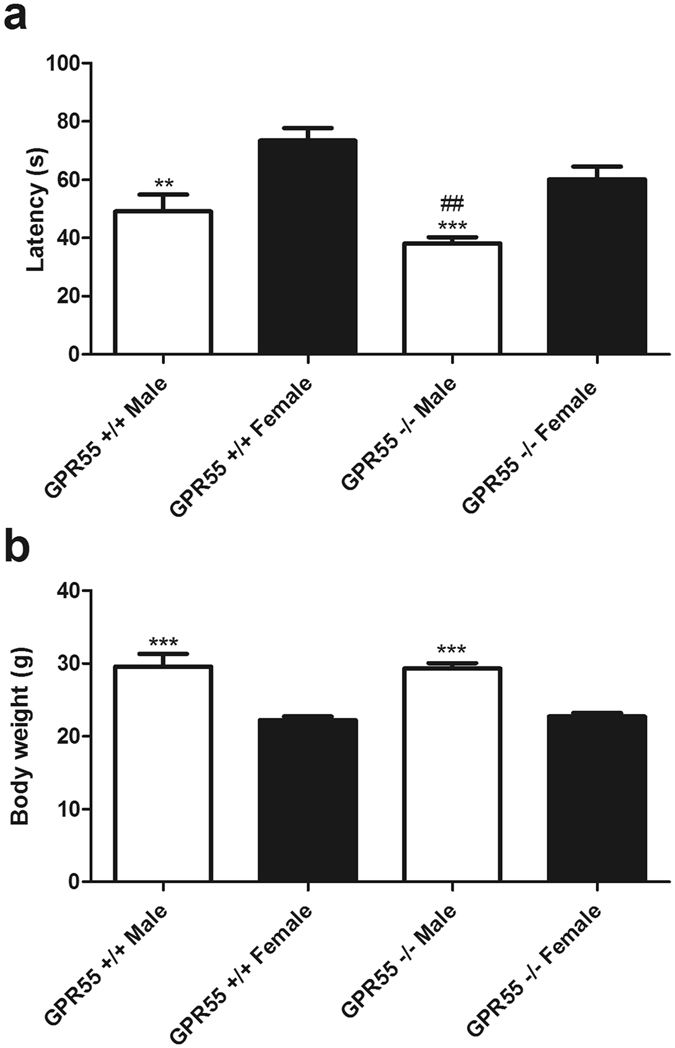
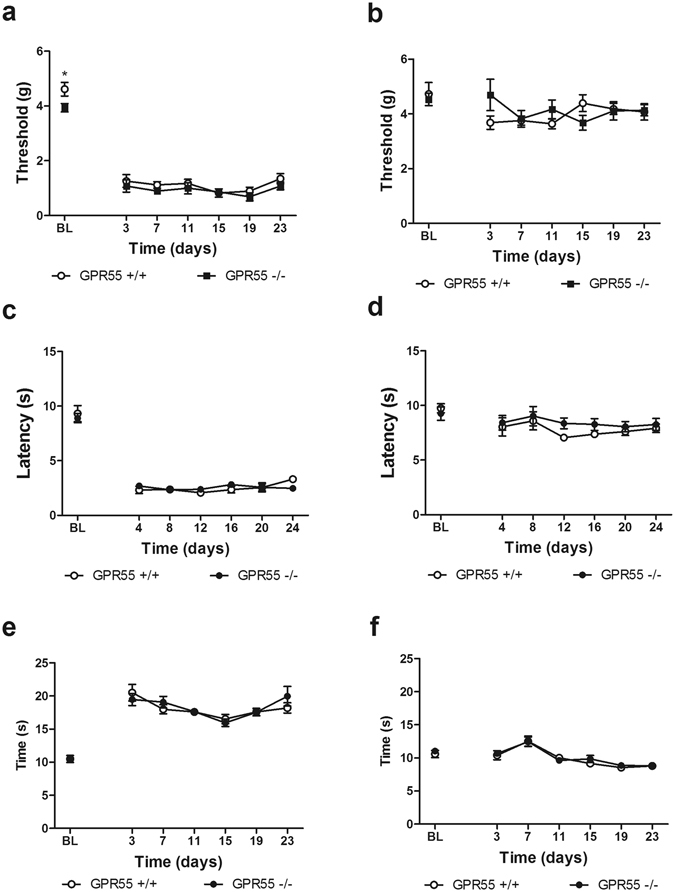
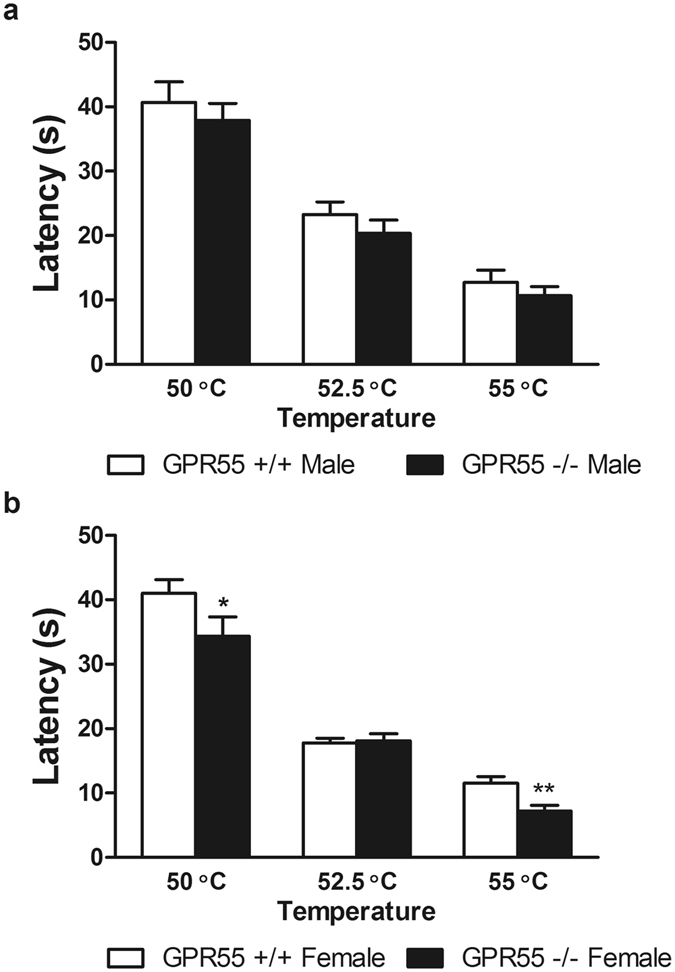
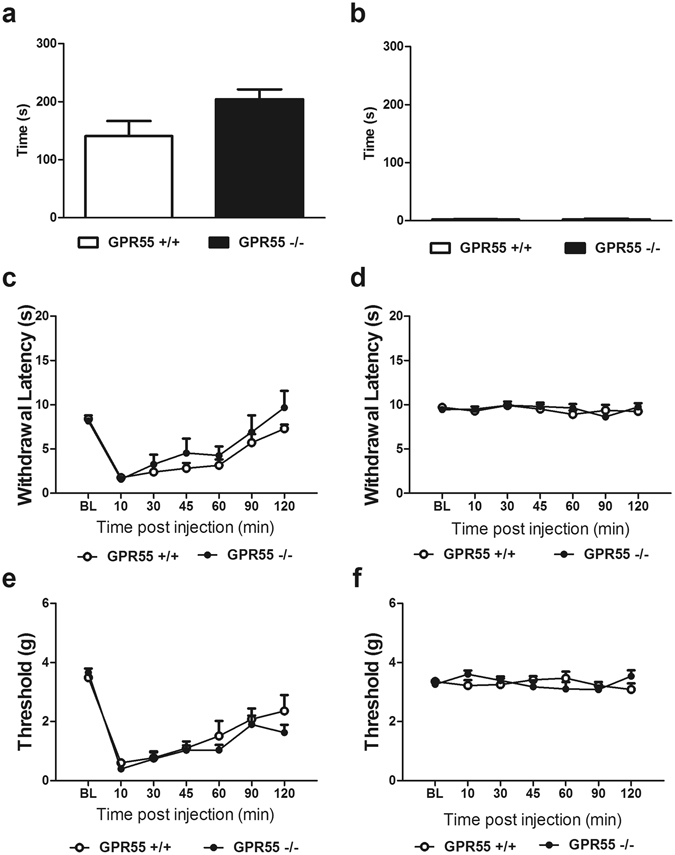
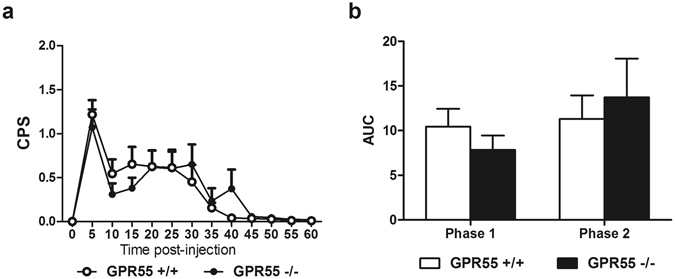
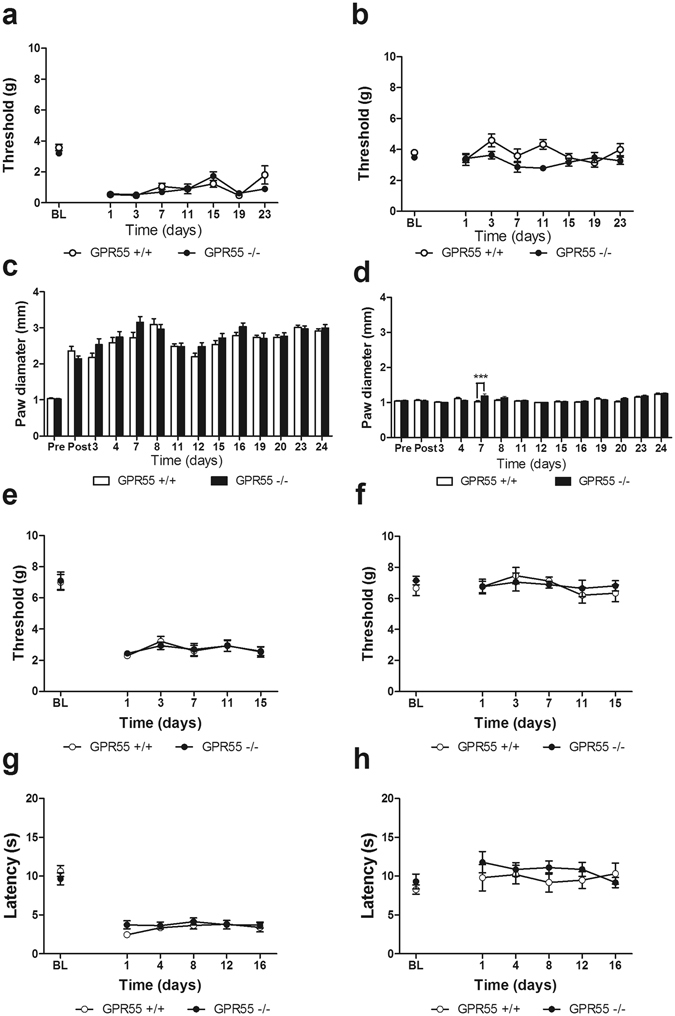
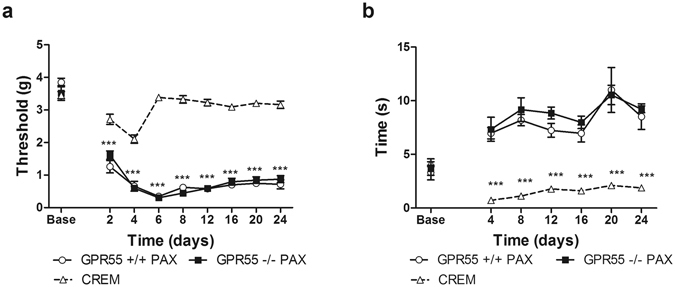
The G-protein coupled receptor GPR55 has been postulated to serve as a novel cannabinoid receptor. A previous report indicated that GPR55 knockout mice fail to develop mechanical hyperalgesia, suggesting a pro-nociceptive role for GPR55 in the control of nociceptive responding. However, GPR55 knockout mice remain incompletely characterized in models of pathological pain. Here we provide a comprehensive assessment of responses of GPR55 knockout and wild-type mice to mechanical and thermal (heat, cold) stimulation in multiple, mechanistically distinct models of inflammatory and neuropathic pain. Inflammatory sensitization was produced by intraplantar administration of capsaicin, formalin or complete Freund's adjuvant. No differences in responding were detected between GPR55 knockout and wild-type mice in any model of inflammatory nociception assessed. Neuropathic pain was induced by partial sciatic nerve ligation (which induces hypersensitivity to mechanical, cold and heat stimulation) or by treatment with the chemotherapeutic agent paclitaxel (which induces hypersensitivity to mechanical and cold stimulation only). No differences were observed between GPR55 knockout and wild type mice in either development or maintenance of neuropathic nociception in either neuropathic pain model. In conclusion, genetic deletion of GPR55 did not alter the development of pathological pain in adult mice in any chronic pain model evaluated.
G 蛋白偶联受体 GPR55 被假定为一种新型大麻素受体。先前的一份报告表明,GPR55 基因敲除小鼠不会产生机械性痛觉过敏,这表明 GPR55 在控制痛觉反应中具有促伤害作用。然而,在病理性疼痛模型中,GPR55 基因敲除小鼠的特征仍然不完全明确。在这里,我们在多种机制不同的炎症性和神经性疼痛模型中,全面评估了 GPR55 基因敲除和野生型小鼠对机械和热(热、冷)刺激的反应。通过足底内注射辣椒素、甲醛或完全弗氏佐剂来产生炎症性致敏。在评估的任何炎症性伤害感受模型中,GPR55 基因敲除和野生型小鼠的反应均无差异。通过坐骨神经部分结扎(引起对机械、冷和热刺激的超敏反应)或用化疗药物紫杉醇(仅引起对机械和冷刺激的超敏反应)诱导神经性疼痛。在两种神经性疼痛模型中,均未观察到 GPR55 基因敲除和野生型小鼠在神经性疼痛的发展或维持方面存在差异。总之,在评估的任何慢性疼痛模型中,GPR55 的基因缺失均未改变成年小鼠病理性疼痛的发展。