Gluchowski Nina L, Becuwe Michel, Walther Tobias C, Farese Robert V
Department of Genetics and Complex Diseases, Harvard T. H. Chan School of Public Health, 655 Huntington Avenue, Boston, Massachusetts 02115, USA.
Boston Children's Hospital Department of Gastroenterology, Hepatology and Nutrition, 300 Longwood Avenue Boston, Massachusetts 02115, USA.
Nat Rev Gastroenterol Hepatol. 2017 Jun;14(6):343-355. doi: 10.1038/nrgastro.2017.32. Epub 2017 Apr 21.
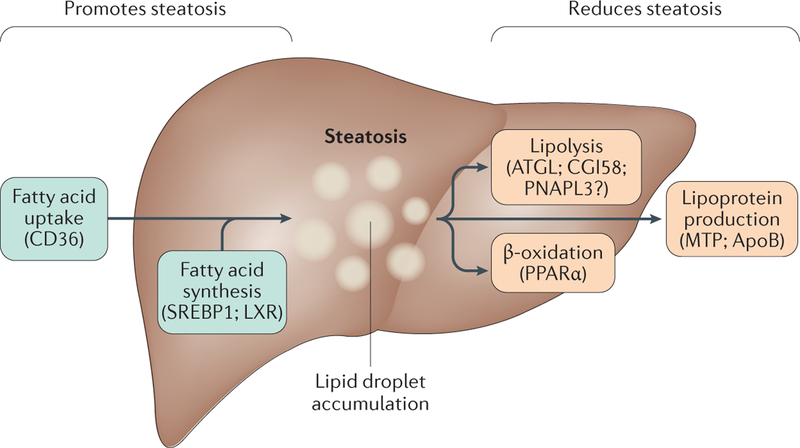
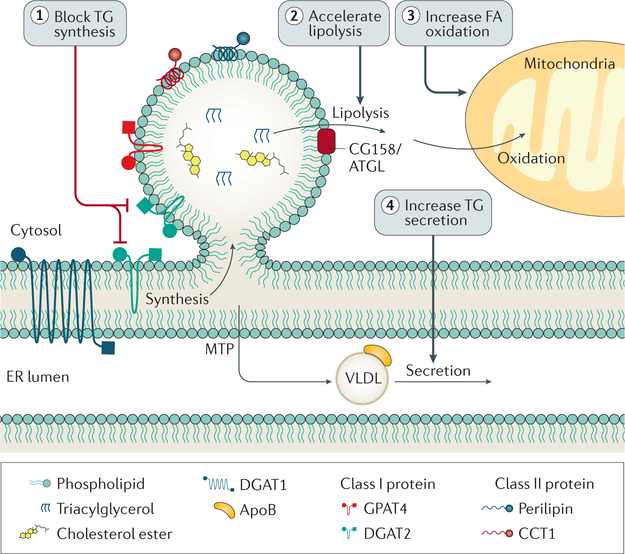
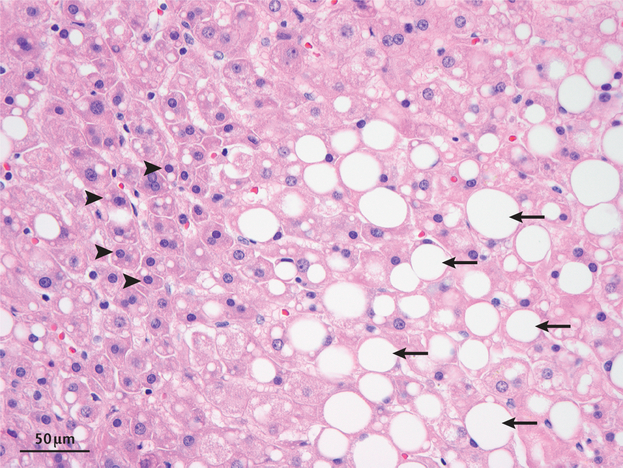
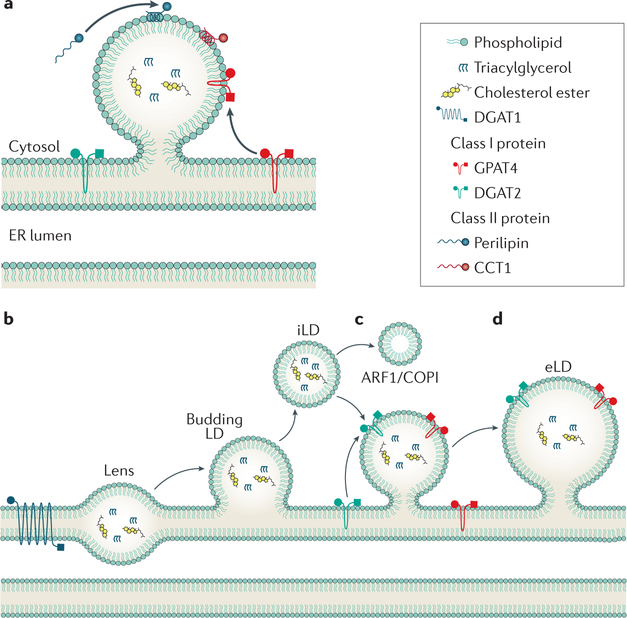
Lipid droplets are dynamic organelles that store neutral lipids during times of energy excess and serve as an energy reservoir during deprivation. Many prevalent metabolic diseases, such as the metabolic syndrome or obesity, often result in abnormal lipid accumulation in lipid droplets in the liver, also called hepatic steatosis. Obesity-related steatosis, or NAFLD in particular, is a major public health concern worldwide and is frequently associated with insulin resistance and type 2 diabetes mellitus. Here, we review the latest insights into the biology of lipid droplets and their role in maintaining lipid homeostasis in the liver. We also offer a perspective of liver diseases that feature lipid accumulation in these lipid storage organelles, which include NAFLD and viral hepatitis. Although clinical applications of this knowledge are just beginning, we highlight new opportunities for identifying molecular targets for treating hepatic steatosis and steatohepatitis.
脂滴是动态细胞器,在能量过剩时储存中性脂质,并在能量缺乏时作为能量储备。许多常见的代谢性疾病,如代谢综合征或肥胖症,常常导致肝脏脂滴中脂质异常蓄积,即肝脂肪变性。与肥胖相关的脂肪变性,尤其是非酒精性脂肪性肝病(NAFLD),是全球主要的公共卫生问题,且常与胰岛素抵抗和2型糖尿病相关。在此,我们综述了脂滴生物学的最新见解及其在维持肝脏脂质稳态中的作用。我们还展望了以这些脂质储存细胞器中脂质蓄积为特征的肝脏疾病,包括NAFLD和病毒性肝炎。尽管这方面知识的临床应用才刚刚起步,但我们强调了识别治疗肝脂肪变性和脂肪性肝炎分子靶点的新机会。