Wang Nian, Mao Li, Yang Liu, Zou Jiang, Liu Ke, Liu Meidong, Zhang Huali, Xiao Xianzhong, Wang Kangkai
Department of Pathophysiology, Xiangya School of Medicine, Translational Medicine Center of Sepsis, Central South University, Changsha, 410078, Hunan, China.
Oncotarget. 2017 May 30;8(22):36449-36461. doi: 10.18632/oncotarget.16860.
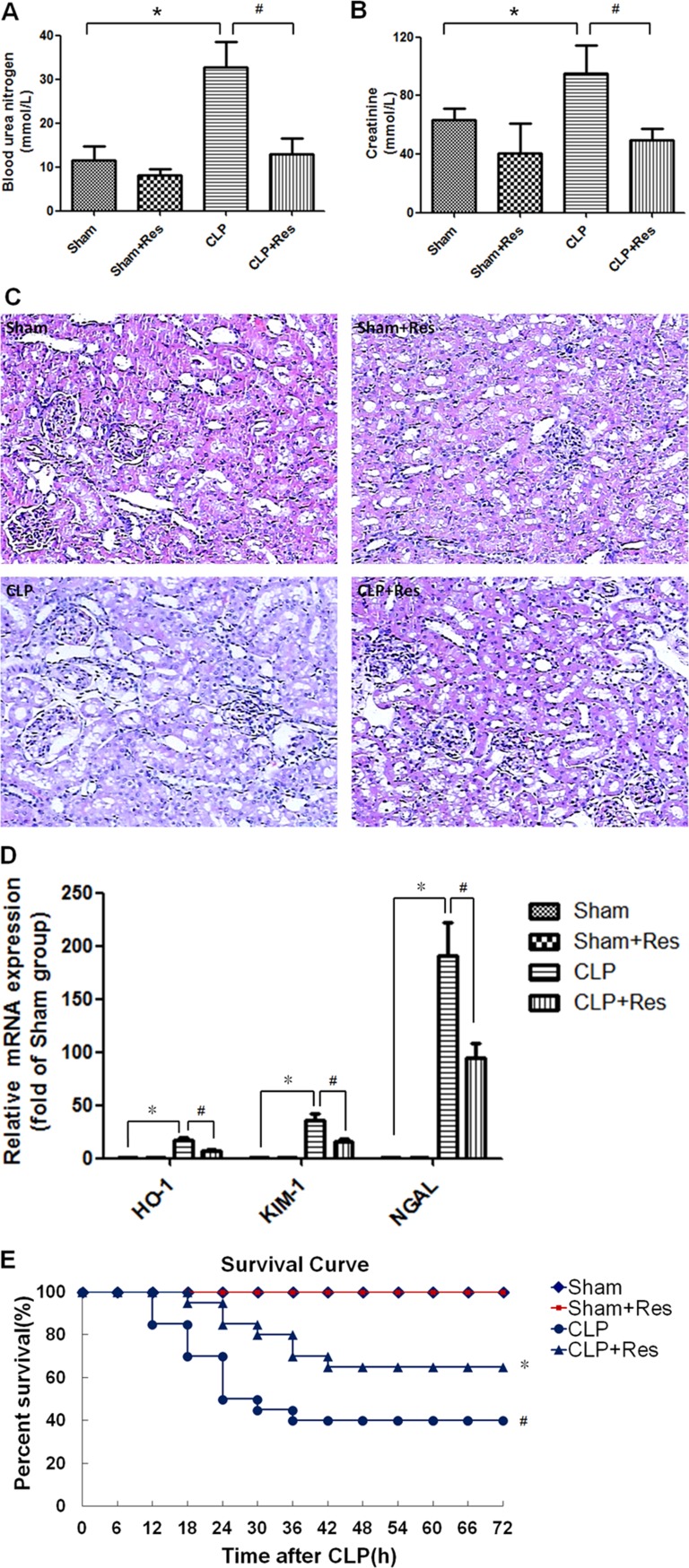
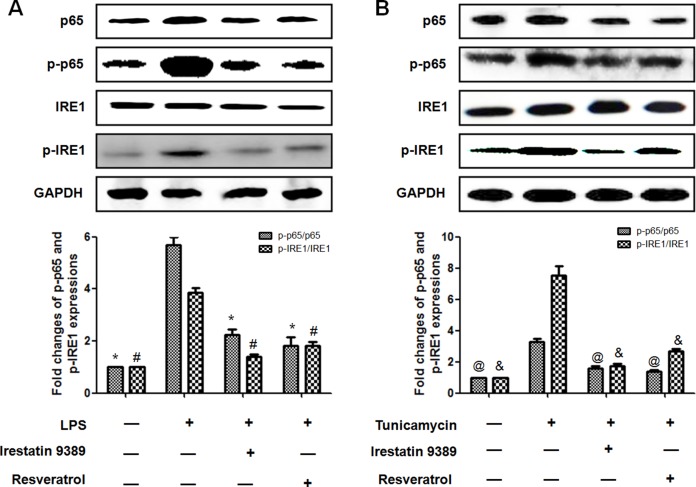
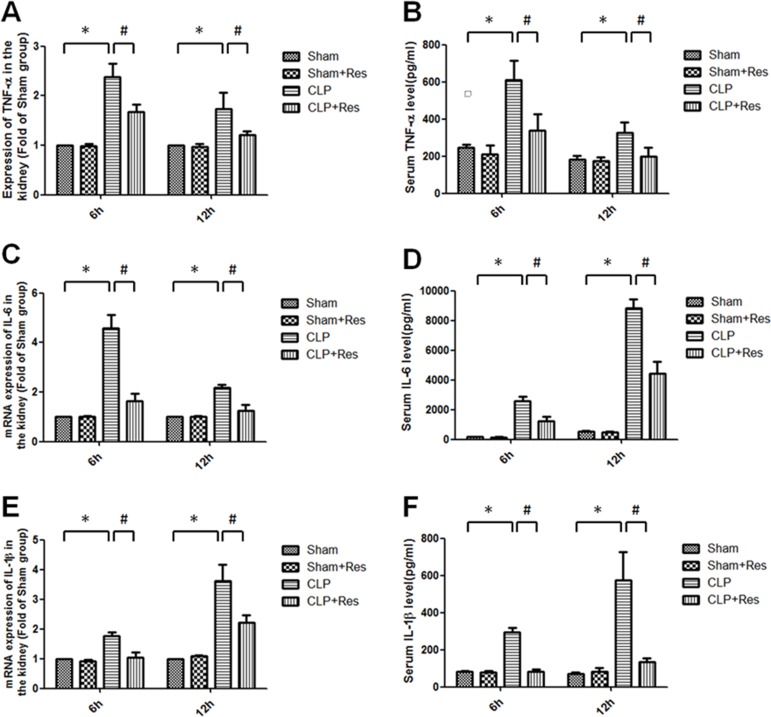
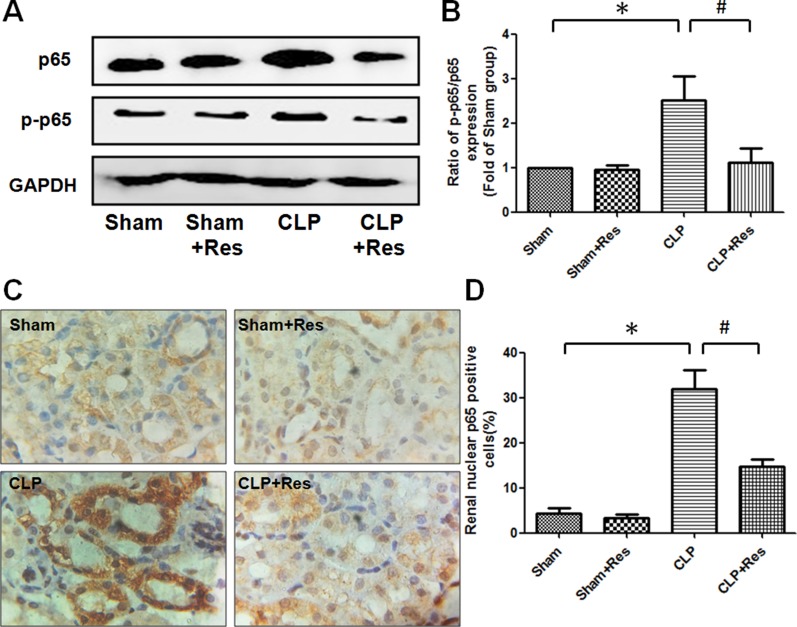
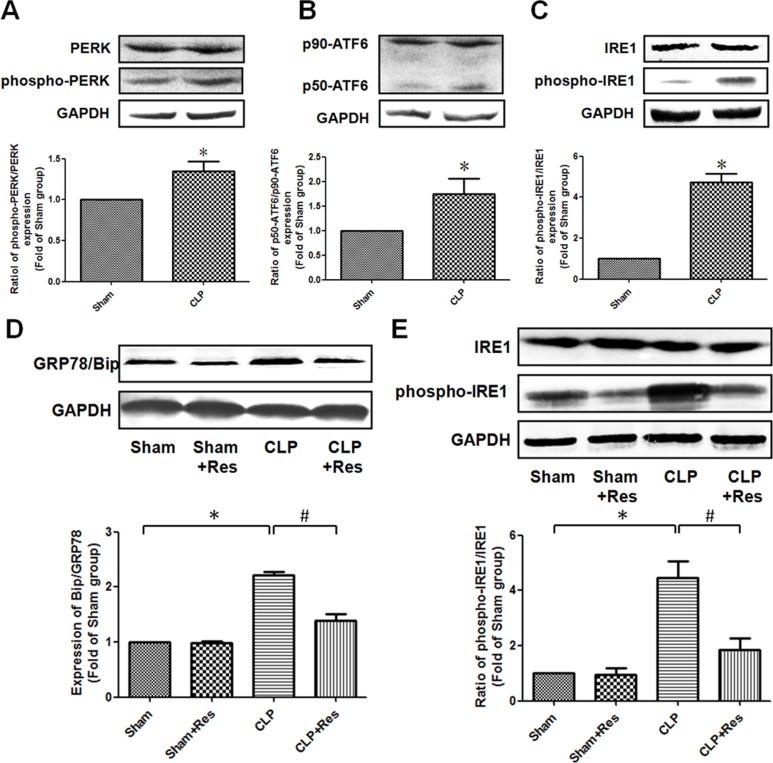
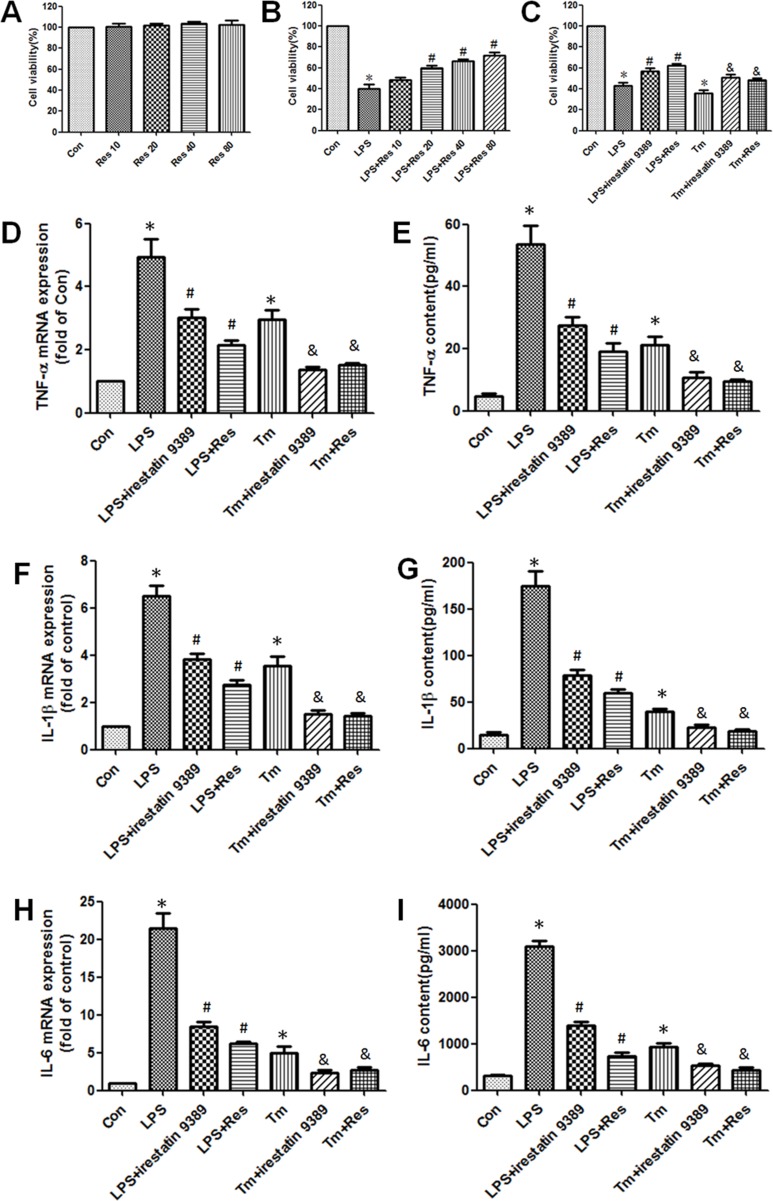
Resveratrol, a polyphenol compound derived from various edible plants, protects against sepsis-induced acute kidney injury (AKI) via its anti-inflammatory activity, but the underlying mechanisms remain largely unknown. In this study, a rat model of sepsis was established by cecal ligation and puncture (CLP), 30 mg/kg resveratrol was intraperitoneally administrated immediately after the CLP operation. HK-2 cells treated by 1 μg/ml lipopolysaccharide, 0.2 μM tunicamycin, 2.5 mM irestatin 9389 and 20 μM resveratrol were used for in vitro study. The results demonstrated that resveratrol significantly improved the renal function and tubular epithelial cell injury and enhanced the survival rate of CLP-induced rat model of sepsis, which was accompanied by a substantial decrease of the serum content and renal mRNA expressions of TNF-α, IL-1β and IL-6. In addition, resveratrol obviously relieved the endoplasmic reticulum stress, inhibited the phosphorylation of inositol-requiring enzyme 1(IRE1) and nuclear factor-κB (NF-κB) in the kidney. In vitro studies showed that resveratrol enhanced the cell viability, reduced the phosphorylation of NF-κB and production of inflammatory factors in lipopolysaccharide and tunicamycin-induced HK-2 cells through inhibiting IRE1 activation. Taken together, administration of resveratrol as soon as possible after the onset of sepsis could protect against septic AKI mainly through inhibiting IRE1-NF-κB pathway-triggered inflammatory response in the kidney. Resveratrol might be a readily translatable option to improve the prognosis of sepsis.
白藜芦醇是一种源自多种可食用植物的多酚化合物,通过其抗炎活性可预防脓毒症诱导的急性肾损伤(AKI),但其潜在机制仍 largely 未知。在本研究中,通过盲肠结扎和穿刺(CLP)建立脓毒症大鼠模型,CLP 手术后立即腹腔注射 30mg/kg 白藜芦醇。用 1μg/ml 脂多糖、0.2μM 衣霉素、2.5mM 厄立他汀 9389 和 20μM 白藜芦醇处理的 HK-2 细胞用于体外研究。结果表明,白藜芦醇显著改善了肾功能和肾小管上皮细胞损伤,并提高了 CLP 诱导的脓毒症大鼠模型的存活率,同时伴有血清中 TNF-α、IL-1β 和 IL-6 含量以及肾 mRNA 表达的大幅下降。此外,白藜芦醇明显减轻了内质网应激,抑制了肾脏中肌醇需求酶 1(IRE1)和核因子-κB(NF-κB)的磷酸化。体外研究表明,白藜芦醇通过抑制 IRE1 激活增强了脂多糖和衣霉素诱导的 HK-2 细胞的细胞活力,降低了 NF-κB 的磷酸化和炎症因子的产生。综上所述,脓毒症发作后尽快给予白藜芦醇可主要通过抑制 IRE1-NF-κB 途径触发的肾脏炎症反应来预防脓毒症 AKI。白藜芦醇可能是一种易于转化的改善脓毒症预后的选择。