NHLI Cardiovascular Sciences, Imperial College London, London, UK.
Imperial College School of Medicine, Imperial College London.
Clin Infect Dis. 2017 Aug 15;65(4):595-603. doi: 10.1093/cid/cix373.
Cerebral abscess is a recognized complication of pulmonary arteriovenous malformations (PAVMs) that allow systemic venous blood to bypass the pulmonary capillary bed through anatomic right-to-left shunts. Broader implications and mechanisms remain poorly explored.
Between June 2005 and December 2016, at a single institution, 445 consecutive adult patients with computed tomography-confirmed PAVMs (including 403 [90.5%] with hereditary hemorrhagic telangiectasia) were recruited to a prospective series. Multivariate logistic regression was performed and detailed periabscess histories were evaluated to identify potential associations with cerebral abscess. Rates were compared to an earlier nonoverlapping series.
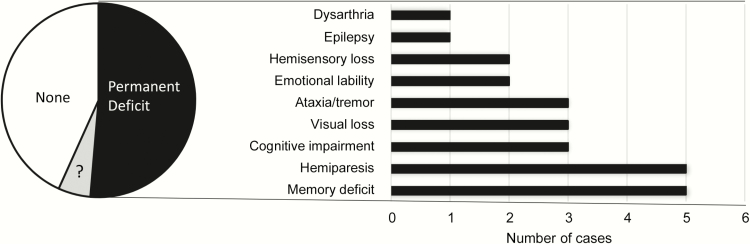
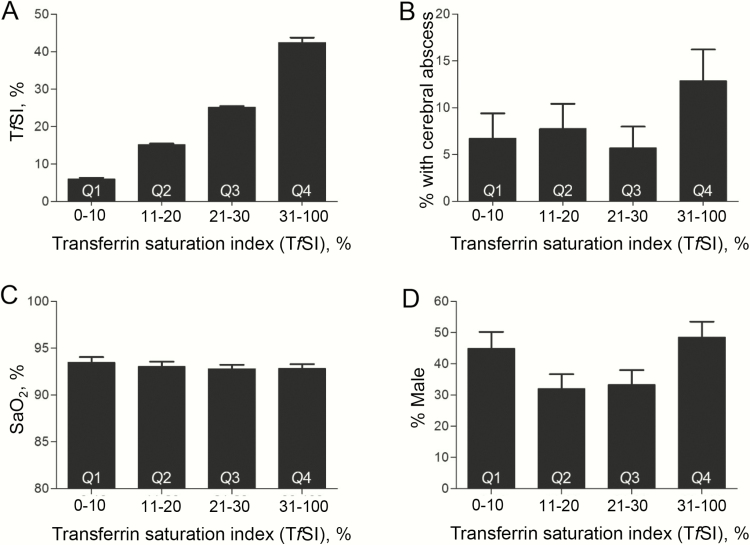
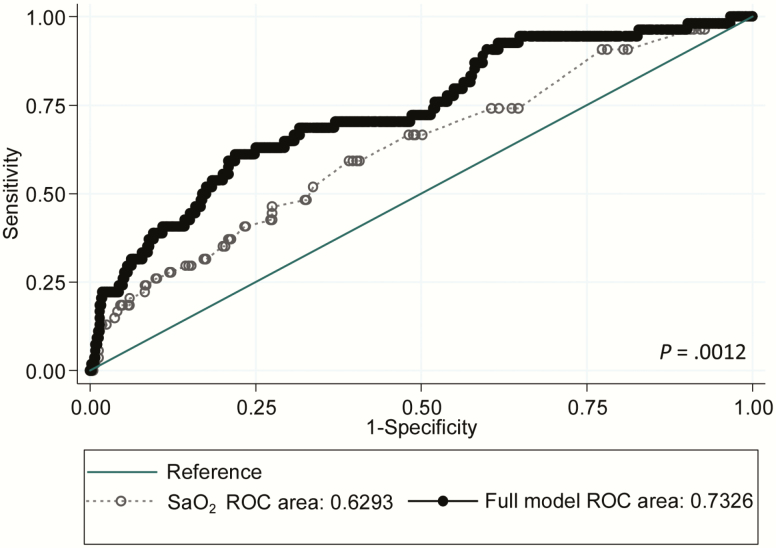
Thirty-seven of the 445 (8.3%) patients experienced a cerebral abscess at a median age of 50 years (range, 19-76 years). The rate adjusted for ascertainment bias was 27 of 435 (6.2%). Twenty-nine of 37 (78.4%) patients with abscess had no PAVM diagnosis prior to their abscess, a rate unchanged from earlier UK series. Twenty-one of 37 (56.7%) suffered residual neurological deficits (most commonly memory/cognition impairment), hemiparesis, and visual defects. Isolation of periodontal microbes, and precipitating dental and other interventional events, emphasized potential sources of endovascular inoculations. In multivariate logistic regression, cerebral abscess was associated with low oxygen saturation (indicating greater right-to-left shunting); higher transferrin iron saturation index; intravenous iron use for anemia (adjusted odds ratio, 5.4 [95% confidence interval, 1.4-21.1]); male sex; and venous thromboemboli. There were no relationships with anatomic attributes of PAVMs, or red cell indices often increased due to secondary polycythemia.
Greater appreciation of the risk of cerebral abscess in undiagnosed PAVMs is required. Lower oxygen saturation and intravenous iron may be modifiable risk factors.
脑脓肿是肺动静脉畸形(PAVM)的一种公认并发症,这种畸形使静脉血通过解剖学的右向左分流绕过肺毛细血管床。但其更广泛的影响和机制仍未得到充分探索。
在 2005 年 6 月至 2016 年 12 月期间,在一家机构中,连续招募了 445 例经计算机断层扫描(CT)证实的 PAVM 成年患者(包括 403 例(90.5%)遗传性出血性毛细血管扩张症患者),进行了一项前瞻性系列研究。采用多变量逻辑回归分析,并对脓肿发生前的详细病史进行评估,以确定与脑脓肿相关的潜在关联。与之前的非重叠系列进行了比较。
445 例患者中有 37 例(8.3%)在中位年龄为 50 岁(范围,19-76 岁)时发生脑脓肿。考虑到发现偏差的调整率为 435 例中的 27 例(6.2%)。37 例脓肿患者中有 29 例(78.4%)在脓肿发生前无 PAVM 诊断,这一比例与早期英国系列研究相同。37 例患者中有 21 例(56.7%)遗留有神经功能缺损(最常见的是记忆力/认知障碍)、偏瘫和视力缺陷。牙周微生物的分离以及引发的牙科和其他介入性事件强调了血管内接种的潜在来源。在多变量逻辑回归中,脑脓肿与低氧饱和度(表明右向左分流更大)、转铁蛋白铁饱和度指数升高、静脉内铁用于贫血(校正比值比,5.4[95%置信区间,1.4-21.1])、男性性别和静脉血栓栓塞有关。与 PAVM 的解剖学特征或由于继发性红细胞增多症而经常升高的红细胞指数没有关系。
需要更好地认识未诊断的 PAVM 发生脑脓肿的风险。更低的氧饱和度和静脉内铁可能是可改变的危险因素。