Department of Pediatrics, University of Chicago, Chicago, IL, United States.
Department of Pharmacological, Physiological Sciences, University of Chicago, IL, United States.
Neurochem Int. 2017 Oct;109:126-140. doi: 10.1016/j.neuint.2017.04.007. Epub 2017 Apr 19.
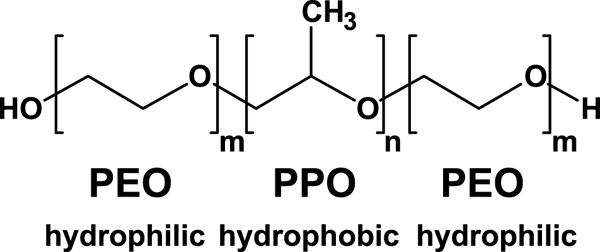
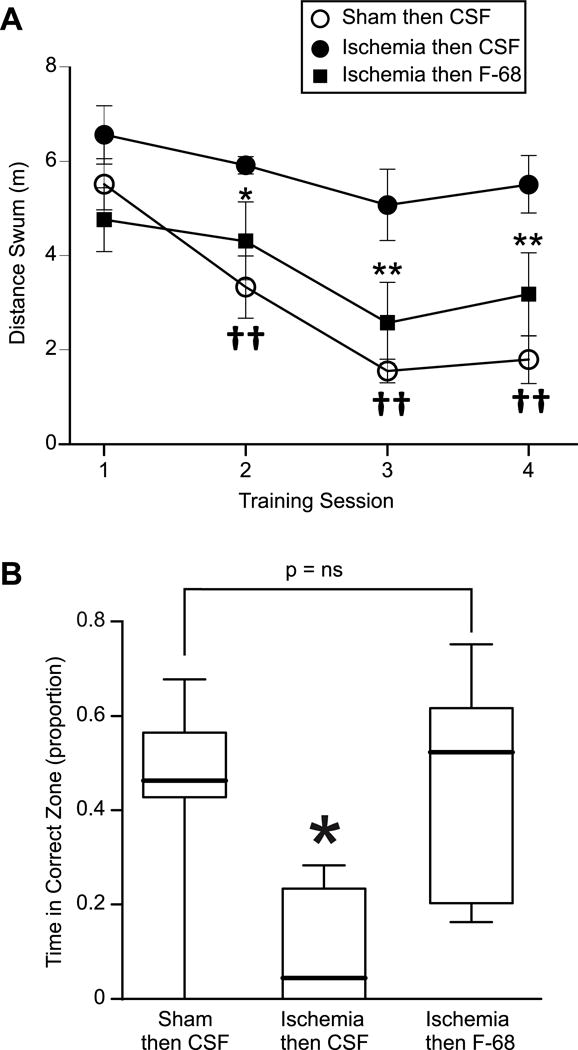
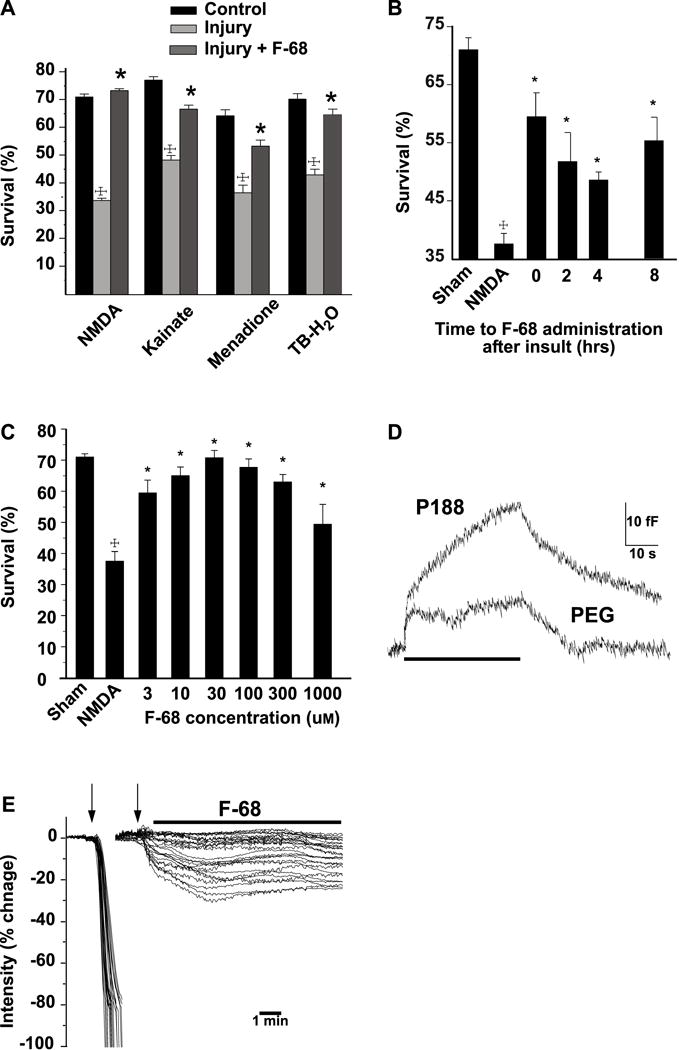
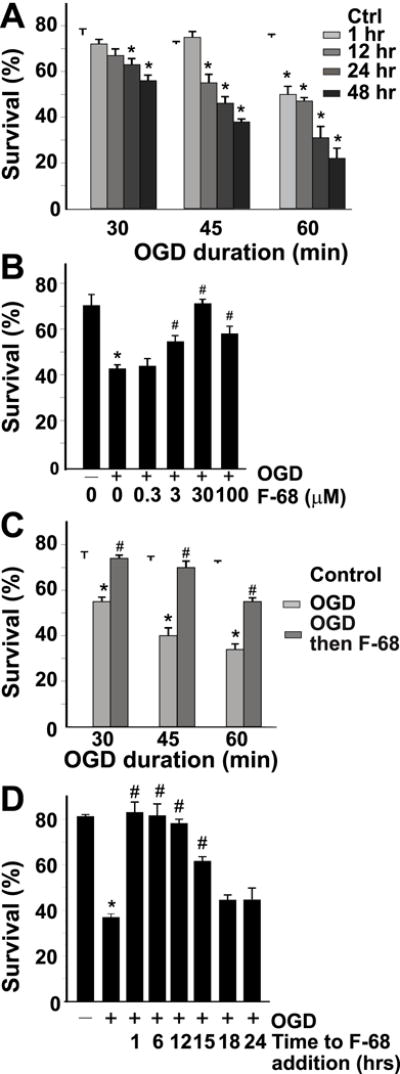
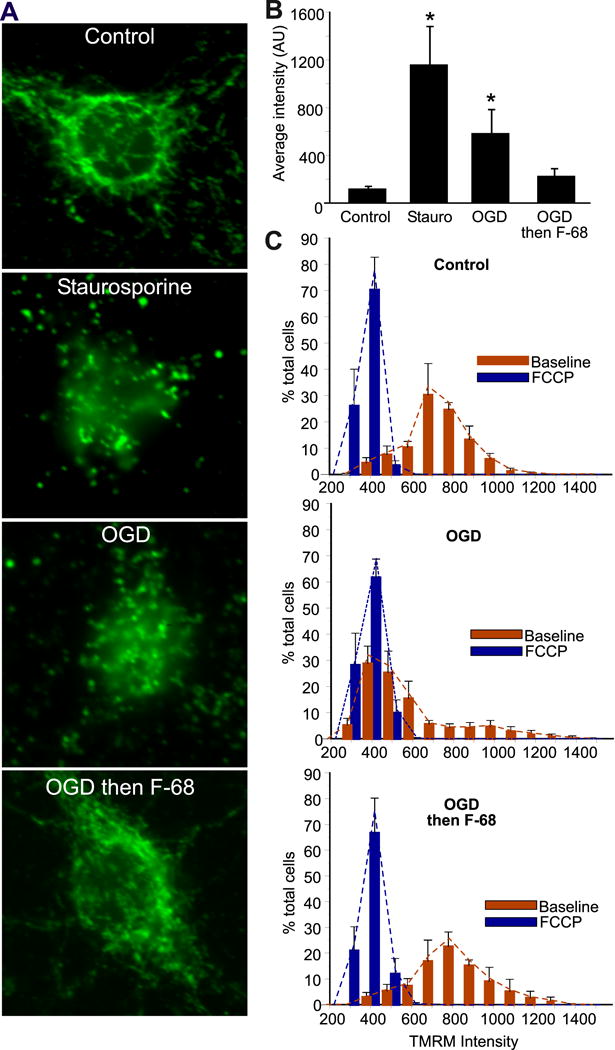
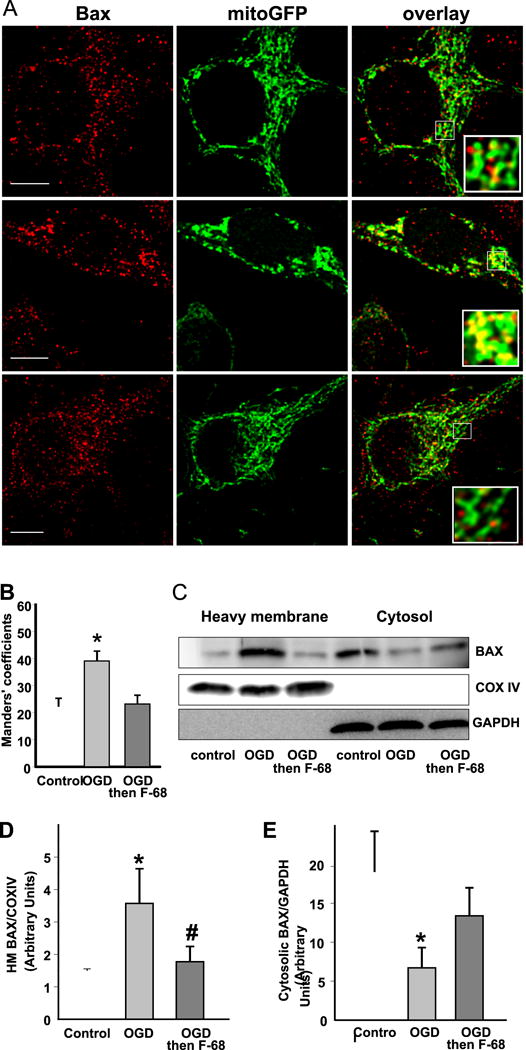
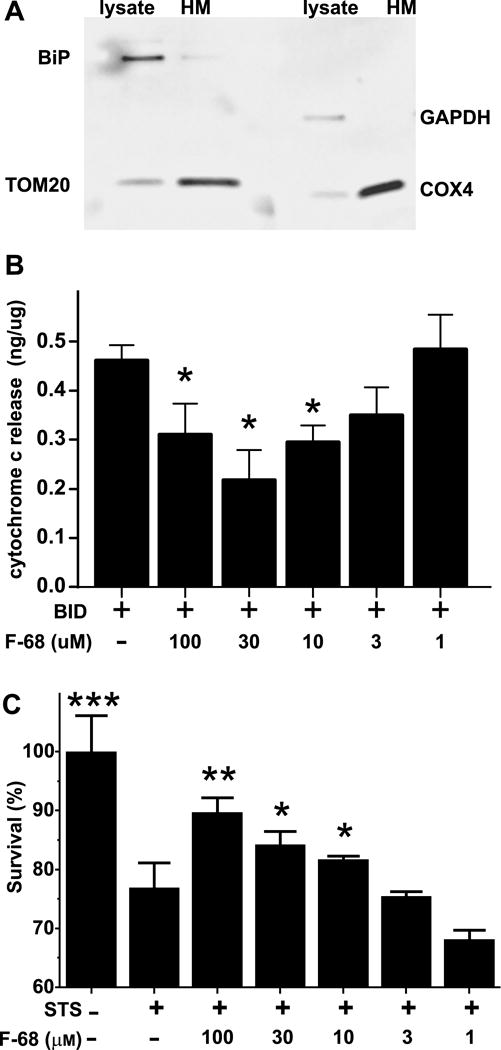
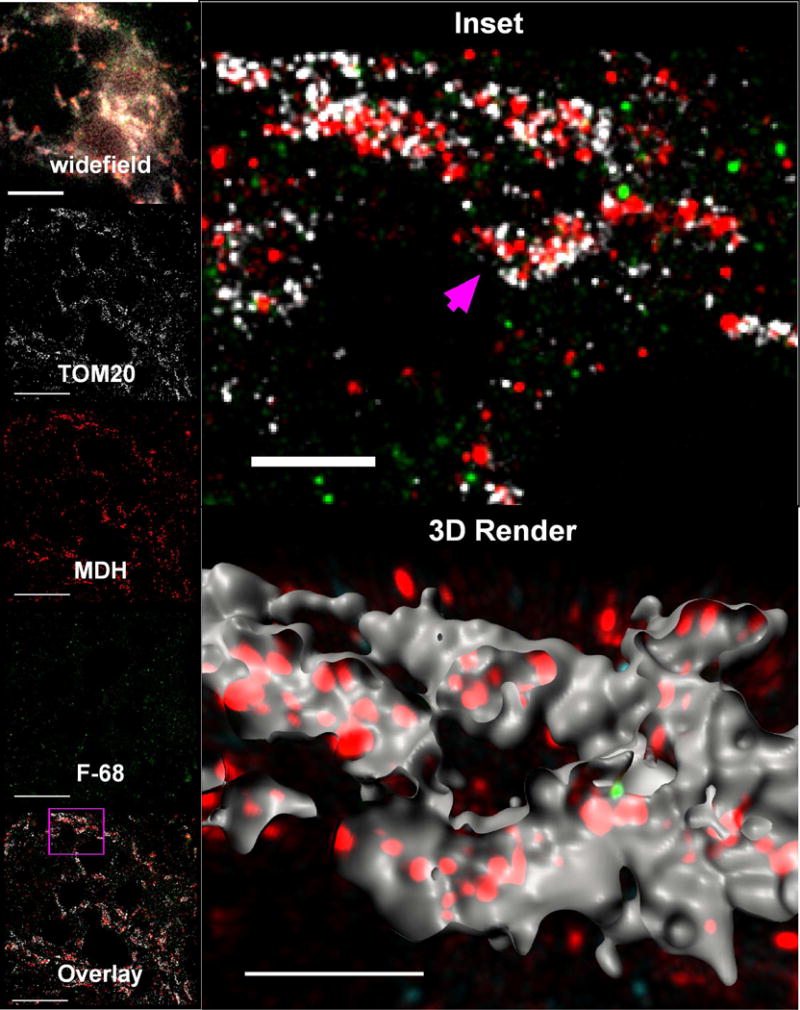
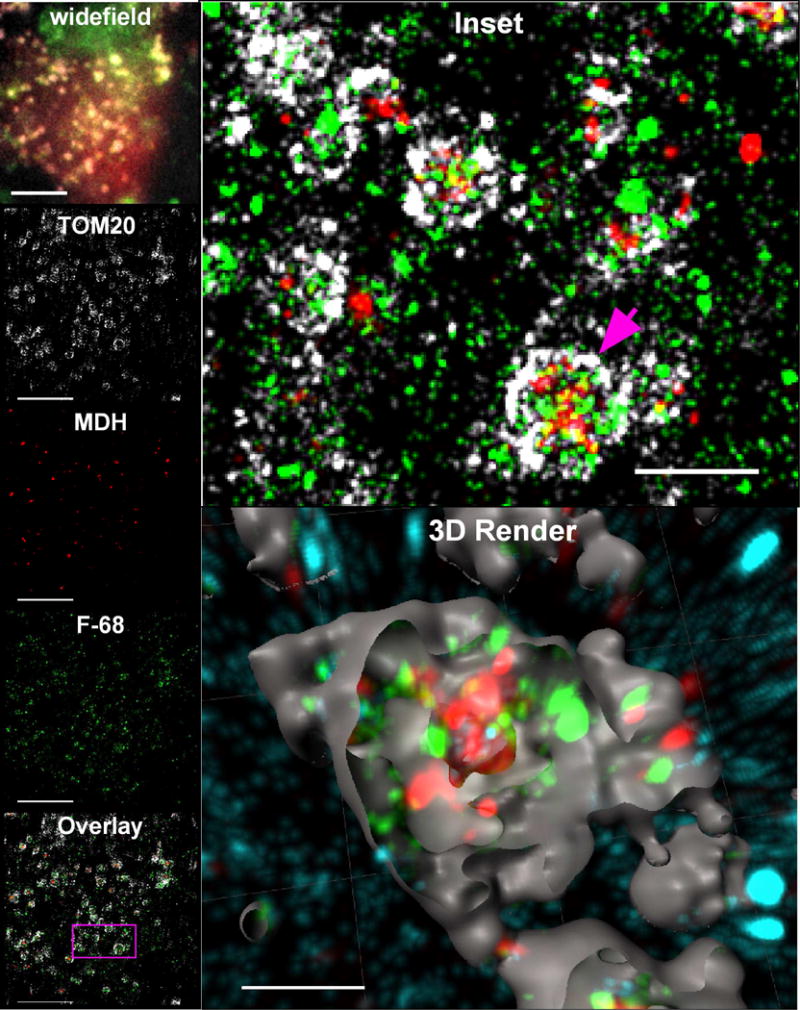
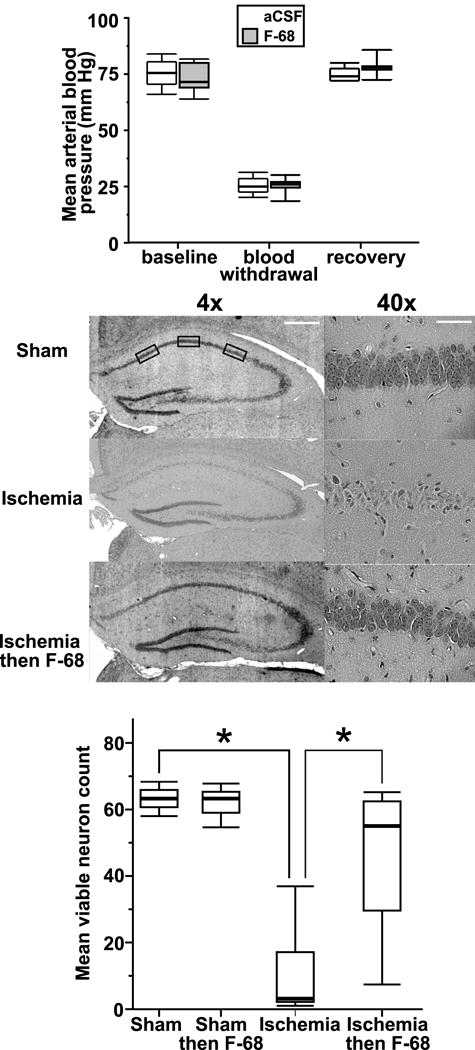
Global brain ischemia can lead to widespread neuronal death and poor neurologic outcomes in patients. Despite detailed understanding of the cellular and molecular mechanisms mediating neuronal death following focal and global brain hypoxia-ischemia, treatments to reduce ischemia-induced brain injury remain elusive. One pathway central to neuronal death following global brain ischemia is mitochondrial dysfunction, one consequence of which is the cascade of intracellular events leading to mitochondrial outer membrane permeabilization. A novel approach to rescuing injured neurons from death involves targeting cellular membranes using a class of synthetic molecules called Pluronics. Pluronics are triblock copolymers of hydrophilic poly[ethylene oxide] (PEO) and hydrophobic poly[propylene oxide] (PPO). Evidence is accumulating to suggest that hydrophilic Pluronics rescue injured neurons from death following substrate deprivation by preventing mitochondrial dysfunction. Here, we will review current understanding of the nature of interaction of Pluronic molecules with biological membranes and the efficacy of F-68, an 80% hydrophilic Pluronic, in rescuing neurons from injury. We will review data indicating that F-68 reduces mitochondrial dysfunction and mitochondria-dependent death pathways in a model of neuronal injury in vitro, and present new evidence that F-68 acts directly on mitochondria to inhibit mitochondrial outer membrane permeabilization. Finally, we will present results of a pilot, proof-of-principle study suggesting that F-68 is effective in reducing hippocampal injury induced by transient global ischemia in vivo. By targeting mitochondrial dysfunction, F-68 and other Pluronic molecules constitute an exciting new approach to rescuing neurons from acute injury.
全球脑缺血可导致患者广泛的神经元死亡和不良的神经学结局。尽管对介导局灶性和全脑缺氧缺血后神经元死亡的细胞和分子机制有详细的了解,但仍难以找到减少缺血性脑损伤的治疗方法。全脑缺血后神经元死亡的一个主要途径是线粒体功能障碍,其后果之一是导致线粒体外膜通透性的一系列细胞内事件级联。一种从死亡中拯救受损神经元的新方法涉及使用一类称为泊洛沙姆的合成分子靶向细胞膜。泊洛沙姆是亲水性聚[氧化乙烯](PEO)和疏水性聚[氧化丙烯](PPO)的三嵌段共聚物。有证据表明,亲水性泊洛沙姆通过防止线粒体功能障碍,从基质剥夺后拯救受损神经元免于死亡。在这里,我们将回顾泊洛沙姆分子与生物膜相互作用的性质以及 80%亲水性泊洛沙姆 F-68 拯救神经元免受损伤的功效的最新认识。我们将回顾数据表明,F-68 可减少体外神经元损伤模型中的线粒体功能障碍和线粒体依赖性死亡途径,并提供新的证据表明 F-68 可直接作用于线粒体以抑制线粒体外膜通透性。最后,我们将介绍一项初步的、原理验证研究的结果,该研究表明 F-68 可有效减少体内短暂全脑缺血引起的海马损伤。通过靶向线粒体功能障碍,F-68 和其他泊洛沙姆分子构成了一种从急性损伤中拯救神经元的令人兴奋的新方法。