Evola Francesco R, Costarella Luciano, Pavone Vito, Caff Giuseppe, Cannavò Luca, Sessa Andrea, Avondo Sergio, Sessa Giuseppe
Clinica Ortopedica, Dipartimento di Chirurgia, Azienda Ospedaliera-Universitaria Policlinico Vittorio Emanuele di CataniaCatania, Italy.
Front Pharmacol. 2017 Apr 7;8:150. doi: 10.3389/fphar.2017.00150. eCollection 2017.
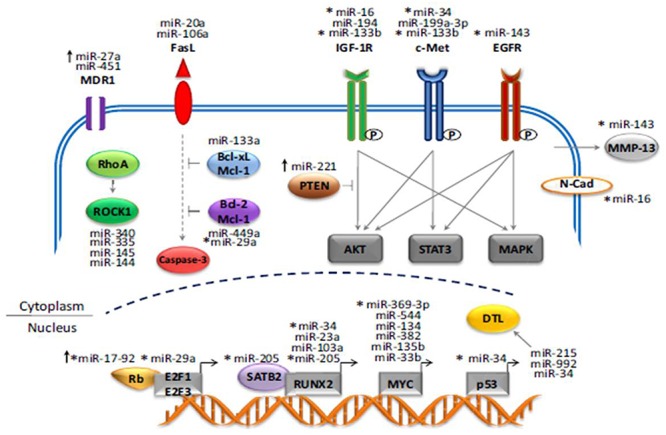
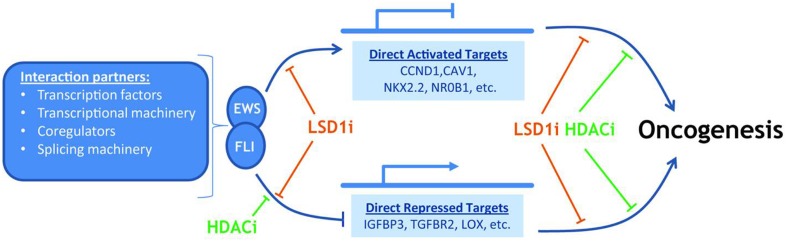
Osteosarcoma is the most frequent malignant bone neoplasm, followed by chondrosarcoma and Ewing sarcoma. The diagnosis of bone neoplasms is generally made through histological evaluation of a biopsy. Clinical and radiological features are also important in aiding diagnosis and to complete the staging of bone cancer. In addition to these, there are several non-specific serological or specific molecular markers for bone neoplasms. In bone tumors, molecular markers increase the accuracy of the diagnosis and assist in subtyping bone tumors. Here, we review these markers and discuss their role in the diagnosis and prognosis of the three most frequent malignant bone neoplasms, namely osteosarcoma, chondrosarcoma, and Ewing sarcoma.
骨肉瘤是最常见的恶性骨肿瘤,其次是软骨肉瘤和尤因肉瘤。骨肿瘤的诊断通常通过活检的组织学评估来进行。临床和放射学特征在辅助诊断和完善骨癌分期方面也很重要。除此之外,还有几种针对骨肿瘤的非特异性血清学或特异性分子标志物。在骨肿瘤中,分子标志物提高了诊断的准确性,并有助于骨肿瘤的亚型分类。在此,我们回顾这些标志物,并讨论它们在三种最常见的恶性骨肿瘤,即骨肉瘤、软骨肉瘤和尤因肉瘤的诊断和预后中的作用。