Chang Chia-Ming, Lan Keng-Li, Huang Wen-Sheng, Lee Yi-Jang, Lee Te-Wei, Chang Chih-Hsien, Chuang Chi-Mu
School of Medicine, National Yang-Ming University, Taipei 112, Taiwan.
Department of Obstetrics and Gynecology, Taipei Veterans General Hospital, Taipei 112, Taiwan.
Int J Mol Sci. 2017 Apr 25;18(5):903. doi: 10.3390/ijms18050903.
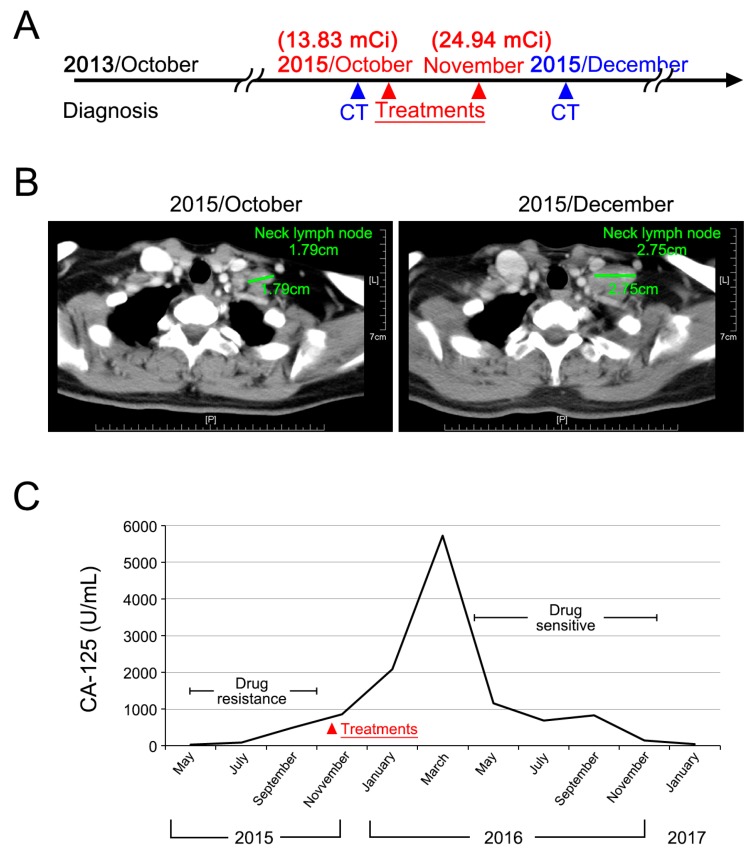
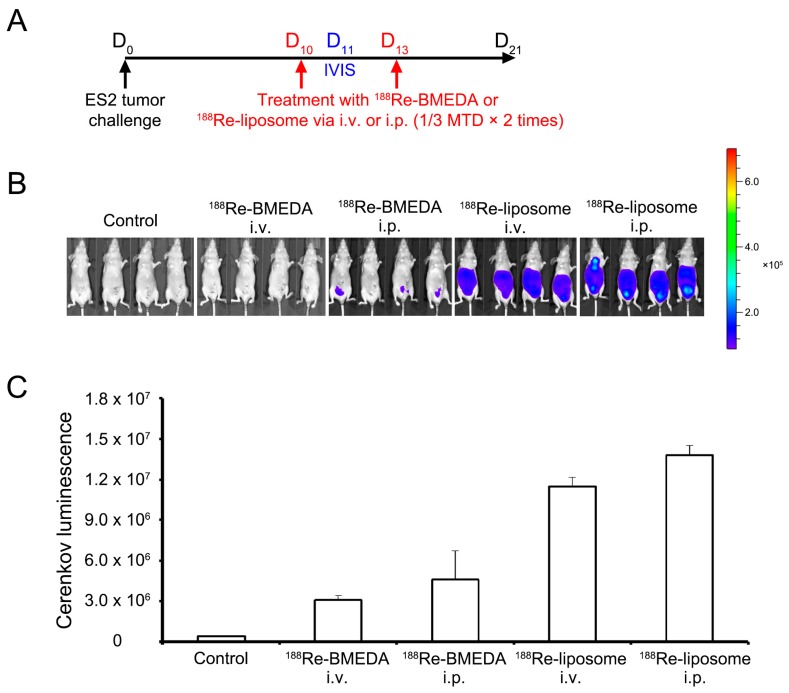
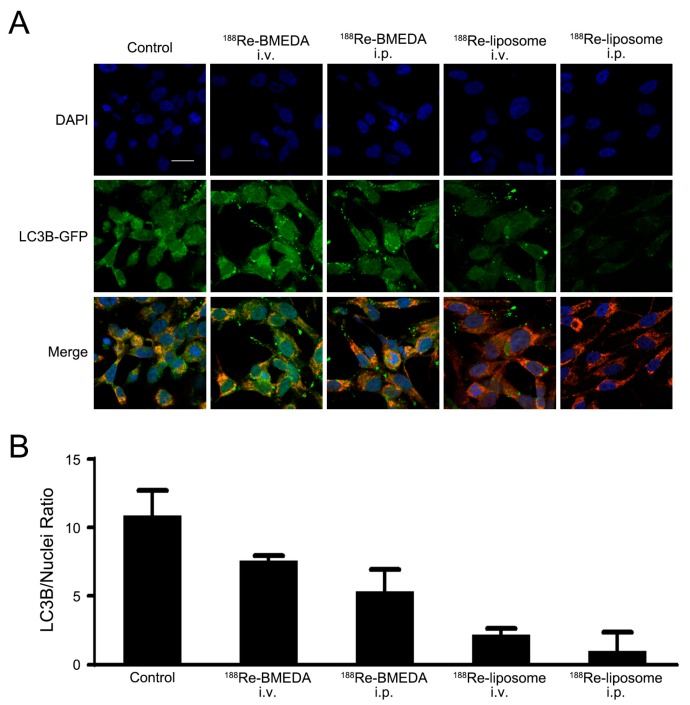
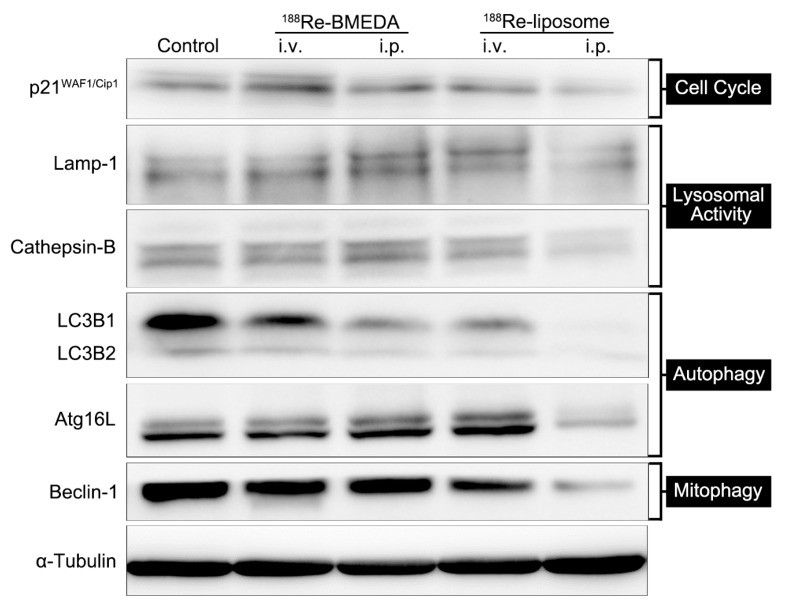
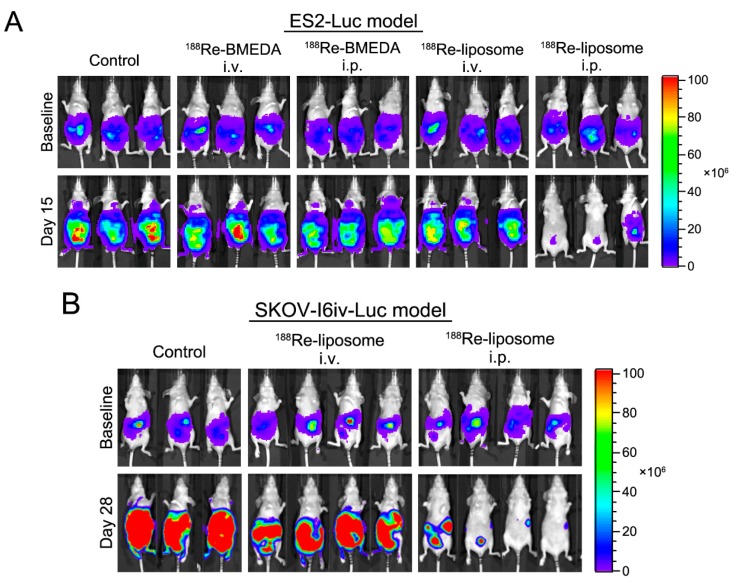
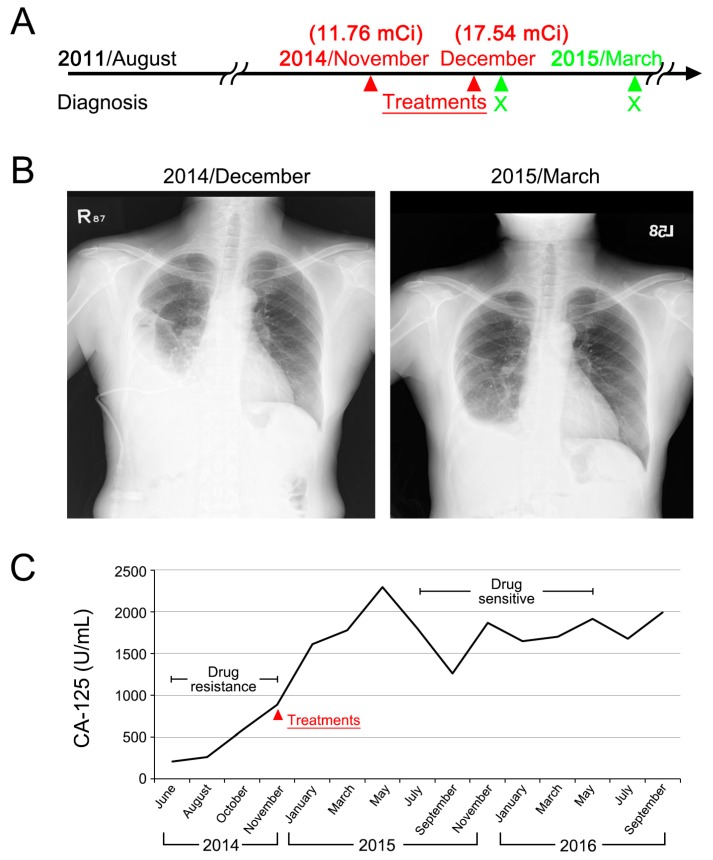
Despite standard treatment, about 70% of ovarian cancer will recur. Cancer stem cells (CSCs) have been implicated in the drug-resistance mechanism. Several drug resistance mechanisms have been proposed, and among these, autophagy plays a crucial role for the maintenance and tumorigenicity of CSCs. Compared to their differentiated counterparts, CSCs have been demonstrated to display a significantly higher level of autophagy flux. Moreover, mitophagy, a specific type of autophagy that selectively degrades excessive or damaged mitochondria, is shown to contribute to cancer progression and recurrence in several types of tumors. Nanomedicine has been shown to tackle the CSCs problem by overcoming drug resistance. In this work, we developed a nanomedicine, Re-liposome, which was demonstrated to target autophagy and mitophagy in the tumor microenvironment. Of note, the inhibition of autophagy and mitophagy could lead to significant tumor inhibition in two xenograft animal models. Lastly, we presented two cases of recurrent ovarian cancer, both in drug resistance status that received a level I dose from a phase I clinical trial. Both cases developing drug resistance showed drug sensitivity to Re-liposome. These results suggest that inhibition of autophagy and mitophagy by a nanomedicine may be a novel strategy to overcome drug resistance in ovarian cancer.
尽管采用了标准治疗,但约70%的卵巢癌仍会复发。癌症干细胞(CSCs)与耐药机制有关。已经提出了几种耐药机制,其中自噬在CSCs的维持和致瘤性中起着关键作用。与它们分化的对应物相比,CSCs已被证明表现出显著更高水平的自噬通量。此外,线粒体自噬是一种特定类型的自噬,可选择性地降解过量或受损的线粒体,在几种类型的肿瘤中,它被证明有助于癌症进展和复发。纳米药物已被证明可通过克服耐药性来解决CSCs问题。在这项工作中,我们开发了一种纳米药物Re-脂质体,它被证明可靶向肿瘤微环境中的自噬和线粒体自噬。值得注意的是,在两种异种移植动物模型中,抑制自噬和线粒体自噬可导致显著的肿瘤抑制。最后,我们展示了两例复发性卵巢癌病例,均处于耐药状态,接受了I期临床试验的I级剂量。两例出现耐药的病例均对Re-脂质体表现出药物敏感性。这些结果表明,纳米药物抑制自噬和线粒体自噬可能是克服卵巢癌耐药性的一种新策略。