Cappello Valentina, Marchetti Laura, Parlanti Paola, Landi Silvia, Tonazzini Ilaria, Cecchini Marco, Piazza Vincenzo, Gemmi Mauro
Center for Nanotechnology Innovation@NEST, Istituto Italiano di Tecnologia Piazza San Silvestro, 12, 56127, Pisa, Italy.
NEST, Scuola Normale Superiore, Piazza San Silvestro 12, 56127, Pisa, Italy.
Sci Rep. 2016 Dec 5;6(1):1. doi: 10.1038/s41598-016-0001-8.
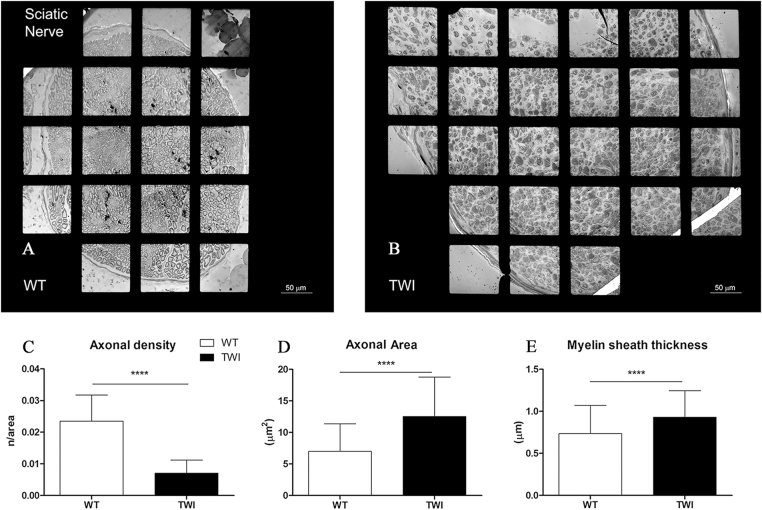
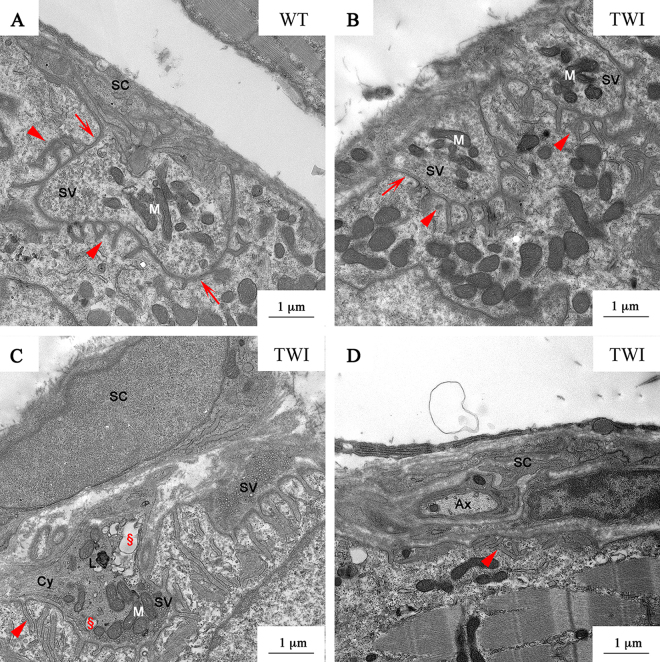
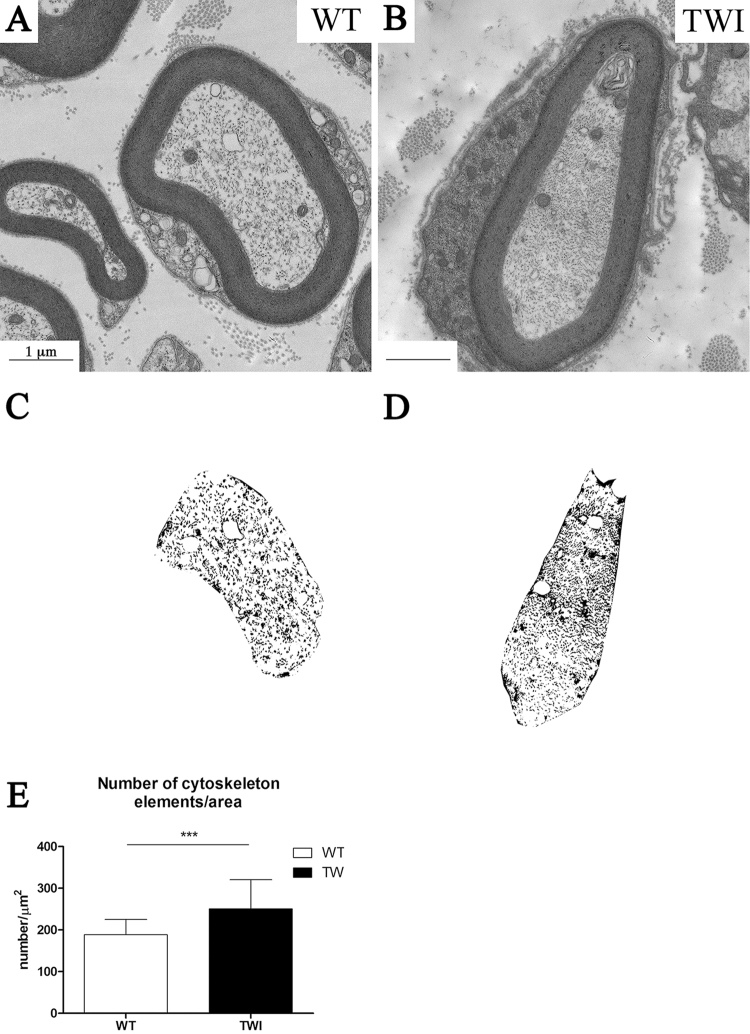
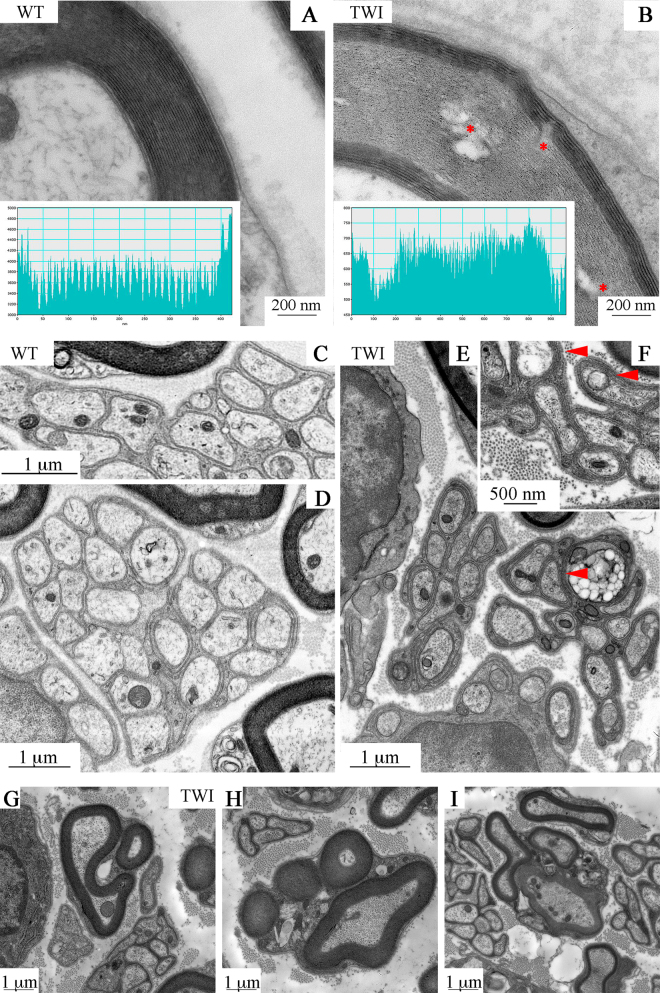
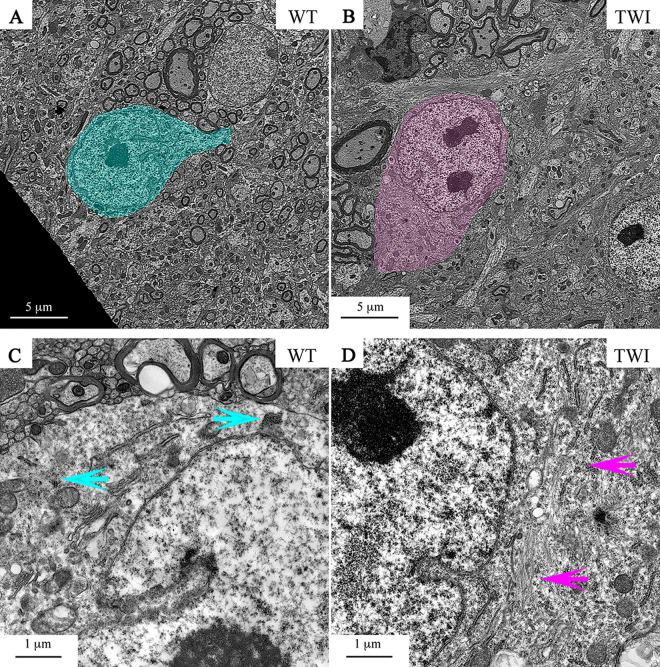
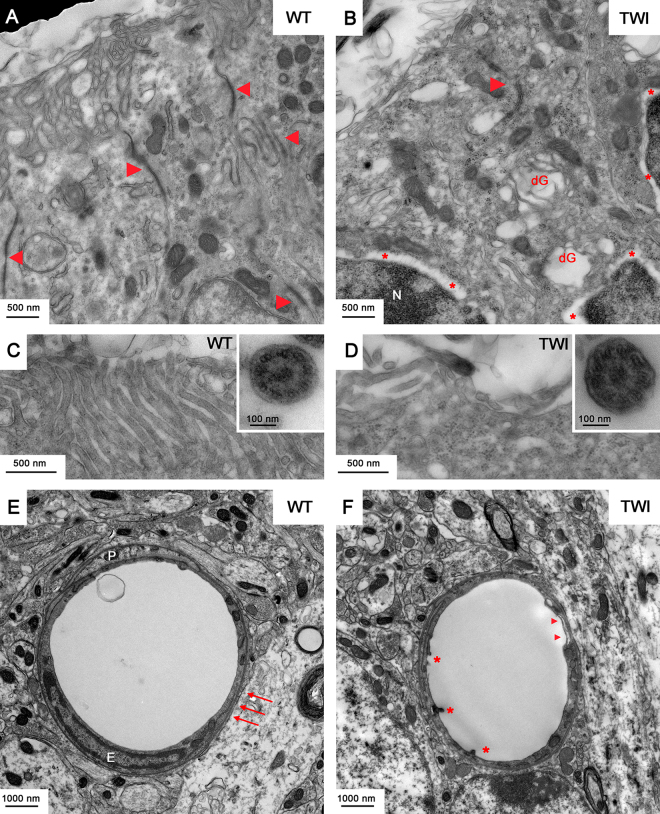
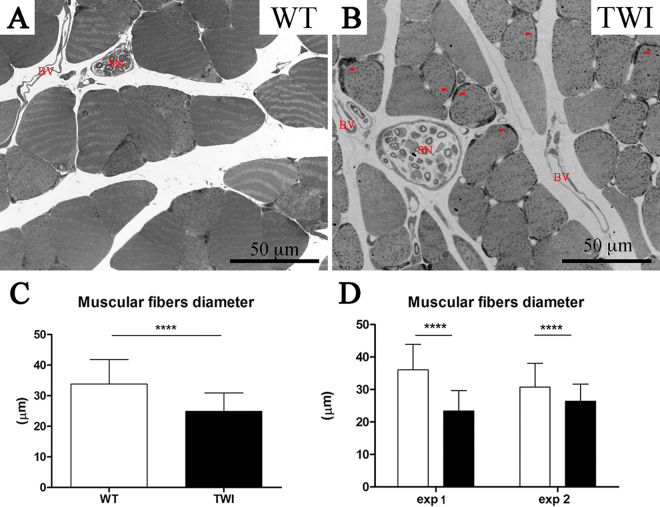
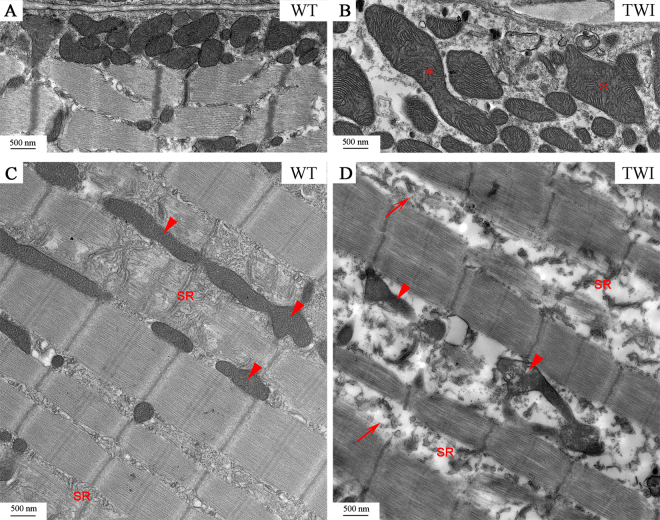
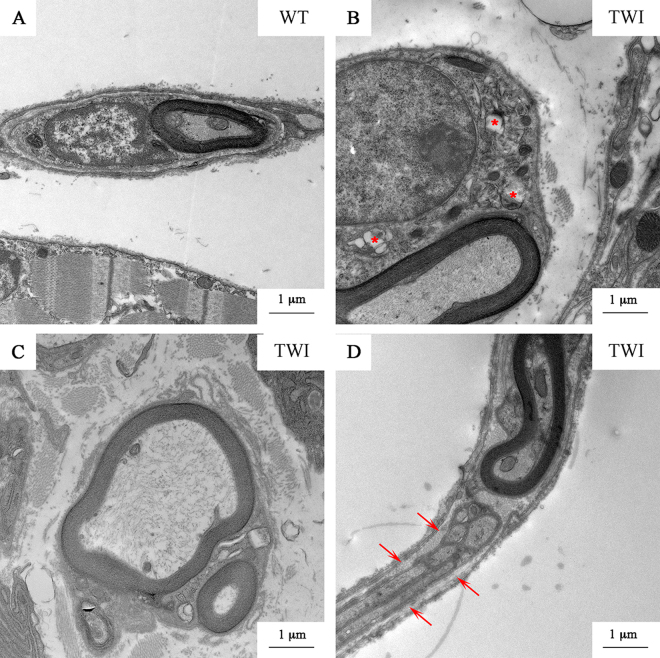
Krabbe disease (KD) is a neurodegenerative disorder caused by the lack of β- galactosylceramidase enzymatic activity and by widespread accumulation of the cytotoxic galactosyl-sphingosine in neuronal, myelinating and endothelial cells. Despite the wide use of Twitcher mice as experimental model for KD, the ultrastructure of this model is partial and mainly addressing peripheral nerves. More details are requested to elucidate the basis of the motor defects, which are the first to appear during KD onset. Here we use transmission electron microscopy (TEM) to focus on the alterations produced by KD in the lower motor system at postnatal day 15 (P15), a nearly asymptomatic stage, and in the juvenile P30 mouse. We find mild effects on motorneuron soma, severe ones on sciatic nerves and very severe effects on nerve terminals and neuromuscular junctions at P30, with peripheral damage being already detectable at P15. Finally, we find that the gastrocnemius muscle undergoes atrophy and structural changes that are independent of denervation at P15. Our data further characterize the ultrastructural analysis of the KD mouse model, and support recent theories of a dying-back mechanism for neuronal degeneration, which is independent of demyelination.
克拉伯病(KD)是一种神经退行性疾病,由β-半乳糖神经酰胺酶活性缺乏以及细胞毒性半乳糖神经鞘氨醇在神经元、髓鞘形成细胞和内皮细胞中的广泛积累所致。尽管广泛使用抽搐小鼠作为KD的实验模型,但该模型的超微结构并不完整,主要针对外周神经。需要更多细节来阐明运动缺陷的基础,这些缺陷是KD发病时最早出现的症状。在这里,我们使用透射电子显微镜(TEM)来关注KD在出生后第15天(P15,一个几乎无症状的阶段)和幼年P30小鼠的下运动系统中所产生的变化。我们发现在P30时,对运动神经元胞体有轻微影响,对坐骨神经有严重影响,对神经末梢和神经肌肉接头有非常严重的影响,而在P15时外周损伤已可检测到。最后,我们发现腓肠肌在P15时发生萎缩和结构变化,且这些变化与去神经支配无关。我们的数据进一步描述了KD小鼠模型的超微结构分析,并支持了最近关于神经元变性的回退机制理论,该机制与脱髓鞘无关。