Sorensen James C, Petersen Aaron C, Timpani Cara A, Campelj Dean G, Cook Jordan, Trewin Adam J, Stojanovska Vanesa, Stewart Mathew, Hayes Alan, Rybalka Emma
Centre for Chronic Disease, College of Health & Biomedicine, Victoria UniversityMelbourne, VIC, Australia.
Australian Institute for Musculoskeletal ScienceMelbourne, VIC, Australia.
Front Pharmacol. 2017 Apr 10;8:137. doi: 10.3389/fphar.2017.00137. eCollection 2017.
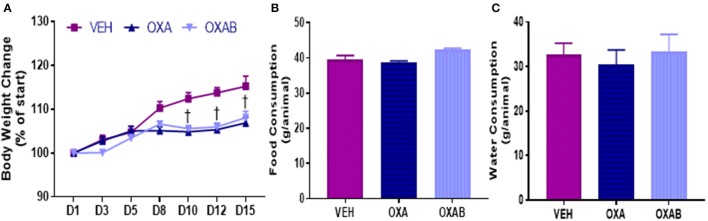
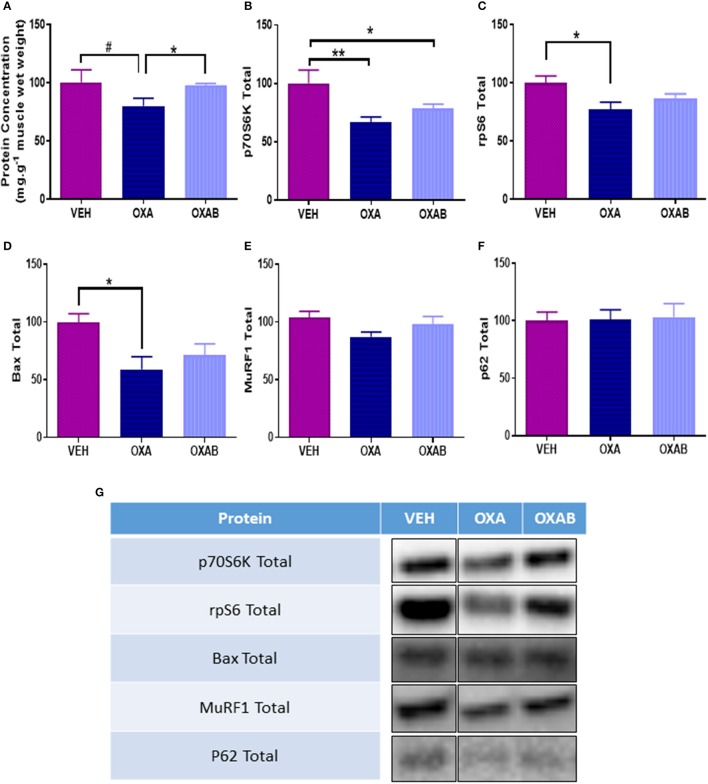
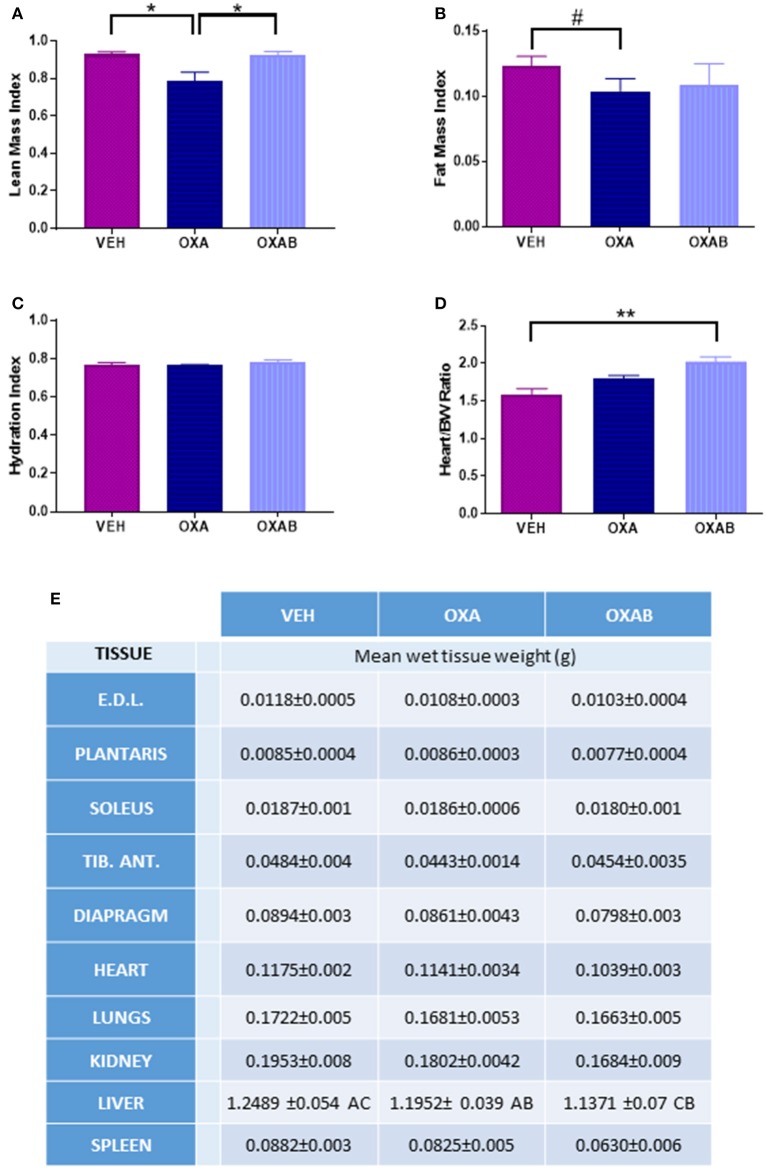
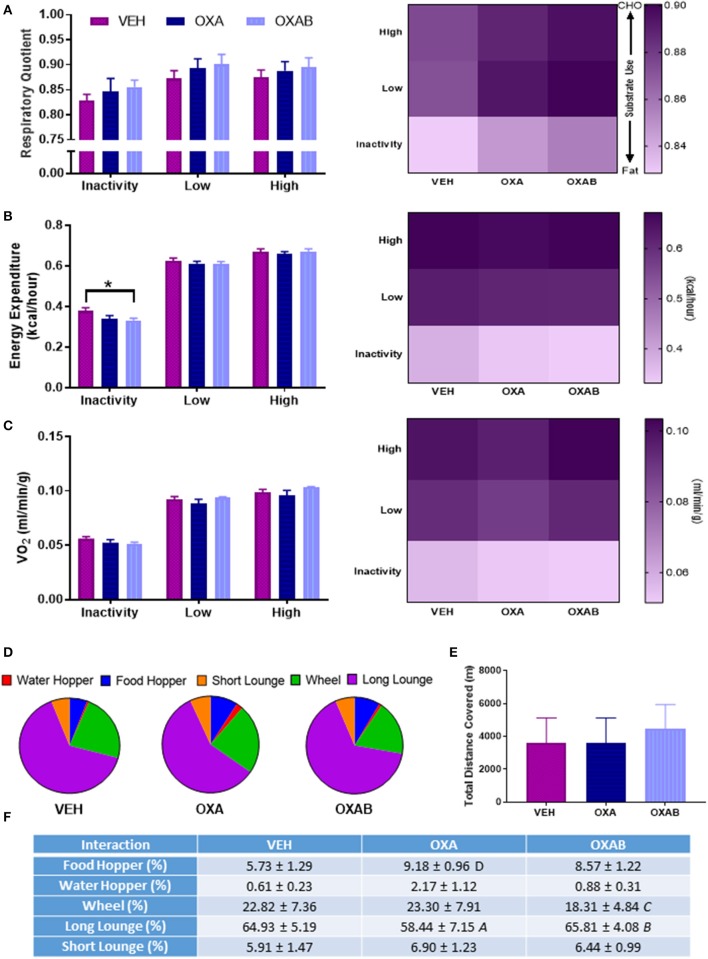
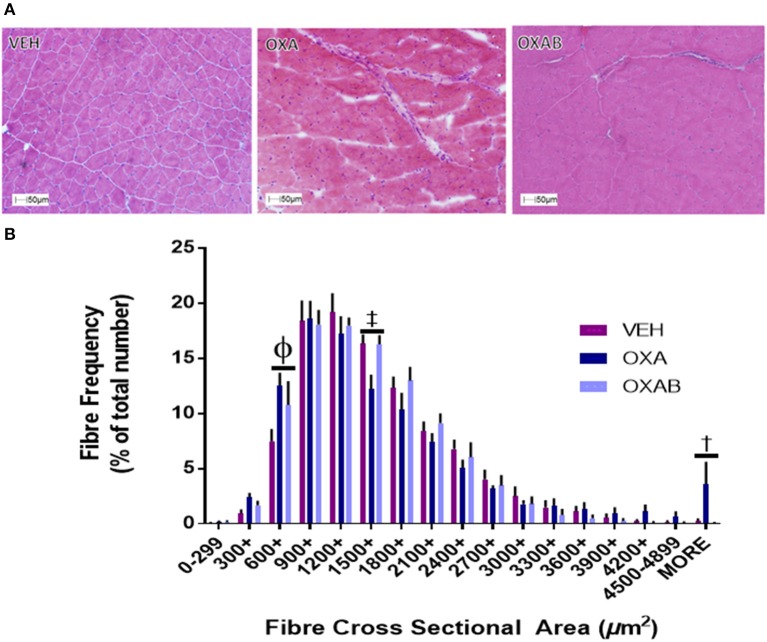
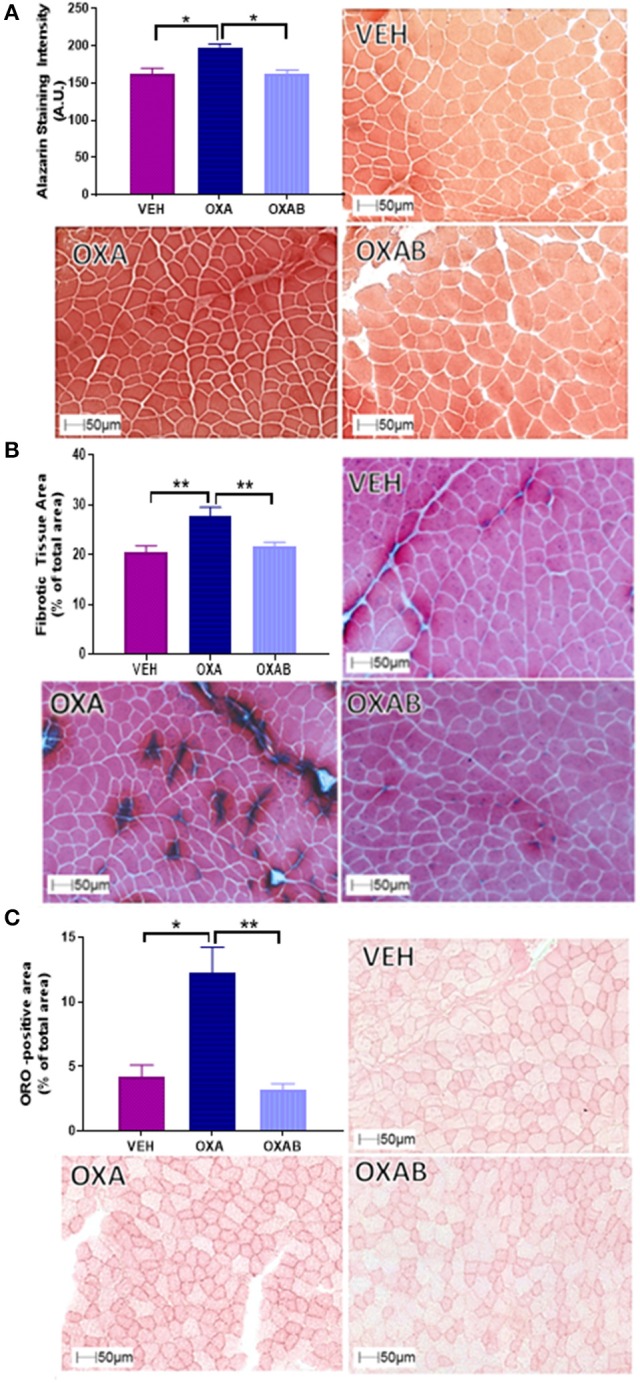
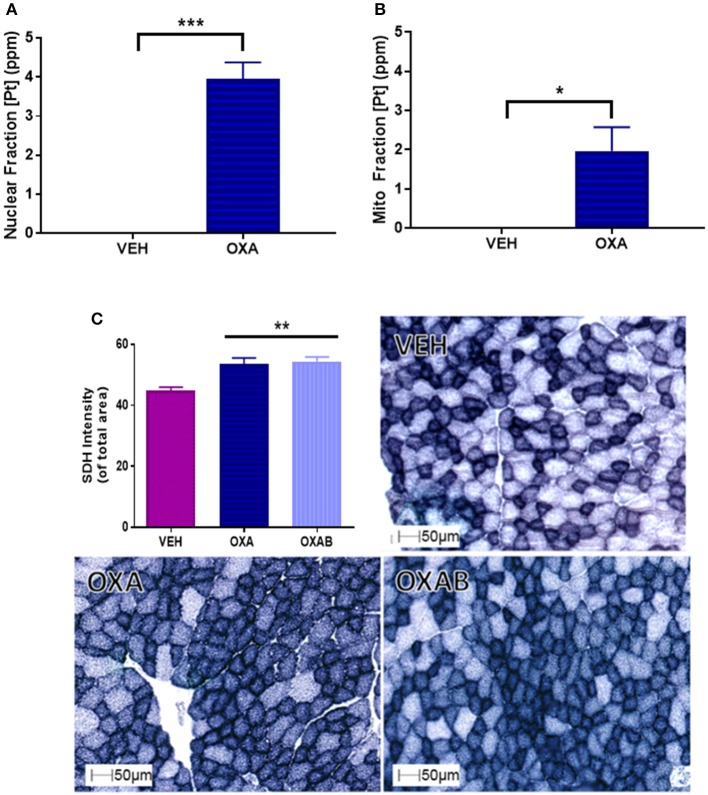
Chemotherapy is a leading intervention against cancer. Albeit highly effective, chemotherapy has a multitude of deleterious side-effects including skeletal muscle wasting and fatigue, which considerably reduces patient quality of life and survivability. As such, a defense against chemotherapy-induced skeletal muscle dysfunction is required. Here we investigate the effects of oxaliplatin (OXA) treatment in mice on the skeletal muscle and mitochondria, and the capacity for the Poly ADP-ribose polymerase (PARP) inhibitor, BGP-15, to ameliorate any pathological side-effects induced by OXA. To do so, we investigated the effects of 2 weeks of OXA (3 mg/kg) treatment with and without BGP-15 (15 mg/kg). OXA induced a 15% ( < 0.05) reduction in lean tissue mass without significant changes in food consumption or energy expenditure. OXA treatment also altered the muscle architecture, increasing collagen deposition, neutral lipid and Ca accumulation; all of which were ameliorated with BGP-15 adjunct therapy. Here, we are the first to show that OXA penetrates the mitochondria, and, as a possible consequence of this, increases mtROS production. These data correspond with reduced diameter of isolated FDB fibers and shift in the fiber size distribution frequency of TA to the left. There was a tendency for reduction in intramuscular protein content, albeit apparently not via Murf1 (atrophy)- or p62 (autophagy)- dependent pathways. BGP-15 adjunct therapy protected against increased ROS production and improved mitochondrial viability 4-fold and preserved fiber diameter and number. Our study highlights BGP-15 as a potential adjunct therapy to address chemotherapy-induced skeletal muscle and mitochondrial pathology.
化疗是对抗癌症的主要干预手段。尽管化疗非常有效,但它有许多有害的副作用,包括骨骼肌萎缩和疲劳,这大大降低了患者的生活质量和生存率。因此,需要一种针对化疗引起的骨骼肌功能障碍的防御措施。在此,我们研究了奥沙利铂(OXA)治疗对小鼠骨骼肌和线粒体的影响,以及聚ADP-核糖聚合酶(PARP)抑制剂BGP-15改善OXA诱导的任何病理副作用的能力。为此,我们研究了2周的OXA(3mg/kg)治疗(有无BGP-15(15mg/kg))的效果。OXA导致瘦组织质量减少15%(<0.05),而食物消耗或能量消耗无显著变化。OXA治疗还改变了肌肉结构,增加了胶原蛋白沉积、中性脂质和钙积累;所有这些都通过BGP-15辅助治疗得到改善。在此,我们首次表明OXA可穿透线粒体,可能因此增加线粒体活性氧(mtROS)的产生。这些数据与分离的趾长伸肌(FDB)纤维直径减小以及胫骨前肌(TA)纤维大小分布频率向左偏移一致。肌肉内蛋白质含量有减少的趋势,尽管显然不是通过肌肉萎缩蛋白1(Murf1,萎缩相关)或p62(自噬相关)依赖途径。BGP-15辅助治疗可防止ROS产生增加,使线粒体活力提高4倍,并保留纤维直径和数量。我们的研究强调BGP-15作为一种潜在的辅助治疗手段,可解决化疗引起的骨骼肌和线粒体病理问题。