Procino J K, Marri L, Shockman G D, Daneo-Moore L
Department of Microbiology and Immunology, Temple University School of Medicine, Philadelphia, Pennsylvania 19140.
Infect Immun. 1988 Nov;56(11):2866-70. doi: 10.1128/iai.56.11.2866-2870.1988.
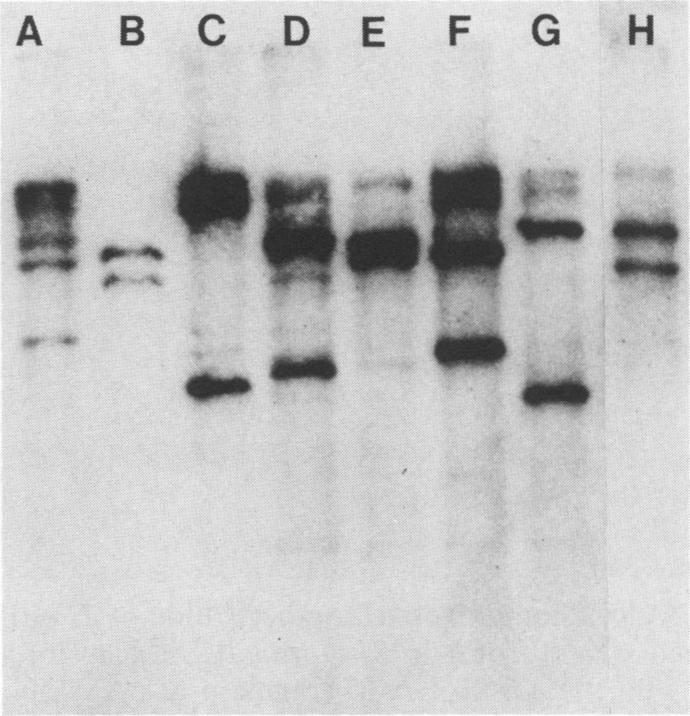
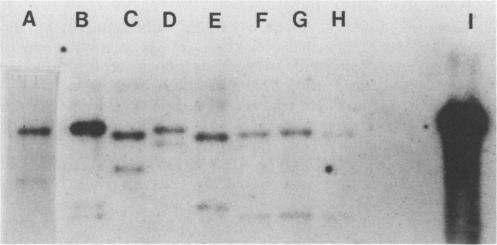
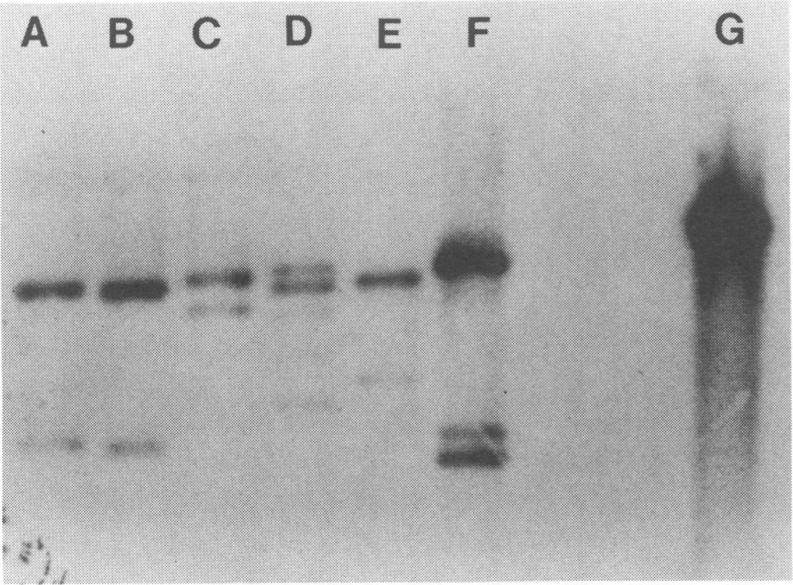
Streptococcus mutans GS-5 was transformed with the Escherichia coli plasmid pAM150 containing the cloned streptococcal transposon Tn916. Southern blot analyses with the tetracycline-resistant determinant of Tn916 showed that Tn916 was inserted into the chromosome of S. mutans at a variety of different sites. Tn916 insertions resulted in the inactivation of genes that code for various steps in the biosynthesis of several different amino acids. Two auxotrophs which contained a single copy of Tn916 were shown to revert to prototrophy at frequencies of about 10(-8). All of the revertant prototrophs were susceptible to tetracycline, indicating regeneration of the functional gene by excision of Tn916.
变形链球菌GS - 5用含有克隆的链球菌转座子Tn916的大肠杆菌质粒pAM150进行转化。用Tn916的四环素抗性决定簇进行的Southern印迹分析表明,Tn916插入到变形链球菌染色体的多个不同位点。Tn916的插入导致编码几种不同氨基酸生物合成中各个步骤的基因失活。两个含有单拷贝Tn916的营养缺陷型菌株显示以约10^(-8)的频率回复为原养型。所有回复后的原养型菌株对四环素敏感,表明通过Tn916的切除使功能基因再生。