Muneer Ather
Department of Psychiatry, Islamic International Medical College, Riphah International University, Rawalpindi, Pakistan.
Clin Psychopharmacol Neurosci. 2017 May 31;15(2):100-114. doi: 10.9758/cpn.2017.15.2.100.
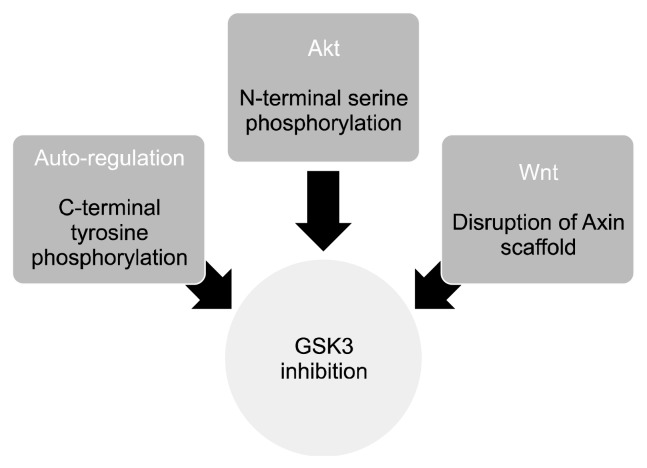
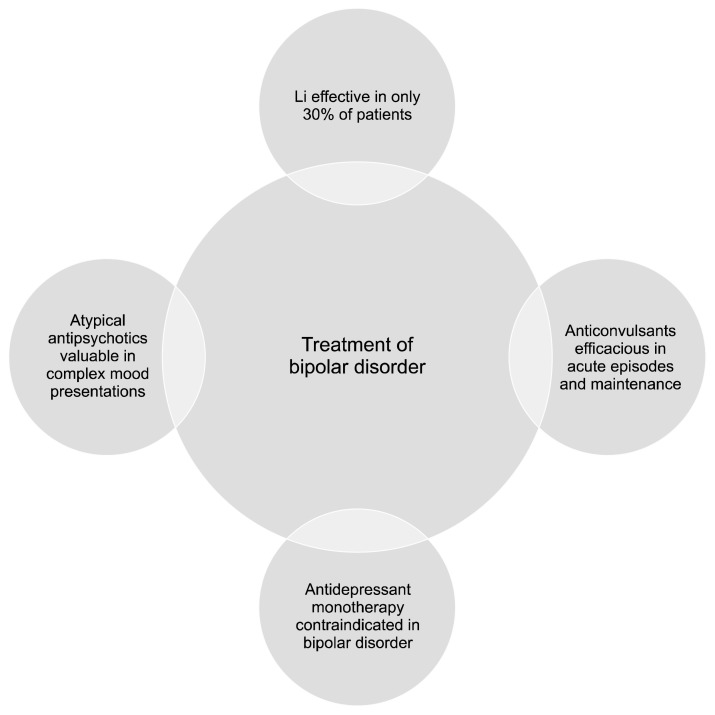
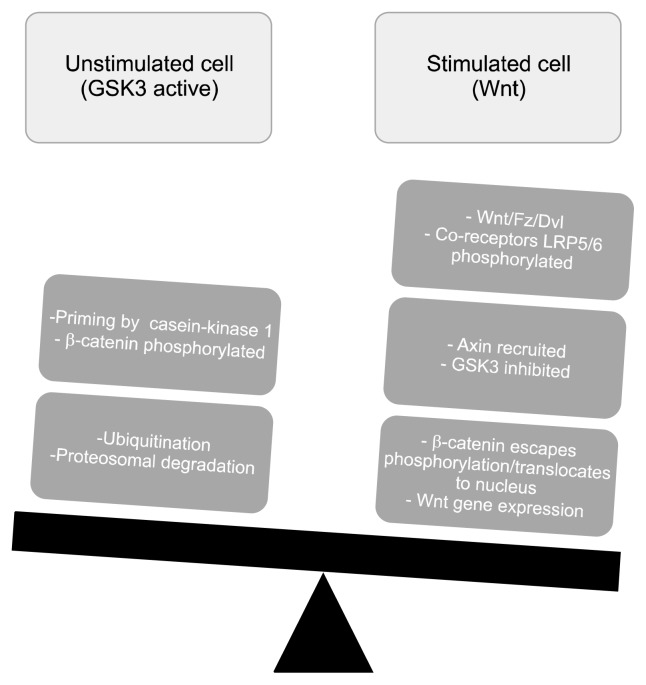
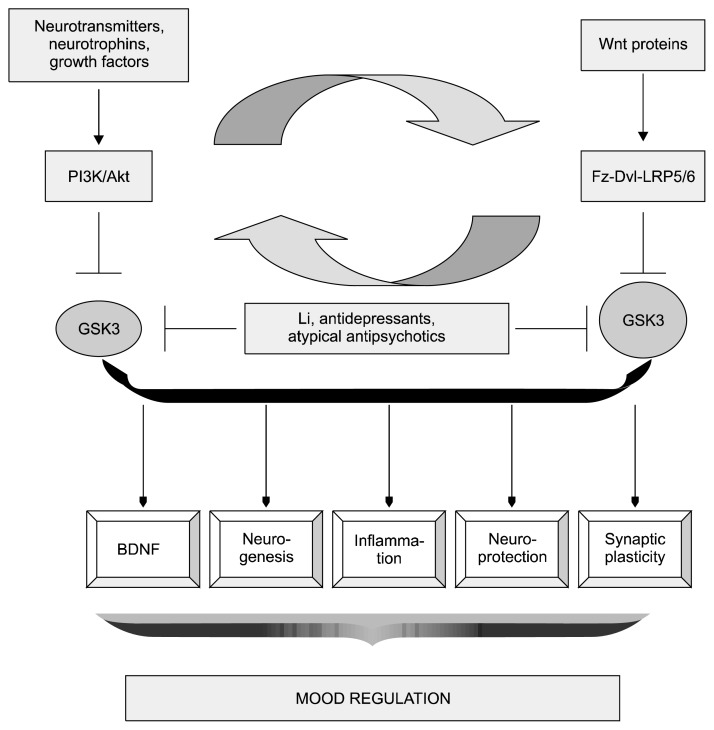
The neurobiology of bipolar disorder, a chronic and systemic ailment is not completely understood. The bipolar phenotype manifests in myriad ways, and psychopharmacological agents like lithium have long term beneficial effects. The enzyme glycogen synthase kinase 3 (GSK3) has come into focus, as lithium and several other mood stabilizing medications inhibit its activity. This kinase and its key upstream modulator, Wnt are dysregulated in mood disorders and there is a growing impetus to delineate the chief substrates involved in the development of these illnesses. In May 2016, a comprehensive literature search was undertaken which revealed that there is over activity of GSK3 in bipolar disorder with deleterious downstream effects like proinflammatory status, increased oxidative stress, and circadian dysregulation leading to declining neurotrophic support and enhanced apoptosis of neural elements. By developing specific GSK3 inhibitors the progressive worsening in bipolar disorder can be forestalled with improved prospects for the sufferers.
双相情感障碍是一种慢性全身性疾病,其神经生物学机制尚未完全明确。双相情感障碍的表型呈现出多种形式,而像锂盐这样的精神药物具有长期有益作用。糖原合酶激酶3(GSK3)已成为研究焦点,因为锂盐和其他几种心境稳定剂可抑制其活性。该激酶及其关键上游调节因子Wnt在心境障碍中失调,并且越来越迫切需要明确这些疾病发展过程中的主要底物。2016年5月进行了一项全面的文献检索,结果显示双相情感障碍中GSK3活性过高,会产生有害的下游效应,如促炎状态、氧化应激增加和昼夜节律失调,导致神经营养支持减少以及神经元凋亡增加。通过开发特异性GSK3抑制剂,可以预防双相情感障碍的进行性恶化,改善患者的预后。