Department of Microbiology and Molecular Genetics, The Institute for Medical Research Israel-Canada (IMRIC), The Kuvin Centre for the Study of Infectious and Tropical Diseases, The Hebrew University - Hadassah Medical School, The Hebrew University of Jerusalem, 91120, Israel.
Department of Biostatistics, School of Public Health, Yale University, 60 College Street, New Haven, CT 06520, USA.
Int J Parasitol. 2017 Sep;47(10-11):609-616. doi: 10.1016/j.ijpara.2017.02.005. Epub 2017 Apr 26.
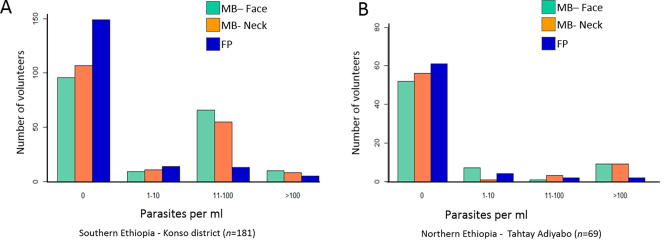
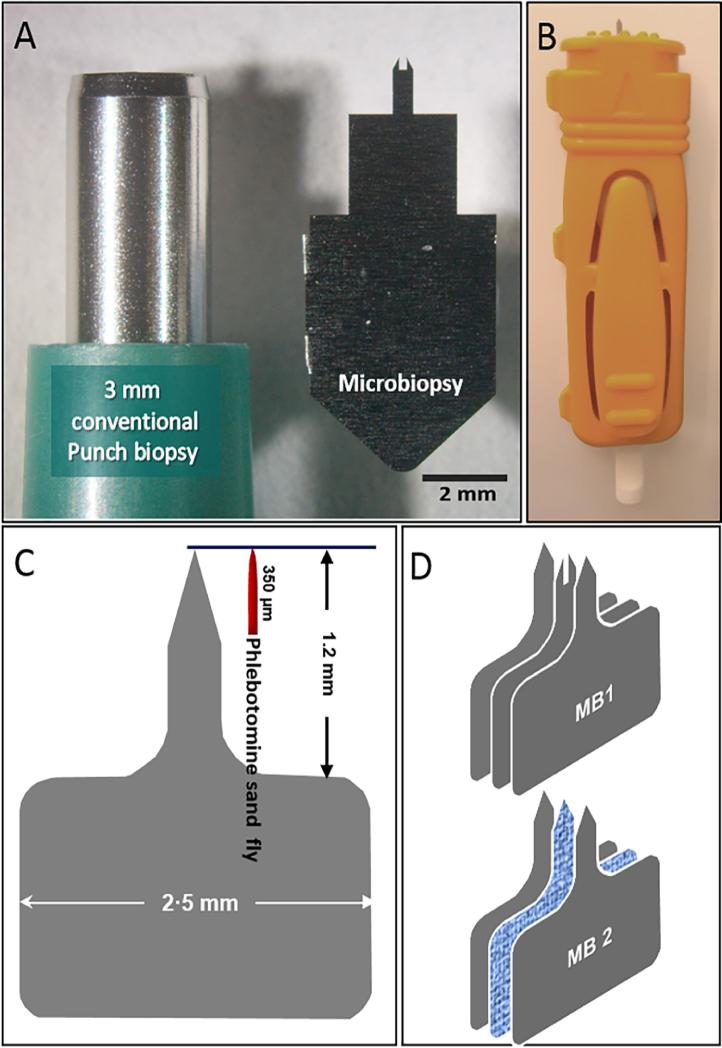
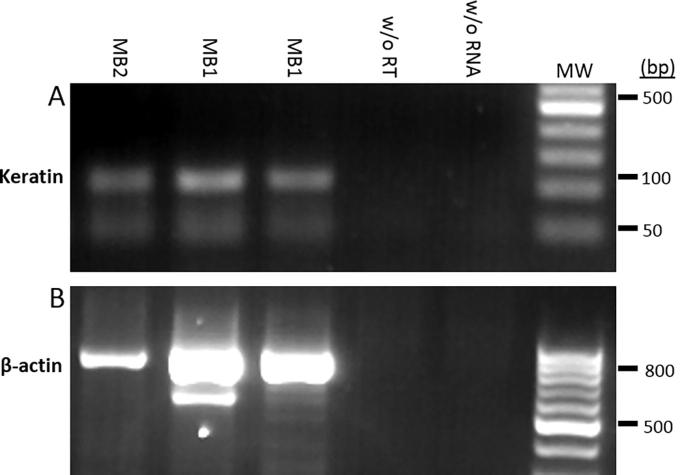
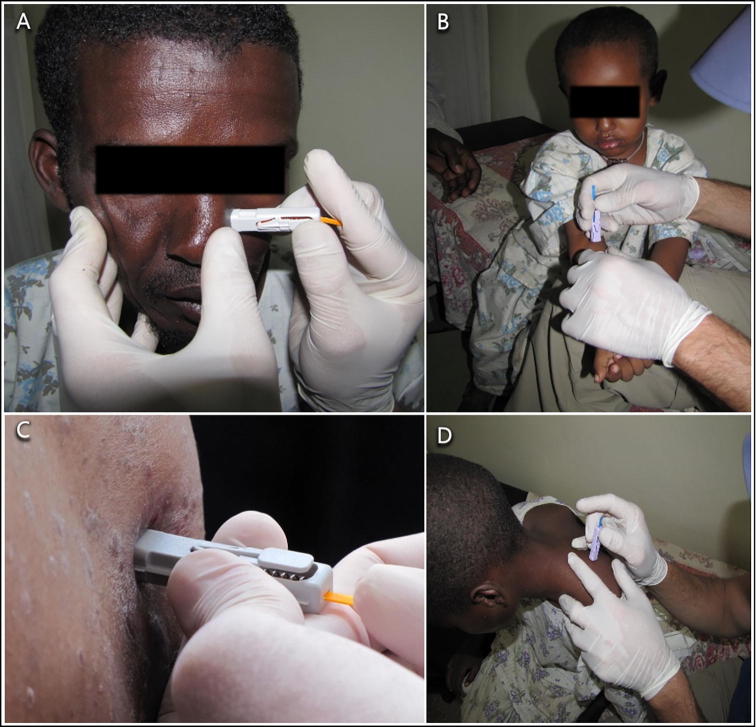
Visceral leishmaniasis (VL) is a potentially lethal, sand fly-borne disease caused by protozoan parasites belonging to the Leishmania donovani species complex. There are several adequate methods for diagnosing VL, but the majority of infected individuals remain asymptomatic, comprising potential parasite reservoirs for transmission of the disease. The gold standard for assessing host infectiousness to biting vector insects is xenodiagnosis (i.e. scoring infection rates among insectary-reared insects that had fed on humans suspected of being infected). However, when it comes to sand flies and leishmaniasis, xenodiagnosis is an intricate operation burdened by logistical hurdles and ethical concerns that prevent its effective application for mass screening of widely dispersed communities, particularly in rural regions of underdeveloped countries. Minimally invasive microbiopsy (MB) devices were designed to penetrate the skin to a depth of ∼200µm and absorb blood as well as skin cell lysates, mimicking the mode by which phlebotomine sand flies acquire blood meals, as well as their composition. MBs taken from 137 of 262 volunteers, living in endemic VL foci in Ethiopia, detected Leishmania parasites that could potentially be imbibed by feeding sand flies. Although the volume of MBs was 10-fold smaller than finger-prick blood samples, Leishmania DNA detection rates from MBs were significantly higher, implying that skin, more often than blood, was the source of parasites. Volunteers with histories of VL were almost as likely as healthy volunteers to test positive by MBs (southern Ethiopian focus: 95% CI: 0.35-2.59, P=1.0. northern Ethiopian focus 0.87: 95% CI: 0.22-3.76, P=1), suggesting the importance of asymptomatic patients as reservoirs of L. donovani. Minimally invasive, painless MBs should be considered for reliably and efficiently evaluating both L. donovani infection rates among large numbers of asymptomatic carriers and their infectiousness to blood-feeding sand flies.
内脏利什曼病(VL)是一种潜在致命的沙蝇传播疾病,由属于利什曼原虫复合体的原生动物寄生虫引起。有几种方法可以诊断 VL,但大多数受感染的个体仍然无症状,构成了疾病传播的潜在寄生虫储存库。评估宿主对吸血昆虫传播媒介的感染性的金标准是异种诊断(即对在昆虫饲养室中饲养的昆虫进行评分,这些昆虫曾吸食过疑似感染的人类)。然而,对于沙蝇和利什曼病来说,异种诊断是一项复杂的操作,受到后勤障碍和伦理问题的困扰,这些问题阻碍了其在广泛分布的社区中进行大规模筛查的有效应用,特别是在欠发达国家的农村地区。微创微生物活检(MB)装置旨在穿透皮肤深度约 200µm,并吸收血液和皮肤细胞裂解物,模拟白蛉沙蝇获取血餐的方式及其组成。从生活在埃塞俄比亚内脏利什曼病流行地区的 262 名志愿者中的 137 人采集的 MB 检测到了潜在可被喂食沙蝇吸收的利什曼寄生虫。尽管 MB 的体积比指压血样小 10 倍,但从 MB 中检测到利什曼 DNA 的比例要高得多,这意味着皮肤比血液更有可能成为寄生虫的来源。有 VL 病史的志愿者与健康志愿者一样,通过 MB 检测呈阳性的可能性几乎相同(埃塞俄比亚南部焦点:95%CI:0.35-2.59,P=1.0;埃塞俄比亚北部焦点:0.87:95%CI:0.22-3.76,P=1),这表明无症状患者作为 L. donovani 储存库的重要性。微创、无痛的 MB 应该被认为是可靠和有效地评估大量无症状携带者中的 L. donovani 感染率及其对吸血沙蝇的传染性的方法。