Zhang Yunhui, Brackman Gilles, Coenye Tom
Laboratory of Pharmaceutical Microbiology, Ghent University, Gent, Belgium.
PeerJ. 2017 Apr 27;5:e3251. doi: 10.7717/peerj.3251. eCollection 2017.
The enzymatic degradation of quorums sensing (QS) molecules (called quorum quenching, QQ) has been considered as a promising anti-virulence therapy to treat biofilm-related infections and combat antibiotic resistance. The recently-discovered QQ enzyme MomL has been reported to efficiently degrade different -acyl homoserine lactones (AHLs) of various Gram-negative pathogens. Here we investigated the effect of MomL on biofilms formed by two important nosocomial pathogens, and .
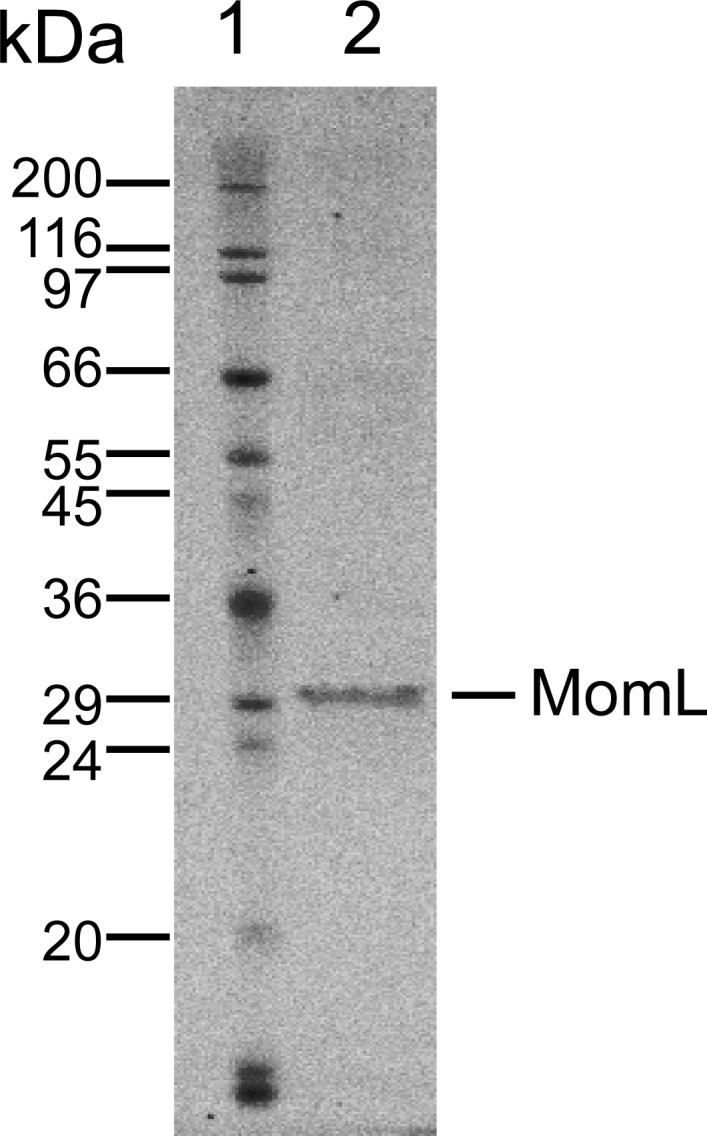
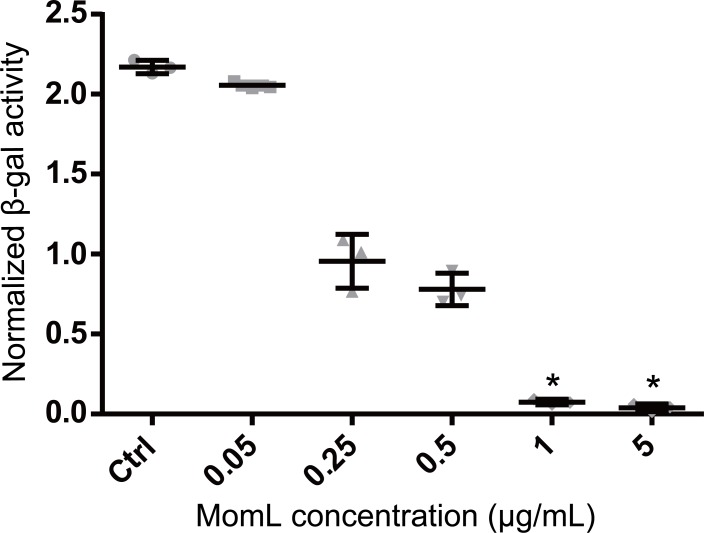
MomL was expressed in BL21 and purified. The activity of MomL on AHLs with hydroxyl substituent was tested. Biofilms of PAO1 and strains were formed in 96-well microtiter plates. Biofilm formation was evaluated by crystal violet staining, plating and fluorescence microscopy. The effect of MomL on biofilm susceptibility to antibiotics was also tested. We further evaluated MomL in dual-species biofilms formed by and , and in biofilms formed in a wound model. The effect of MomL on virulence of was also tested in the model.
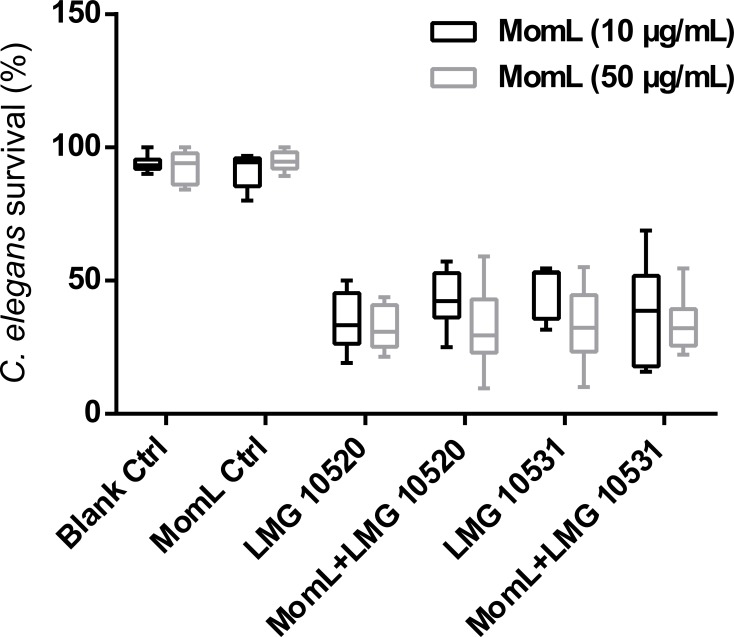
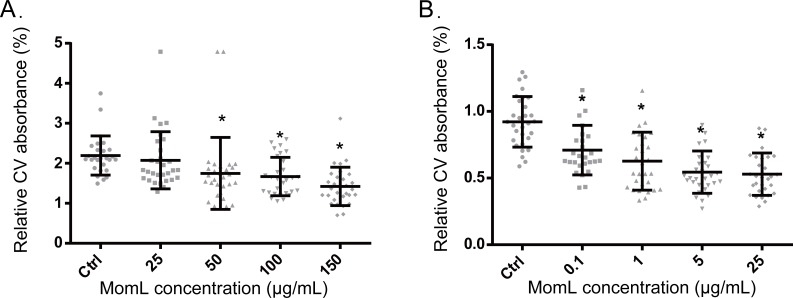
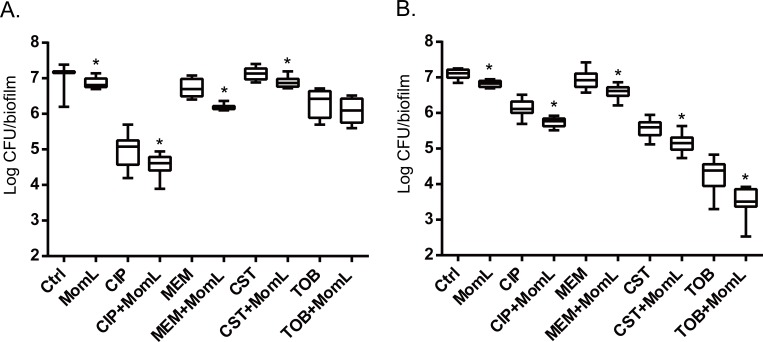
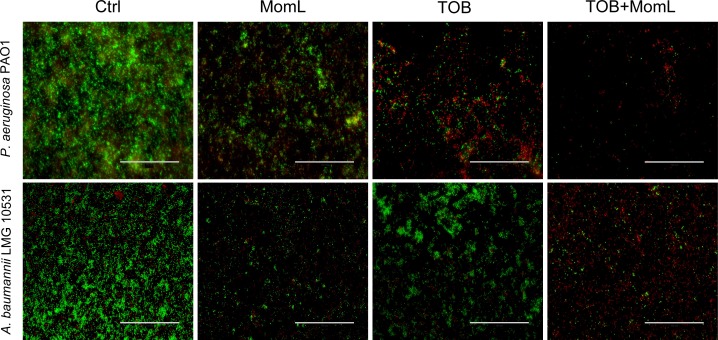
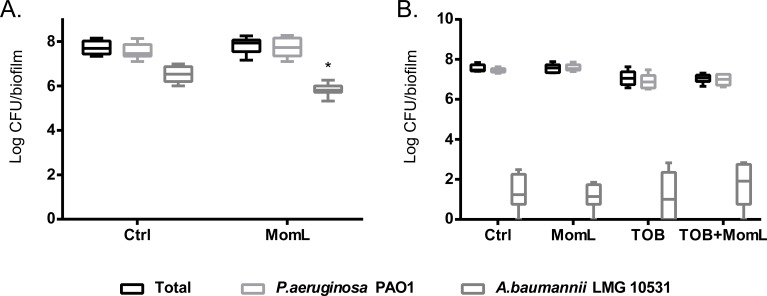
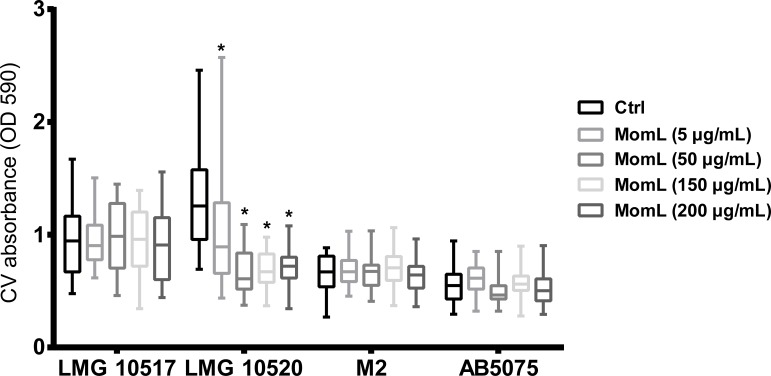
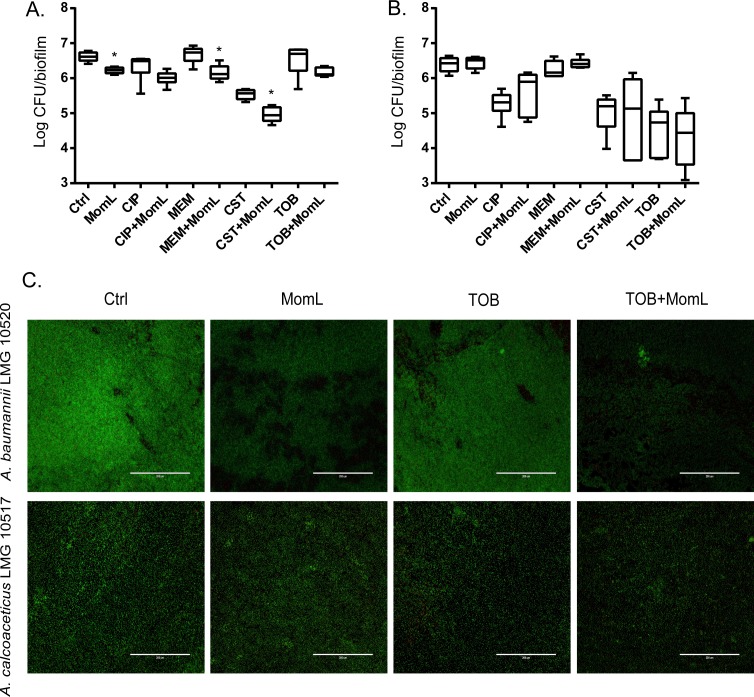
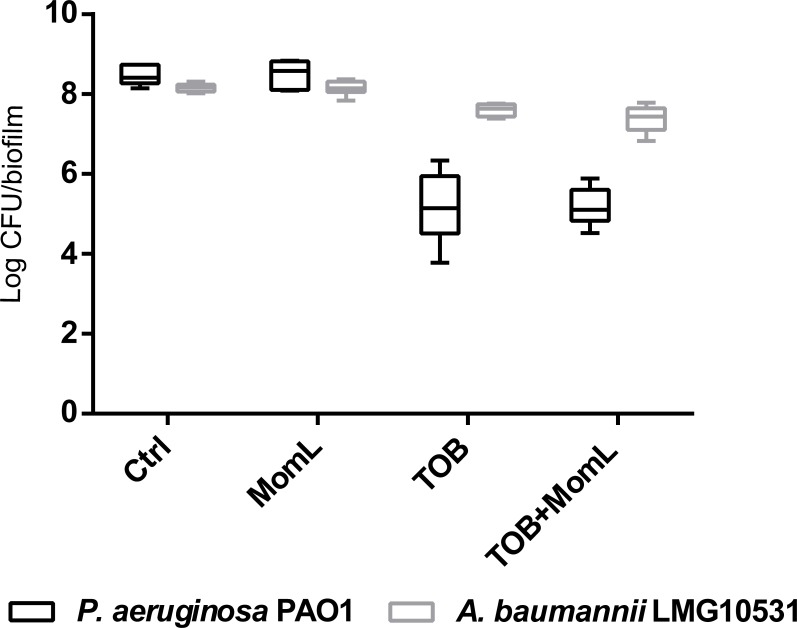
MomL reduced biofilm formation and increased biofilm susceptibility to different antibiotics in biofilms of PAO1 and LMG 10531 formed in microtiter plates . However, no significant differences were detected in the dual-species biofilm and in wound model biofilms. In addition, MomL did not affect virulence of in the model. Finally, the effect of MomL on biofilm of strains seems to be strain-dependent.
Our results indicate that although MomL showed a promising anti-biofilm effect against and biofilms formed in microtiter plates, the effect on biofilm formation under conditions more likely to mimic the real-life situation was much less pronounced or even absent. Our data indicate that in order to obtain a better picture of potential applicability of QQ enzymes for the treatment of biofilm-related infections, more elaborate model systems need to be used.
群体感应(QS)分子的酶促降解(称为群体猝灭,QQ)被认为是一种有前景的抗毒力疗法,用于治疗生物膜相关感染并对抗抗生素耐药性。最近发现的QQ酶MomL已被报道能有效降解各种革兰氏阴性病原体的不同酰基高丝氨酸内酯(AHLs)。在此,我们研究了MomL对两种重要医院病原体[具体病原体名称缺失]形成的生物膜的影响。
MomL在大肠杆菌BL21中表达并纯化。测试了MomL对具有羟基取代基的AHLs的活性。在96孔微量滴定板中形成铜绿假单胞菌PAO1和[具体菌株名称缺失]菌株的生物膜。通过结晶紫染色、平板计数和荧光显微镜评估生物膜形成。还测试了MomL对生物膜对抗生素敏感性的影响。我们进一步在由[具体两种菌株名称缺失]形成的双物种生物膜以及伤口模型中形成的生物膜中评估了MomL。在[具体动物模型名称缺失]模型中也测试了MomL对[具体病原体名称缺失]毒力的影响。
MomL减少了在微量滴定板中形成的铜绿假单胞菌PAO1和[具体菌株名称缺失]LMG 10531生物膜的生物膜形成,并增加了生物膜对不同抗生素的敏感性。然而,在双物种生物膜和伤口模型生物膜中未检测到显著差异。此外,MomL在[具体动物模型名称缺失]模型中不影响[具体病原体名称缺失]的毒力。最后,MomL对[具体菌株名称缺失]菌株生物膜的影响似乎具有菌株依赖性。
我们的结果表明,尽管MomL对在微量滴定板中形成的铜绿假单胞菌和[具体菌株名称缺失]生物膜显示出有前景的抗生物膜作用,但在更可能模拟实际情况的条件下对生物膜形成的影响则不太明显甚至不存在。我们的数据表明,为了更好地了解QQ酶在治疗生物膜相关感染方面的潜在适用性,需要使用更精细的模型系统。