Yang Qiqi, Yan Chuan, Yin Chunyue, Gong Zhiyuan
Department of Biological Sciences, National University of Singapore, Singapore.
Graduate School for Integrative Sciences and Engineering, National University of Singapore, Singapore.
Cell Mol Gastroenterol Hepatol. 2017 Jan 17;3(3):484-499. doi: 10.1016/j.jcmgh.2017.01.002. eCollection 2017 May.
BACKGROUND & AIMS: Hepatocellular carcinoma (HCC) occurs more frequently and aggressively in men than in women. Although sex hormones are believed to play a critical role in this disparity, the possible contribution of other factors largely is unknown. We aimed to investigate the role of serotonin on its contribution of sex discrepancy during HCC.
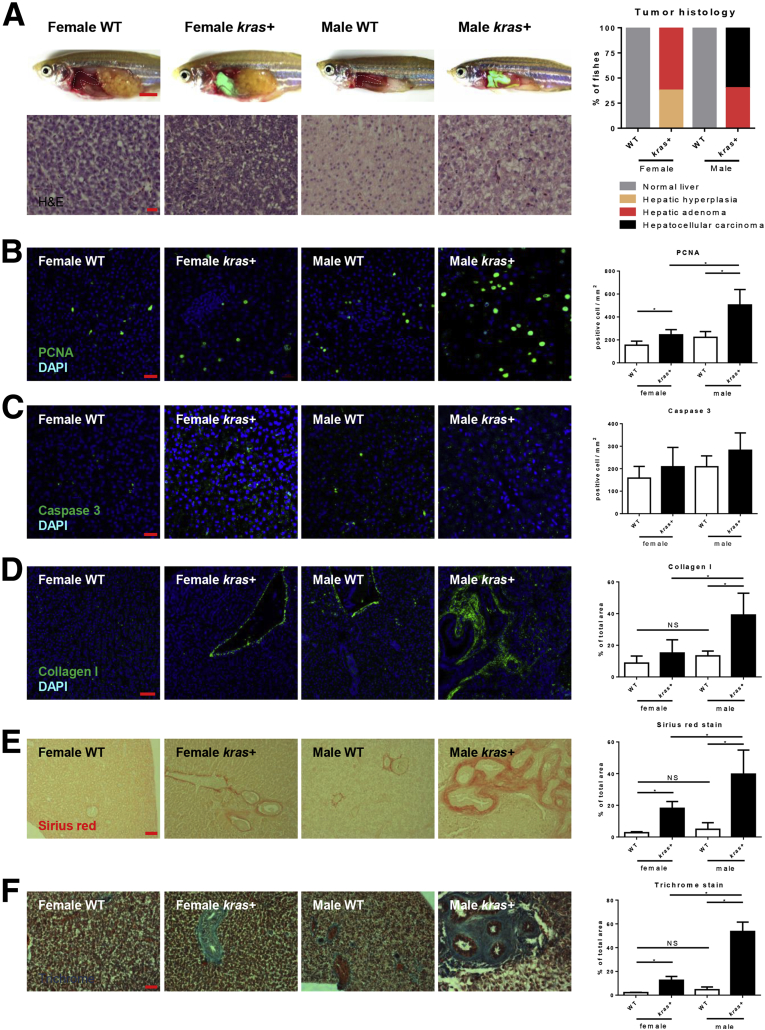
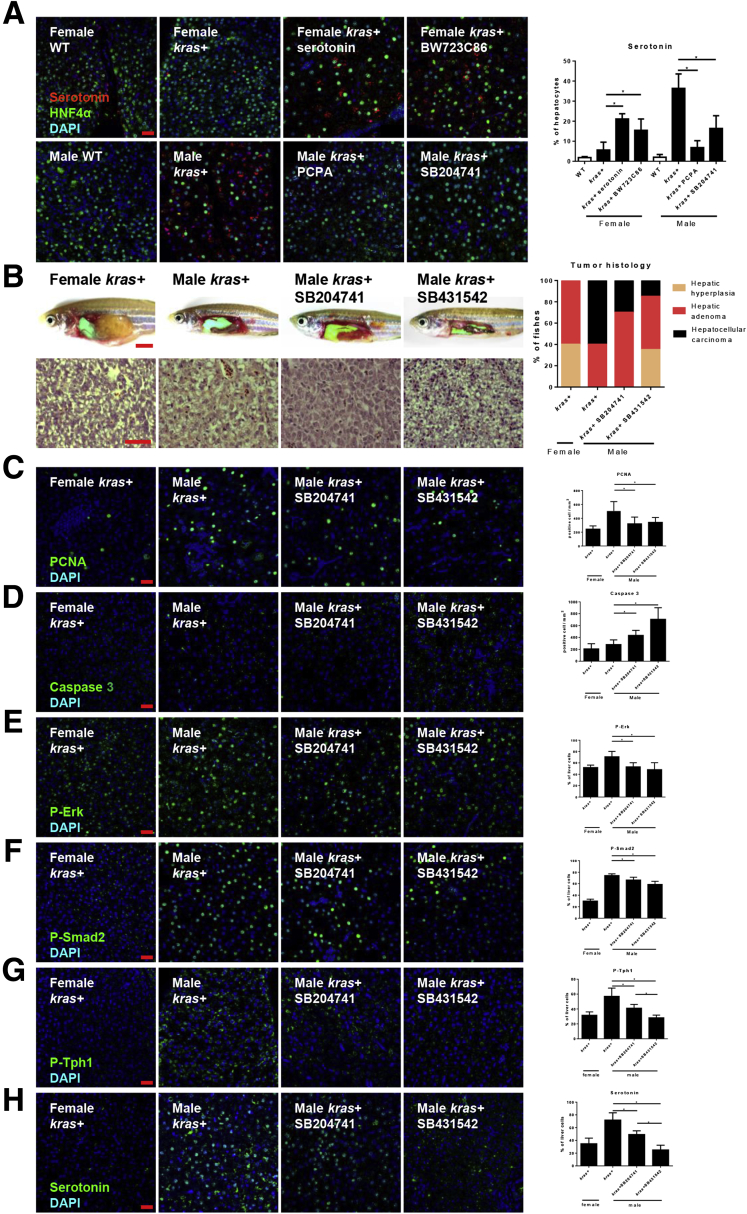
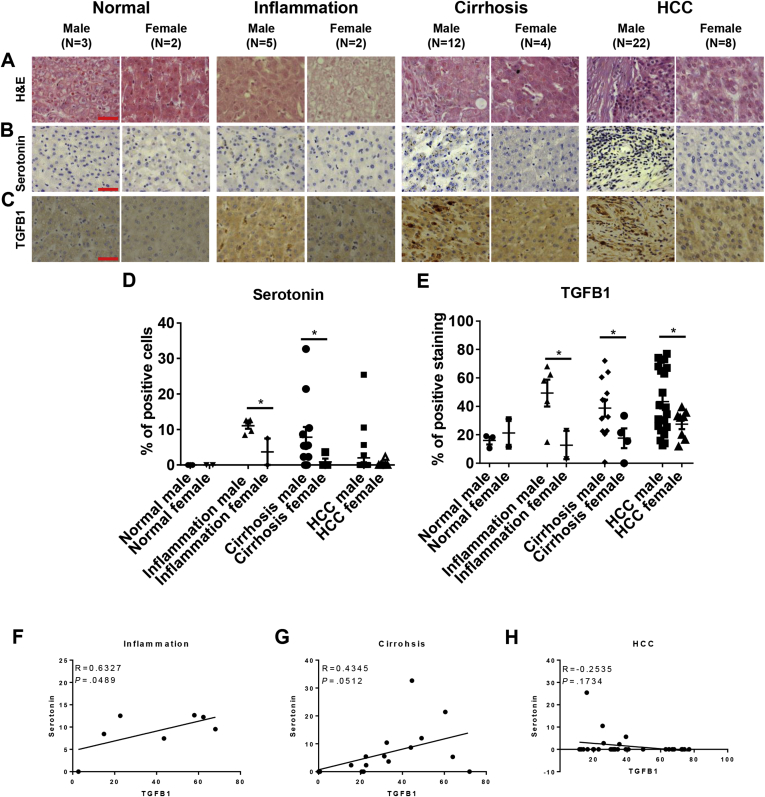
By using an inducible zebrafish HCC model through hepatocyte-specific transgenic expression, differential rates of HCC in male and female fish were characterized by both pharmaceutical and genetic interventions. The findings were validated further in human liver disease samples.
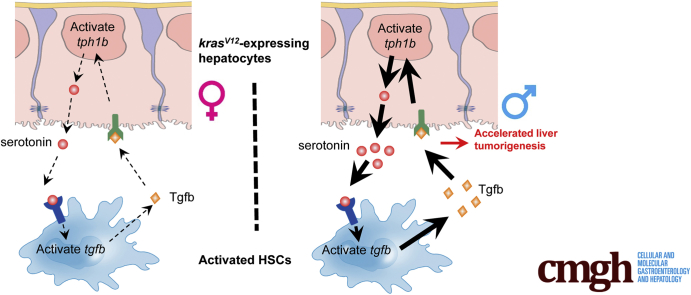
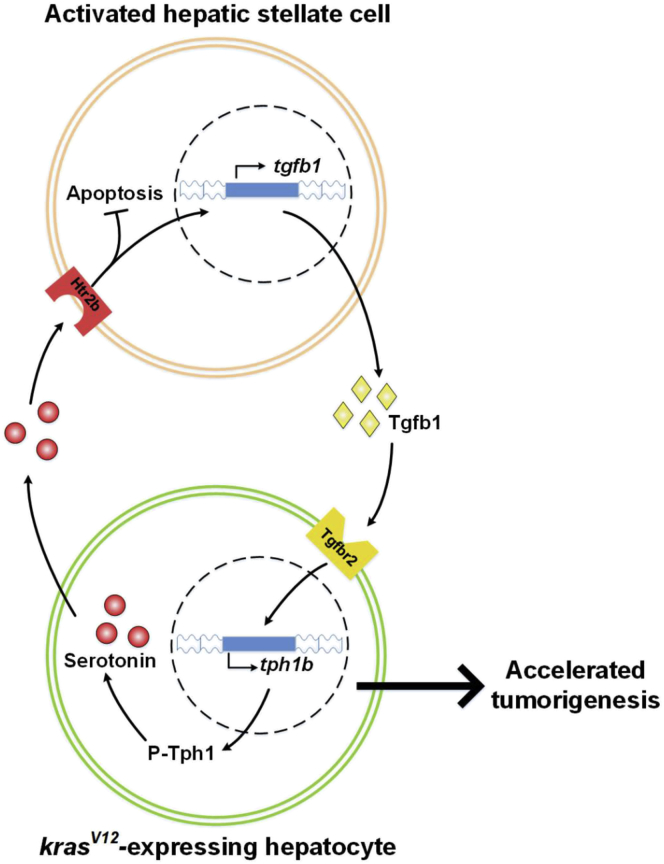
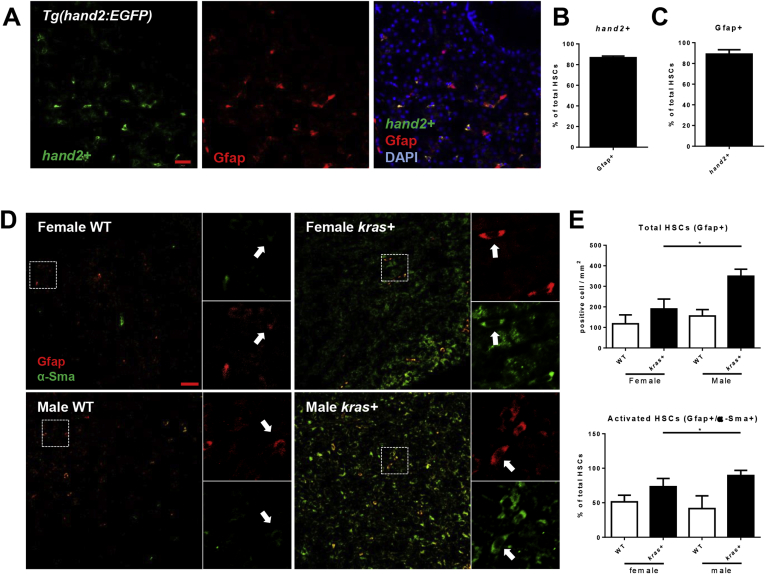
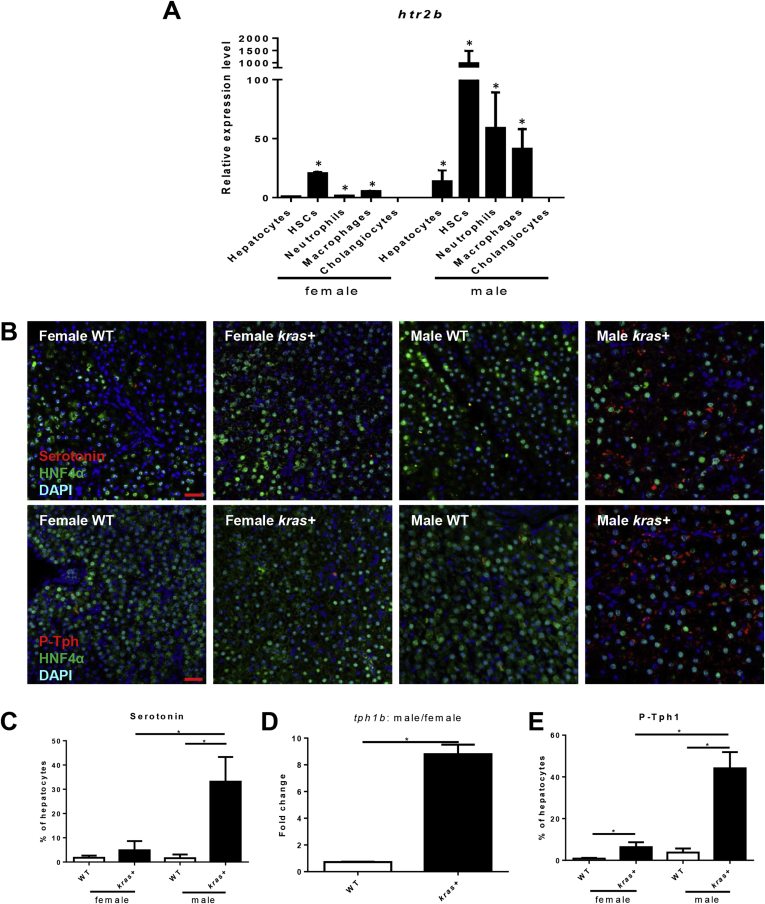
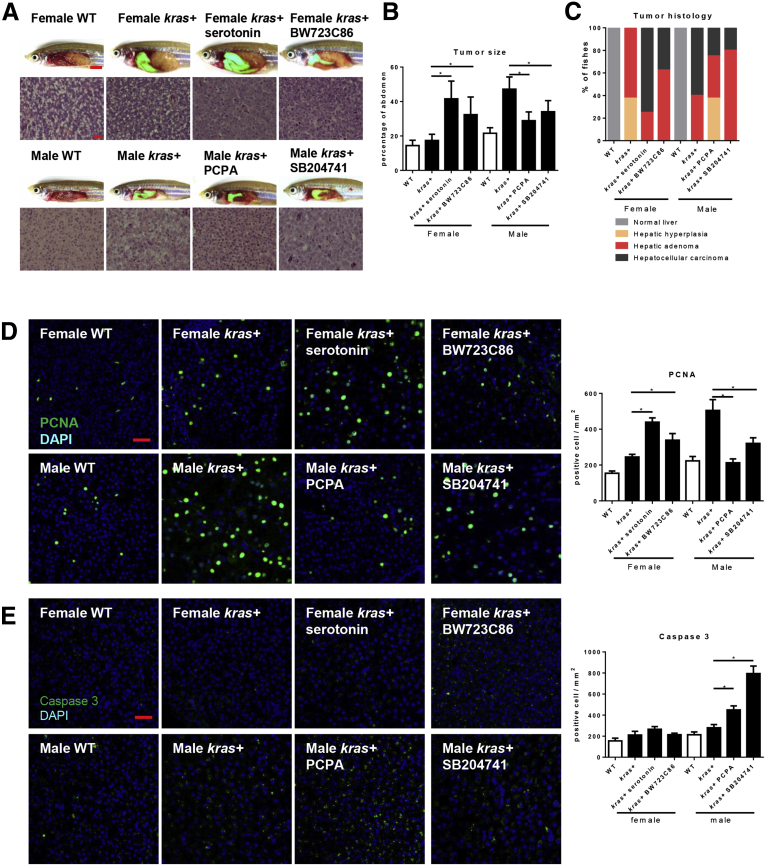
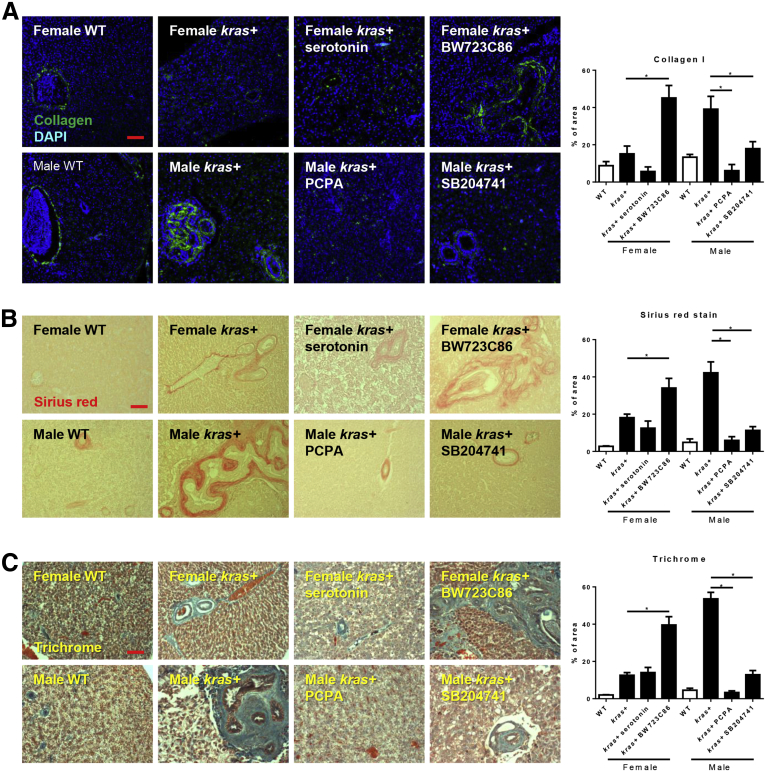
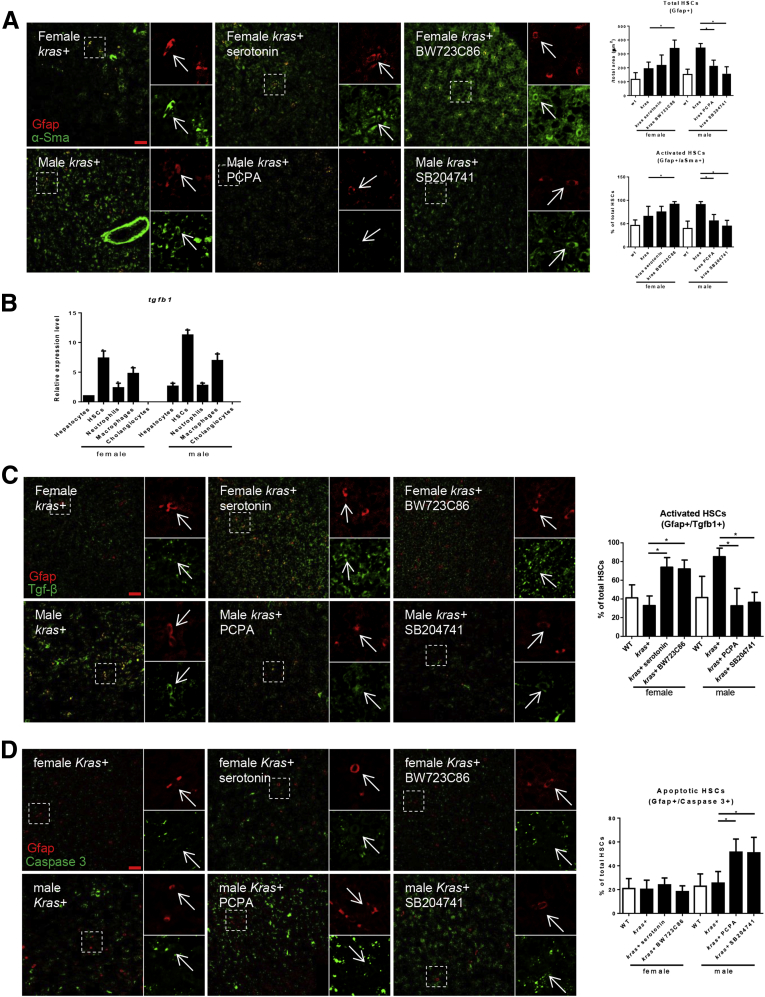
Accelerated HCC progression was observed in expressing male zebrafish and male fish liver tumors were found to have higher hepatic stellate cell (HSC) density and activation. Serotonin, which is essential for HSC survival and activation, similarly were found to be synthesized and accumulated more robustly in males than in females. Serotonin-activated HSCs could promote HCC carcinogenesis and concurrently increase serotonin synthesis via transforming growth factor (Tgf)b1 expression, hence contributing to sex disparity in HCC. Analysis of liver disease patient samples showed similar male predominant serotonin accumulation and Tgfb1 expression.
In both zebrafish HCC models and human liver disease samples, a predominant serotonin synthesis and accumulation in males resulted in higher HSC density and activation as well as Tgfb1 expression, thus accelerating HCC carcinogenesis in males.
肝细胞癌(HCC)在男性中比在女性中更频繁且侵袭性更强地发生。尽管认为性激素在这种差异中起关键作用,但其他因素的可能作用在很大程度上尚不清楚。我们旨在研究血清素在HCC发生过程中对性别差异的作用。
通过肝细胞特异性转基因表达建立诱导性斑马鱼HCC模型,通过药物和基因干预来表征雄性和雌性鱼中HCC的不同发生率。在人类肝病样本中进一步验证了这些发现。
在表达的雄性斑马鱼中观察到HCC进展加速,并且发现雄性鱼肝脏肿瘤具有更高的肝星状细胞(HSC)密度和活化程度。同样发现,对HSC存活和活化至关重要的血清素在雄性中比在雌性中合成和积累得更强烈。血清素激活的HSCs可促进HCC致癌作用,并通过转化生长因子(Tgf)b1表达同时增加血清素合成,从而导致HCC中的性别差异。对肝病患者样本的分析显示出类似的男性血清素积累和Tgfb1表达占主导。
在斑马鱼HCC模型和人类肝病样本中,雄性中血清素的主要合成和积累导致更高的HSC密度和活化以及Tgfb1表达,从而加速了雄性中的HCC致癌作用。