Selby Katja, Mascher Gerald, Somervuo Panu, Lindström Miia, Korkeala Hannu
Department of Food Hygiene and Environmental Health, Faculty of Veterinary Medicine, University of Helsinki, Helsinki, Finland.
PLoS One. 2017 May 2;12(5):e0176944. doi: 10.1371/journal.pone.0176944. eCollection 2017.
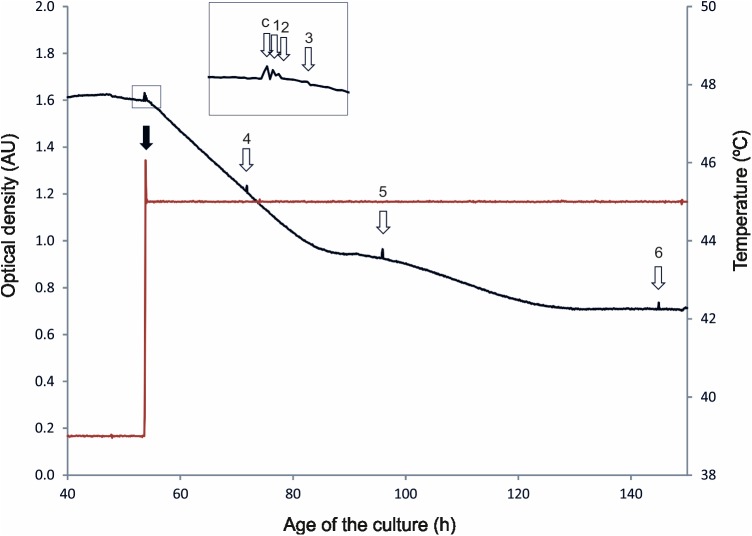
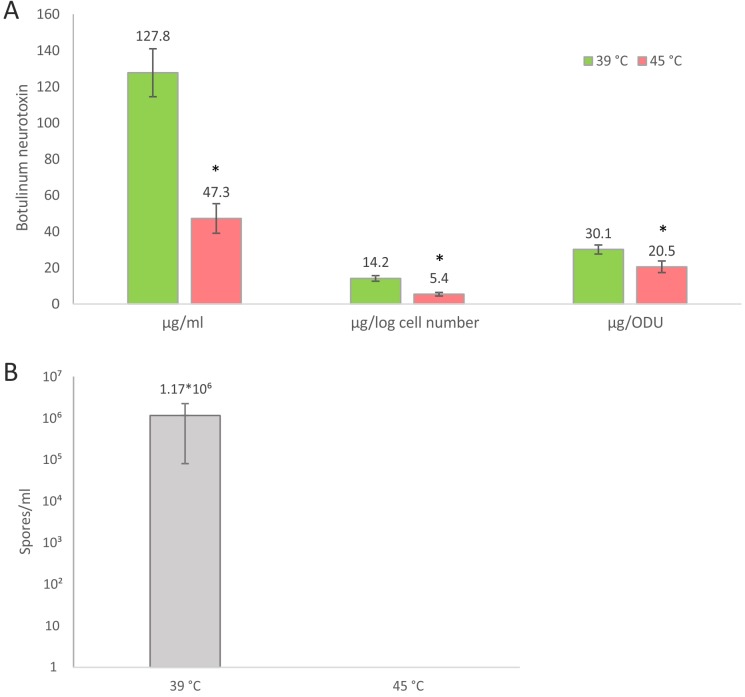
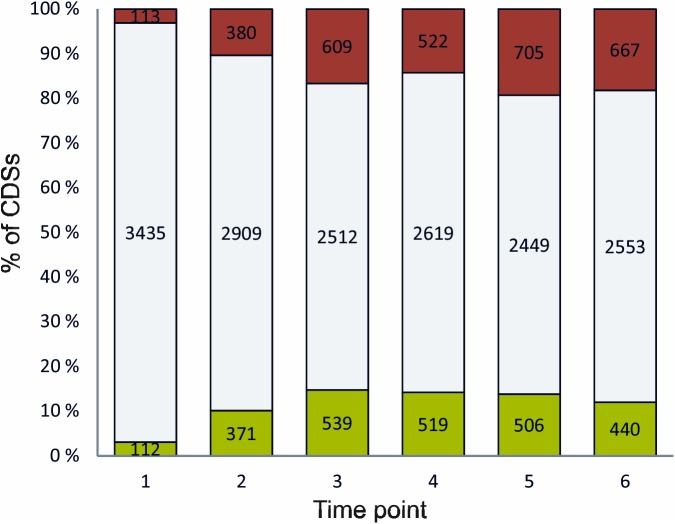
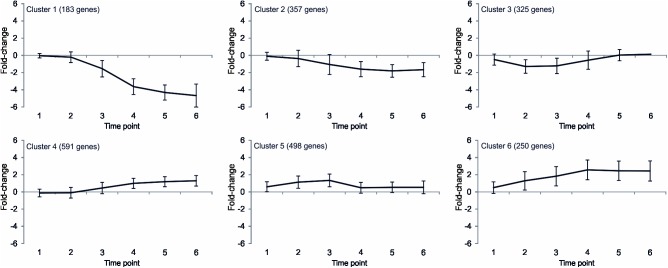
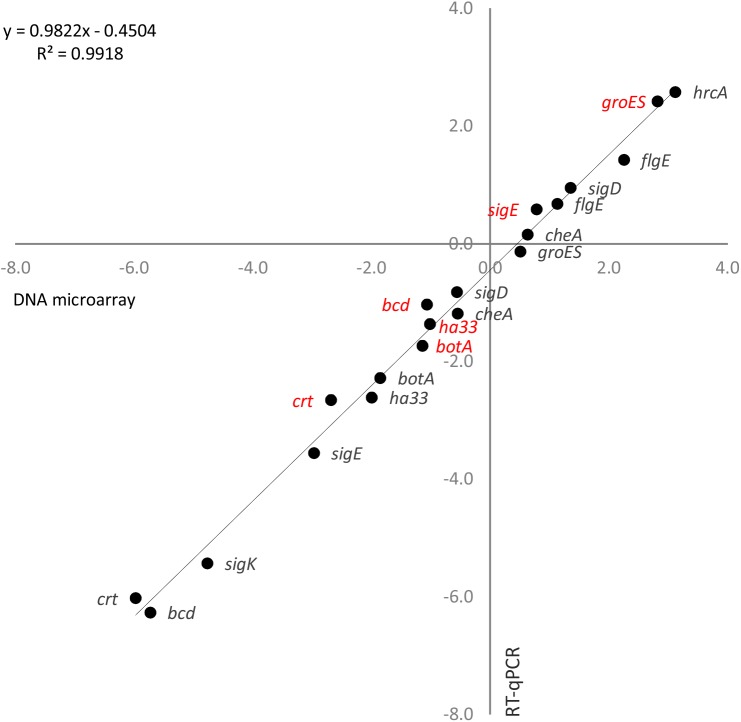
Foodborne pathogenic bacteria are exposed to a number of environmental stresses during food processing, storage, and preparation, and in the human body. In order to improve the safety of food, the understanding of molecular stress response mechanisms foodborne pathogens employ is essential. Many response mechanisms that are activated during heat shock may cross-protect bacteria against other environmental stresses. To better understand the molecular mechanisms Clostridium botulinum, the causative agent of botulism, utilizes during acute heat stress and during adaptation to stressfully high temperature, the C. botulinum Group I strain ATCC 3502 was grown in continuous culture at 39°C and exposed to heat shock at 45°C, followed by prolonged heat stress at 45°C to allow adaptation of the culture to the high temperature. Growth in continuous culture was performed to exclude secondary growth phase effects or other environmental impacts on bacterial gene transcription. Changes in global gene expression profiles were studied using DNA microarray hybridization. During acute heat stress, Class I and III heat shock genes as well as members of the SOS regulon were activated. The neurotoxin gene botA and genes encoding the neurotoxin-associated proteins were suppressed throughout the study. Prolonged heat stress led to suppression of the sporulation machinery whereas genes related to chemotaxis and motility were activated. Induced expression of a large proportion of prophage genes was detected, suggesting an important role of acquired genes in the stress resistance of C. botulinum. Finally, changes in the expression of a large number of genes related to carbohydrate and amino acid metabolism indicated remodeling of the cellular metabolism.
食源性病原体在食品加工、储存、制备过程以及人体中会面临多种环境压力。为提高食品安全性,了解食源性病原体所采用的分子应激反应机制至关重要。许多在热休克期间激活的反应机制可能会交叉保护细菌抵御其他环境压力。为了更好地理解肉毒杆菌中毒的病原体肉毒梭菌在急性热应激期间以及适应高温胁迫时所利用的分子机制,将肉毒梭菌I群菌株ATCC 3502在39°C连续培养,然后在45°C进行热休克处理,接着在45°C进行长时间热应激处理以使培养物适应高温。进行连续培养以排除二次生长阶段效应或其他环境对细菌基因转录的影响。使用DNA微阵列杂交研究全局基因表达谱的变化。在急性热应激期间,I类和III类热休克基因以及SOS调节子的成员被激活。在整个研究过程中,神经毒素基因botA和编码神经毒素相关蛋白的基因受到抑制。长时间热应激导致芽孢形成机制受到抑制而与趋化性和运动性相关的基因被激活。检测到大量前噬菌体基因的诱导表达,表明获得性基因在肉毒梭菌的应激抗性中起重要作用。最后,大量与碳水化合物和氨基酸代谢相关的基因表达变化表明细胞代谢发生了重塑。