School of Biological Sciences, University of Bristol, Tyndall Avenue, Bristol BS8 1TQ, UK.
Department of Immunology and Infection, London School of Hygiene and Tropical Medicine, Keppel Street, London WC1E 7HT, UK.
Nat Commun. 2017 May 3;8:14811. doi: 10.1038/ncomms14811.
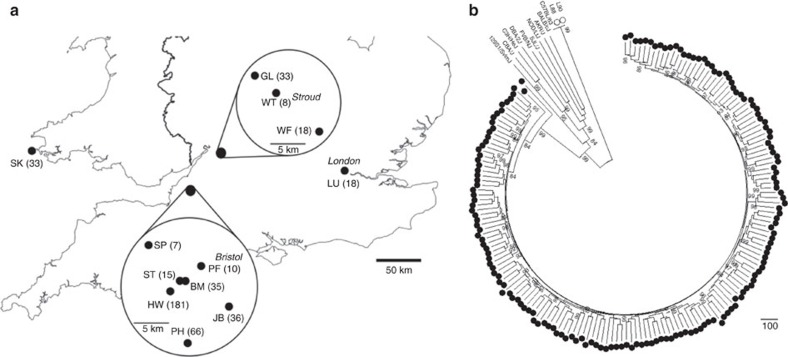
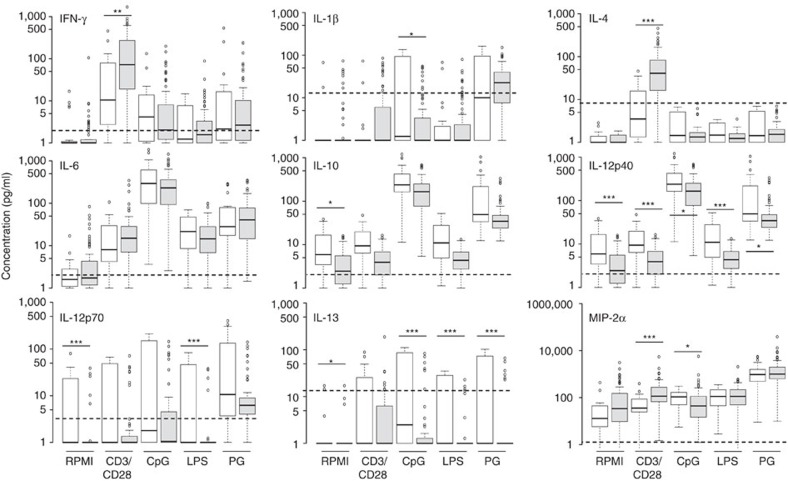
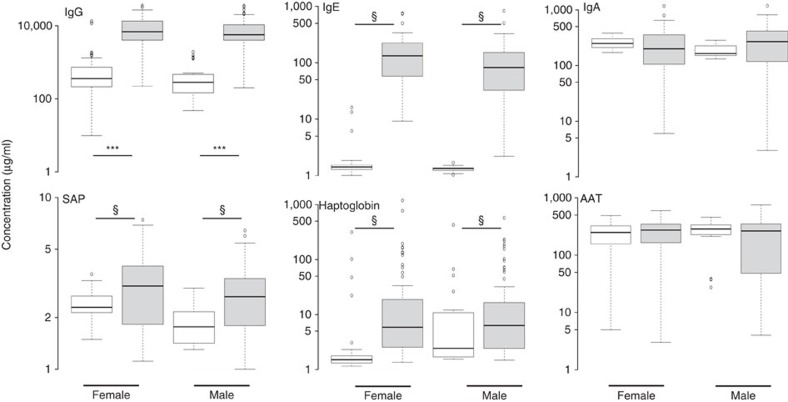
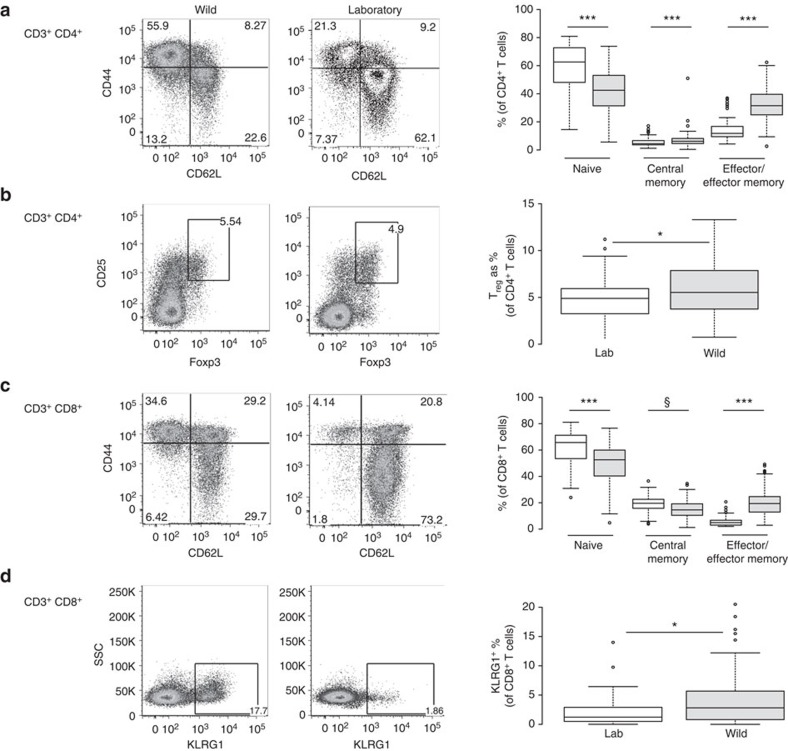
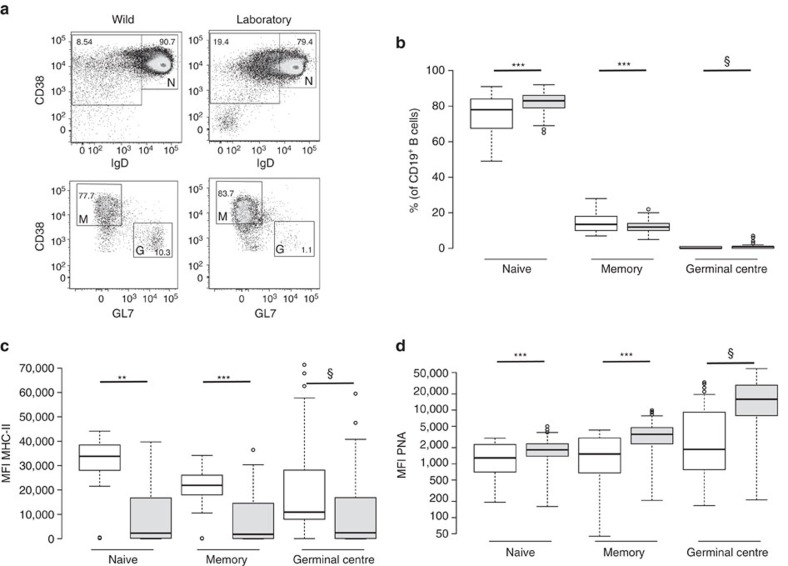
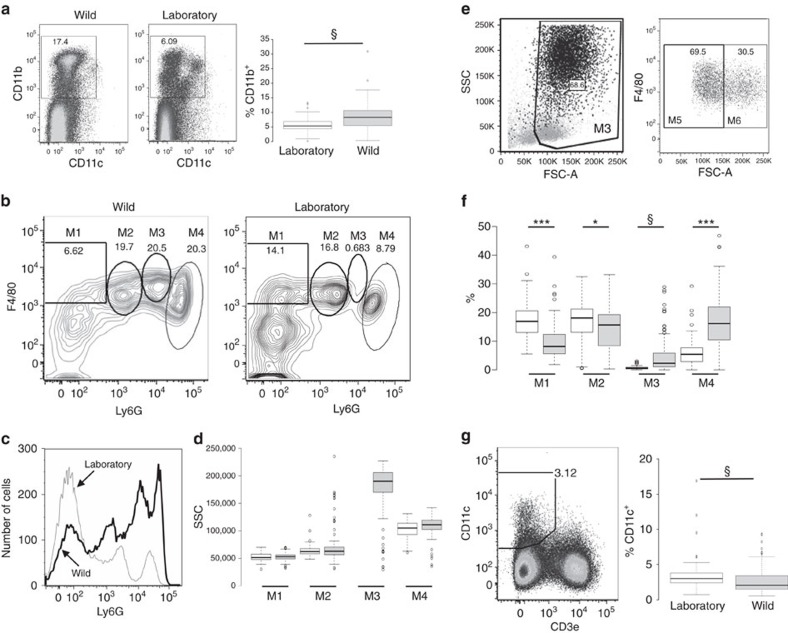
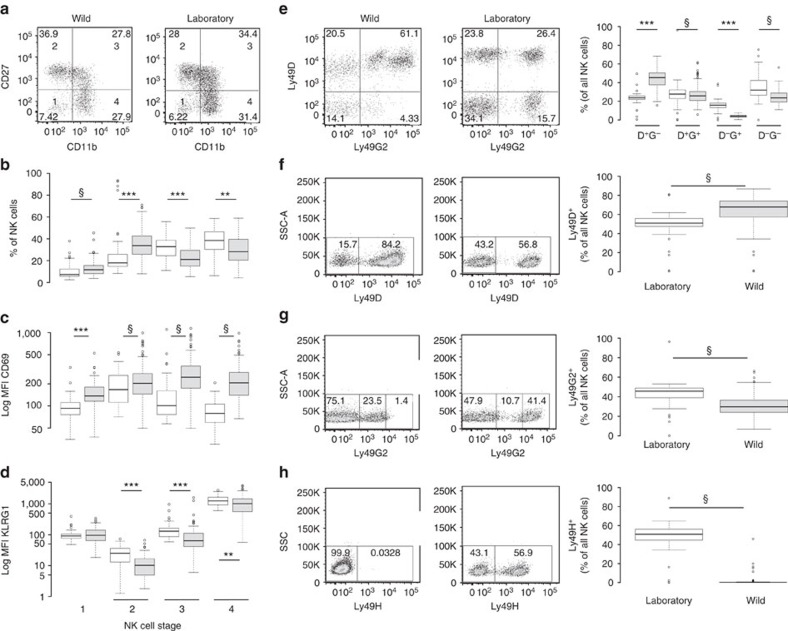
The laboratory mouse is the workhorse of immunology, used as a model of mammalian immune function, but how well immune responses of laboratory mice reflect those of free-living animals is unknown. Here we comprehensively characterize serological, cellular and functional immune parameters of wild mice and compare them with laboratory mice, finding that wild mouse cellular immune systems are, comparatively, in a highly activated (primed) state. Associations between immune parameters and infection suggest that high level pathogen exposure drives this activation. Moreover, wild mice have a population of highly activated myeloid cells not present in laboratory mice. By contrast, in vitro cytokine responses to pathogen-associated ligands are generally lower in cells from wild mice, probably reflecting the importance of maintaining immune homeostasis in the face of intense antigenic challenge in the wild. These data provide a comprehensive basis for validating (or not) laboratory mice as a useful and relevant immunological model system.
实验小鼠是免疫学的主力军,被用作哺乳动物免疫功能的模型,但实验小鼠的免疫反应在多大程度上反映了自由生活动物的免疫反应尚不清楚。在这里,我们全面描述了野生小鼠的血清学、细胞和功能免疫参数,并将其与实验小鼠进行了比较,结果发现,与实验小鼠相比,野生小鼠的细胞免疫系统处于高度激活(致敏)状态。免疫参数与感染之间的关联表明,高水平的病原体暴露驱动了这种激活。此外,野生小鼠存在一群高度激活的髓样细胞,而实验小鼠中不存在。相比之下,来自野生小鼠的细胞对病原体相关配体的体外细胞因子反应通常较低,这可能反映了在野外强烈的抗原挑战下,维持免疫平衡的重要性。这些数据为验证(或不验证)实验小鼠作为有用和相关的免疫模型系统提供了全面的基础。