Li Tao, Angeles Olivyn, Marcaida Manuel, Manalo Emmali, Manalili Mervin Pogs, Radanielson Ando, Mohanty Samarendu
International Rice Research Institute, Los Baños, Philippines.
Agric For Meteorol. 2017 May 1;237-238:246-256. doi: 10.1016/j.agrformet.2017.02.025.
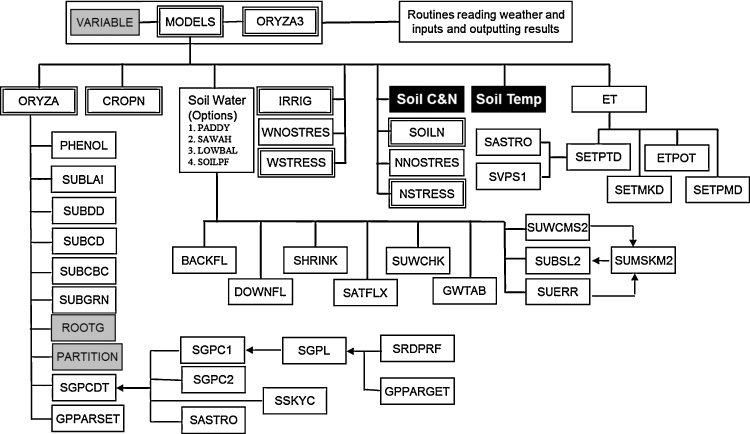
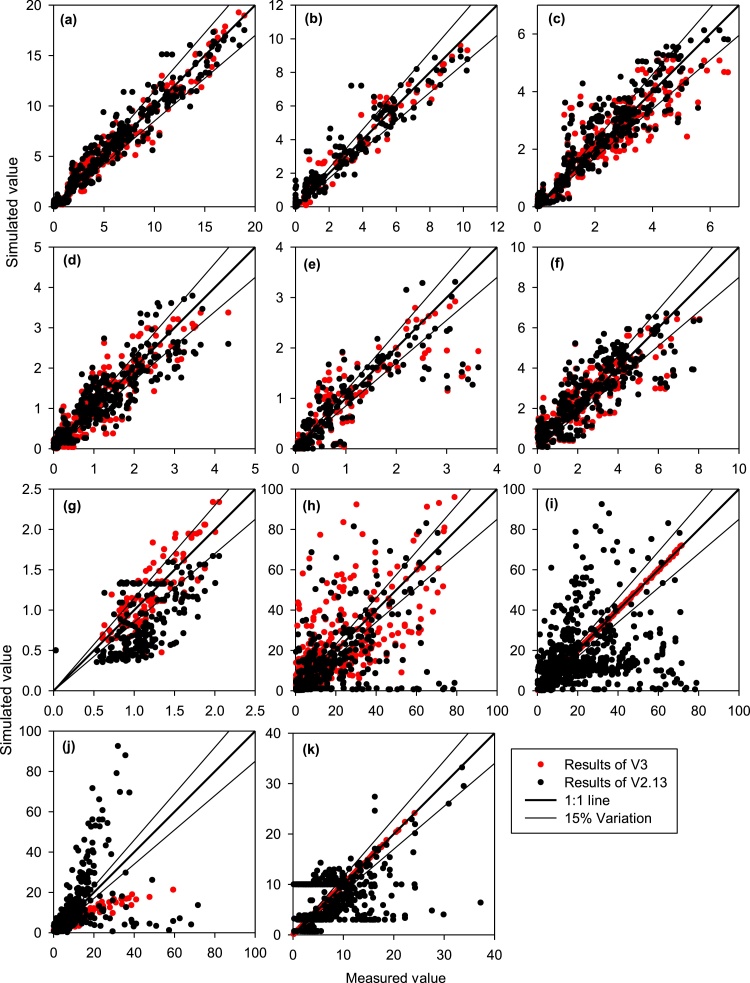
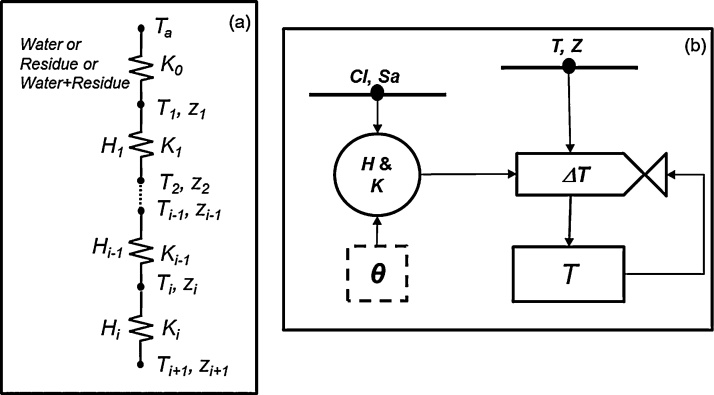
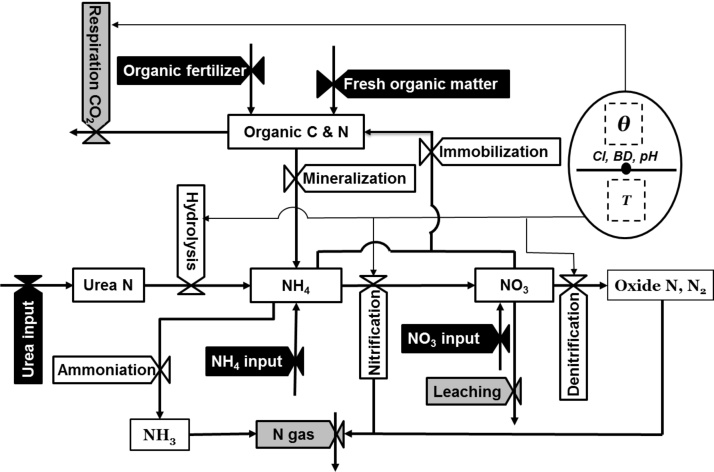
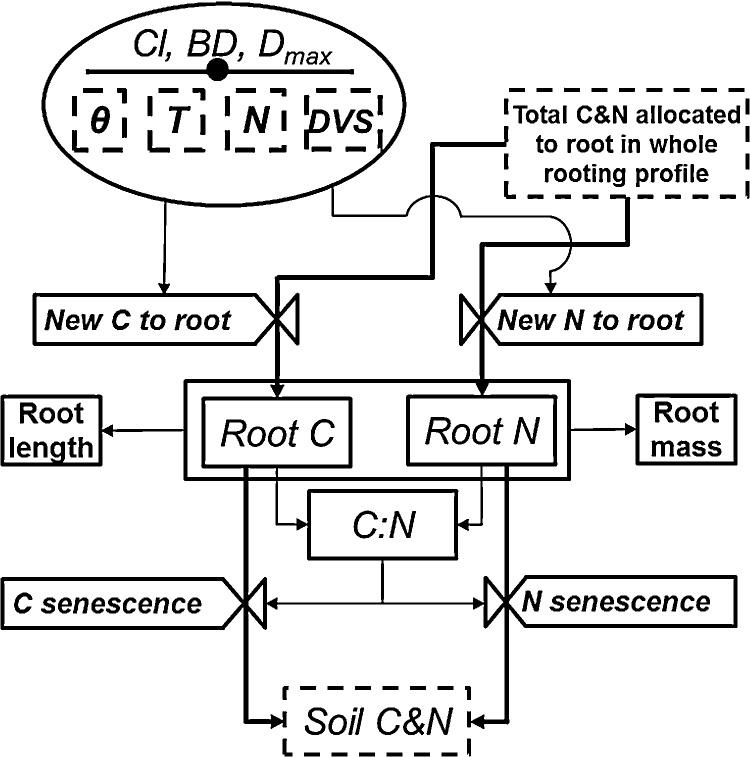
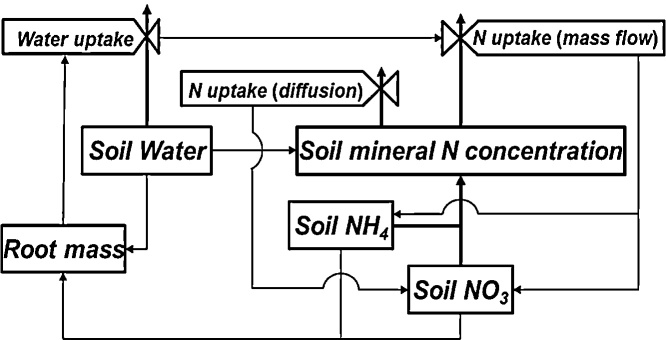
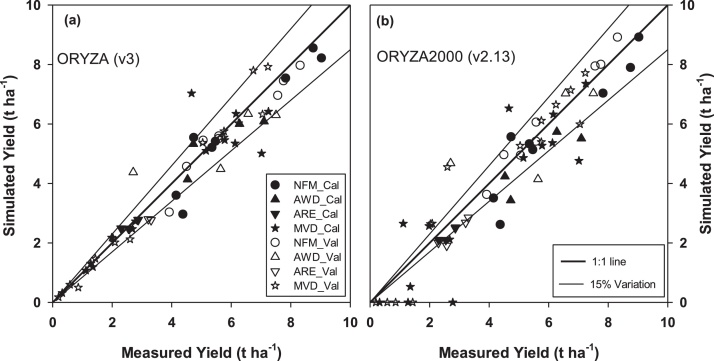
The worldwide usage of and increasing citations for ORYZA2000 has established it as a robust and reliable ecophysiological model for predicting the growth and yield of rice in an irrigated lowland ecosystem. Because of its focus on irrigated lowlands, its computation ability is limited to the representation of the effects of the highly dynamic environments of upland, rainfed, and aerobic ecosystems on rice growth and yield. Additional modules and routines to quantify daily variations in soil temperature, carbon, nitrogen, and environmental stresses were then developed and integrated into ORYZA2000 to capture their effects on primary production, assimilate allocation, root growth, and water and nitrogen uptake. The newest version has been renamed "ORYZA version 3 (v3)". Case studies have shown that the root mean square errors (RMSE) between simulated and measured values for total biomass and yields ranged from 11.2% to 16.6% across experiments in non-drought and drought and/or nitrogen-deficient environments. ORYZA (v3) showed a significant reduction of the RMSE by at least 20%, thereby improving the model's capability to represent values measured under extreme conditions. It has also been significantly improved in representing the dynamics of soil water and crop leaf nitrogen contents. With an enhanced capability to simulate rice growth and development and predict yield in non-stressed, water-stressed and nitrogen-stressed environments, ORYZA (v3) is a reliable successor of ORYZA2000.
ORYZA2000在全球范围内的广泛应用及其引用次数的不断增加,使其成为预测灌溉低地生态系统中水稻生长和产量的一个强大且可靠的生态生理模型。由于它专注于灌溉低地,其计算能力仅限于表示旱地、雨养和有氧生态系统高度动态环境对水稻生长和产量的影响。随后开发了额外的模块和程序来量化土壤温度、碳、氮和环境胁迫的每日变化,并将其集成到ORYZA2000中,以捕捉它们对初级生产、同化分配、根系生长以及水分和氮素吸收的影响。最新版本已更名为“ORYZA版本3(v3)”。案例研究表明,在非干旱以及干旱和/或缺氮环境的实验中,模拟值与实测值之间总生物量和产量的均方根误差(RMSE)在11.2%至16.6%之间。ORYZA(v3)显示RMSE显著降低了至少20%,从而提高了该模型表示极端条件下实测值的能力。它在表示土壤水分和作物叶片氮含量的动态方面也有显著改进。ORYZA(v3)具有增强的模拟水稻生长发育以及预测非胁迫、水分胁迫和氮胁迫环境下产量的能力,是ORYZA2000的可靠继任者。