Edwards Nicholas W M, Best Emma L, Connell Simon D, Goswami Parikshit, Carr Chris M, Wilcox Mark H, Russell Stephen J
Nonwovens Research Group, School of Design, University of Leeds, Leeds, UK.
School of Physics and Astronomy, University of Leeds, Leeds, UK.
Sci Technol Adv Mater. 2017 Mar 14;18(1):197-209. doi: 10.1080/14686996.2017.1288543. eCollection 2017.
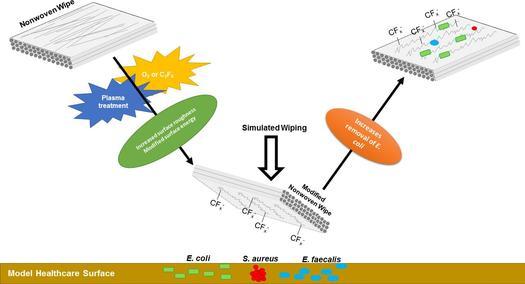
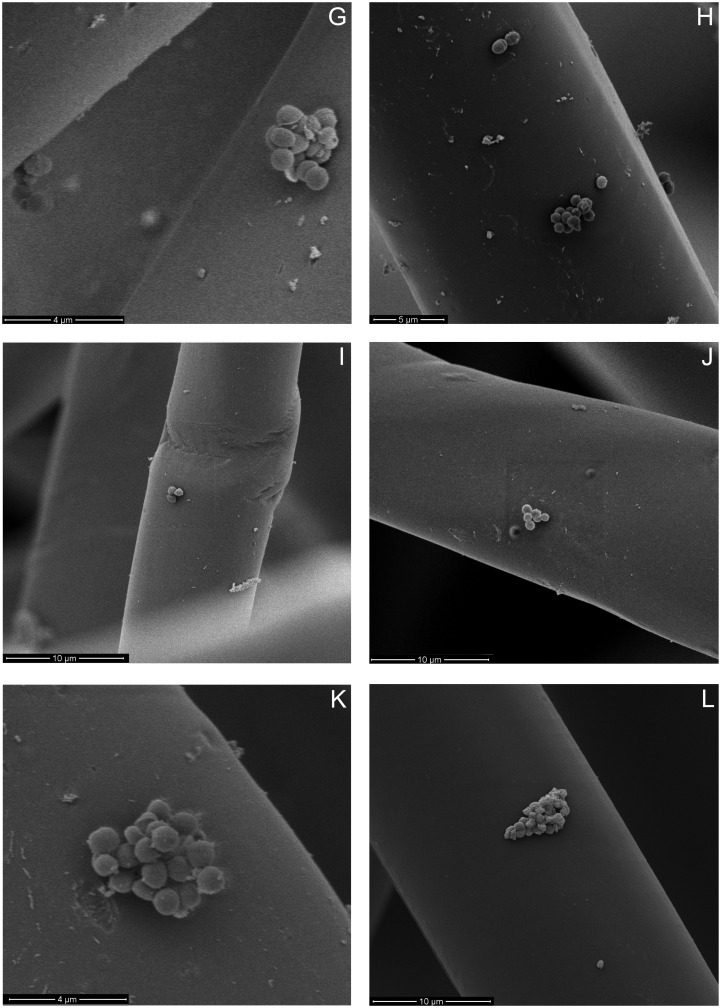
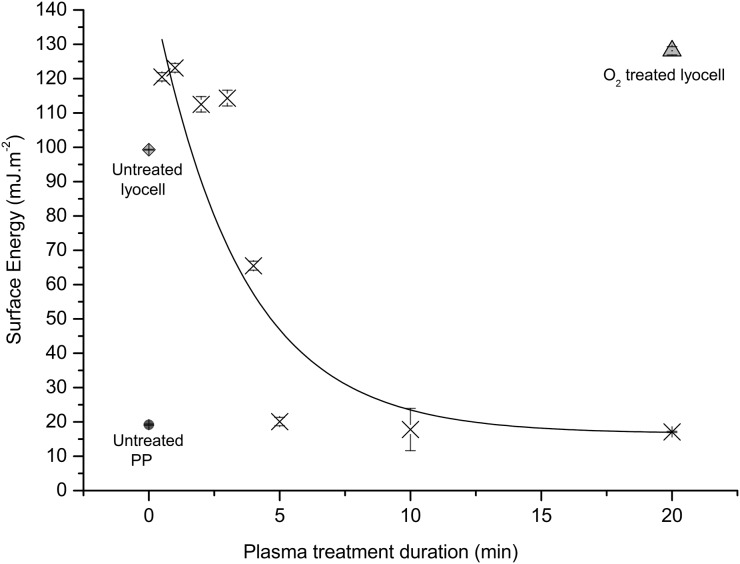
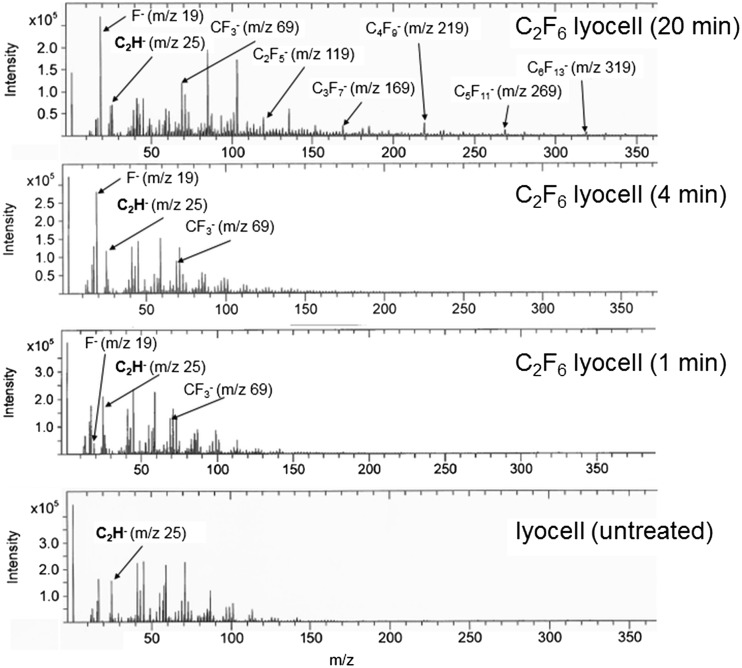
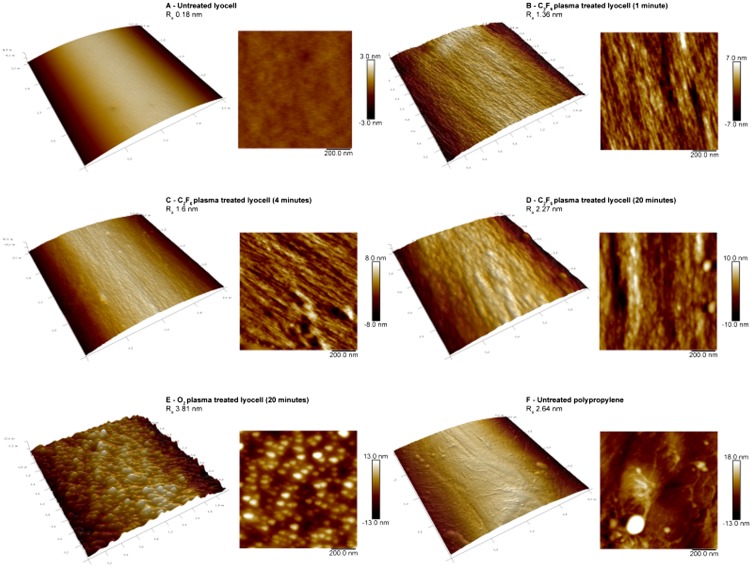
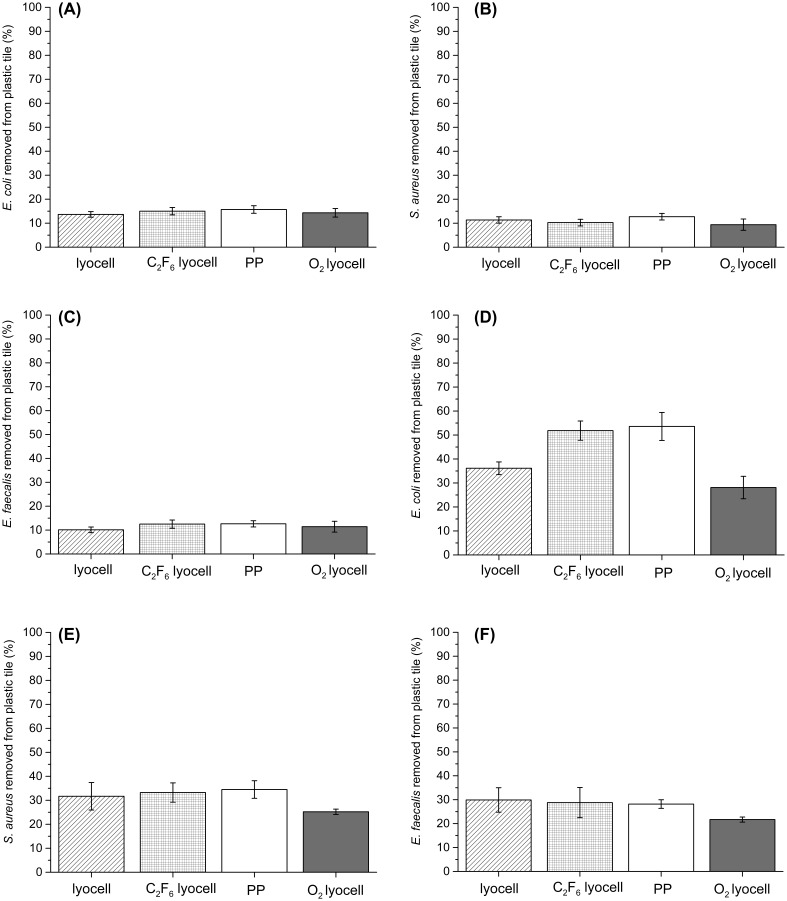
Healthcare associated infections (HCAIs) are responsible for substantial patient morbidity, mortality and economic cost. Infection control strategies for reducing rates of transmission include the use of nonwoven wipes to remove pathogenic bacteria from frequently touched surfaces. Wiping is a dynamic process that involves physicochemical mechanisms to detach and transfer bacteria to fibre surfaces within the wipe. The purpose of this study was to determine the extent to which systematic changes in fibre surface energy and nano-roughness influence removal of bacteria from an abiotic polymer surface in dry wiping conditions, without liquid detergents or disinfectants. Nonwoven wipe substrates composed of two commonly used fibre types, lyocell (cellulosic) and polypropylene, with different surface energies and nano-roughnesses, were manufactured using pilot-scale nonwoven facilities to produce samples of comparable structure and dimensional properties. The surface energy and nano-roughness of some lyocell substrates were further adjusted by either oxygen (O) or hexafluoroethane (CF) gas plasma treatment. Static adpression wiping of an inoculated surface under dry conditions produced removal efficiencies of between 9.4% and 15.7%, with no significant difference ( < 0.05) in the relative removal efficiencies of , or . However, dynamic wiping markedly increased peak wiping efficiencies to over 50%, with a minimum increase in removal efficiency of 12.5% and a maximum increase in removal efficiency of 37.9% (all significant at < 0.05) compared with static wiping, depending on fibre type and bacterium. In dry, dynamic wiping conditions, nonwoven wipe substrates with a surface energy closest to that of the contaminated surface produced the highest removal efficiency, while the associated increase in fibre nano-roughness abrogated this trend with and .
医疗保健相关感染(HCAIs)会导致患者出现严重发病、死亡及产生经济成本。降低传播率的感染控制策略包括使用非织造擦拭布清除经常接触表面的致病细菌。擦拭是一个动态过程,涉及物理化学机制,可将细菌分离并转移至擦拭布内的纤维表面。本研究的目的是确定在不使用液体洗涤剂或消毒剂的干擦条件下,纤维表面能和纳米粗糙度的系统性变化对从非生物聚合物表面去除细菌的影响程度。使用中试规模的非织造设备制造了由两种常用纤维类型(莱赛尔纤维(纤维素类)和聚丙烯)组成的非织造擦拭布基材,这两种纤维具有不同的表面能和纳米粗糙度,以生产结构和尺寸性能相当的样品。一些莱赛尔纤维基材的表面能和纳米粗糙度通过氧气(O)或六氟乙烷(CF)气体等离子体处理进一步调整。在干燥条件下对接种表面进行静态按压擦拭产生的去除效率在9.4%至15.7%之间,对于 、 或 的相对去除效率没有显著差异(<0.05)。然而,与静态擦拭相比,动态擦拭显著提高了峰值擦拭效率,超过50%,去除效率最低提高12.5%,最高提高37.9%(在<0.05时均显著),这取决于纤维类型和细菌。在干燥的动态擦拭条件下,表面能最接近污染表面的非织造擦拭布基材产生的 去除效率最高,而纤维纳米粗糙度的相关增加消除了 和 的这种趋势。