Chang Jinfeng, Ciais Philippe, Viovy Nicolas, Soussana Jean-François, Klumpp Katja, Sultan Benjamin
Laboratoire des Sciences du Climat et de l'Environnement, UMR8212, CEA-CNRS-UVSQ, 91191, Gif-Sur-Yvette, France.
Sorbonne Universités (UPMC), CNRS-IRD-MNHN, LOCEAN/IPSL, 4 Place Jussieu, 75005, Paris, France.
Carbon Balance Manag. 2017 Dec;12(1):11. doi: 10.1186/s13021-017-0079-8. Epub 2017 May 4.
Europe has warmed more than the global average (land and ocean) since pre-industrial times, and is also projected to continue to warm faster than the global average in the twenty-first century. According to the climate models ensemble projections for various climate scenarios, annual mean temperature of Europe for 2071-2100 is predicted to be 1-5.5 °C higher than that for 1971-2000. Climate change and elevated CO concentration are anticipated to affect grassland management and livestock production in Europe. However, there has been little work done to quantify the European-wide response of grassland to future climate change. Here we applied ORCHIDEE-GM v2.2, a grid-based model for managed grassland, over European grassland to estimate the impacts of future global change.
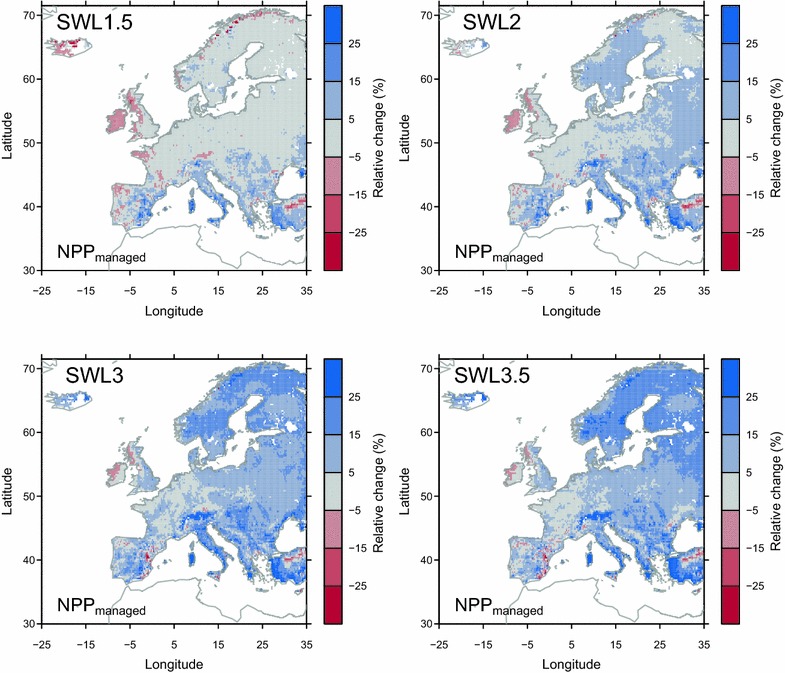
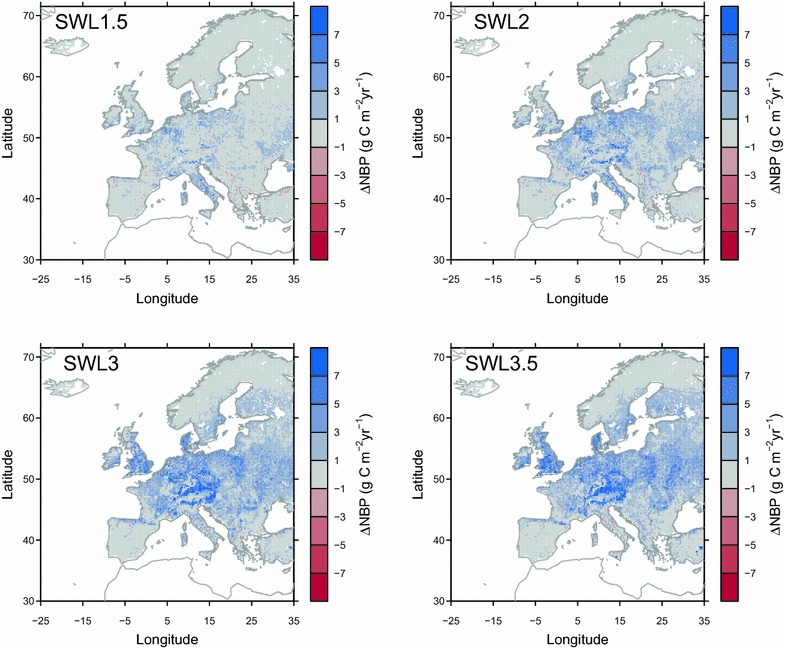
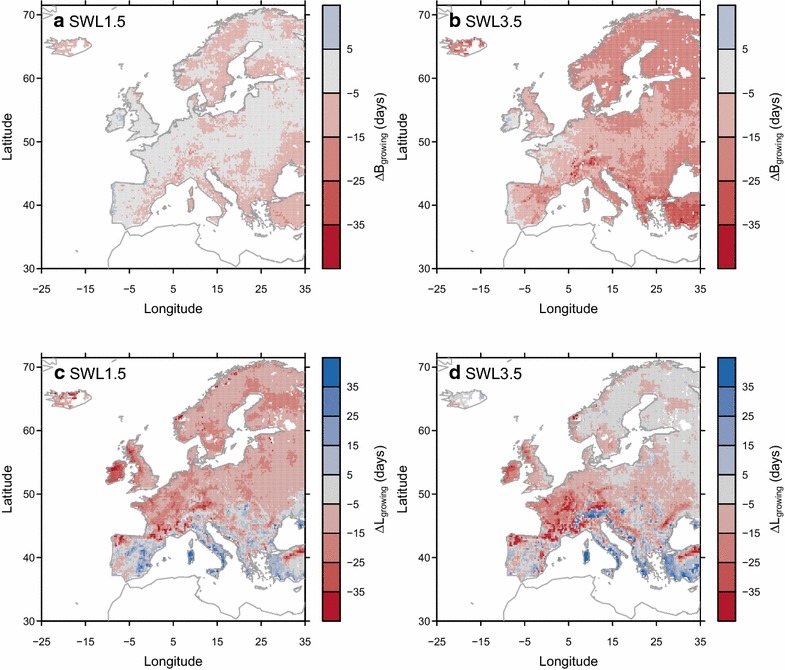
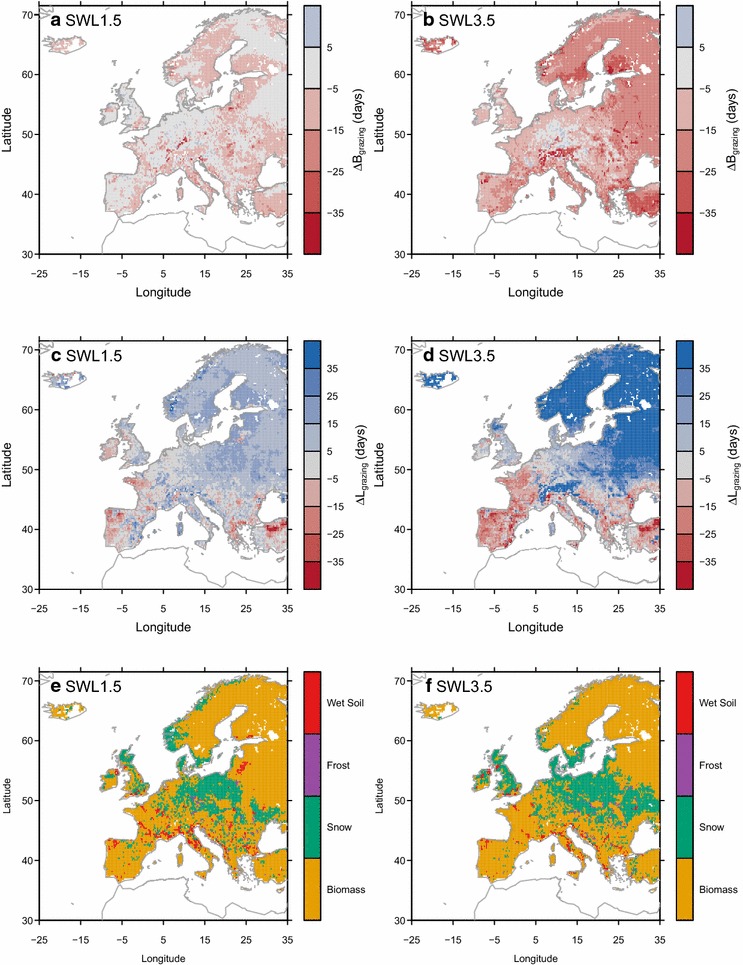
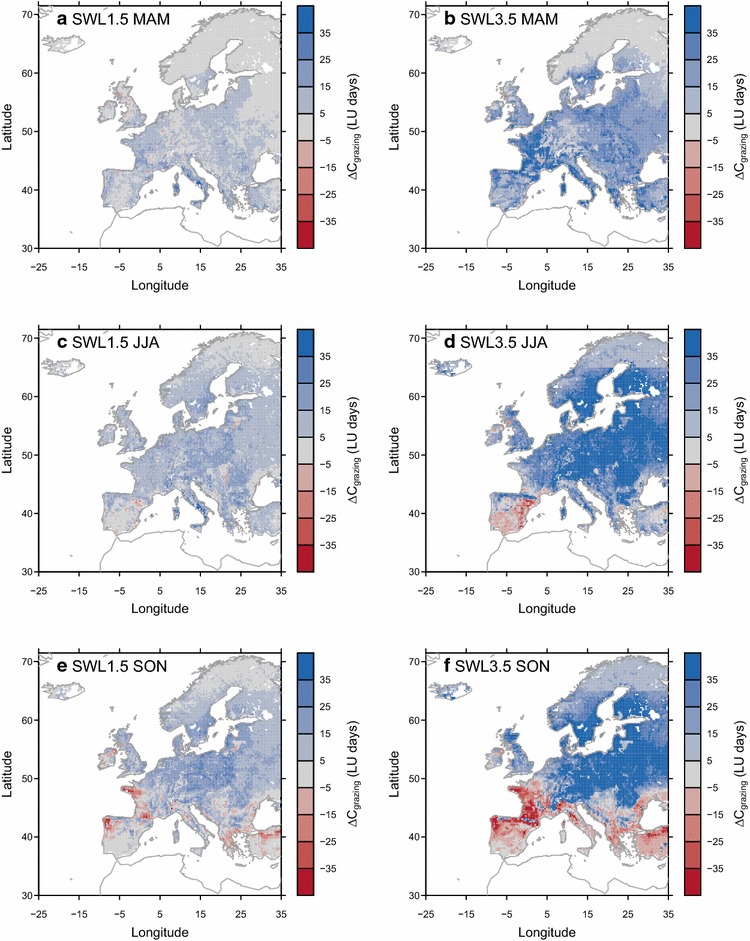
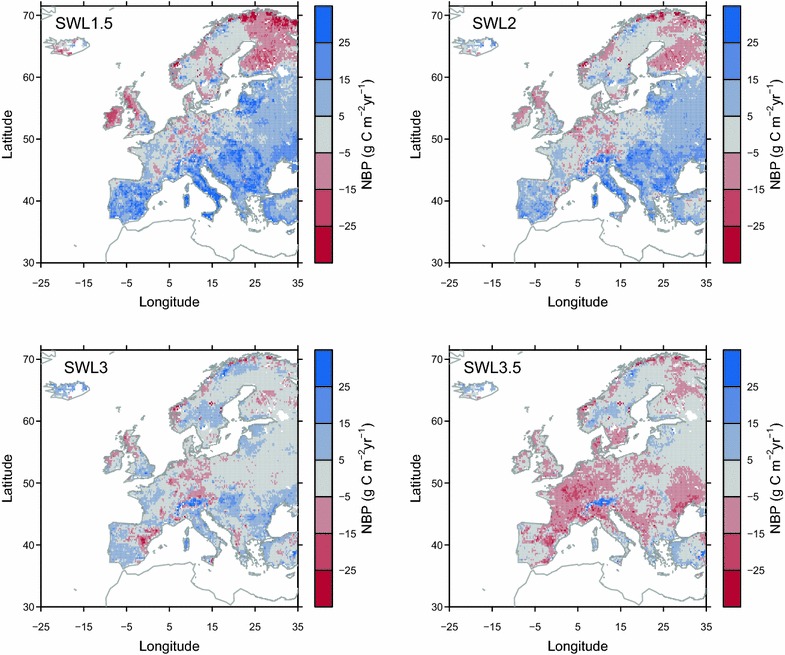
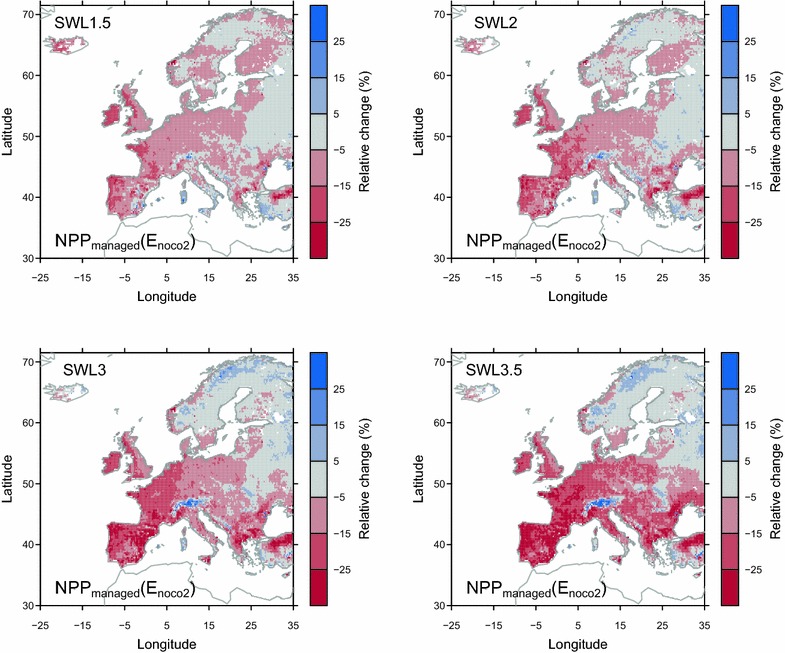
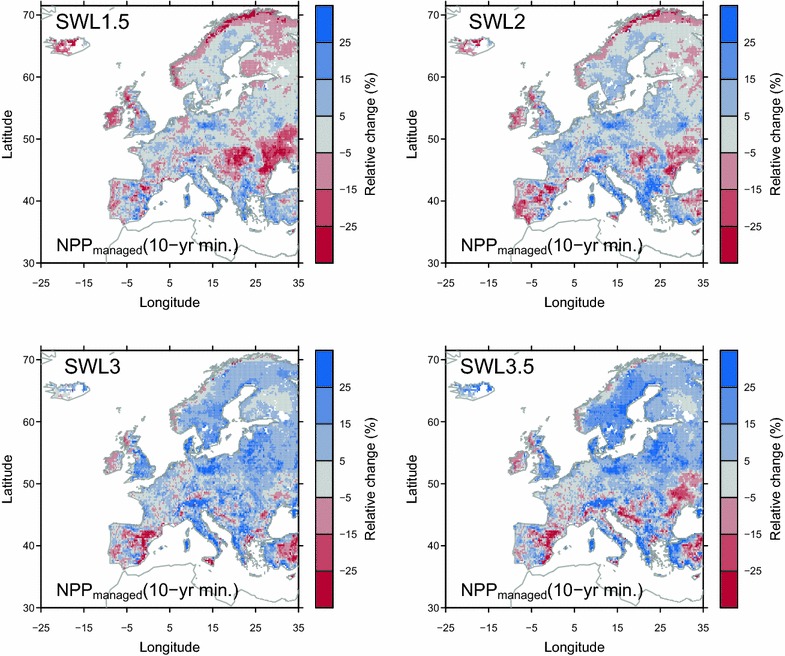
Increases in grassland productivity are simulated in response to future global change, which are mainly attributed to the simulated fertilization effect of rising CO. The results show significant phenology shifts, in particular an earlier winter-spring onset of grass growth over Europe. A longer growing season is projected over southern and southeastern Europe. In other regions, summer drought causes an earlier end to the growing season, overall reducing growing season length. Future global change allows an increase of management intensity with higher than current potential annual grass forage yield, grazing capacity and livestock density, and a shift in seasonal grazing capacity. We found a continual grassland soil carbon sink in Mediterranean, Alpine, North eastern, South eastern and Eastern regions under specific warming level (SWL) of 1.5 and 2 °C relative to pre-industrial climate. However, this carbon sink is found to saturate, and gradually turn to a carbon source at warming level reaching 3.5 °C.
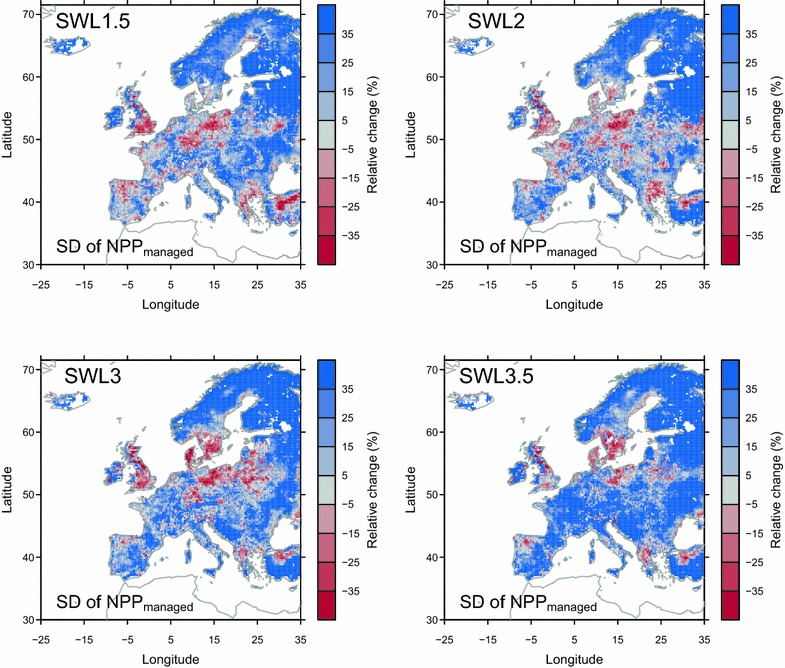
This study provides a European-wide assessment of the future changes in productivity and phenology of grassland, and their consequences for the management intensity and the carbon balance. The simulated productivity increase in response to future global change enables an intensification of grassland management over Europe. However, the simulated increase in the interannual variability of grassland productivity over some regions may reduce the farmers' ability to take advantage of the increased long-term mean productivity in the face of more frequent, and more severe drops of productivity in the future.
自工业化前时代以来,欧洲变暖幅度超过全球平均水平(陆地和海洋),预计在21世纪欧洲变暖速度也将继续快于全球平均水平。根据各种气候情景下的气候模型集合预测,预计2071 - 2100年欧洲的年平均温度将比1971 - 2000年高1 - 5.5摄氏度。气候变化和二氧化碳浓度升高预计将影响欧洲的草地管理和畜牧业生产。然而,在量化欧洲范围内草地对未来气候变化的响应方面,相关工作做得很少。在此,我们将基于网格的管理草地模型ORCHIDEE - GM v2.2应用于欧洲草地,以估计未来全球变化的影响。
模拟结果显示,未来全球变化将导致草地生产力增加,这主要归因于模拟的二氧化碳浓度上升带来的施肥效应。结果表明物候发生了显著变化,特别是欧洲各地草地生长的冬春季开始时间提前。预计欧洲南部和东南部的生长季节将延长。在其他地区,夏季干旱导致生长季节提前结束,总体上缩短了生长季节长度。未来全球变化使得管理强度得以提高,潜在年牧草产量、放牧能力和牲畜密度均高于当前水平,且季节性放牧能力发生转变。我们发现,相对于工业化前气候,在1.5摄氏度和2摄氏度的特定变暖水平(SWL)下,地中海、阿尔卑斯、东北、东南和东部地区的草地土壤持续存在碳汇。然而,当变暖水平达到3.5摄氏度时,这个碳汇会饱和,并逐渐转变为碳源。
本研究对欧洲范围内草地生产力和物候的未来变化及其对管理强度和碳平衡的影响进行了评估。模拟结果显示,未来全球变化导致的生产力增加将促使欧洲加强草地管理。然而,一些地区草地生产力年际变率的模拟增加,可能会降低农民在未来面对更频繁、更严重的生产力下降时,利用长期平均生产力增加的能力。