Reed Kent M, Mendoza Kristelle M, Abrahante Juan E, Barnes Natalie E, Velleman Sandra G, Strasburg Gale M
Department of Veterinary and Biomedical Sciences, University of Minnesota, St. Paul, MN, USA.
University of Minnesota Informatics Institute, University of Minnesota, Minneapolis, MN, USA.
BMC Genomics. 2017 May 6;18(1):352. doi: 10.1186/s12864-017-3740-4.
Climate change poses a multi-dimensional threat to food and agricultural systems as a result of increased risk to animal growth, development, health, and food product quality. This study was designed to characterize transcriptional changes induced in turkey muscle satellite cells cultured under cold or hot thermal challenge to better define molecular mechanisms by which thermal stress alters breast muscle ultrastructure.
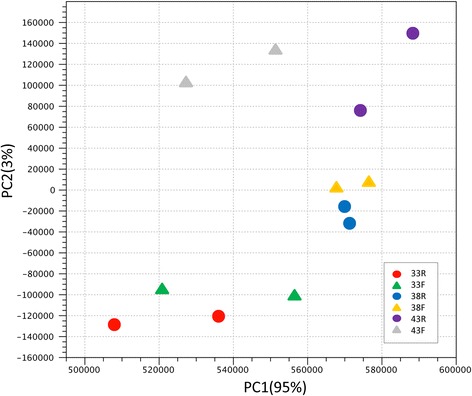
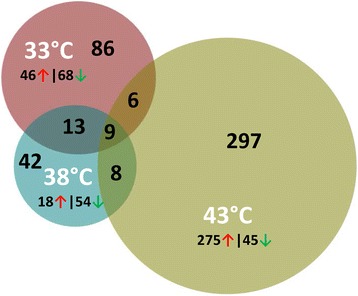
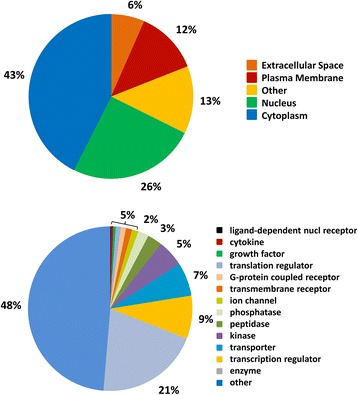
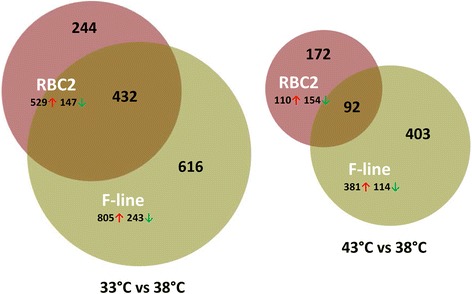
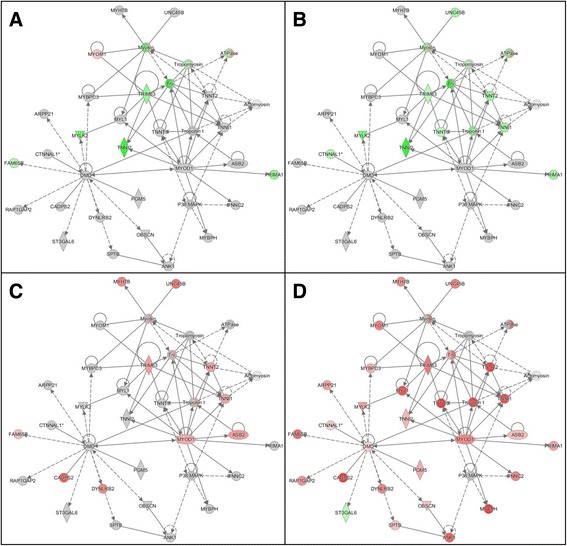
Satellite cells isolated from the pectoralis major muscle of 7-weeks-old male turkeys from two breeding lines (16 weeks body weight-selected and it's randombred control) were proliferated in culture at 33 °C, 38 °C or 43 °C for 72 h. Total RNA was isolated and 12 libraries subjected to RNAseq analysis. Statistically significant differences in gene expression were observed among treatments and between turkey lines with a greater number of genes altered by cold treatment than by hot and fewer differences observed between lines than between temperatures. Pathway analysis found that cold treatment resulted in an overrepresentation of genes involved in cell signaling/signal transduction and cell communication/cell signaling as compared to control (38 °C). Heat-treated muscle satellite cells showed greater tendency towards expression of genes related to muscle system development and differentiation.
This study demonstrates significant transcriptome effects on turkey skeletal muscle satellite cells exposed to thermal challenge. Additional effects on gene expression could be attributed to genetic selection for 16 weeks body weight (muscle mass). New targets are identified for further research on the differential control of satellite cell proliferation in poultry.
气候变化对动物生长、发育、健康和食品质量构成更大风险,从而对粮食和农业系统构成多方面威胁。本研究旨在表征在冷或热应激挑战下培养的火鸡肌肉卫星细胞中诱导的转录变化,以更好地确定热应激改变胸肌超微结构的分子机制。
从两个品系(16周体重选择品系及其随机交配对照)的7周龄雄性火鸡胸大肌中分离卫星细胞,在33℃、38℃或43℃下培养72小时使其增殖。提取总RNA,对12个文库进行RNA测序分析。在各处理组之间以及火鸡品系之间观察到基因表达存在统计学显著差异,冷处理改变的基因数量多于热处理,品系间的差异少于温度间的差异。通路分析发现,与对照组(38℃)相比,冷处理导致参与细胞信号传导/信号转导以及细胞通讯/细胞信号的基因过度表达。热处理的肌肉卫星细胞显示出与肌肉系统发育和分化相关基因表达的更大倾向。
本研究证明热应激对火鸡骨骼肌卫星细胞有显著的转录组效应。基因表达的其他影响可能归因于对16周体重(肌肉量)的遗传选择。确定了新的靶点,用于进一步研究家禽卫星细胞增殖的差异控制。