Brozoski Thomas, Brozoski Daniel, Wisner Kurt, Bauer Carol
Division of Otolaryngology, Southern Illinois University School of Medicine, Springfield, IL 62794, United States.
Division of Otolaryngology, Southern Illinois University School of Medicine, Springfield, IL 62794, United States.
Hear Res. 2017 Jul;350:139-151. doi: 10.1016/j.heares.2017.04.016. Epub 2017 May 2.
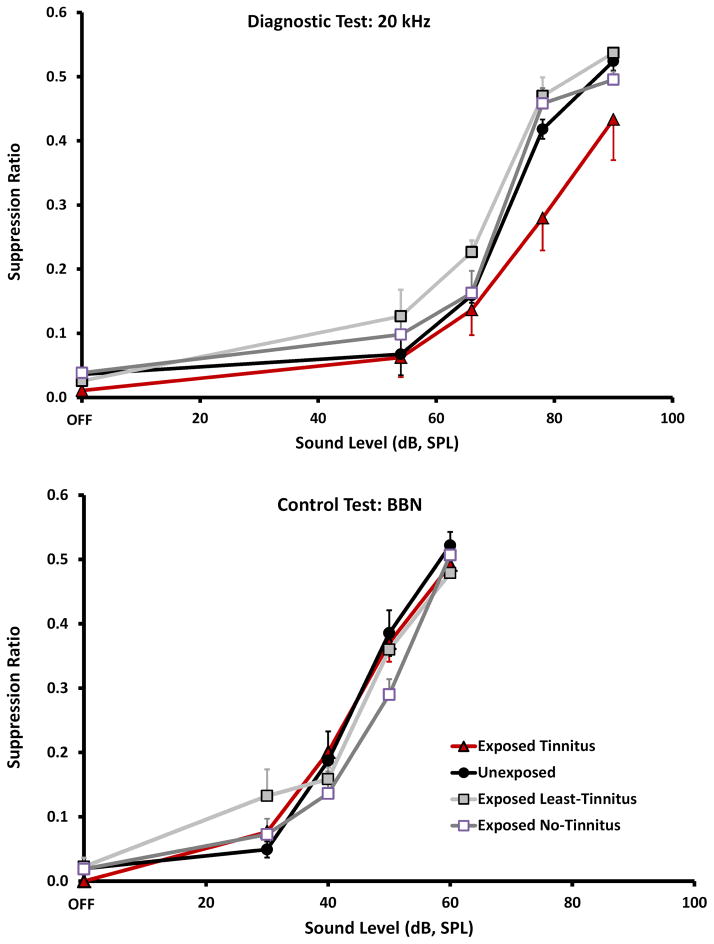
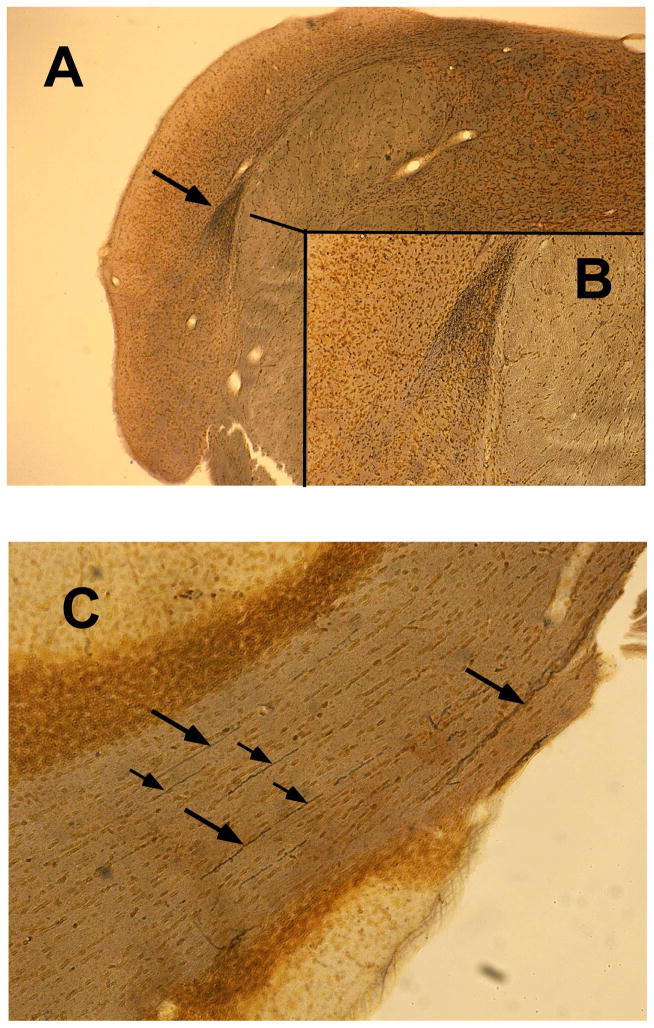
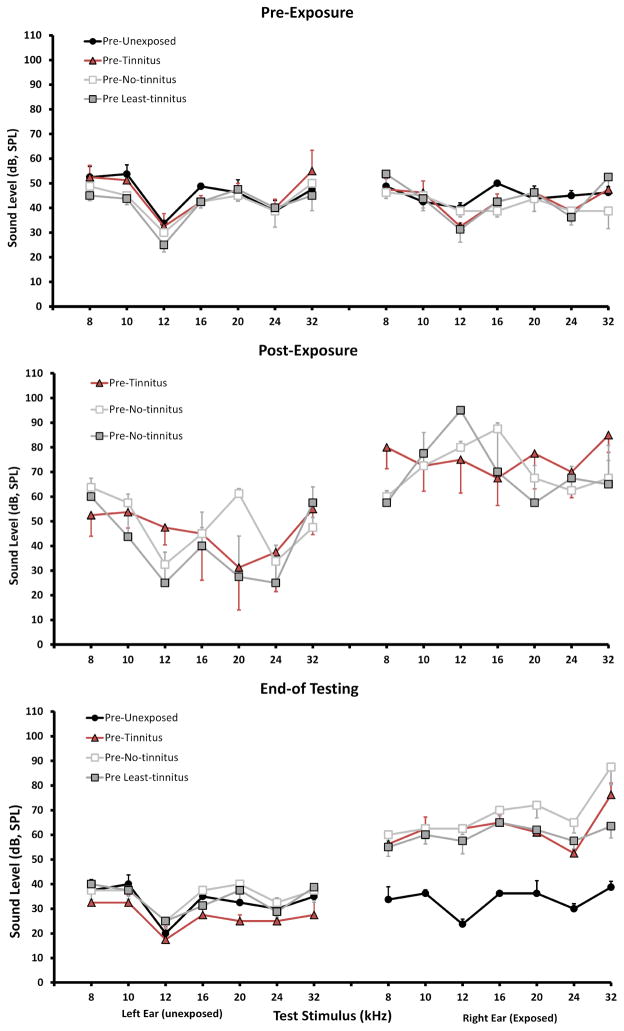
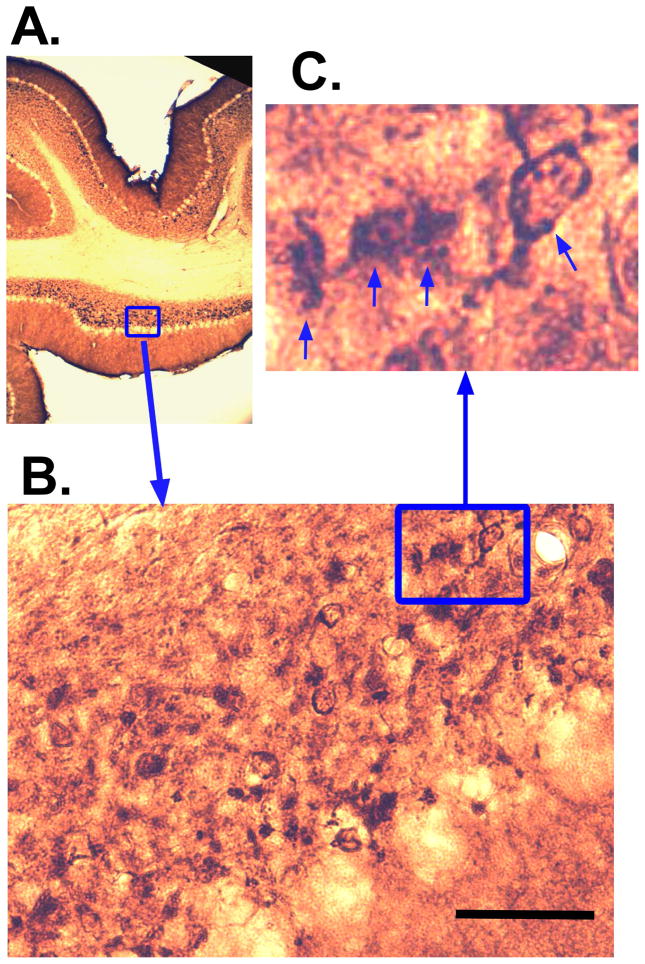
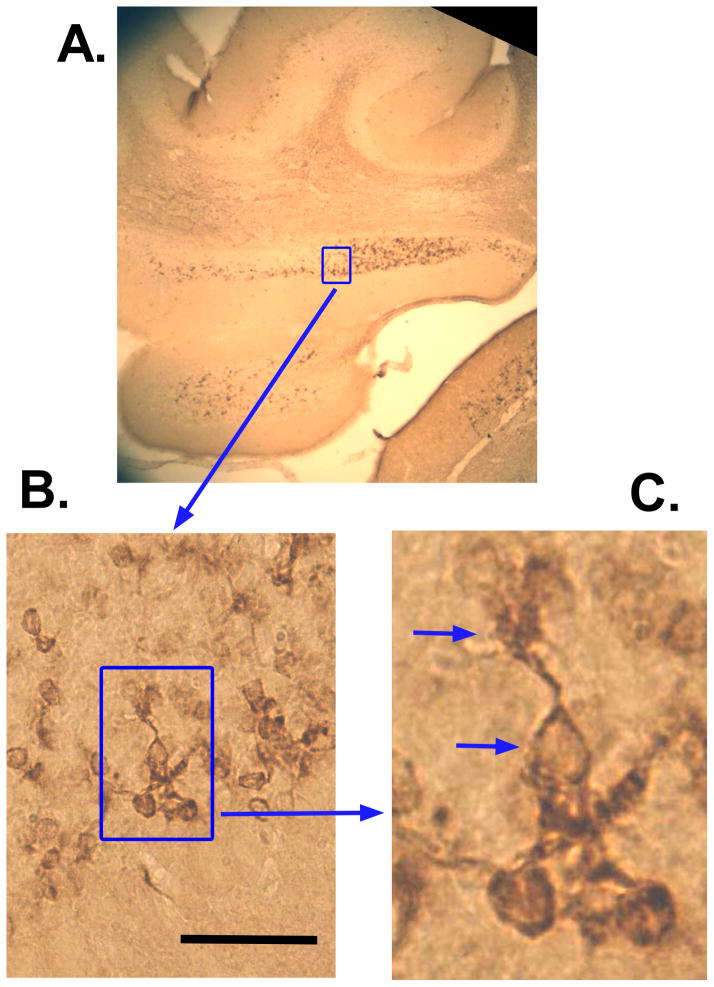
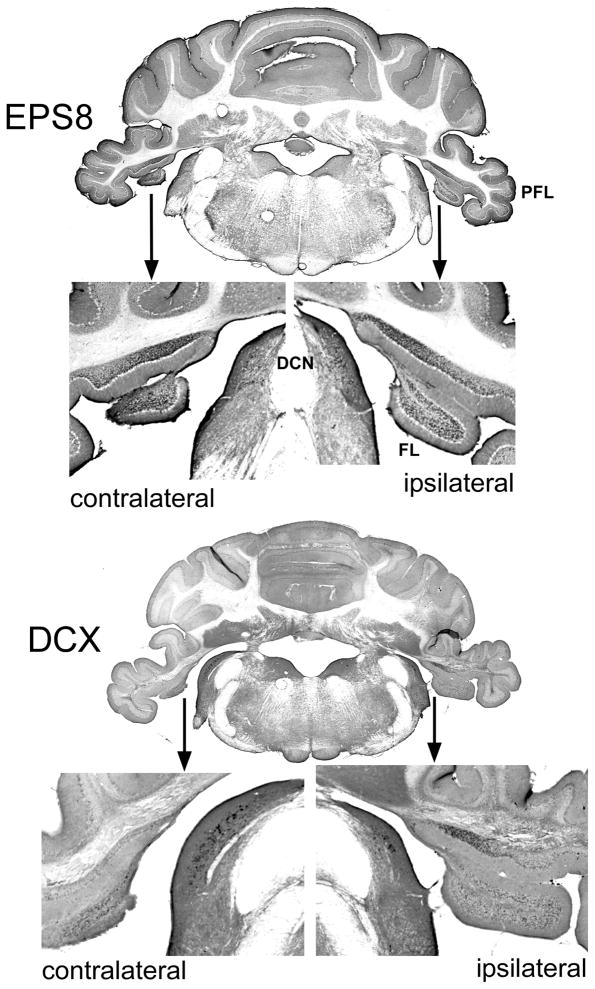
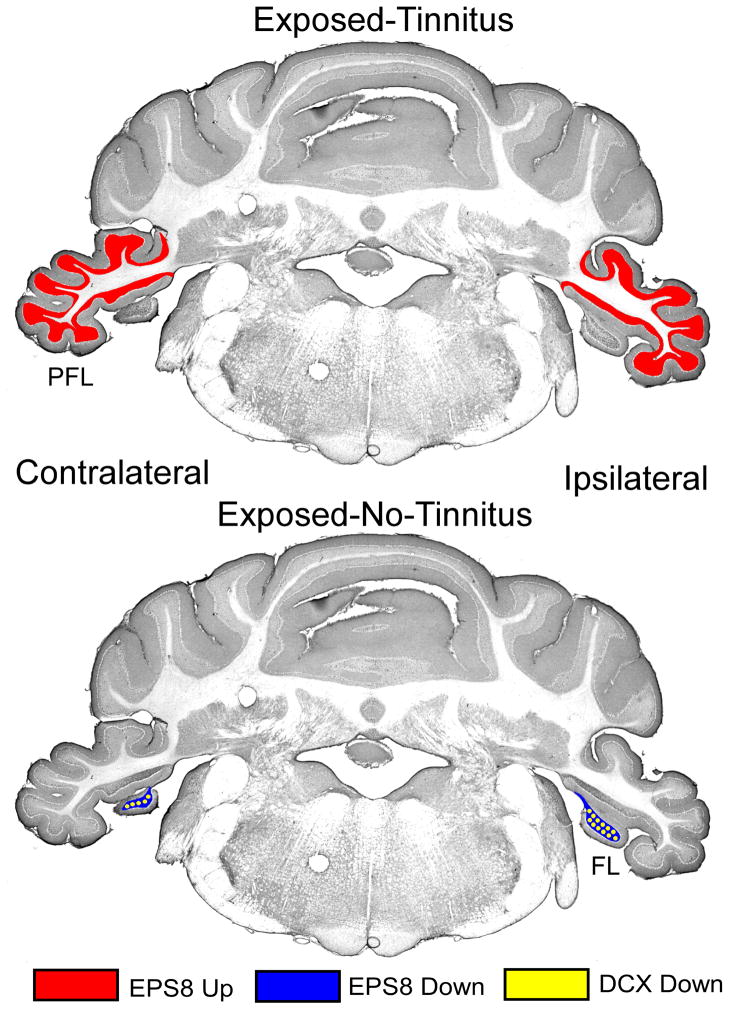
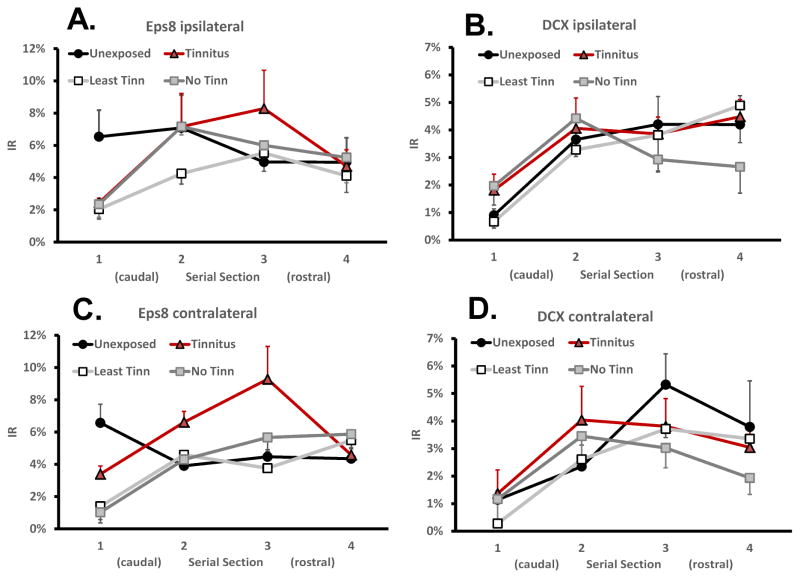
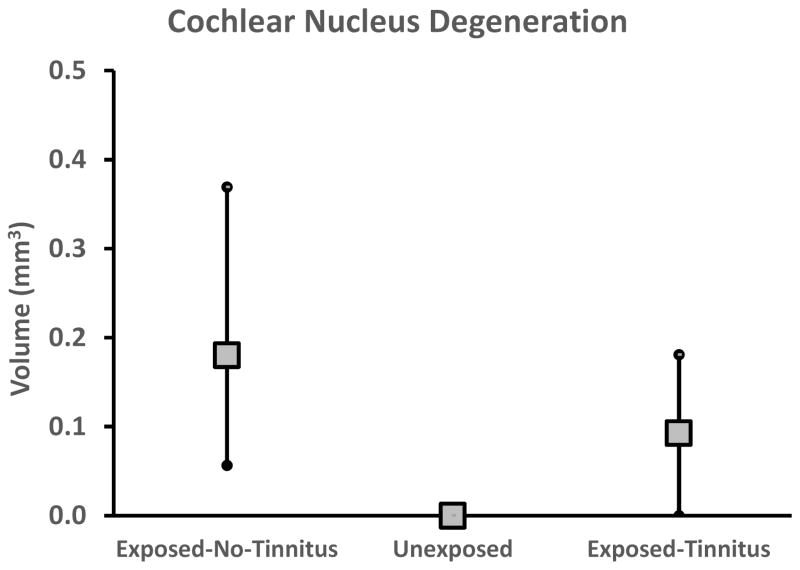
Animal model research has shown that the central features of tinnitus, the perception of sound without an acoustic correlate, include elevated spontaneous and stimulus-driven activity, enhanced burst-mode firing, decreased variance of inter-spike intervals, and distortion of tonotopic frequency representation. Less well documented are cell-specific correlates of tinnitus. Unipolar brush cell (UBC) alterations in animals with psychophysical evidence of tinnitus has recently been reported. UBCs are glutamatergic interneurons that appear to function as local-circuit signal amplifiers. UBCs are abundant in the dorsal cochlear nucleus (DCN) and very abundant in the flocculus (FL) and paraflocculus (PFL) of the cerebellum. In the present research, two indicators of UBC structure and function were examined: Doublecortin (DCX) and epidermal growth factor receptor substrate 8 (Eps8). DCX is a protein that binds to microtubules where it can modify their assembly and growth. Eps8 is a cell-surface tyrosine kinase receptor mediating the response to epidermal growth factor; it appears to have a role in actin polymerization as well as cytoskeletal protein interactions. Both functions could contribute to synaptic remodeling. In the present research UBC Eps8 and DCX immunoreactivity (IR) were determined in 4 groups of rats distinguished by their exposure to high-level sound and psychophysical performance: Unexposed, exposed to high-level sound with behavioral evidence of tinnitus, and two exposed groups without behavioral evidence of tinnitus. Compared to unexposed controls, exposed animals with tinnitus had Eps8 IR elevated in their PFL; other structures were not affected, nor was DCX IR affected. This was interpreted as UBC upregulation in animals with tinnitus. Exposure that failed to produce tinnitus did not increase either Eps8 or DCX IR. Rather Eps8 IR was decreased in the FL and DCN of one subgroup (Least-Tinnitus), while DCX IR decreased in the FL of the other subgroup (No-Tinnitus). Neuron degeneration was also documented in the cochlear nucleus and PFL of exposed animals, both with and without tinnitus. Degeneration was not found in unexposed animals. Implications for tinnitus neuropathy are discussed in the context of synaptic remodeling and cerebellar sensory modulation.
动物模型研究表明,耳鸣的核心特征,即无声学相关物时的声音感知,包括自发活动和刺激驱动活动增加、爆发模式放电增强、峰间间隔方差减小以及音调频率表征失真。关于耳鸣的细胞特异性相关性的记录较少。最近有报道称,在有耳鸣心理物理学证据的动物中,单极刷状细胞(UBC)发生了改变。UBC是谷氨酸能中间神经元,似乎起着局部回路信号放大器的作用。UBC在蜗背侧核(DCN)中丰富,在小脑的绒球(FL)和旁绒球(PFL)中非常丰富。在本研究中,检测了UBC结构和功能的两个指标:双皮质素(DCX)和表皮生长因子受体底物8(Eps8)。DCX是一种与微管结合的蛋白质,它可以改变微管的组装和生长。Eps8是一种细胞表面酪氨酸激酶受体,介导对表皮生长因子的反应;它似乎在肌动蛋白聚合以及细胞骨架蛋白相互作用中起作用。这两种功能都可能有助于突触重塑。在本研究中,通过对4组大鼠进行区分,测定了UBC的Eps8和DCX免疫反应性(IR),这4组大鼠的区别在于是否暴露于高强度声音以及心理物理学表现:未暴露组、暴露于高强度声音且有耳鸣行为证据的组,以及两组无耳鸣行为证据的暴露组。与未暴露的对照组相比,有耳鸣的暴露动物其PFL中的Eps8 IR升高;其他结构未受影响,DCX IR也未受影响。这被解释为耳鸣动物中UBC上调。未能产生耳鸣的暴露并未增加Eps8或DCX IR。相反,在一个亚组(最少耳鸣组)的FL和DCN中,Eps8 IR降低,而在另一个亚组(无耳鸣组)的FL中,DCX IR降低。在有和没有耳鸣的暴露动物的蜗核和PFL中也记录到了神经元变性。在未暴露的动物中未发现变性。在突触重塑和小脑感觉调制的背景下讨论了对耳鸣神经病变的影响。