Mowry Annelise V, Donoviel Zachary S, Kavazis Andreas N, Hood Wendy R
Department of Biological Sciences Auburn University Auburn AL USA.
School of Kinesiology Auburn University Auburn ALUSA.
Ecol Evol. 2017 Mar 23;7(9):2994-3005. doi: 10.1002/ece3.2817. eCollection 2017 May.
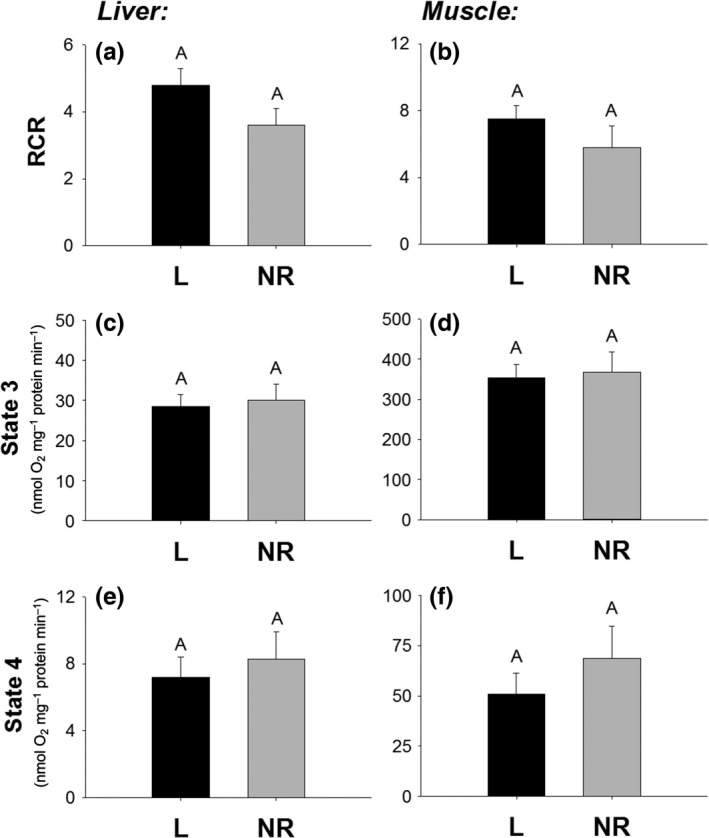
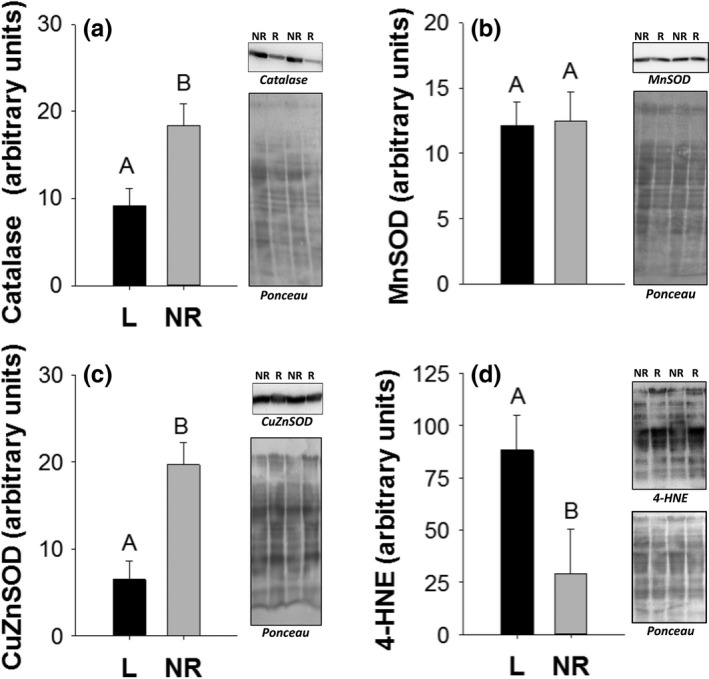
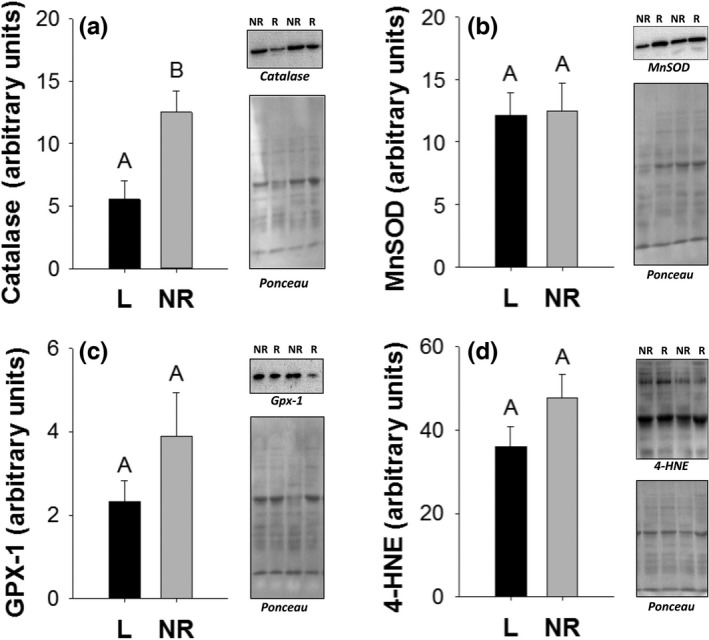
Energy allocation theory predicts that a lactating female should alter the energetic demands of its organ systems in a manner that maximizes nutrient allocation to reproduction while reducing nutrient use for tasks that are not vital to immediate survival. We posit that organ-specific plasticity in the function of mitochondria plays a key role in mediating these energetic trade-offs. The goal of this project was to evaluate mitochondrial changes that occur in response to lactation in two of the most energetically demanding organs in the body of a rodent, the liver and skeletal muscle. This work was conducted in wild-derived house mice () kept in seminatural enclosures that allow the mice to maintain a natural social structure and move within a home range size typical of wild mice. Tissues were collected from females at peak lactation and from age-matched nonreproductive females. Mitochondrial respiration, oxidative damage, antioxidant, PGC-1α, and uncoupling protein levels were compared between lactating and nonreproductive females. Our findings suggest that both liver and skeletal muscle downregulate specific antioxidant proteins during lactation. The liver, but not skeletal muscle, of lactating females displayed higher oxidative damage than nonreproductive females. The liver mass of lactating females increased, but the liver displayed no change in mitochondrial respiratory control ratio. Skeletal muscle mass and mitochondrial respiratory control ratio were not different between groups. However, the respiratory function of skeletal muscle did vary among lactating females as a function of stage of concurrent pregnancy, litter size, and mass of the mammary glands. The observed changes are predicted to increase the efficiency of skeletal muscle mitochondria, reducing the substrate demands of skeletal muscle during lactation. Differences between our results and prior studies highlight the role that an animals' social and physical environment could play in how it adapts to the energetic demands of reproduction.
能量分配理论预测,处于哺乳期的雌性动物应改变其器官系统的能量需求,以最大限度地将营养物质分配给繁殖过程,同时减少对即时生存并非至关重要的任务的营养物质消耗。我们认为,线粒体功能的器官特异性可塑性在介导这些能量权衡中起关键作用。本项目的目标是评估在啮齿动物体内能量需求最大的两个器官——肝脏和骨骼肌中,因哺乳而发生的线粒体变化。这项工作是在野生来源的家鼠()身上进行的,这些家鼠饲养在半自然环境中,使它们能够维持自然的社会结构,并在典型的野生小鼠活动范围内活动。在哺乳期高峰期的雌性动物和年龄匹配的非繁殖期雌性动物身上采集组织。比较了哺乳期和非繁殖期雌性动物的线粒体呼吸、氧化损伤、抗氧化剂、PGC-1α和解偶联蛋白水平。我们的研究结果表明,哺乳期肝脏和骨骼肌都会下调特定的抗氧化蛋白。哺乳期雌性动物的肝脏而非骨骼肌,比非繁殖期雌性动物表现出更高的氧化损伤。哺乳期雌性动物的肝脏质量增加,但肝脏的线粒体呼吸控制率没有变化。两组之间骨骼肌质量和线粒体呼吸控制率没有差异。然而,骨骼肌的呼吸功能在哺乳期雌性动物中确实因同期妊娠阶段、窝仔大小和乳腺质量而有所不同。预计观察到的变化会提高骨骼肌线粒体的效率,降低哺乳期骨骼肌对底物的需求。我们的结果与先前研究之间的差异凸显了动物的社会和物理环境在其如何适应繁殖能量需求方面可能发挥的作用。