Tang Alan T, Choi Jaesung P, Kotzin Jonathan J, Yang Yiqing, Hong Courtney C, Hobson Nicholas, Girard Romuald, Zeineddine Hussein A, Lightle Rhonda, Moore Thomas, Cao Ying, Shenkar Robert, Chen Mei, Mericko Patricia, Yang Jisheng, Li Li, Tanes Ceylan, Kobuley Dmytro, Võsa Urmo, Whitehead Kevin J, Li Dean Y, Franke Lude, Hart Blaine, Schwaninger Markus, Henao-Mejia Jorge, Morrison Leslie, Kim Helen, Awad Issam A, Zheng Xiangjian, Kahn Mark L
Department of Medicine and Cardiovascular Institute, University of Pennsylvania, 3400 Civic Center Boulevard, Philadelphia, Pennsylvania 19104, USA.
Laboratory of Cardiovascular Signaling, Centenary Institute, Sydney, New South Wales 2050, Australia.
Nature. 2017 May 18;545(7654):305-310. doi: 10.1038/nature22075. Epub 2017 May 10.
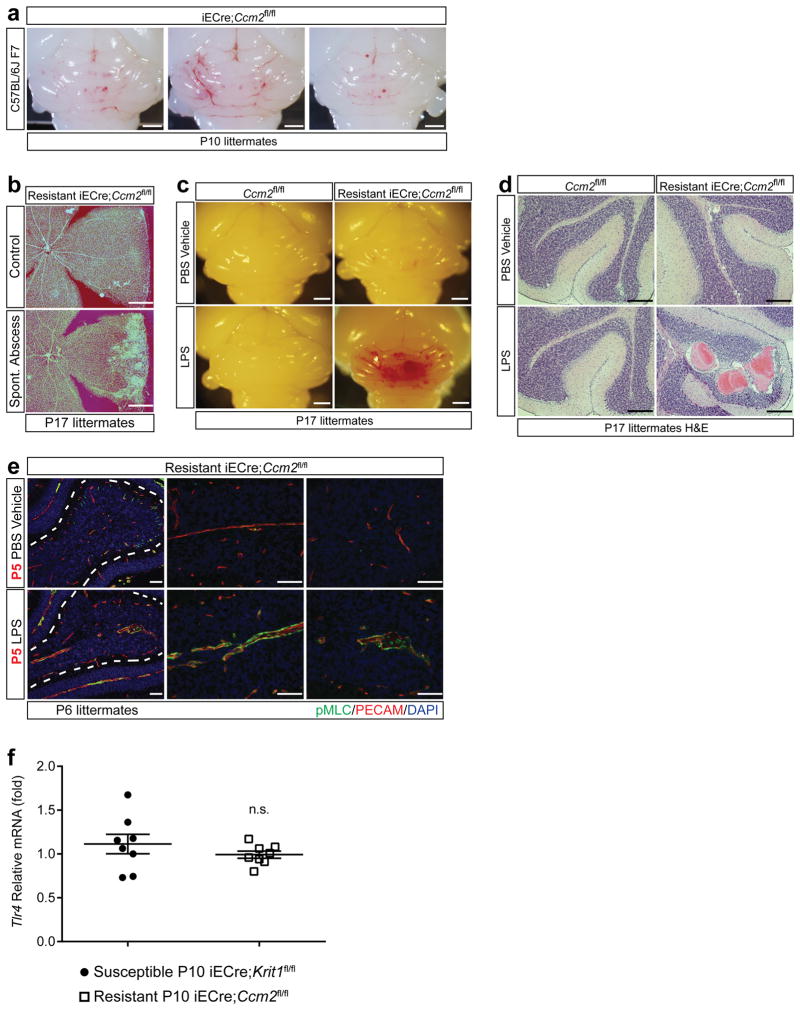
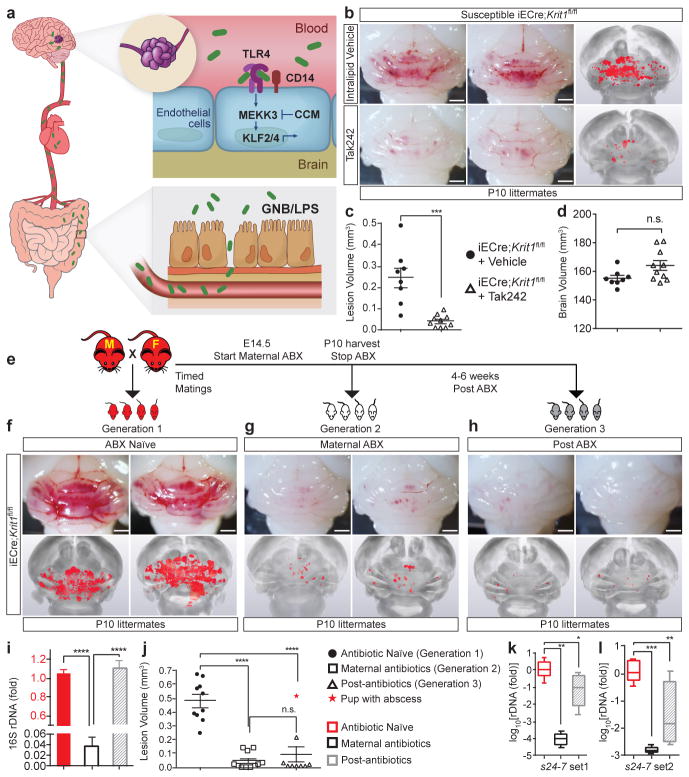
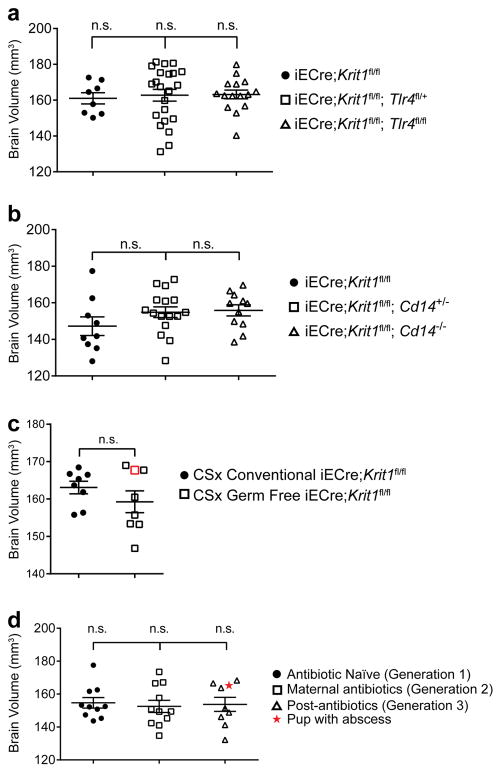
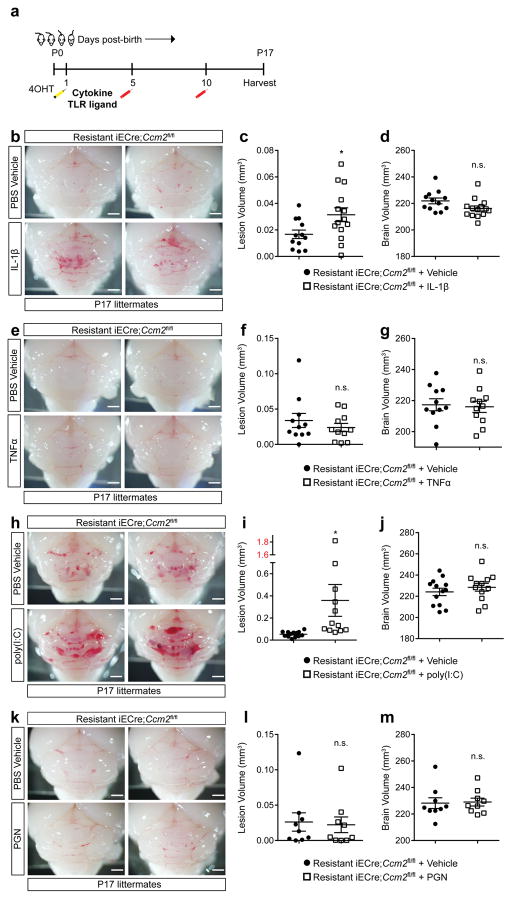
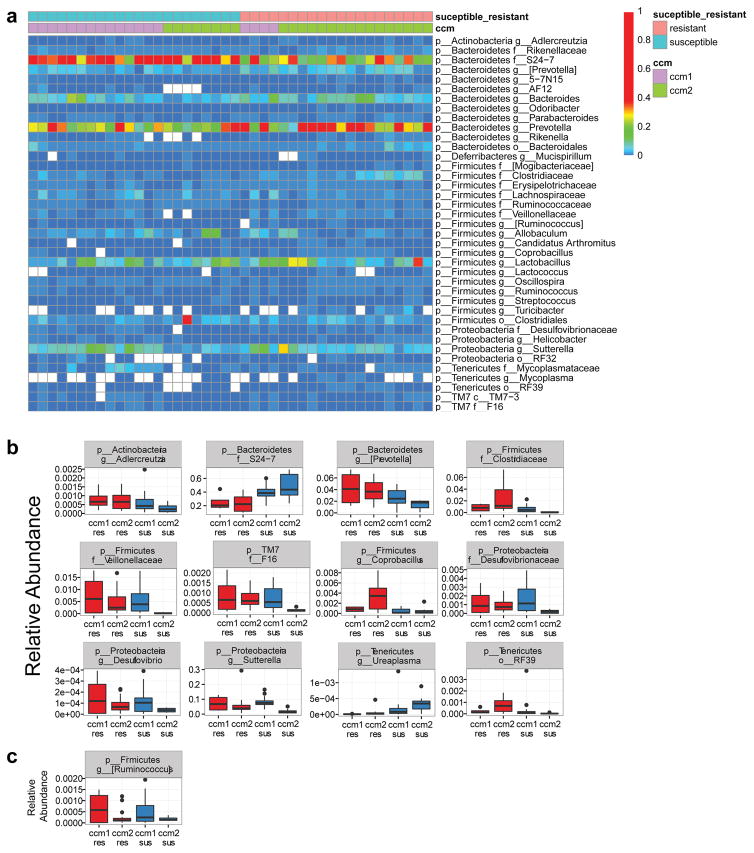
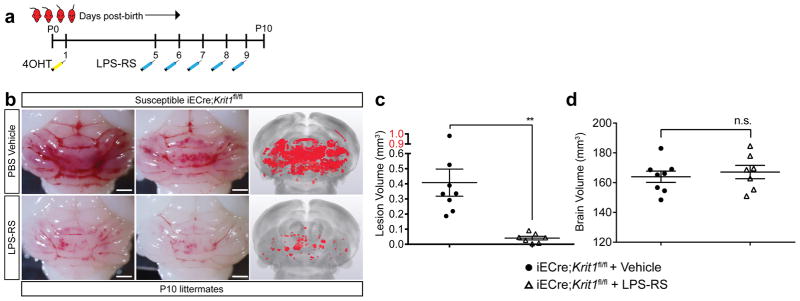
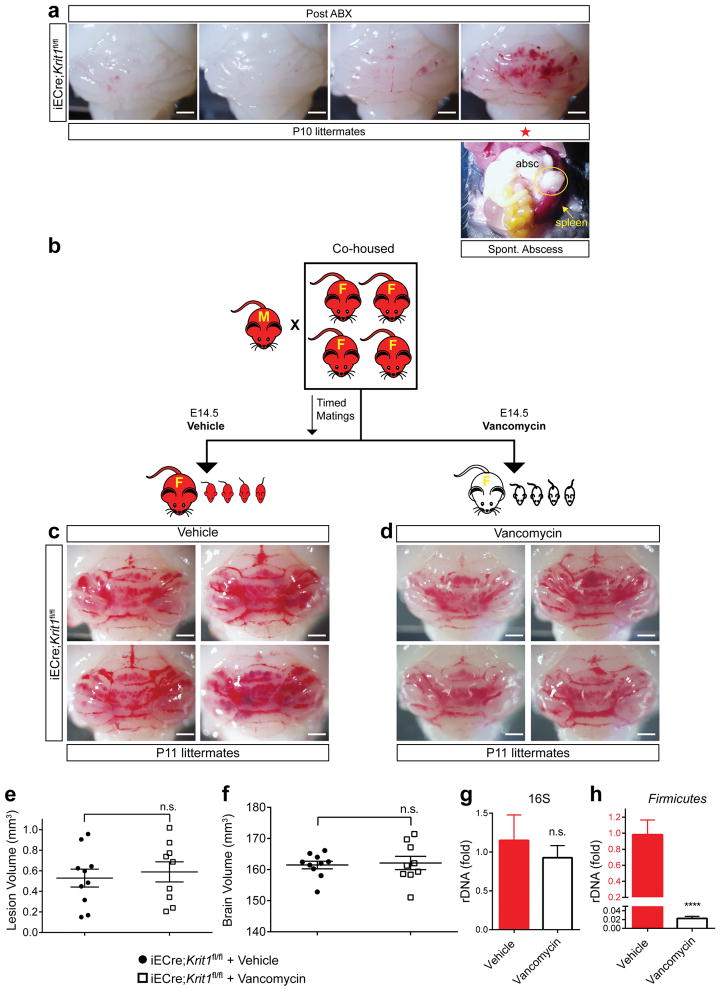
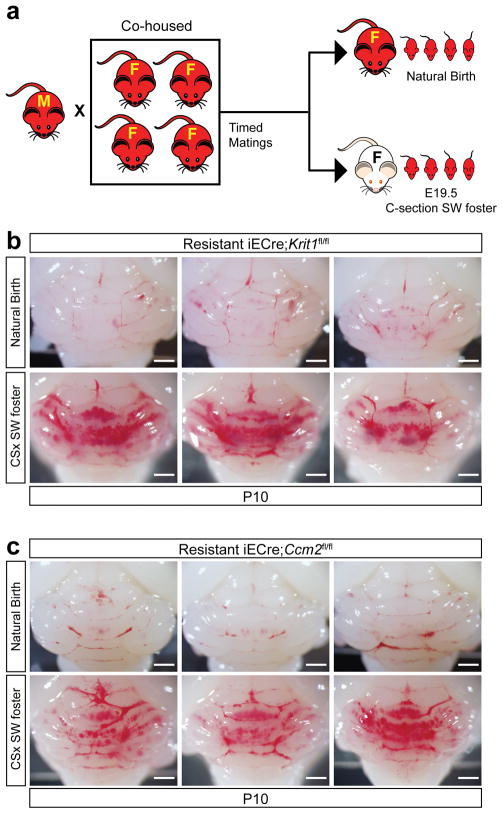
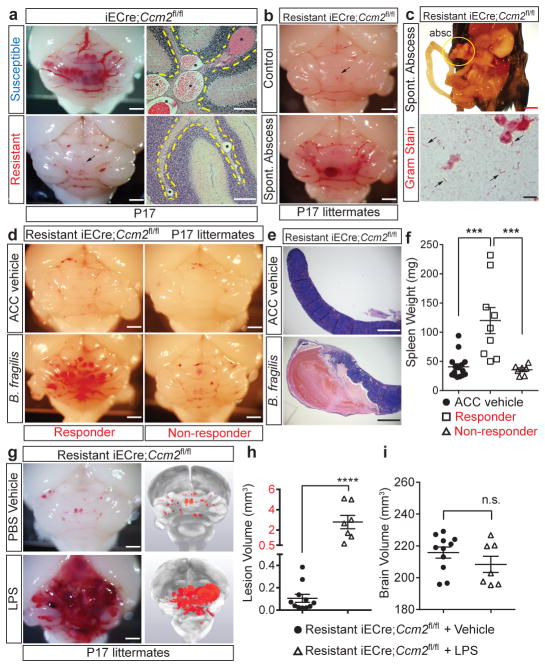
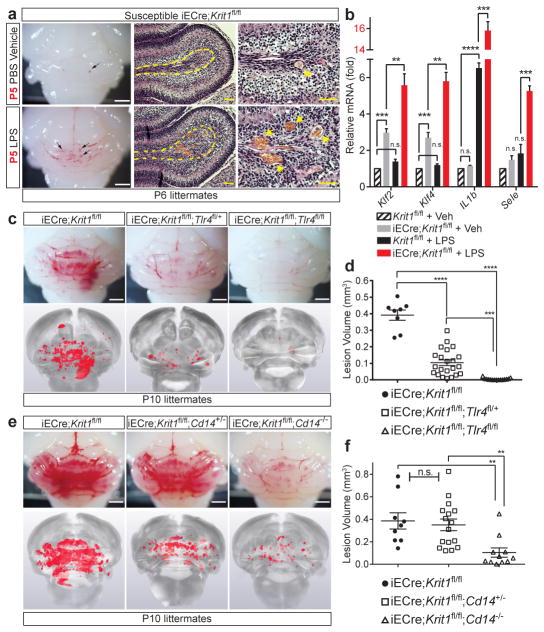
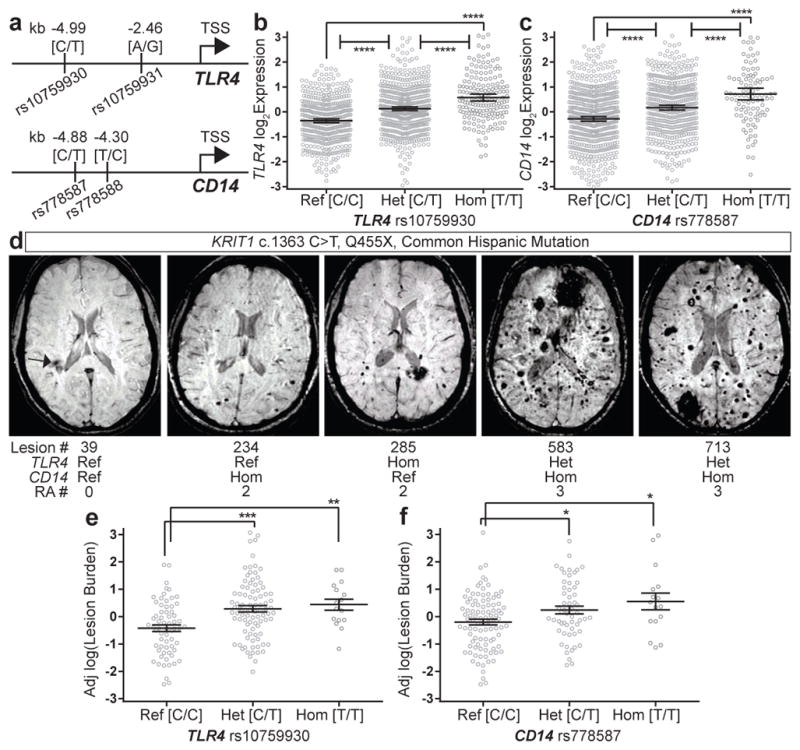
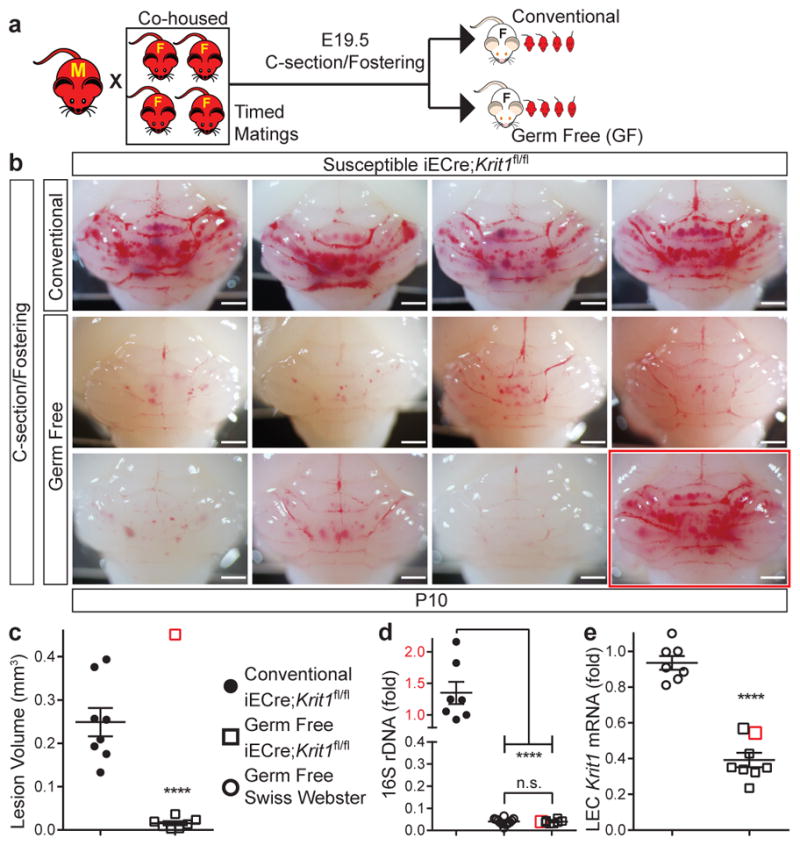
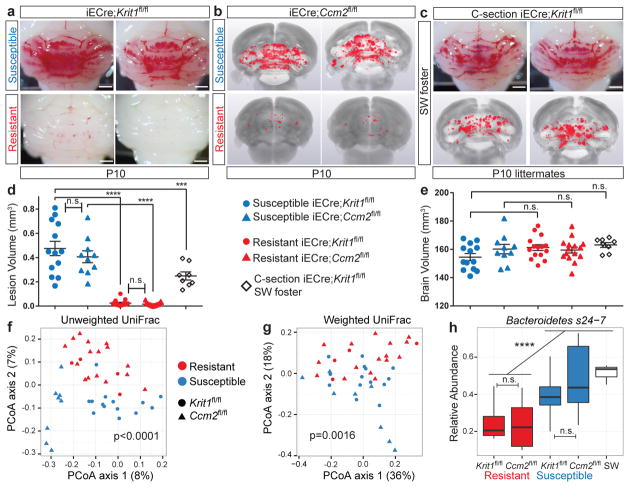
Cerebral cavernous malformations (CCMs) are a cause of stroke and seizure for which no effective medical therapies yet exist. CCMs arise from the loss of an adaptor complex that negatively regulates MEKK3-KLF2/4 signalling in brain endothelial cells, but upstream activators of this disease pathway have yet to be identified. Here we identify endothelial Toll-like receptor 4 (TLR4) and the gut microbiome as critical stimulants of CCM formation. Activation of TLR4 by Gram-negative bacteria or lipopolysaccharide accelerates CCM formation, and genetic or pharmacologic blockade of TLR4 signalling prevents CCM formation in mice. Polymorphisms that increase expression of the TLR4 gene or the gene encoding its co-receptor CD14 are associated with higher CCM lesion burden in humans. Germ-free mice are protected from CCM formation, and a single course of antibiotics permanently alters CCM susceptibility in mice. These studies identify unexpected roles for the microbiome and innate immune signalling in the pathogenesis of a cerebrovascular disease, as well as strategies for its treatment.
脑海绵状血管畸形(CCM)是导致中风和癫痫发作的原因,目前尚无有效的药物治疗方法。CCM是由于衔接蛋白复合物缺失而引起的,该复合物可负向调节脑内皮细胞中的MEKK3-KLF2/4信号通路,但该疾病途径的上游激活因子尚未确定。在这里,我们确定内皮细胞Toll样受体4(TLR4)和肠道微生物群是CCM形成的关键刺激因素。革兰氏阴性菌或脂多糖激活TLR4会加速CCM的形成,而对TLR4信号进行基因或药物阻断可防止小鼠形成CCM。增加TLR4基因或编码其共受体CD14的基因表达的多态性与人类更高的CCM病变负担相关。无菌小鼠可免受CCM形成的影响,而单一疗程的抗生素会永久性改变小鼠对CCM的易感性。这些研究确定了微生物群和先天免疫信号在脑血管疾病发病机制中的意外作用,以及其治疗策略。