Scott Anne, Chambers Duncan, Goyder Elizabeth, O'Cathain Alicia
School of Health and Related Research, University of Sheffield, Sheffield, United Kingdom.
PLoS One. 2017 May 10;12(5):e0177210. doi: 10.1371/journal.pone.0177210. eCollection 2017.
To systematically review the evidence of socioeconomic inequalities for adults with type 1 diabetes in relation to mortality, morbidity and diabetes management.
We carried out a systematic search across six relevant databases and included all studies reporting associations between socioeconomic indicators and mortality, morbidity, or diabetes management for adults with type 1 diabetes. Data extraction and quality assessment was undertaken for all included studies. A narrative synthesis was conducted.
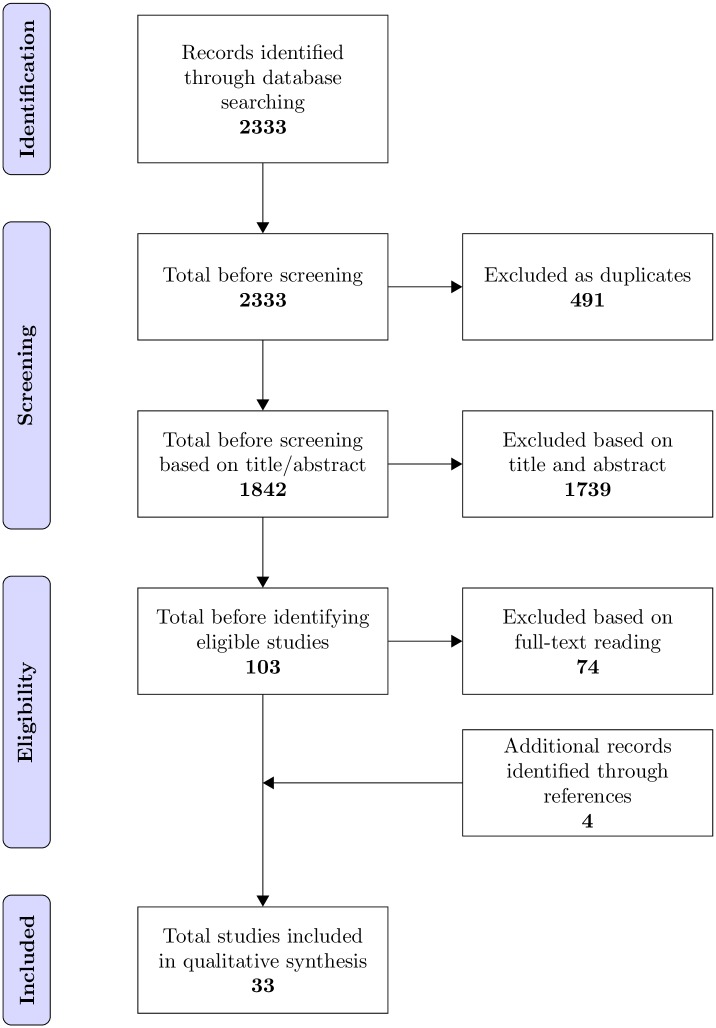
A total of 33 studies were identified. Twelve cohort, 19 cross sectional and 2 case control studies met the inclusion criteria. Regardless of healthcare system, low socioeconomic status was associated with poorer outcomes. Following adjustments for other risk factors, socioeconomic status was a statistically significant independent predictor of mortality in 9/10 studies and morbidity in 8/10 studies for adults with type 1 diabetes. There appeared to be an association between low socioeconomic status and some aspects of diabetes management. Although only 3 of 16 studies made adjustments for confounders and other risk factors, poor diabetes management was associated with lower socioeconomic status in 3/3 of these studies.
Low socioeconomic status is associated with higher levels of mortality and morbidity for adults with type 1 diabetes even amongst those with access to a universal healthcare system. The association between low socioeconomic status and diabetes management requires further research given the paucity of evidence and the potential for diabetes management to mitigate the adverse effects of low socioeconomic status.
系统评价1型糖尿病成人患者在死亡率、发病率和糖尿病管理方面社会经济不平等的证据。
我们对六个相关数据库进行了系统检索,纳入了所有报告社会经济指标与1型糖尿病成人患者死亡率、发病率或糖尿病管理之间关联的研究。对所有纳入研究进行了数据提取和质量评估,并进行了叙述性综合分析。
共识别出33项研究。其中12项队列研究、19项横断面研究和2项病例对照研究符合纳入标准。无论医疗体系如何,社会经济地位较低都与较差的结局相关。在对其他风险因素进行调整后,社会经济地位在1型糖尿病成人患者的10项研究中有9项是死亡率的统计学显著独立预测因素,在10项研究中有8项是发病率的统计学显著独立预测因素。社会经济地位较低与糖尿病管理的某些方面之间似乎存在关联。虽然16项研究中只有3项对混杂因素和其他风险因素进行了调整,但在这些研究中有3项显示糖尿病管理不善与较低的社会经济地位相关。
即使在可获得全民医疗体系的人群中,社会经济地位较低也与1型糖尿病成人患者较高的死亡率和发病率相关。鉴于证据不足以及糖尿病管理有可能减轻社会经济地位较低的不利影响,社会经济地位较低与糖尿病管理之间的关联需要进一步研究。