Mu Xinyi, Zhang Yanyan, Li Jing, Xia Jieyu, Chen Xiongbin, Jing Pengwei, Song Xiaoying, Wang Lu, Wang Yaping
Laboratory of Stem Cells and Tissue Engineering, Chongqing Medical University, 1 Yixueyuan Road, Yuzhong District, Chongqing 400016, China.
Department of Histology and Embryology, Chongqing Medical University, 1 Yixueyuan Road, Yuzhong District, Chongqing 400016, China.
Stem Cells Int. 2017;2017:3508907. doi: 10.1155/2017/3508907. Epub 2017 Apr 11.
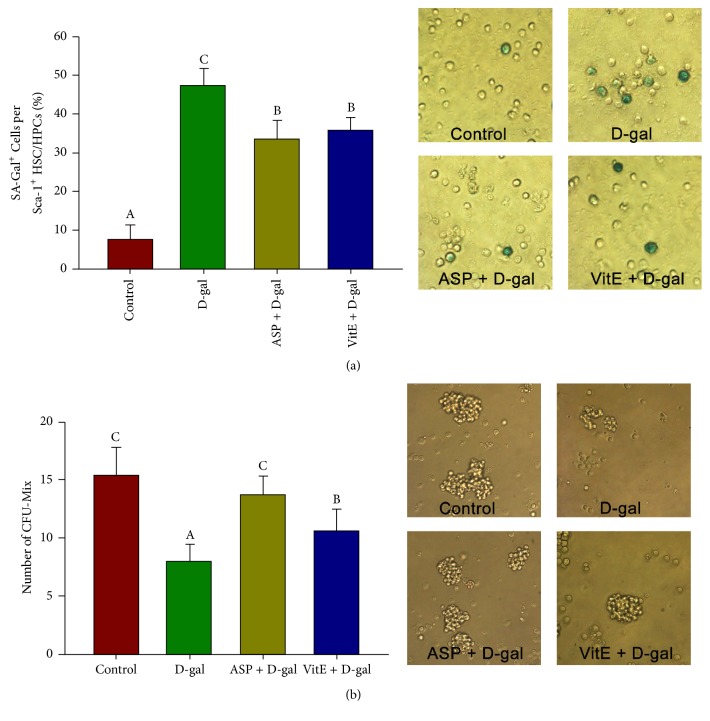
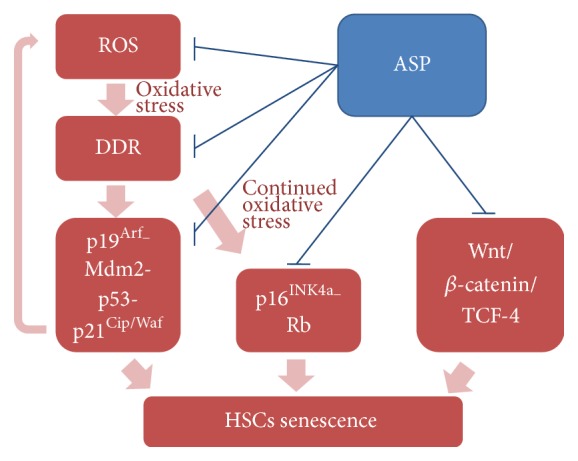
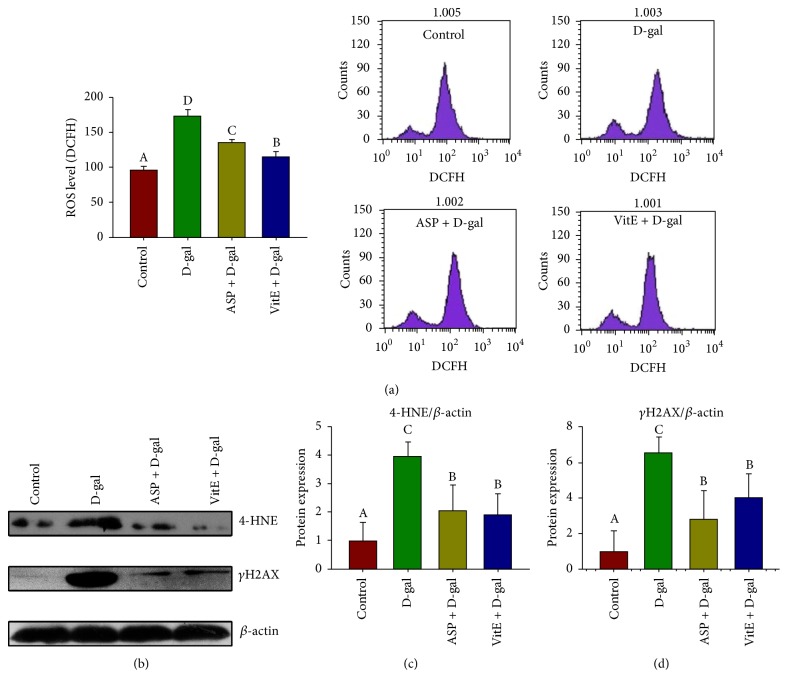
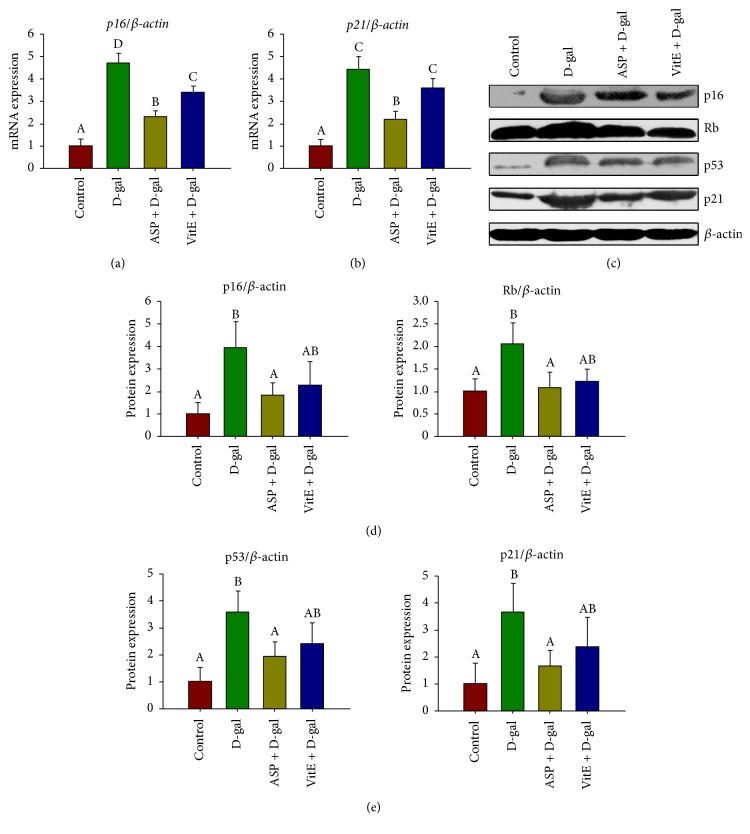
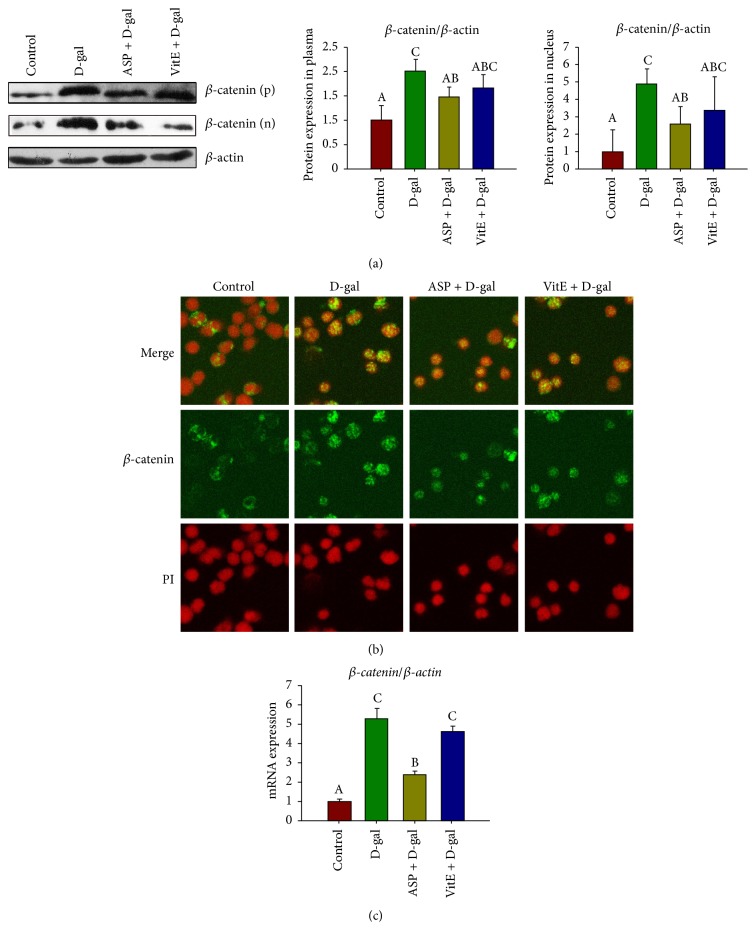
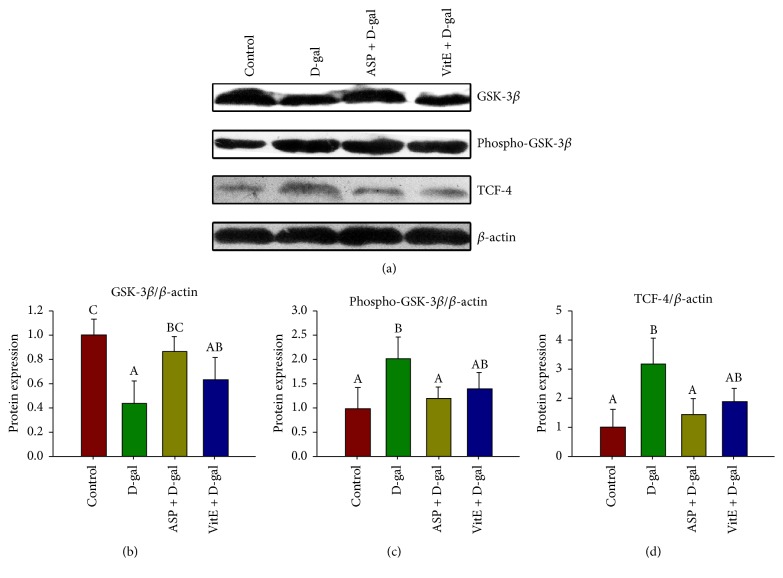
Age-related regression in hematopoietic stem/progenitor cells (HSC/HPCs) limits replenishment of the blood and immune system and hence contributes to hematopoietic diseases and declined immunity. In this study, we employed D-gal-induced aging mouse model and observed the antiaging effects of Angelica Sinensis Polysaccharide (ASP), a major active ingredient in dong quai (Chinese Angelica Sinensis), on the Sca-1 HSC/HPCs in vivo. ASP treatment prevents HSC/HPCs senescence with decreased AGEs levels in the serum, reduced SA--Gal positive cells, and promoted CFU-Mix formation in the D-gal administrated mouse. We further found that multiple mechanisms were involved: (1) ASP treatment prevented oxidative damage as total antioxidant capacity was increased and levels of reactive oxygen species (ROS), 8-OHdG, and 4-HNE were declined, (2) ASP reduced the expression of -H2A.X which is a DNA double strand breaks (DSBs) marker and decreased the subsequent ectopic expressions of effectors in p16-RB and p19-p21 senescent pathways, and (3) ASP inhibited the excessive activation of Wnt/-catenin signaling in aged HSC/HPCs, as the expressions of -catenin, phospho-GSK-3, and TCF-4 were decreased, and the cyto-nuclear translocation of -catenin was inhibited. Moreover, compared with the positive control of Vitamin E, ASP exhibited a better antiaging effect and a weaker antioxidation ability, suggesting a novel protective role of ASP in the hematopoietic system.
造血干/祖细胞(HSC/HPCs)的衰老相关衰退限制了血液和免疫系统的补充,从而导致造血疾病和免疫力下降。在本研究中,我们采用D-半乳糖诱导的衰老小鼠模型,观察了当归(中国当归)的主要活性成分当归多糖(ASP)对体内Sca-1 HSC/HPCs的抗衰老作用。ASP治疗可预防HSC/HPCs衰老,降低血清中晚期糖基化终末产物(AGEs)水平,减少衰老相关β-半乳糖苷酶(SA-β-Gal)阳性细胞,并促进D-半乳糖处理小鼠中混合集落形成单位(CFU-Mix)的形成。我们进一步发现涉及多种机制:(1)ASP治疗可预防氧化损伤,因为总抗氧化能力增加,活性氧(ROS)、8-羟基脱氧鸟苷(8-OHdG)和4-羟基壬烯醛(4-HNE)水平下降;(2)ASP降低了作为DNA双链断裂(DSBs)标志物的γ-H2A.X的表达,并降低了p16-RB和p19-p21衰老途径中效应器的后续异位表达;(3)ASP抑制衰老HSC/HPCs中Wnt/β-连环蛋白信号通路的过度激活,因为β-连环蛋白、磷酸化糖原合成酶激酶-3(phospho-GSK-3)和T细胞因子4(TCF-4)的表达降低,且β-连环蛋白的细胞核转位受到抑制。此外,与维生素E阳性对照相比,ASP表现出更好的抗衰老作用和较弱的抗氧化能力,表明ASP在造血系统中具有新的保护作用。