Diwan Bhawna, Sharma Rohit
Faculty of Applied Sciences & Biotechnology, Shoolini University of Biotechnology and Management Sciences, Solan, 173229 India.
Food Sci Biotechnol. 2022 Jun 18;31(9):1089-1109. doi: 10.1007/s10068-022-01114-y. eCollection 2022 Aug.
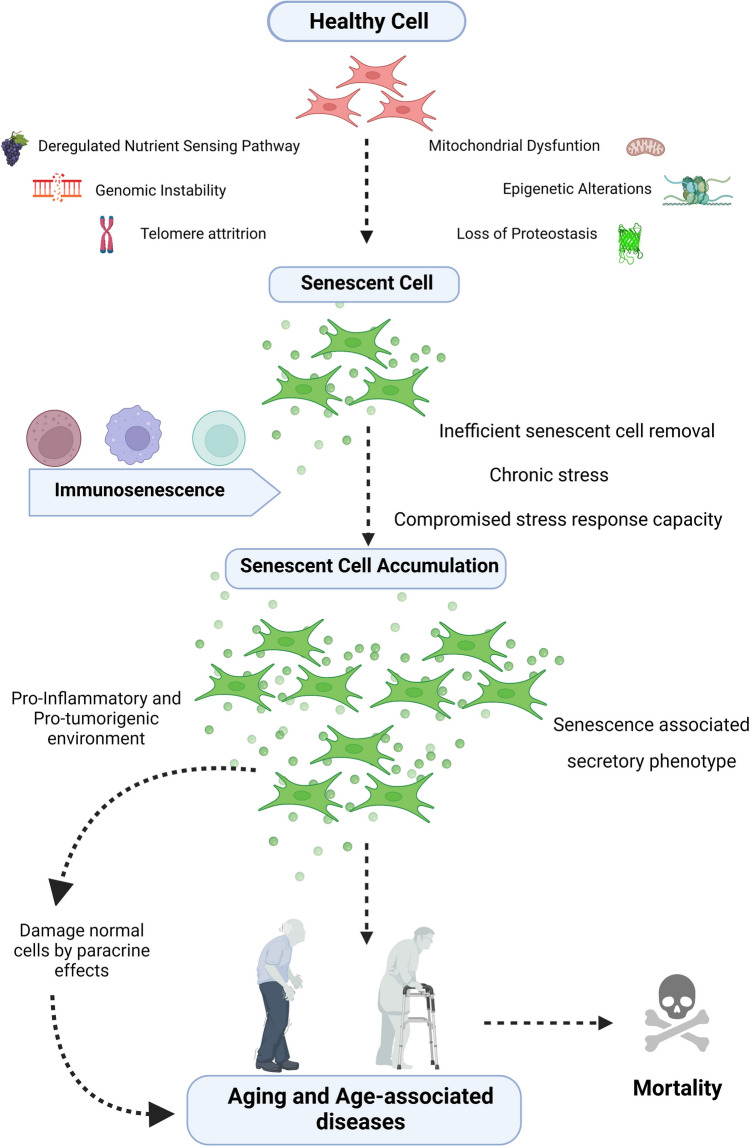
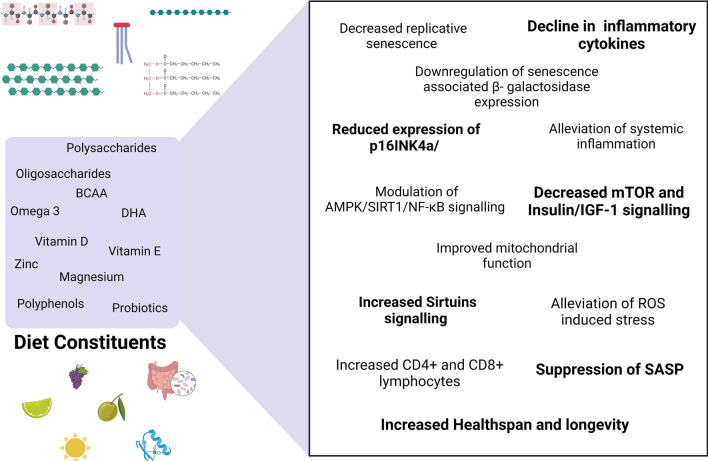
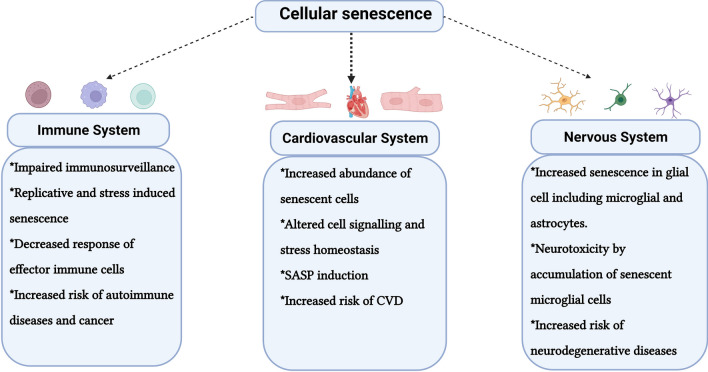
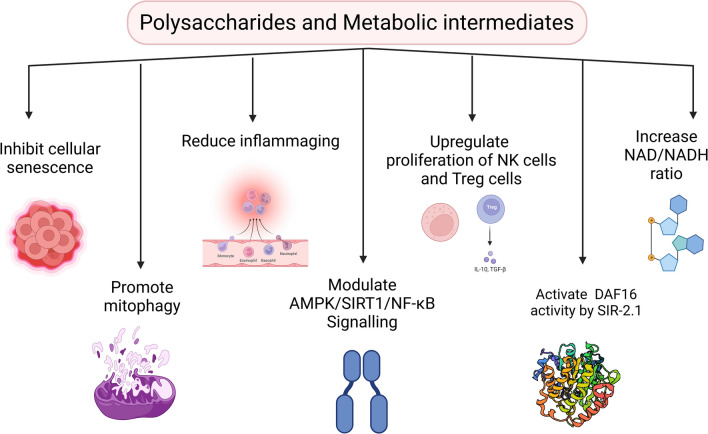
The process of cellular senescence is rapidly emerging as a modulator of organismal aging and disease. Targeting the development and removal of senescent cells is considered a viable approach to achieving improved organismal healthspan and lifespan. Nutrition and health are intimately linked and an appropriate dietary regimen can greatly impact organismal response to stress and diseases including during aging. With a renewed focus on cellular senescence, emerging studies demonstrate that both primary and secondary nutritional elements such as carbohydrates, proteins, fatty acids, vitamins, minerals, polyphenols, and probiotics can influence multiple aspects of cellular senescence. The present review describes the recent molecular aspects of cellular senescence-mediated understanding of aging and then studies available evidence of the cellular senescence modulatory attributes of major and minor dietary elements. Underlying pathways and future research directions are deliberated to promote a nutrition-centric approach for targeting cellular senescence and thus improving human health and longevity.
细胞衰老过程正迅速成为机体衰老和疾病的调节因子。针对衰老细胞的产生和清除被认为是实现改善机体健康寿命和寿命的可行方法。营养与健康密切相关,适当的饮食方案会极大地影响机体对应激和疾病的反应,包括在衰老过程中。随着对细胞衰老的重新关注,新出现的研究表明,碳水化合物、蛋白质、脂肪酸、维生素、矿物质、多酚和益生菌等主要和次要营养元素都可以影响细胞衰老的多个方面。本综述描述了细胞衰老介导的衰老认识的最新分子方面,然后研究了主要和次要饮食元素对细胞衰老调节特性的现有证据。探讨了潜在途径和未来研究方向,以促进以营养为中心的方法来靶向细胞衰老,从而改善人类健康和寿命。