
利什曼病对女性的影响:一项实用综述及我受国际皮肤疾病防治组织(ISD)支持的也门利什曼病防治倡议(ELYP)的最新情况
Impact of leishmaniasis in women: a practical review with an update on my ISD-supported initiative to combat leishmaniasis in Yemen (ELYP).
作者信息
Al-Kamel Mohamed A
机构信息
Regional Leishmaniasis Control Center, Sana'a, Yemen.
出版信息
Int J Womens Dermatol. 2016 Jun 16;2(3):93-101. doi: 10.1016/j.ijwd.2016.04.003. eCollection 2016 Sep.
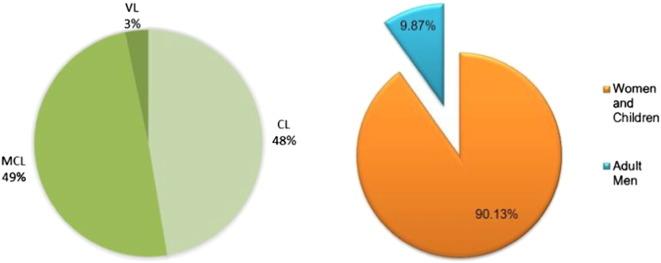
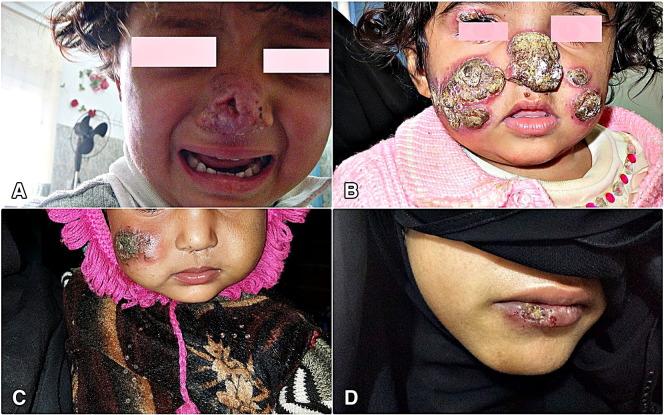
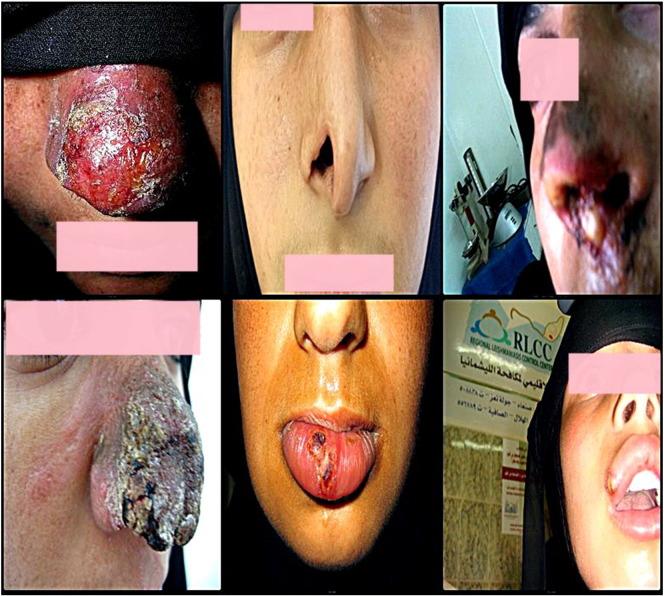
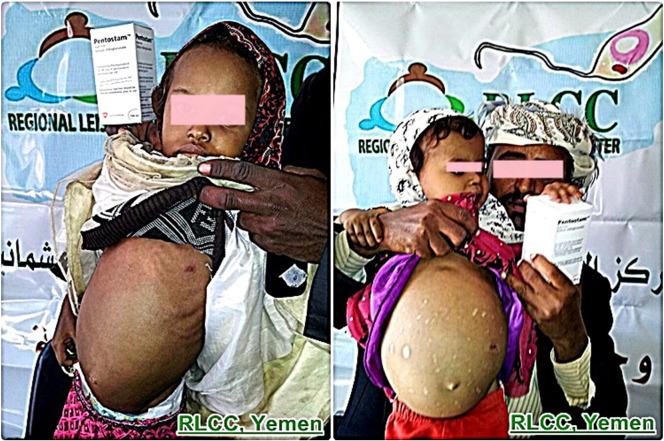
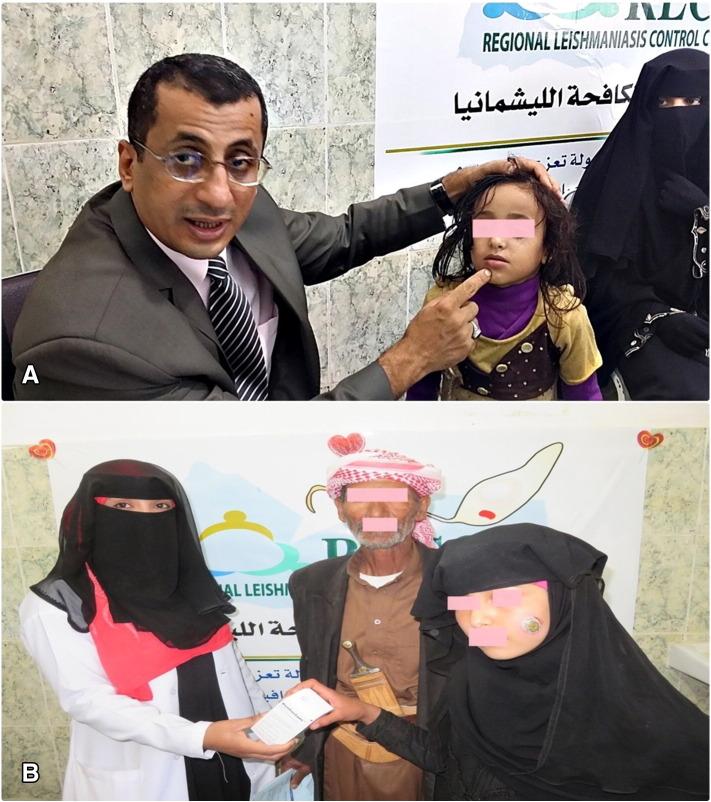
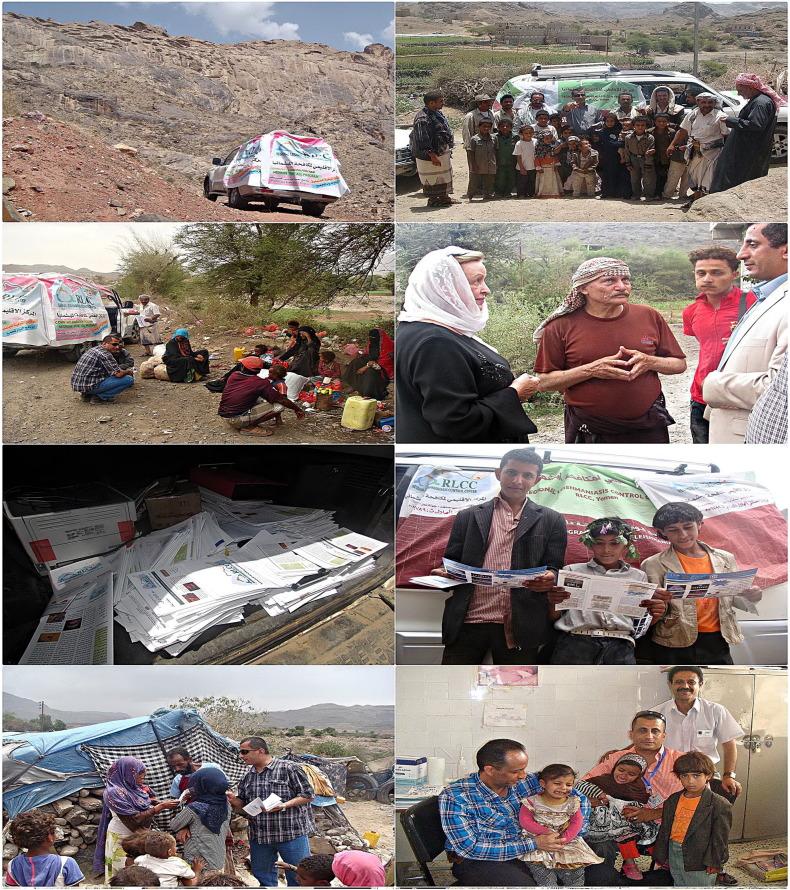
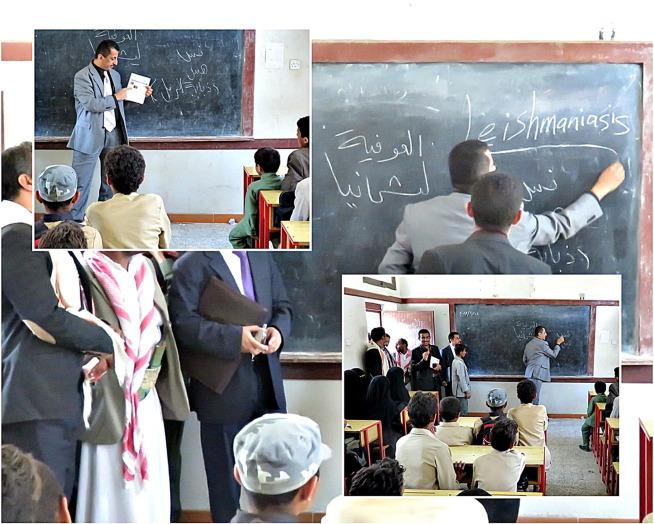
Stigma is synonymous with leishmaniasis, an endemic deadly flesh-eating disease in Yemen that affects predominantly poor rural women and children. Women with leishmaniasis often present late and experience not only physical deformities and the risk of death, but also the painful stigma of the disease and its consequences, a similar situation to that of leprosy decades ago. The International Society of Dermatology-sponsored community dermatology project Eradication of Leishmaniasis from Yemen Project has made a difference in the leishmaniasis situation in Yemen and addressed its magnitude. The program eradicated leishmaniasis from some areas, dealt with and improved its alarming prevalence among children and women who are the neglected and highest risk groups, and solved some issues associated with poor access to proper drugs. Medicine donation has enabled women with leishmaniasis to freely receive medicine they otherwise would not have been able to afford, reduced their mortality and morbidity, and minimized the extensive impact the socio-aesthetic stigma has on their lives. Our cause has attracted local and global attention to these problematic issues.
耻辱感与利什曼病同义,利什曼病是也门一种地方性致命的食肉疾病,主要影响贫困的农村妇女和儿童。患有利什曼病的妇女往往就诊较晚,不仅面临身体畸形和死亡风险,还承受着该病及其后果带来的痛苦耻辱,这与几十年前麻风病的情况类似。国际皮肤病学会赞助的社区皮肤病项目“也门利什曼病根除项目”改变了也门利什曼病的状况并应对了其严重程度。该项目在一些地区根除了利什曼病,应对并改善了在被忽视且风险最高的儿童和妇女群体中令人担忧的患病率,还解决了一些与难以获得适当药物相关的问题。药品捐赠使患有利什曼病的妇女能够免费获得她们原本买不起的药物,降低了她们的死亡率和发病率,并将社会审美耻辱对她们生活的广泛影响降至最低。我们的事业已引起当地和全球对这些问题的关注。
 Zotero 插件