De Fusco Claudia, Brear Paul, Iegre Jessica, Georgiou Kathy Hadje, Sore Hannah F, Hyvönen Marko, Spring David R
Department of Chemistry, University of Cambridge, Lensfield Road, Cambridge CB2 1EW, UK.
Department of Biochemistry, University of Cambridge, 80 Tennis Court Road, Cambridge CB2 1GA, UK.
Bioorg Med Chem. 2017 Jul 1;25(13):3471-3482. doi: 10.1016/j.bmc.2017.04.037. Epub 2017 Apr 30.
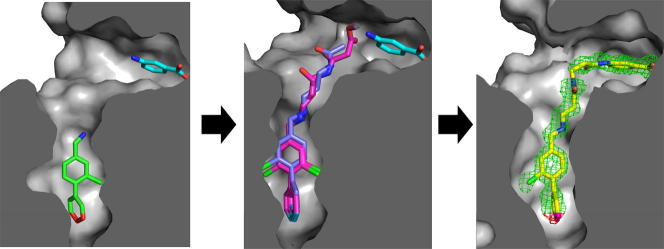
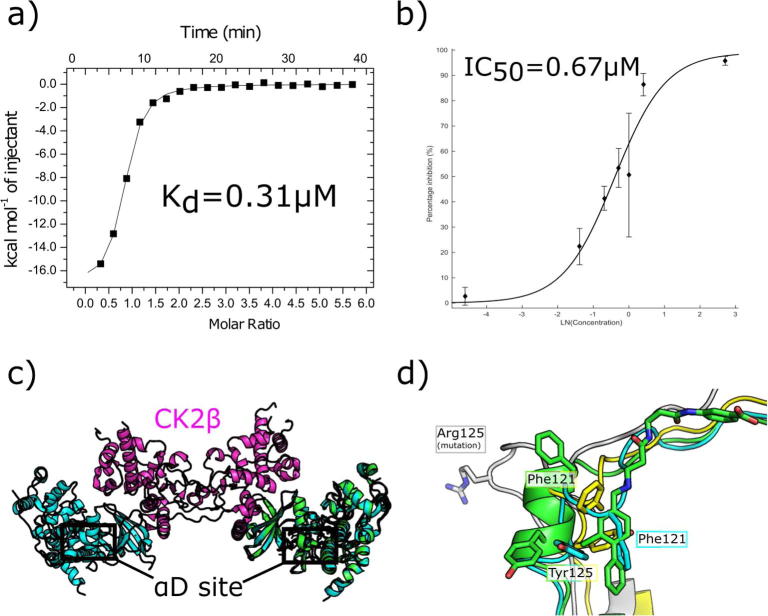
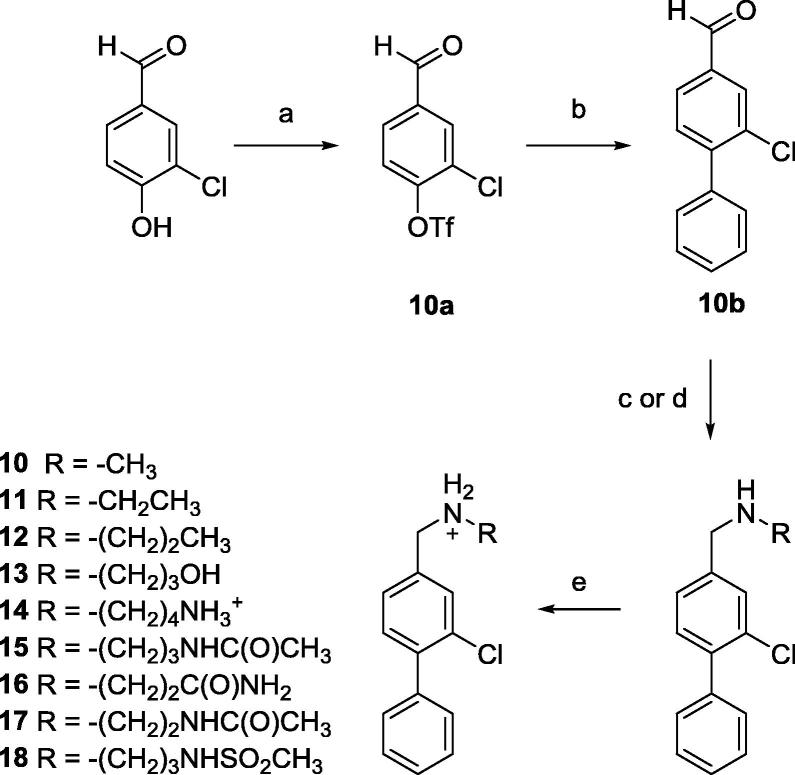
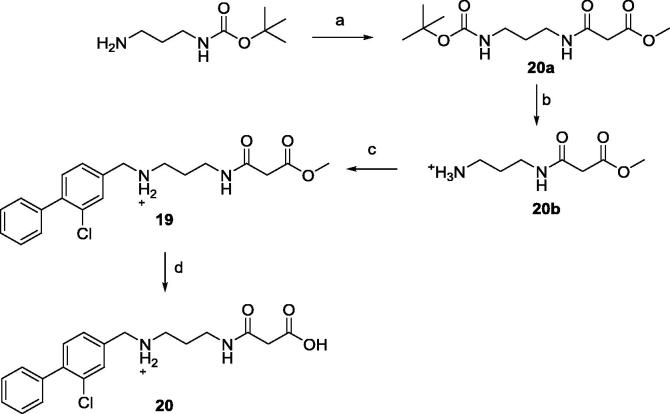
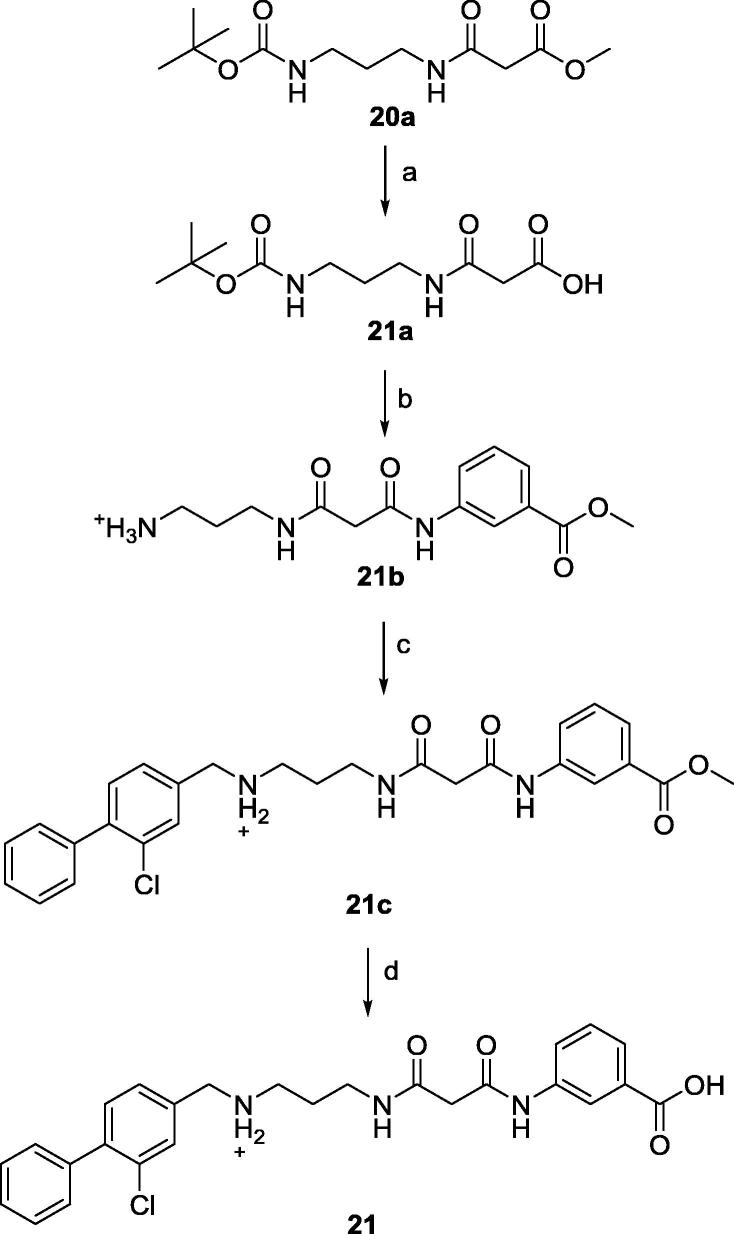
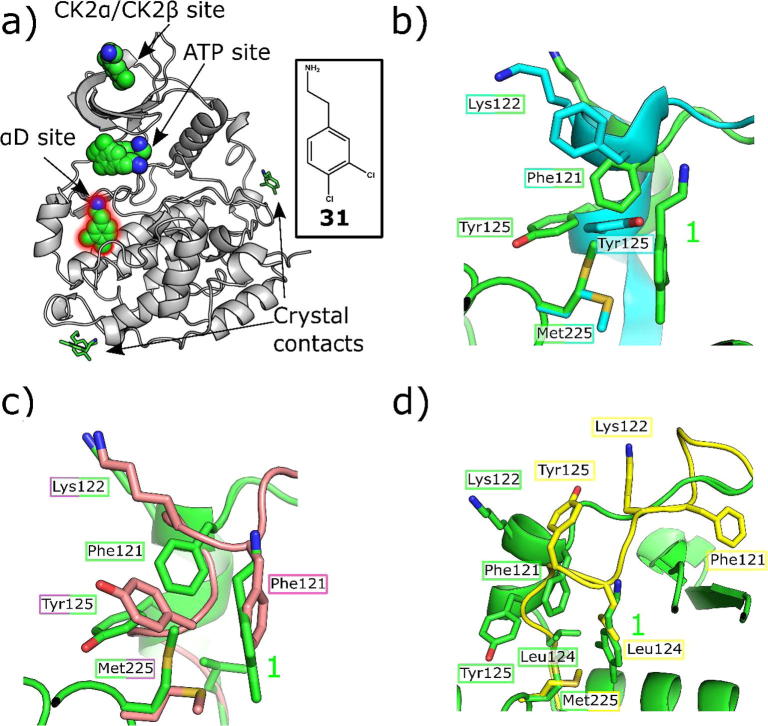
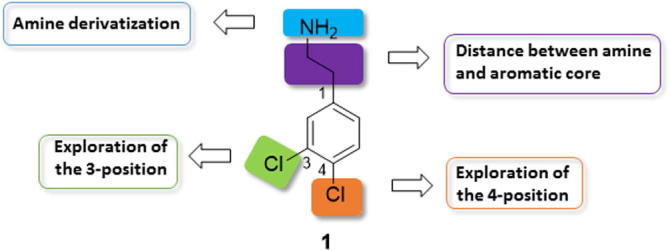
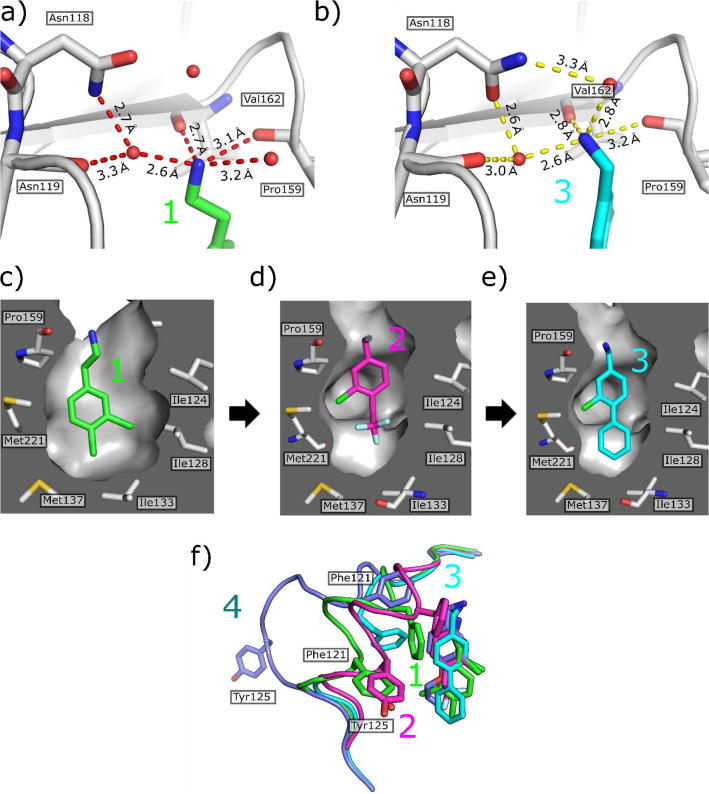
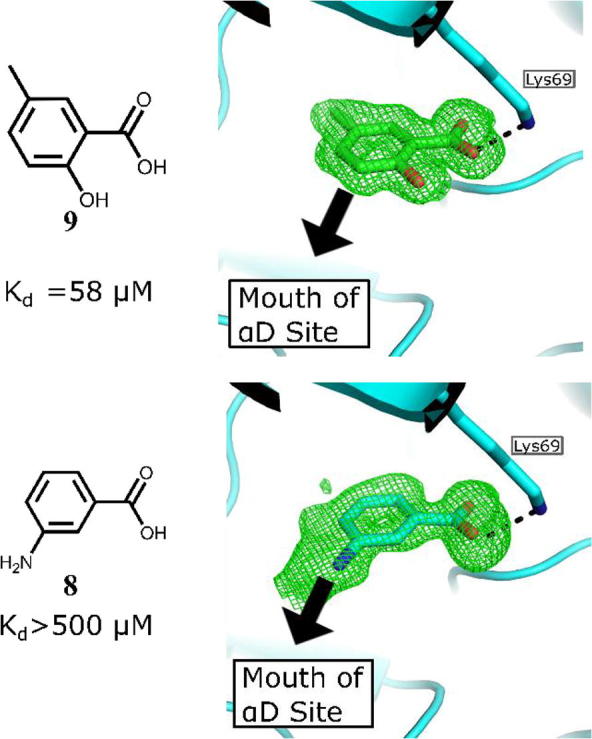
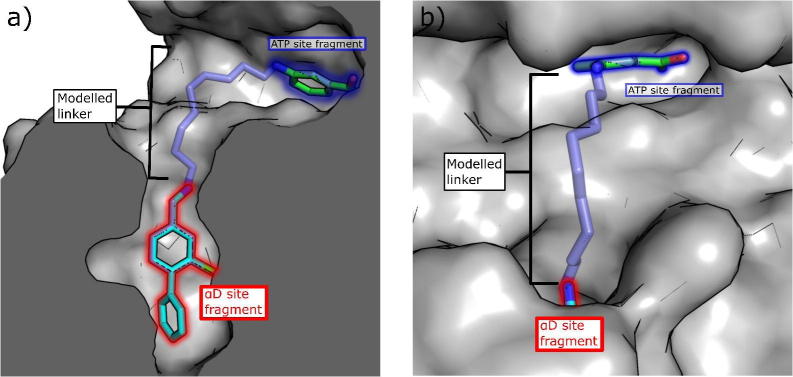
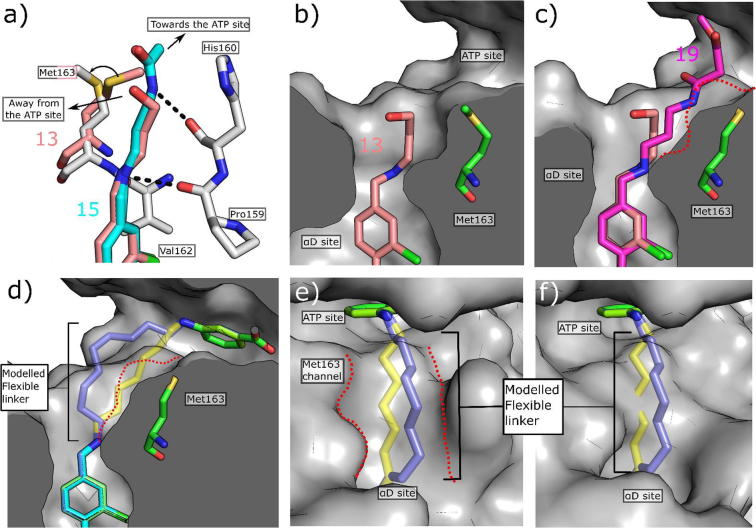
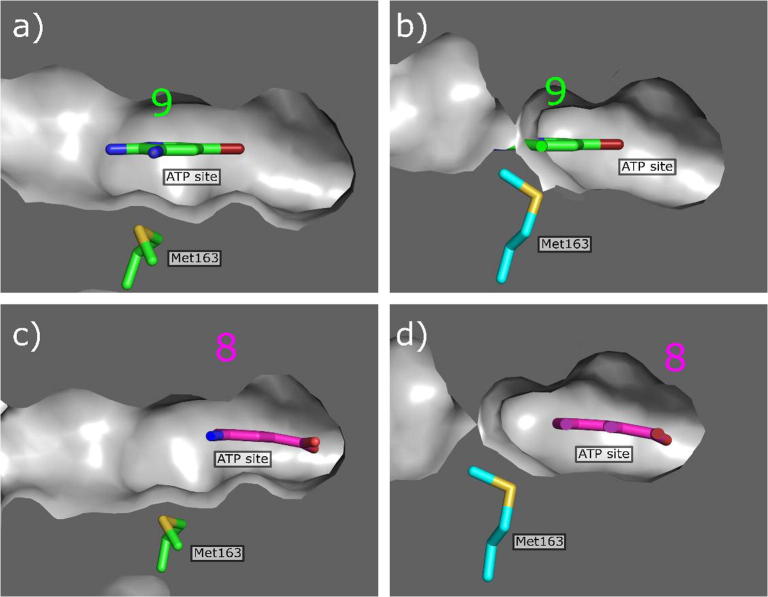
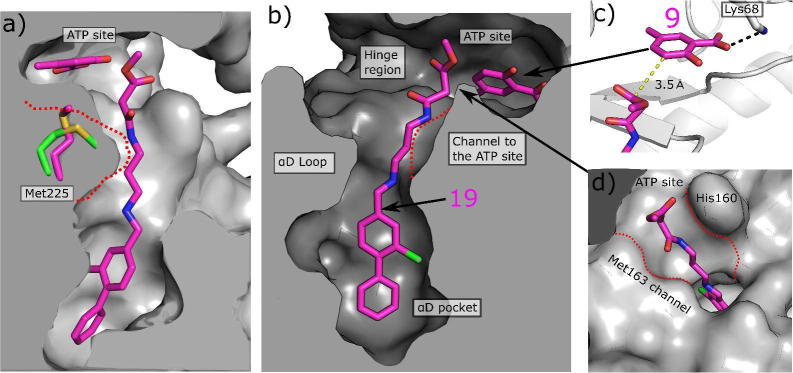
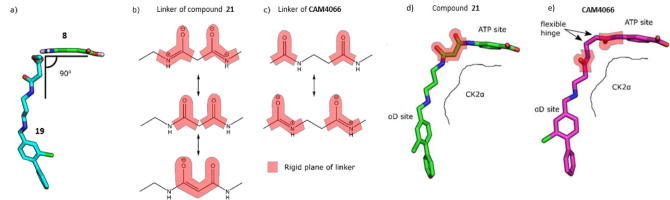
Recently we reported the discovery of a potent and selective CK2α inhibitor CAM4066. This compound inhibits CK2 activity by exploiting a pocket located outside the ATP binding site (αD pocket). Here we describe in detail the journey that led to the discovery of CAM4066 using the challenging fragment linking strategy. Specifically, we aimed to develop inhibitors by linking a high-affinity fragment anchored in the αD site to a weakly binding warhead fragment occupying the ATP site. Moreover, we describe the remarkable impact that molecular modelling had on the development of this novel chemical tool. The work described herein shows potential for the development of a novel class of CK2 inhibitors.
最近,我们报道了一种强效且选择性的CK2α抑制剂CAM4066的发现。该化合物通过利用位于ATP结合位点之外的一个口袋(αD口袋)来抑制CK2活性。在此,我们详细描述了使用具有挑战性的片段连接策略发现CAM4066的过程。具体而言,我们旨在通过将锚定在αD位点的高亲和力片段与占据ATP位点的弱结合弹头片段连接起来,开发抑制剂。此外,我们描述了分子建模对这种新型化学工具开发所产生的显著影响。本文所述的工作显示了开发新型CK2抑制剂类药物的潜力。