Massah Omid, Moradi Afsaneh, Farhoudian Ali, Amini-Lari Mahmood, Joulaei Hassan, Daneshmand Reza
Senior Researcher, Substance Abuse and Dependence Research Center, University of Social Welfare and Rehabilitation Sciences, Tehran, Iran.
Senior Researcher, Department of Psychology, School of Psychology and Educational Sciences, Alzahra University, Tehran, Iran.
Addict Health. 2016 Jul;8(3):136-144.
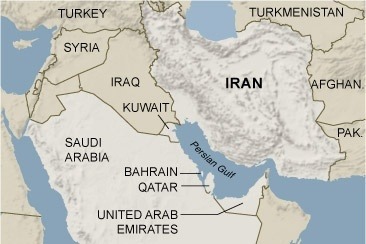
In Western and Southwest Asia, literature is not documented on human immunodeficiency virus (HIV) programs in Iran, Iraq and Saudi Arabia. The present study is the first brief review that describes HIV programs in these three neighboring countries.
Data regarding the evidence of HIV programs were gathered through a systematic literature searching. English publications were retrieved through searching online scientific databases. Grey literature was also searched online. The review was based on the studies related to the last decade.
Systematic searching resulted in retrieving 21,948 studies but only 21 studies were relevant to the study aim. The review findings indicated that Iran has provided a nationwide sero-surveillance data system and has identified its key populations. Detecting HIV prevalence has been limited to case-finding in Iraq and Saudi Arabia. However, strategic plans for HIV have been provided in the three countries. HIV education, knowledge and support have been provided but still needs consideration in the three countries especially in Iraq. The low coverage of antiretroviral therapy (ART) has remained a critical gap in the provision of comprehensive HIV programs in these three countries. This issue has been followed by the lack of opiate substitution therapies for drug dependents and injecting drug users in Iraq and Saudi Arabia. Condom promotion and voluntary HIV counselling and testing have been provided for at-risk groups in the three countries but need more nationwide coverages. However, needle and syringe programs (NSPs) have been only provided in Iran.
The review concluded that the provision of effective HIV programs should address training human resources and infrastructural development. This issue should be facilitated by international collaborations and governmental supports.
在西亚和西南亚地区,伊朗、伊拉克和沙特阿拉伯关于人类免疫缺陷病毒(HIV)项目的文献尚无记载。本研究是首次对这三个邻国的HIV项目进行简要综述。
通过系统的文献检索收集有关HIV项目证据的数据。通过在线科学数据库检索英文出版物。还在网上搜索了灰色文献。该综述基于过去十年的相关研究。
系统检索共获得21948项研究,但仅有21项与研究目的相关。综述结果表明,伊朗建立了全国血清监测数据系统并确定了关键人群。在伊拉克和沙特阿拉伯,HIV流行率的检测仅限于病例发现。然而,这三个国家都制定了HIV战略计划。三国均提供了HIV教育、知识普及和支持,但仍需加以重视,尤其是在伊拉克。抗逆转录病毒疗法(ART)覆盖率较低,仍然是这三个国家提供全面HIV项目的关键差距。在伊拉克和沙特阿拉伯,这一问题还伴随着药物依赖者和注射吸毒者缺乏阿片类药物替代疗法的情况。三国均为高危人群提供了避孕套推广以及自愿HIV咨询和检测服务,但需要在全国范围内扩大覆盖范围。然而,仅在伊朗实施了针头和注射器项目(NSPs)。
该综述得出结论,提供有效的HIV项目应涉及人力资源培训和基础设施建设。这一问题应通过国际合作和政府支持加以推动。